Tag: easy

  • Skordalia


    I have a fascination with recipes that utilize ingredients that seem to have lost their value: vegetable tops and bottoms, stalks and skins, bones and bits, crusts and scraps. I don’t like wasting food, so when I discover something that allows me to use these delicious rejects in a creative way, I get a little thrill out of it. And do you wanna know what’s laying around our home that’s sometimes challenging to use before it becomes hard as a rock and “useless?”

    Bread. Lots and lots of effing bread.

    My partner bakes some of the best damn bread around and posts saliva inducing photographs of it on our Instagram, but alas, we can only eat so much of it at once, and sometimes we don’t consume all of it before it goes stale. Toward the beginning of his bread kick, we actually started to give the bread away to our friends, but even that didn’t keep us out of the clear, and I was starting to hear creaky protests coming from our food processor that seemed to say, “Please, God, not one more batch of breadcrumbs. PLEASE, NO MORE.” Luckily for our food processor, and for us, I discovered a type of recipe that changed the way I cooked with bread.

    Bread sauces.

    There are several, actually. The Brits have one (it’s just called “bread sauce,” because of course it is). Romesco sauce is also technically a bread sauce, utilizing stale bread to bind all its parts together. There’s even a Peruvian stale bread and cheese sauce that’s intended to be served with potatoes. I cycled through a few of different variations of this style of disposing of Nate’s hearty loaves, but it didn’t take long for me to stumble upon what became far and away my favorite one of the bunch: skordalia. Skordalia is easy to make, versatile in its use, keeps for a long time, and it focuses on two of my all time favorite flavors: garlic and lemon.

    Side note: using a good stale French loaf would be great for this, but in our house, we like sourdough. It really latches onto the lemon flavor, which is the backbone of the sauce. Also, you don’t even need to use stale bread for this recipe, just know that you can. I mean, you’re dousing it in oil and lemon juice and water then blending it into oblivion, so don’t get too hung up on that.

    Skordalia:

    • One 1” slice of stale bread from a large, hearty loaf of bread (we like sourdough)

    • 6–8 cloves of garlic (or, like, more if you’re into that)

    • A heaping ½ cup of slivered almonds

    • ½ cup olive oil, divided

    • Juice of one whole juicy lemon

    • ¾ cup of water

    • Salt to taste

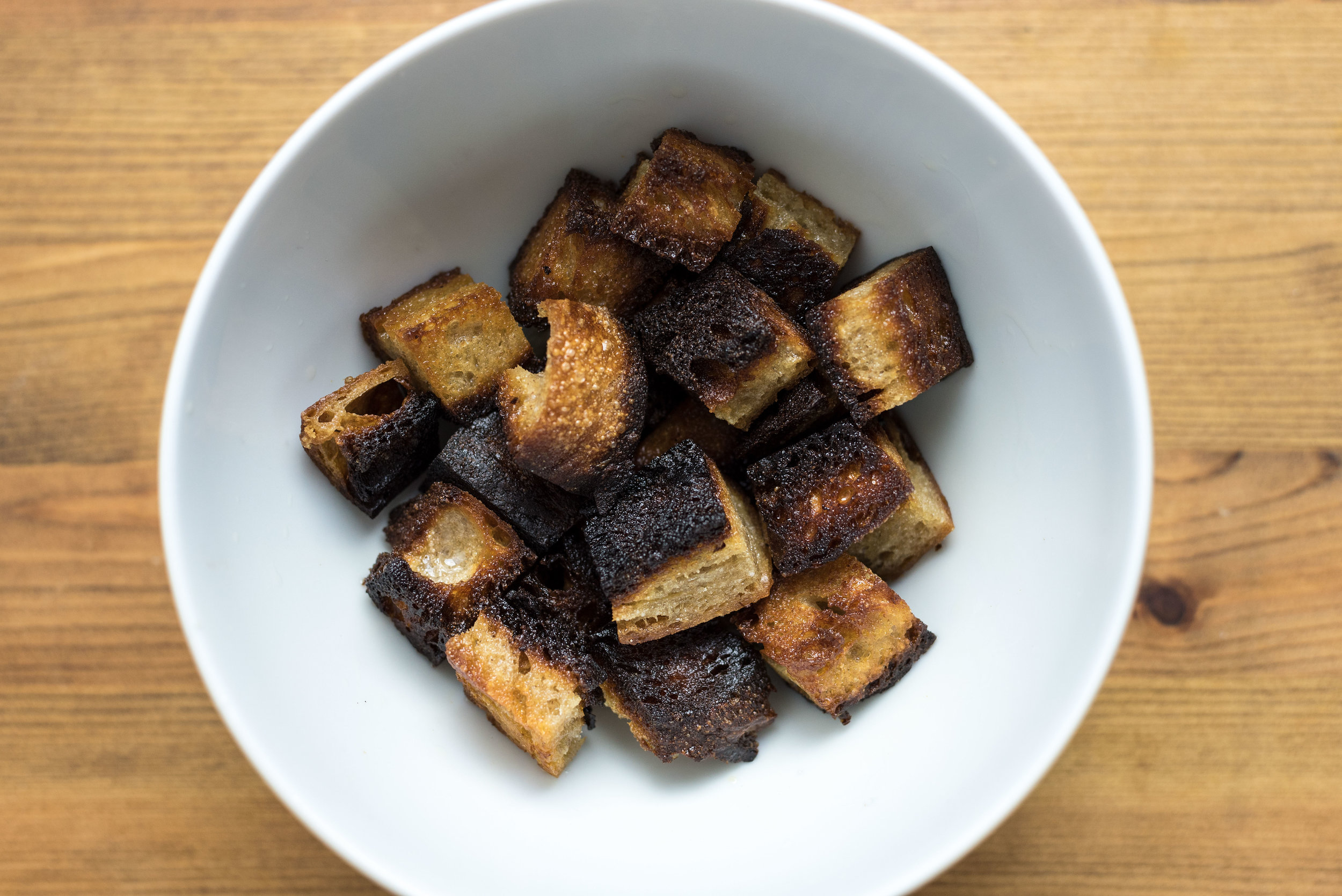
    In a skillet on medium heat, warm ¼ cup of the olive oil until it begins to shimmer. While the pan is coming up to heat, cut your stale bread into 1-inch cubes. Think of it like you’re making some big-ass croutons, because, well, you kind of are. When the oil is ready, add the bread to the pan. It should begin to fry immediately, making a satisfying “deep frying” noise (you know what I’m talking about). If it doesn’t, remove the bread and wait until it gets hotter and try again.

    Fry the bread cubes on all sides, moving them around the pan from time to time. You have a couple options here: fry the bread until it’s golden brown OR until it’s just a little more than that. This will determine the flavor character of your skordalia. Golden brown bread will be a nuttier, milder, and buttery skordalia whereas slightly charred bread will be a more sour, punchy, and smoky skordalia; they both have their place. If you’re using your skordalia as a dip, meant to be eaten more on its own, I’d opt for golden bread since it’ll be milder. If you’re using your skordalia to accompany a meal as a hearty bread sauce component, then I’d do charred bread since it’ll stick out a little bit more. The sourness of the charred flavor bonds with the lemon really nicely, and the smokiness responds really well to meat or roasted vegetables.

    skordalia_01.jpg

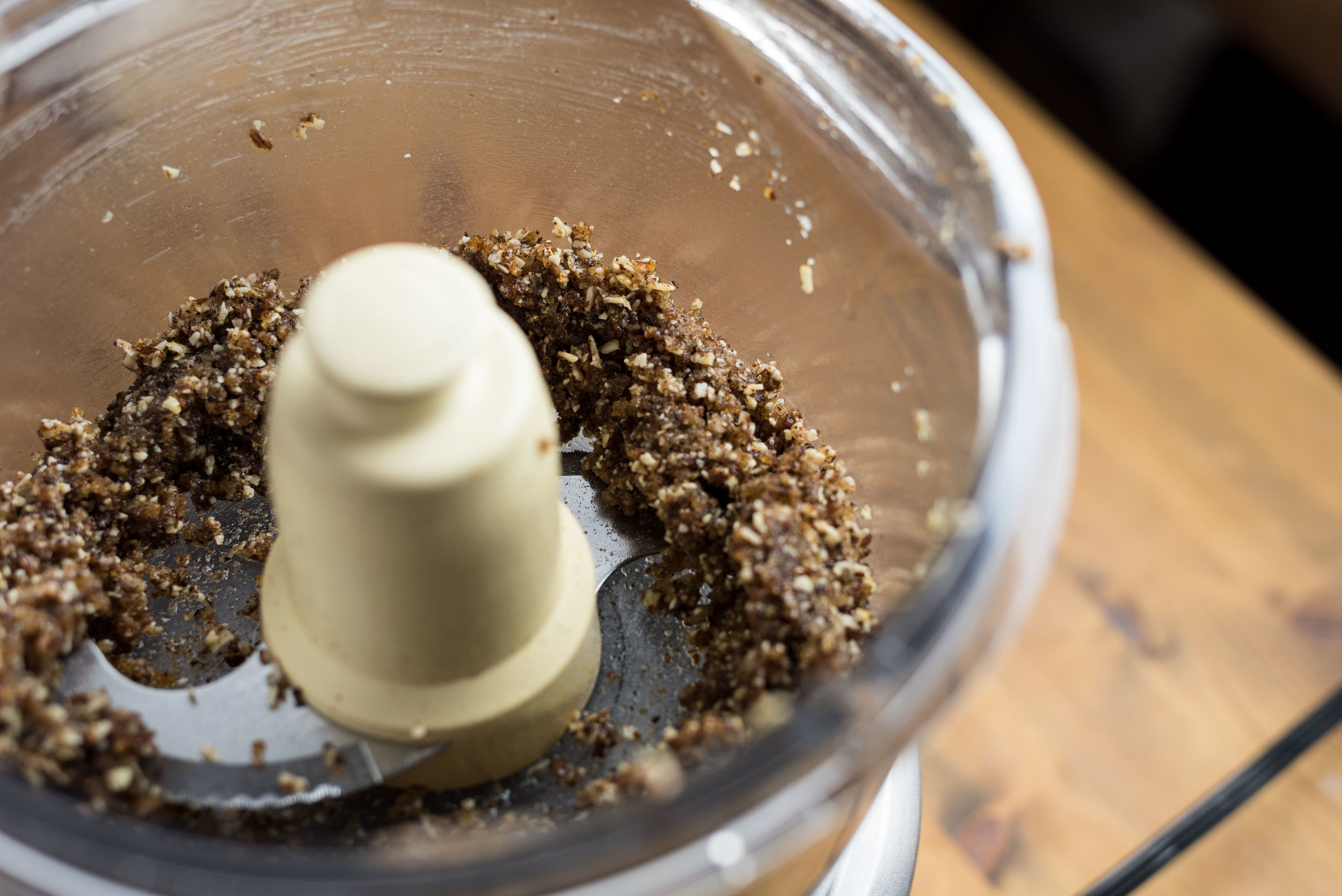
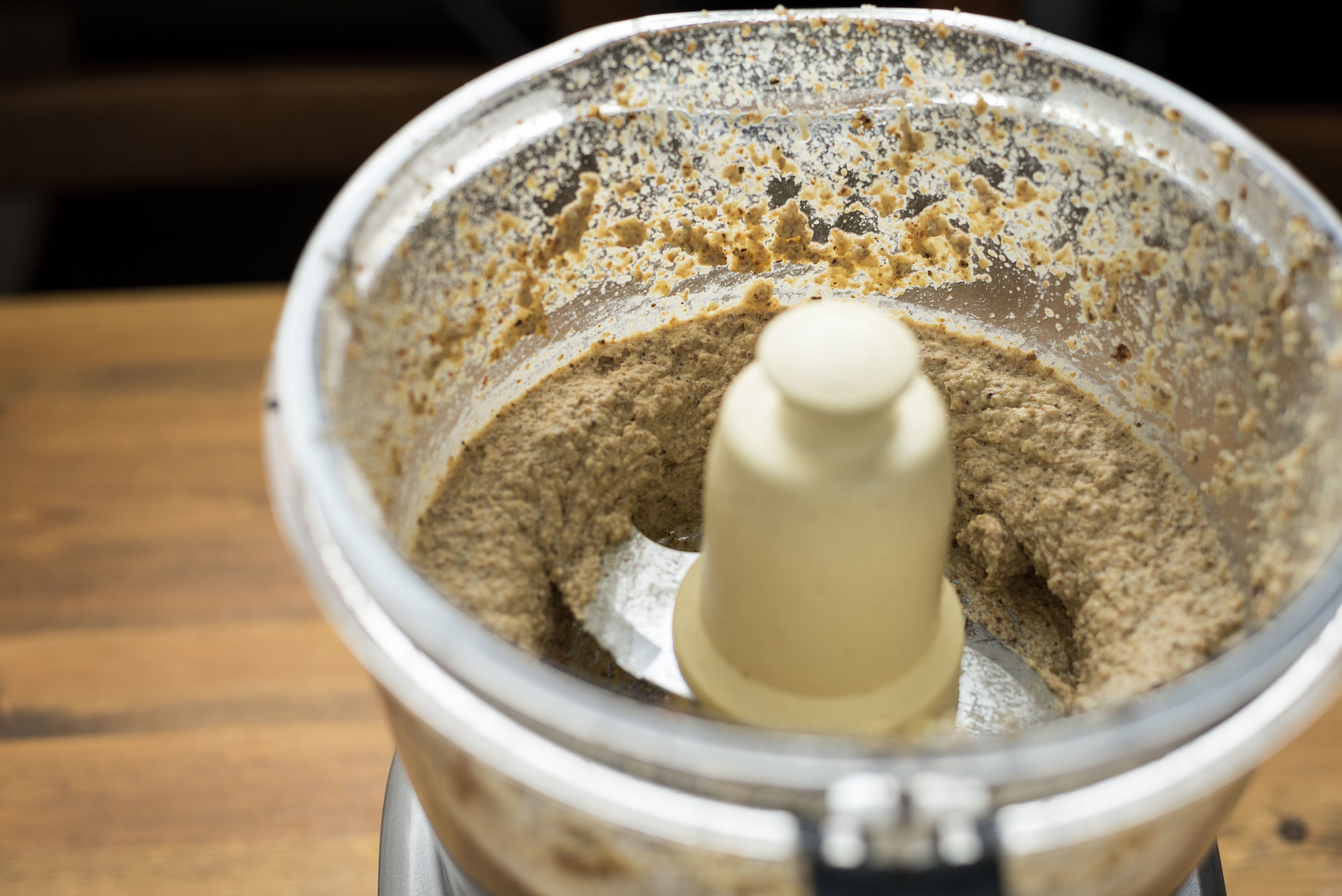
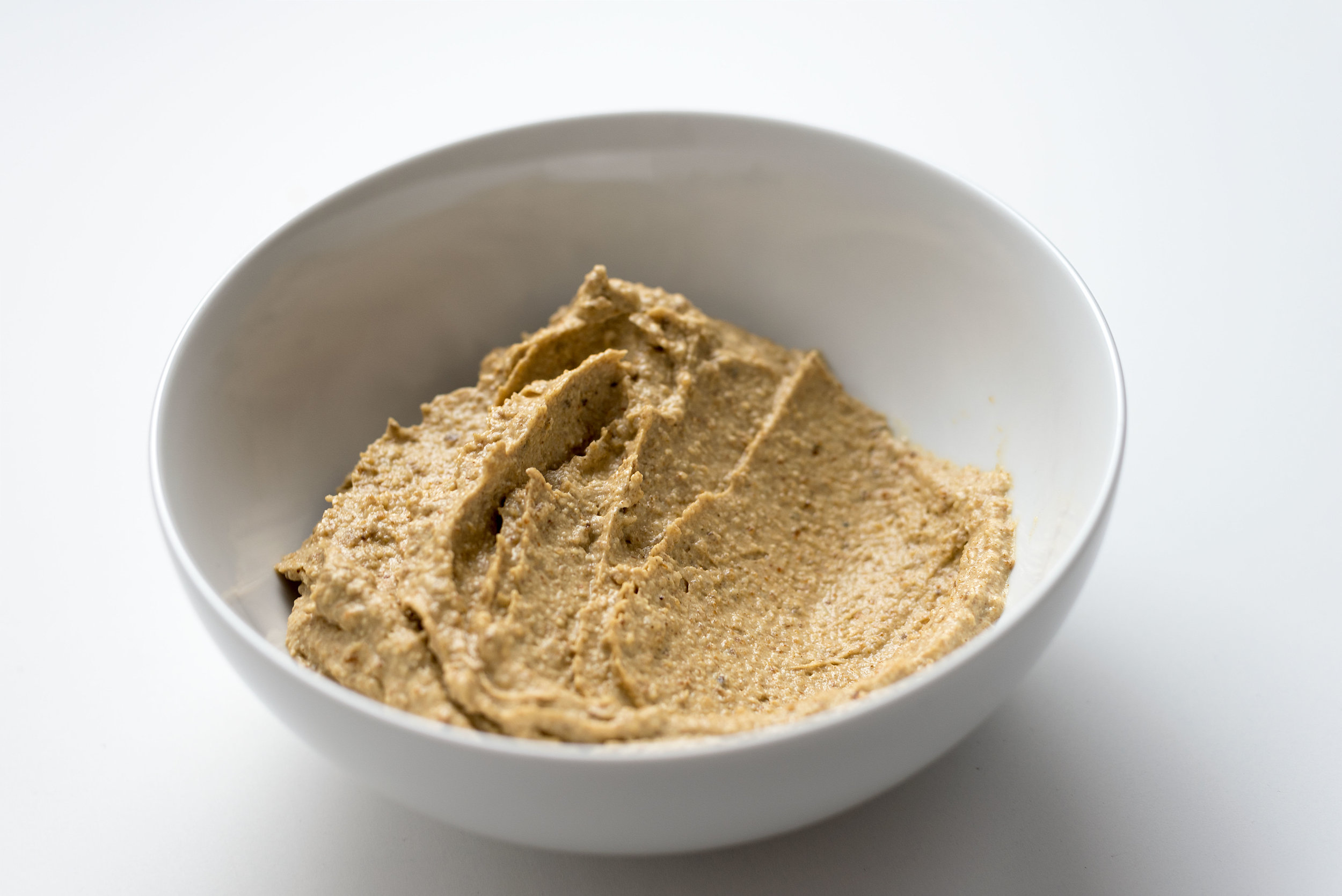
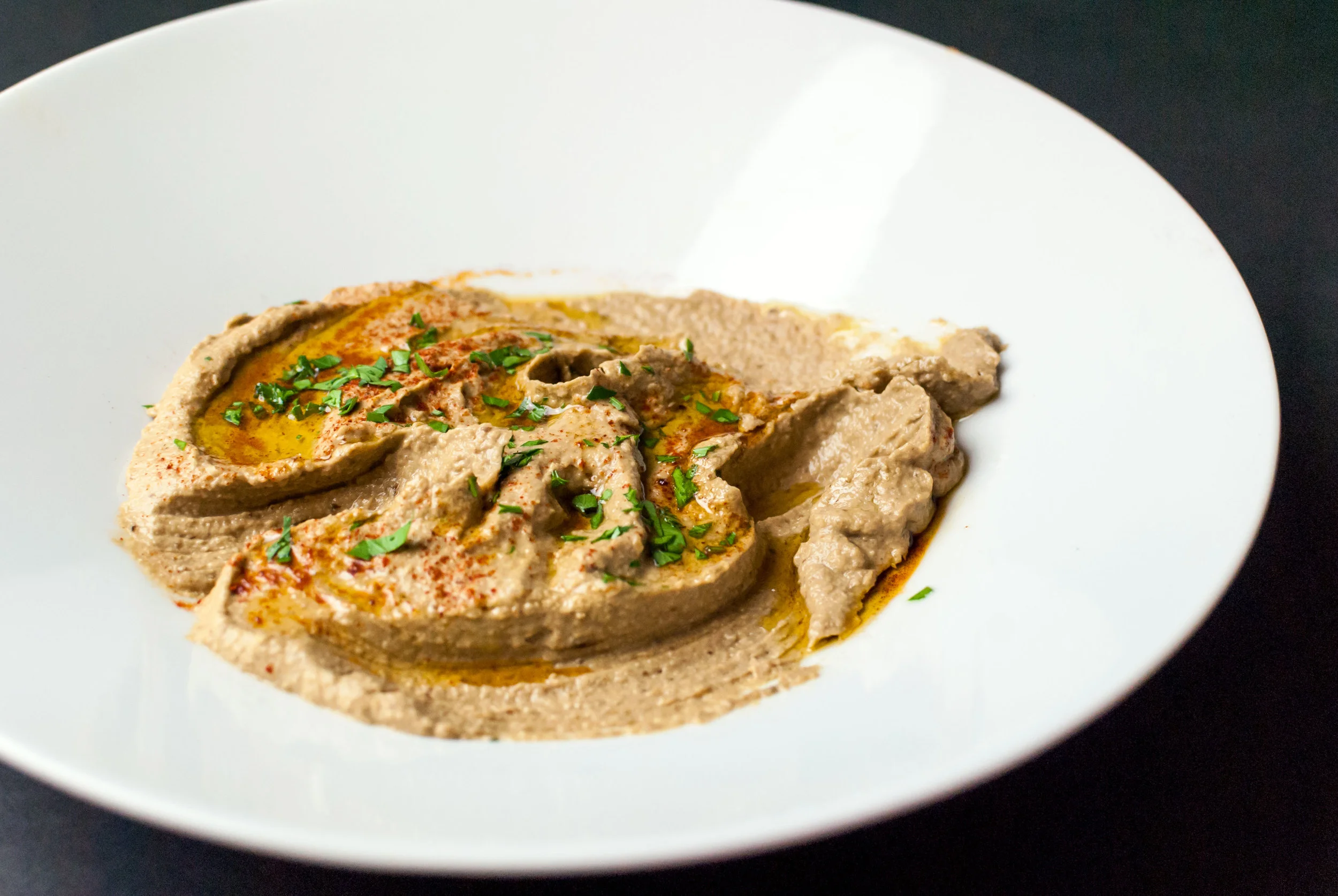
    Once your bread is fried to your desired shade of sexiness, remove it from the pan and add it to a food processor or blender along with all the remaining oil in the pan, the garlic, and slivered almonds. Pulse the ingredients to break them down, scraping the sides of the bowl frequently, then give it a good long blend to get them as fine as you can. While the ingredients are whirring away, consolidate the remaining ¼ cup of olive oil, water, and lemon juice into a vessel with a lip so you can slowly pour it out in a steady stream without making a mess. Through the opening at the top of the food processor or blender, slowly add all of the liquid, allowing your skordalia to loosen up and emulsify. You’ll probably need to let it blend on its own for a minute or two afterwards to break down the last few chunks. When finished, your skordalia should be smooth and resemble hummus. Salt your skordalia to taste and pulse to incorporate. Serve immediately or store in your fridge for up to two weeks.
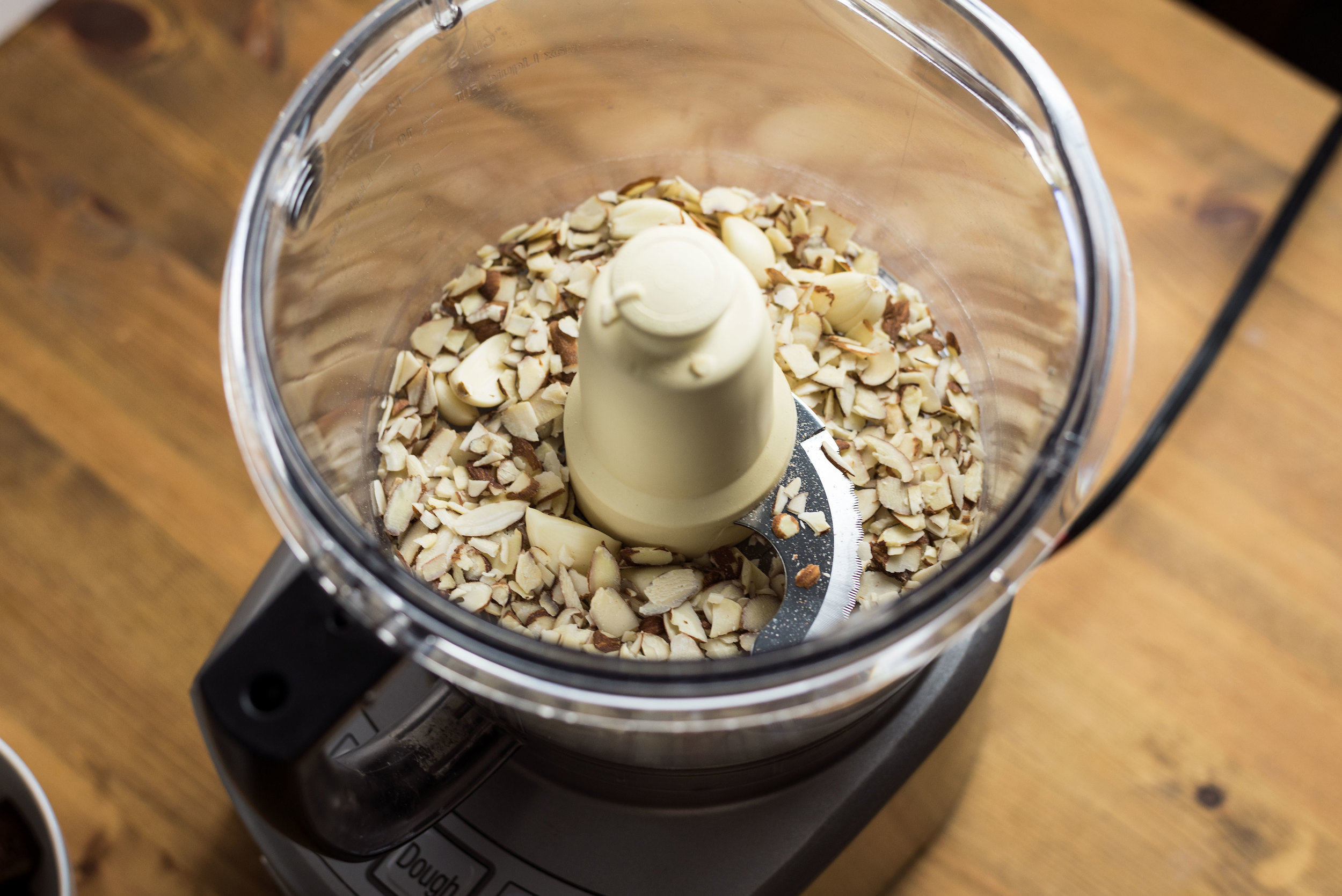
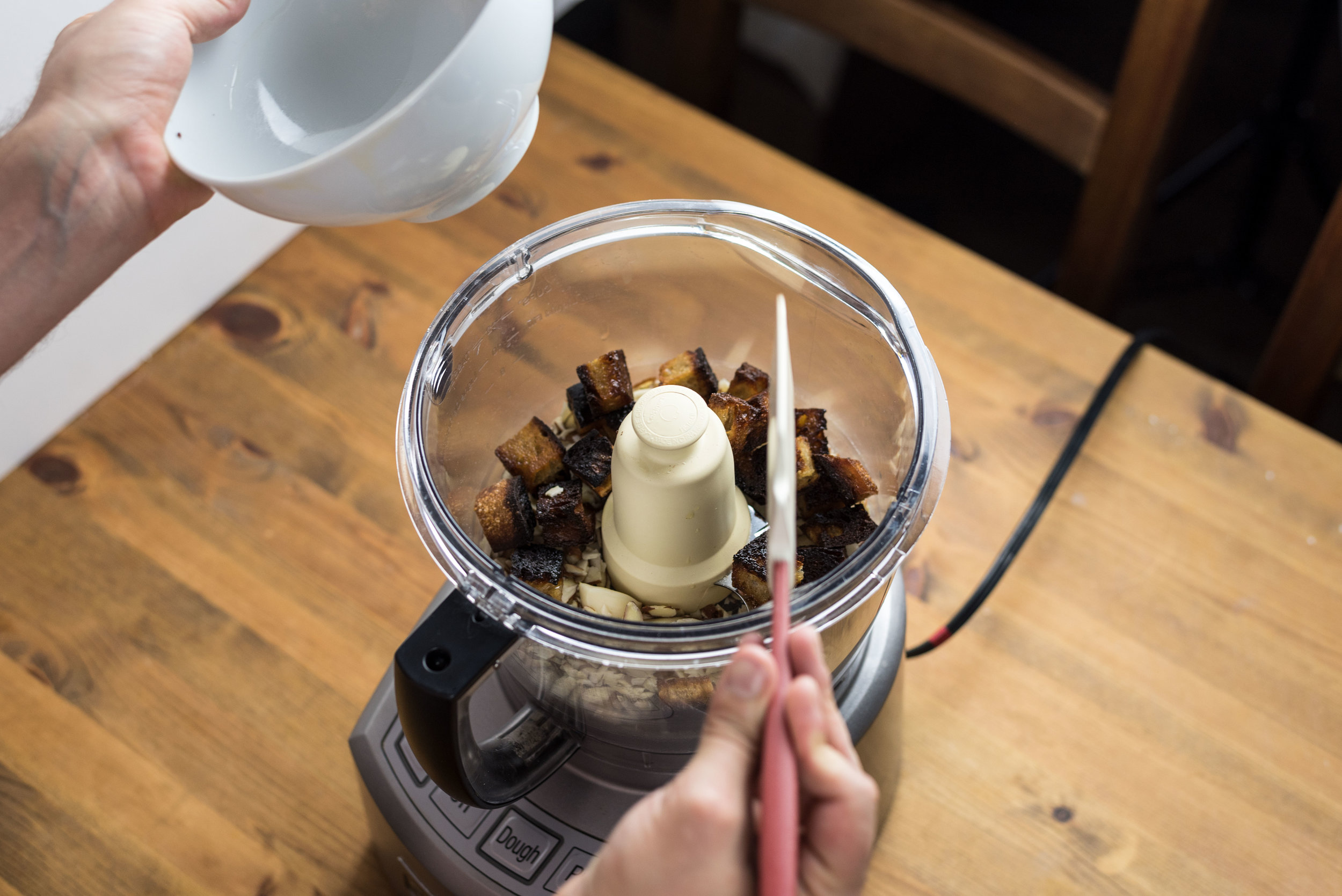
    Side note: if you’re taking your skordalia out of the fridge to use for later, we’d recommend having it come up to room temperature on its own as opposed to microwaving it, since the application of heat really alters the fresh lemon juice flavor. That being said, don’t let that stop you from adding a dollop of this goodness to a lunch on-the-go that you’ll heat up at work or wherever you go later. It’ll still be delicious, just know that it’ll be a little different. The garlic flavor will come out more and the lemon will play less of a role.

    skordalia_07.jpg

    Yield: about 2 cups
  • Everyday Gnocchi


    Gnocchi is one of those recipes that mystifies me when I find out that someone thinks that it’s difficult to make, because not only is it really easy (and cheap) to produce, it’s also easy to produce a lot of it; and that’s exactly what we do. It’s common for me to whip out about four batches at a time of this recipe (a standard mixer should be able to hold two at once) then freeze the lot on a sheet tray and store these little guys in a large plastic bag. It’s such a satisfying meal for us, and the knowledge that we can put in minimal effort for it makes it all the more alluring after a long day of work where you just want something delicious and quick. Just pick your sauce, pop these kids out of the freezer and boil ’em in water till they float, and you’re set.

    Side note: yes, the gnocchi in this recipe are pressed onto a gnocchi board. Do you need to do that? No, no you don’t. Do grooves hold more sauce? Yeah, they do. Will your dinner be any less delicious if your gnocchs are just little grooveless potato lumps that you cut off from your giant slab of dough? Nope, it’ll be awesome.

    Did we press these onto a groove board just for this post so our gnocchi will look awesome even though we almost never do it in real life?

    You bet your ass we did.

    Everyday Gnocchi:

    • 1 cup of cooked skinless russet potato flesh, thoroughly mashed with as few clumps as possible.

      • Side note: When I do big batches of gnocchi, I will often add my cooked potato to a food processor and blend it until it’s very smooth, along with the olive oil. This changes the texture of the potato dramatically, making it much smoother (almost like a potato cake batter, and makes a much stickier dough after you add the flour to it. I’d recommend doing this, but if you’re tired and just wanna mash the potatoes by hand, your gnocchi won’t be any less delicious.

    • 2 tablespoons olive oil

    • 1 large egg

    • a big three-finger pinch of good salt

    • 2 cups flour
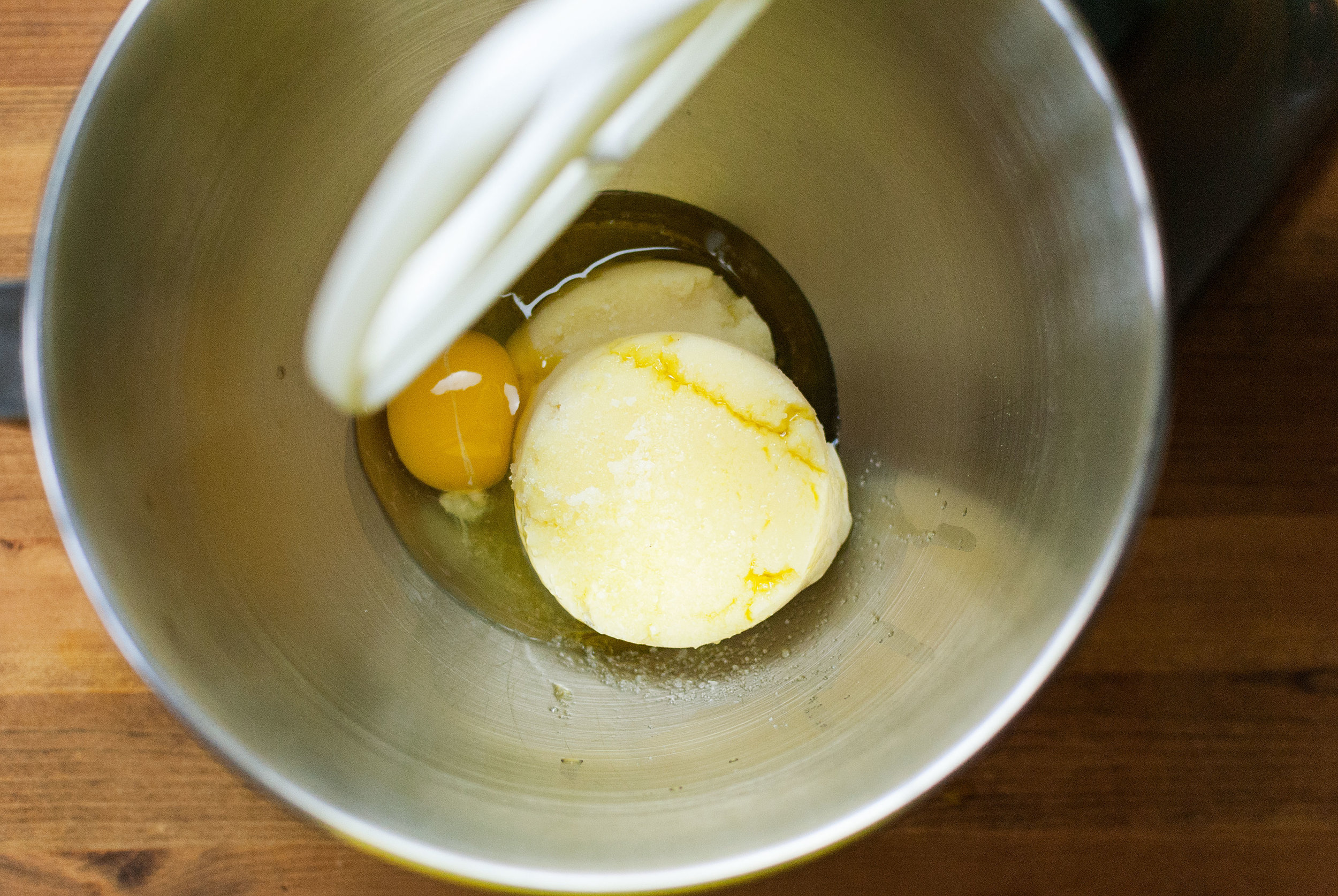
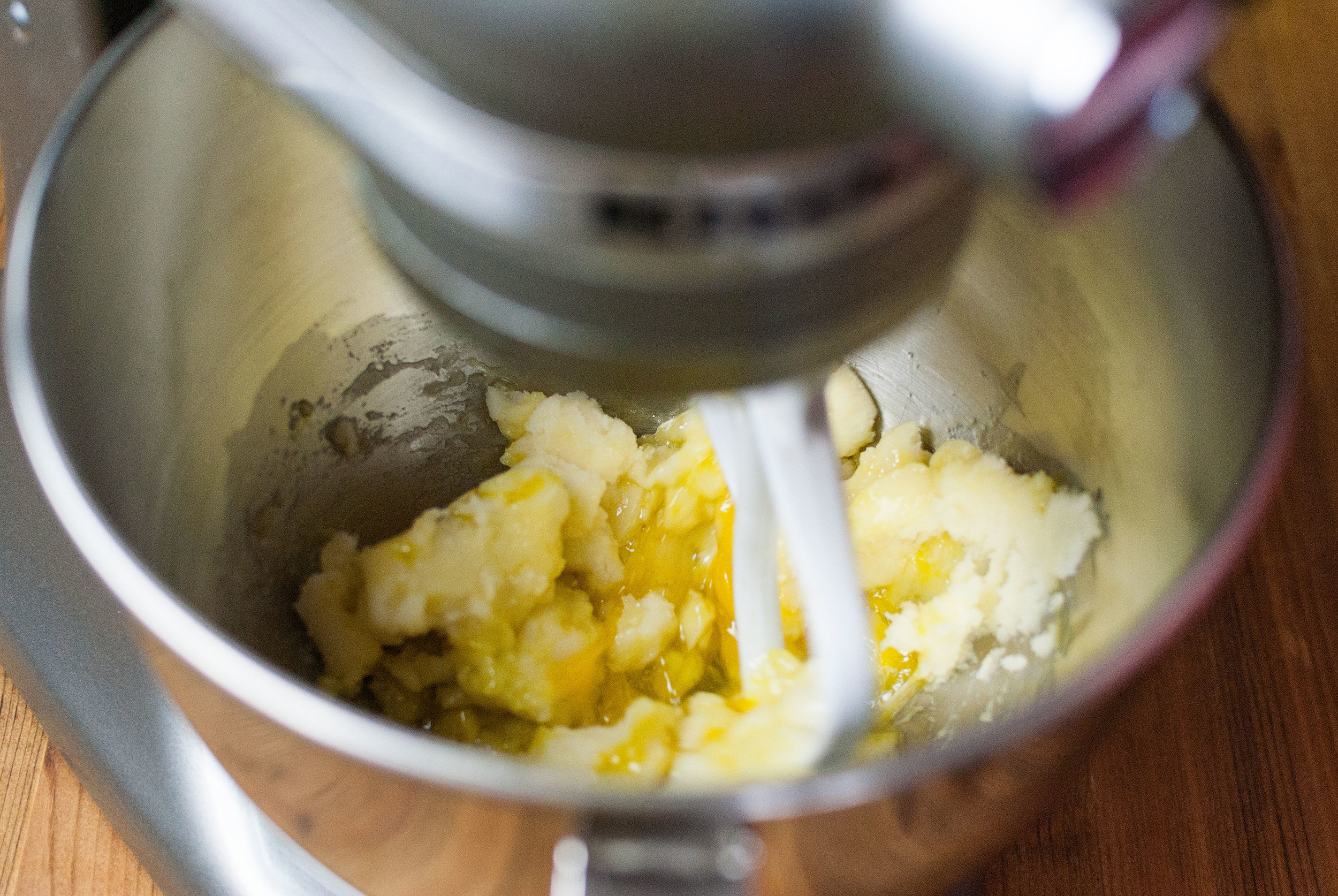
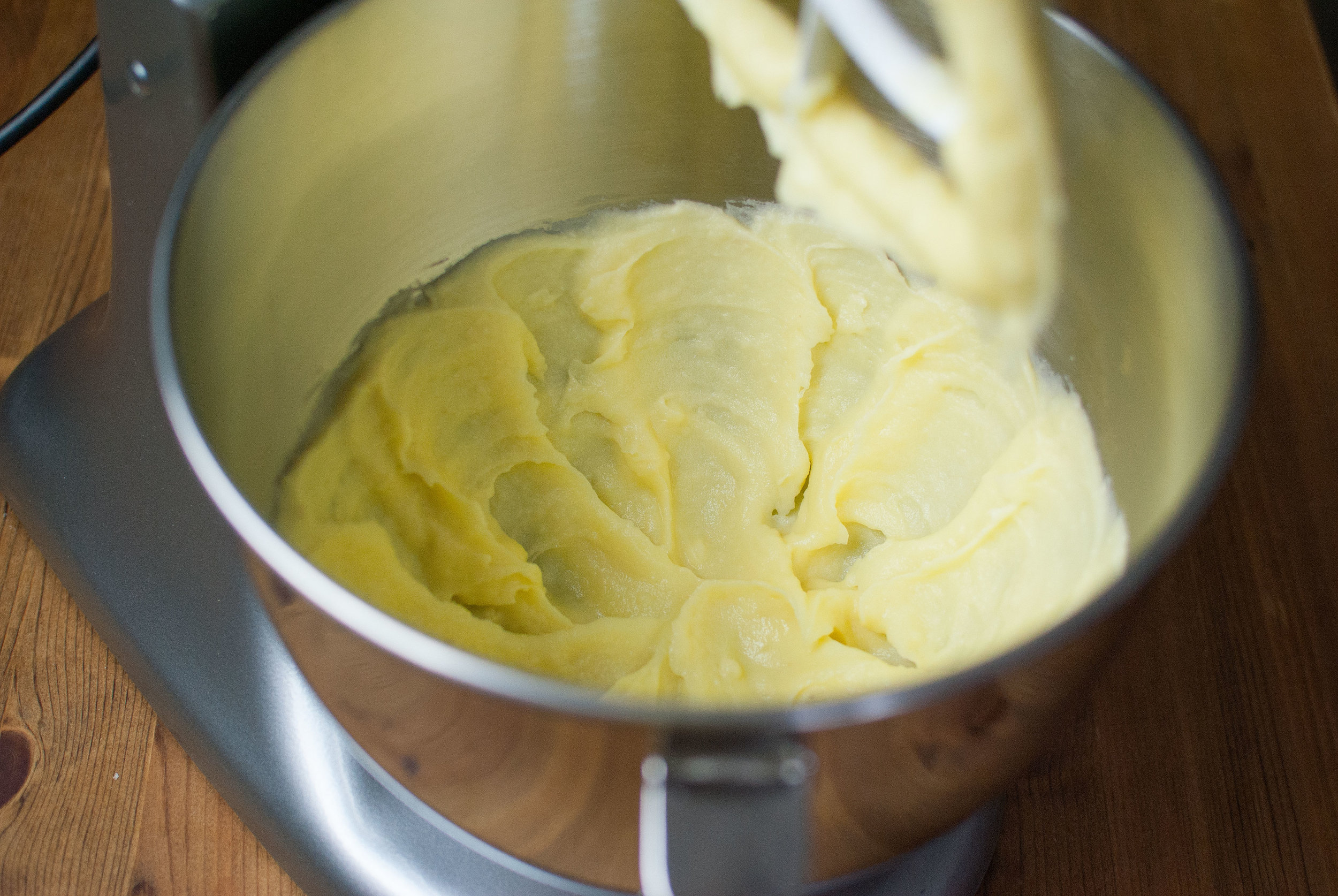
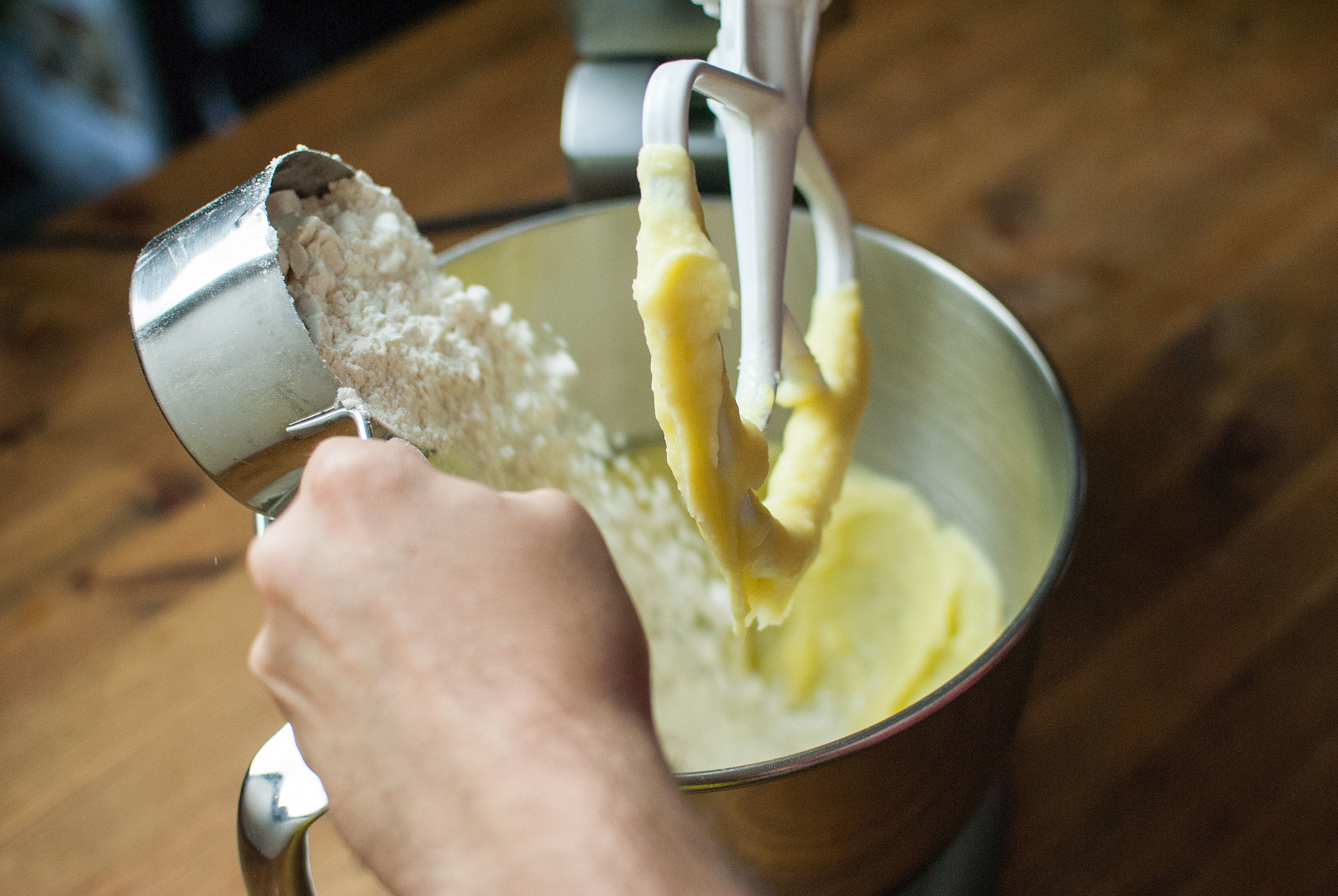
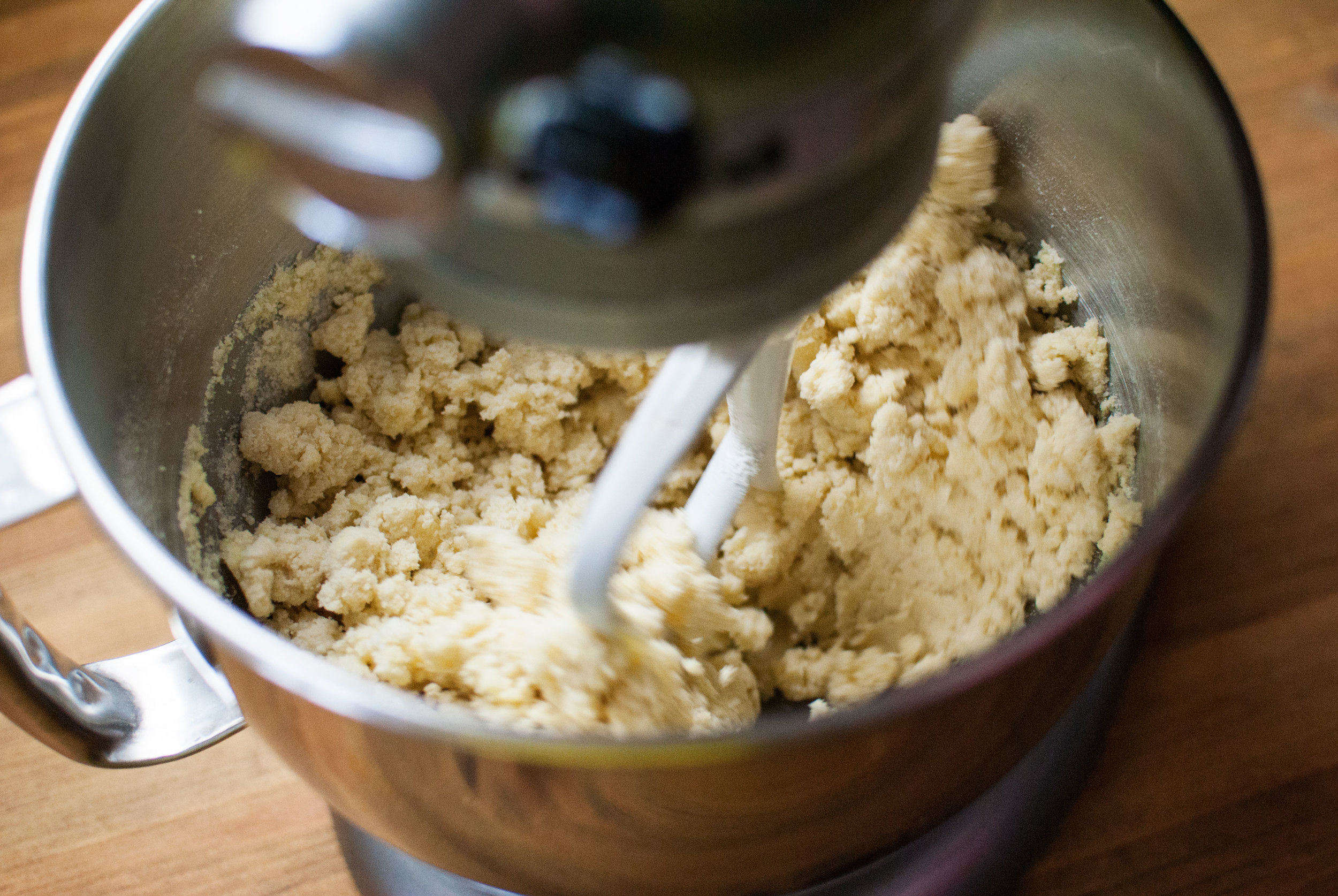
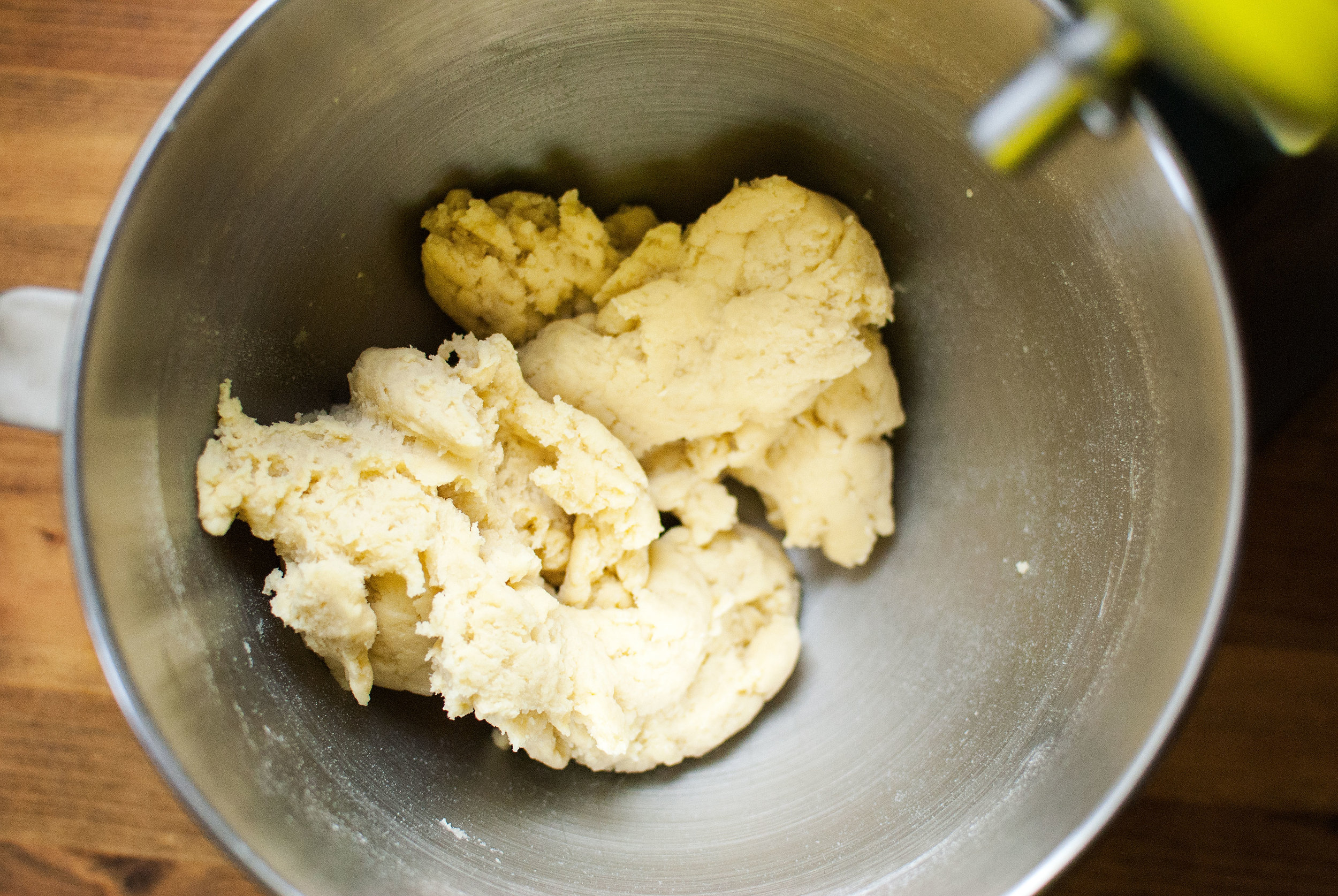
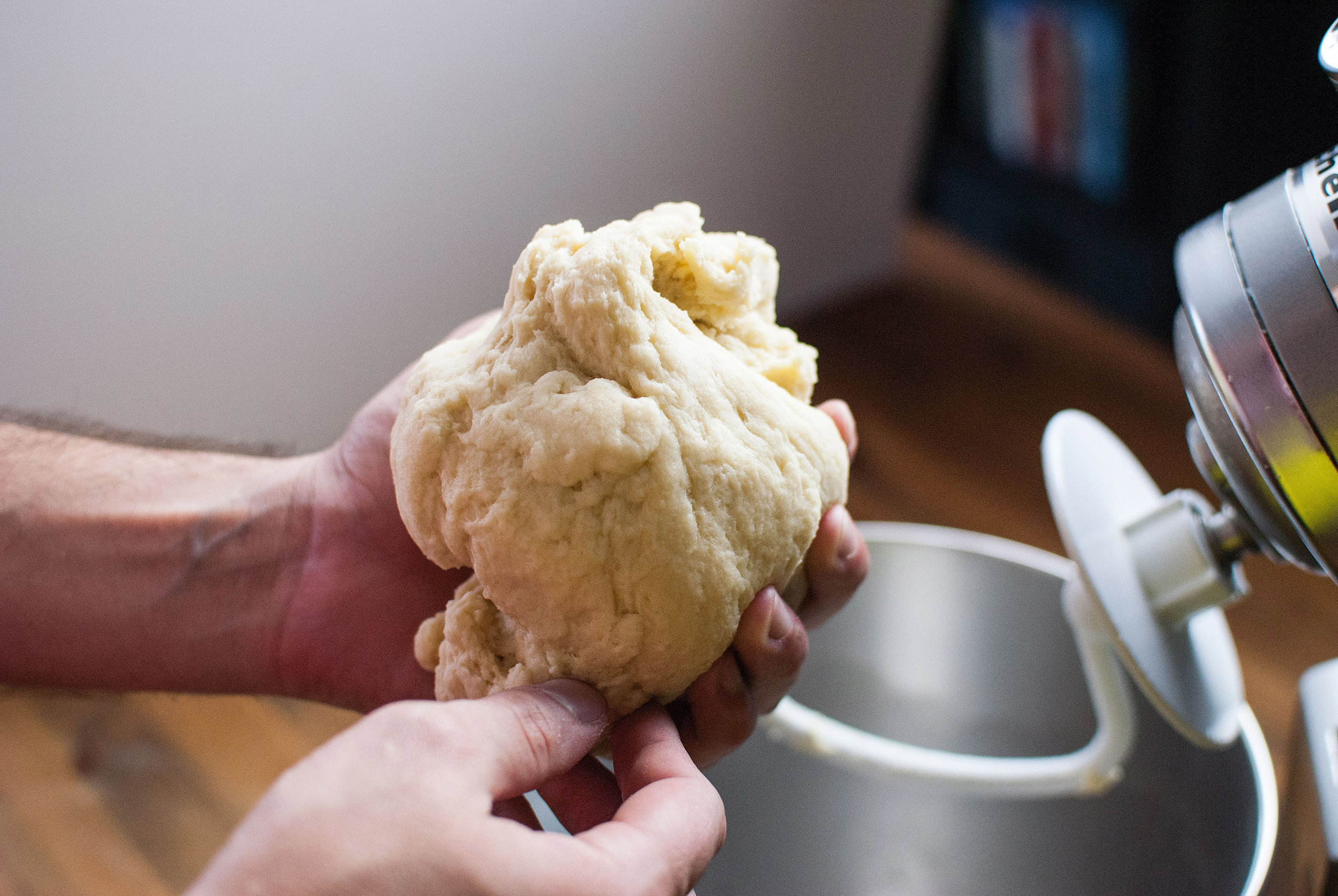
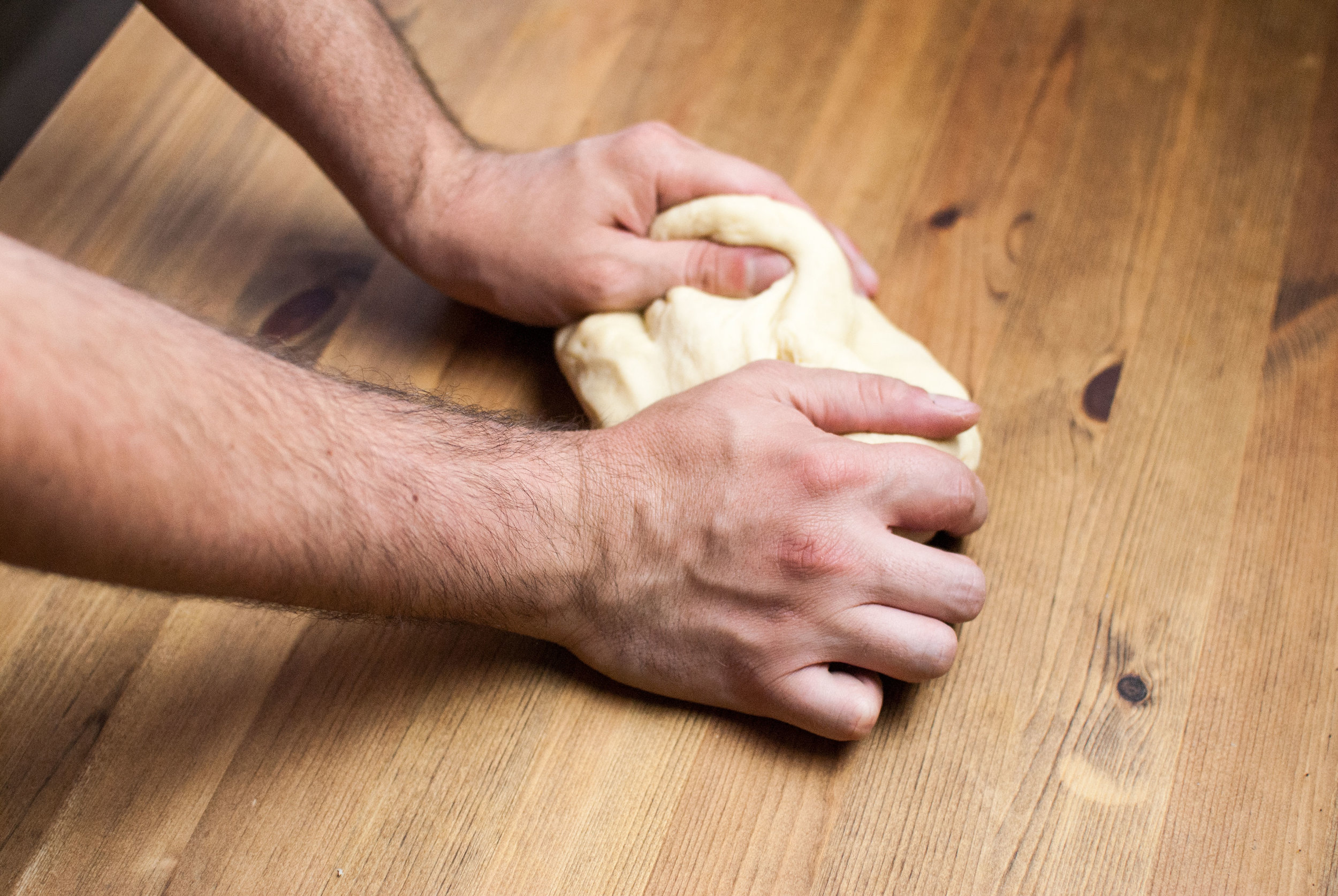
    Mix the mashed potato, egg, olive oil, and salt until thoroughly combined. Add the flour all at once and mix (your hands are the best tool for this if you don’t have a mixer) until all the flour is integrated. Continue to knead the dough until it becomes firmer and pulls away from the sides of the bowl.  The dough should be smooth, not unlike bread dough but much less springy. If you’re using a mixer, you’ll need to use the paddle at first to blend the flour into the wet ingredients, then switch to the dough hook once the it all begins to come together. Knead it for a minute or two until it becomes a tight dough. Let the dough rest at room temperature for about 30 minutes in a bowl with a cloth over it before proceeding to shaping.

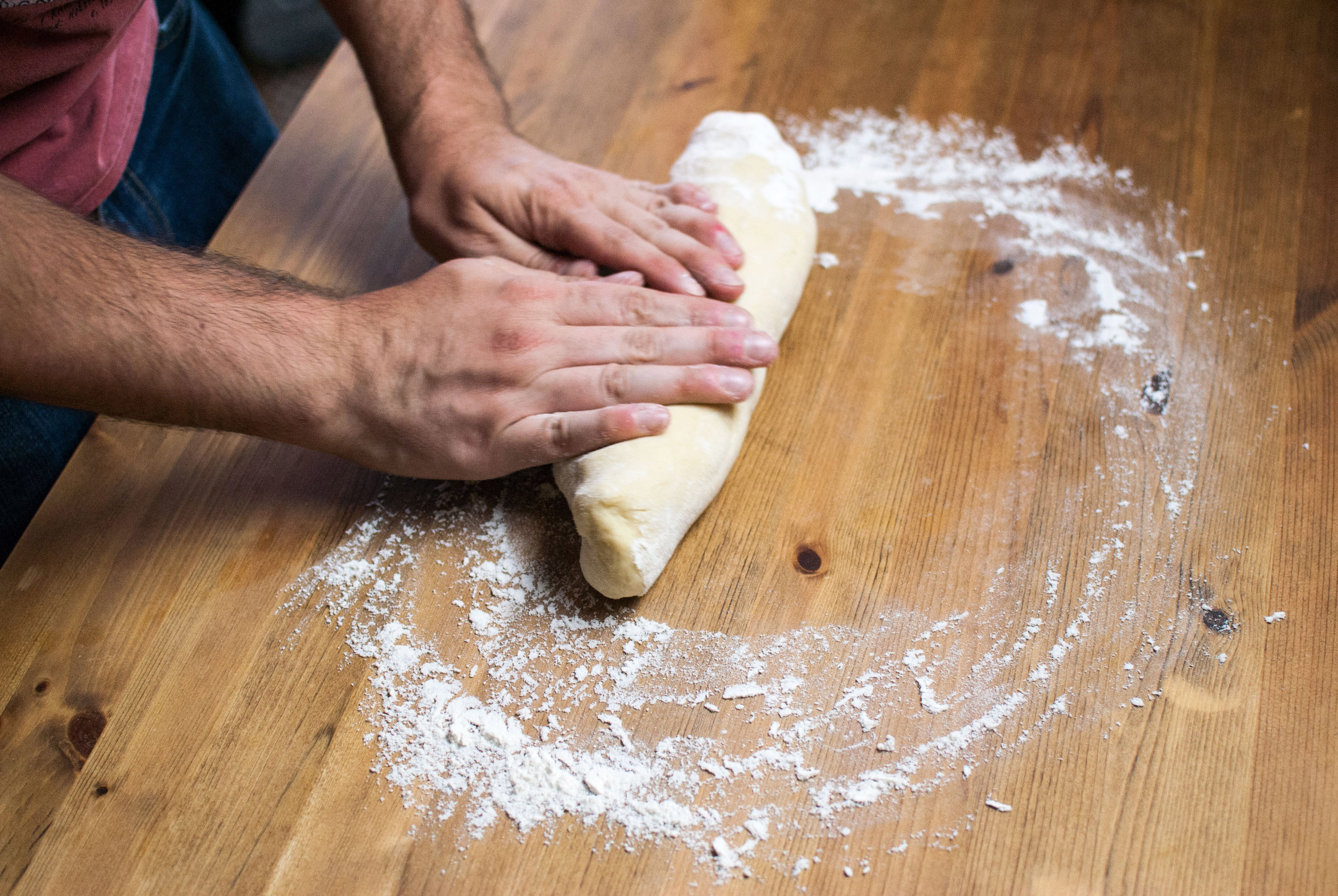
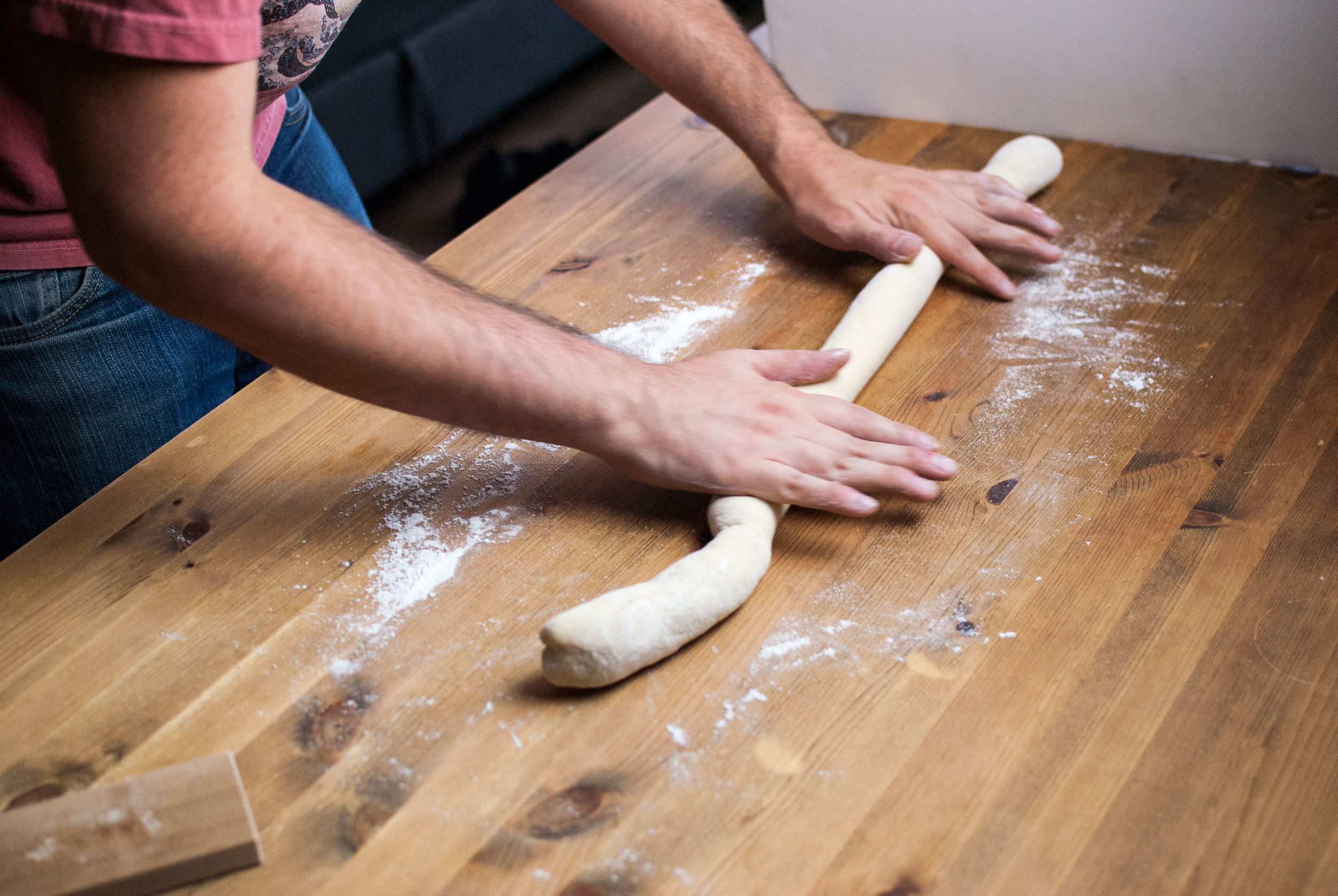
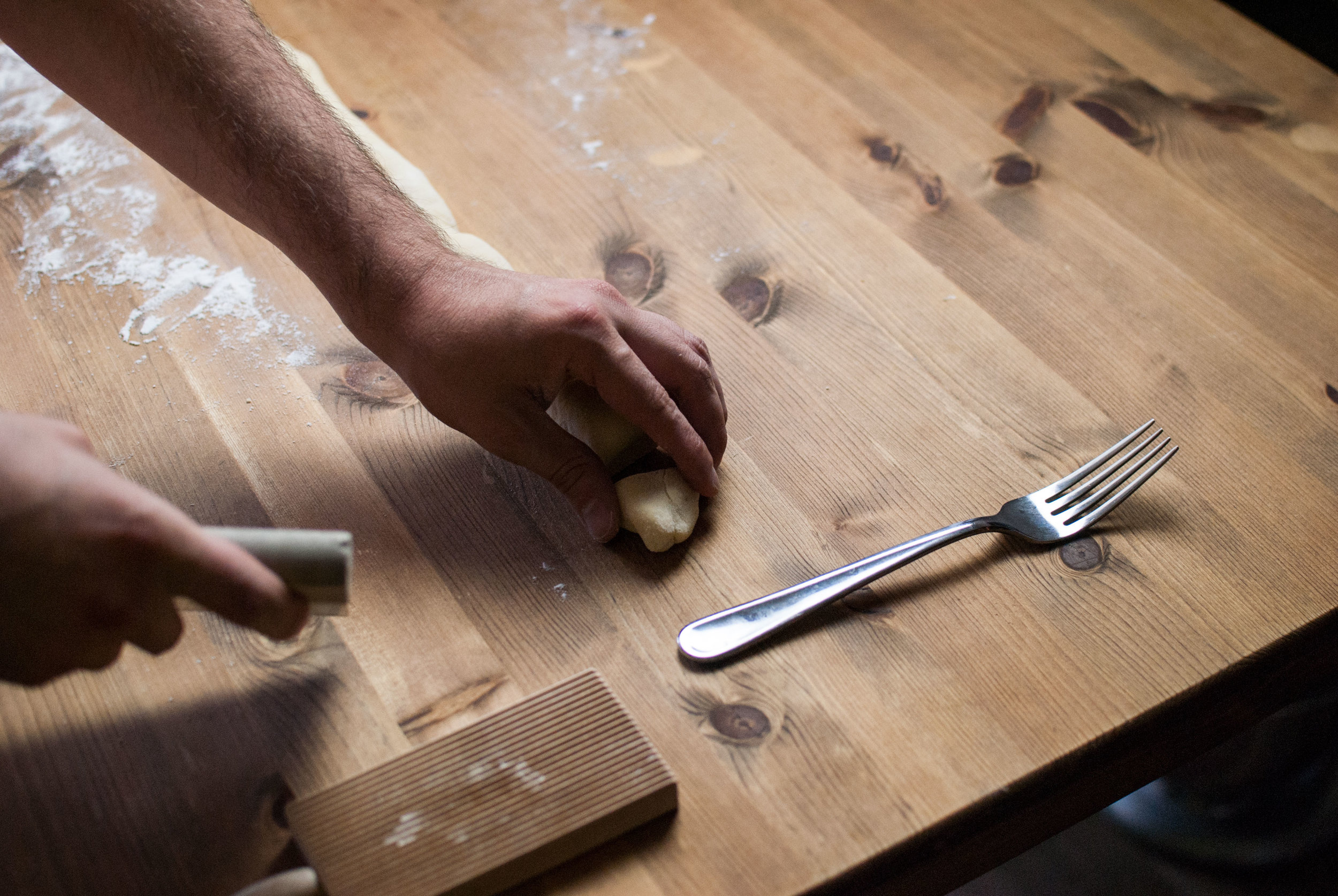
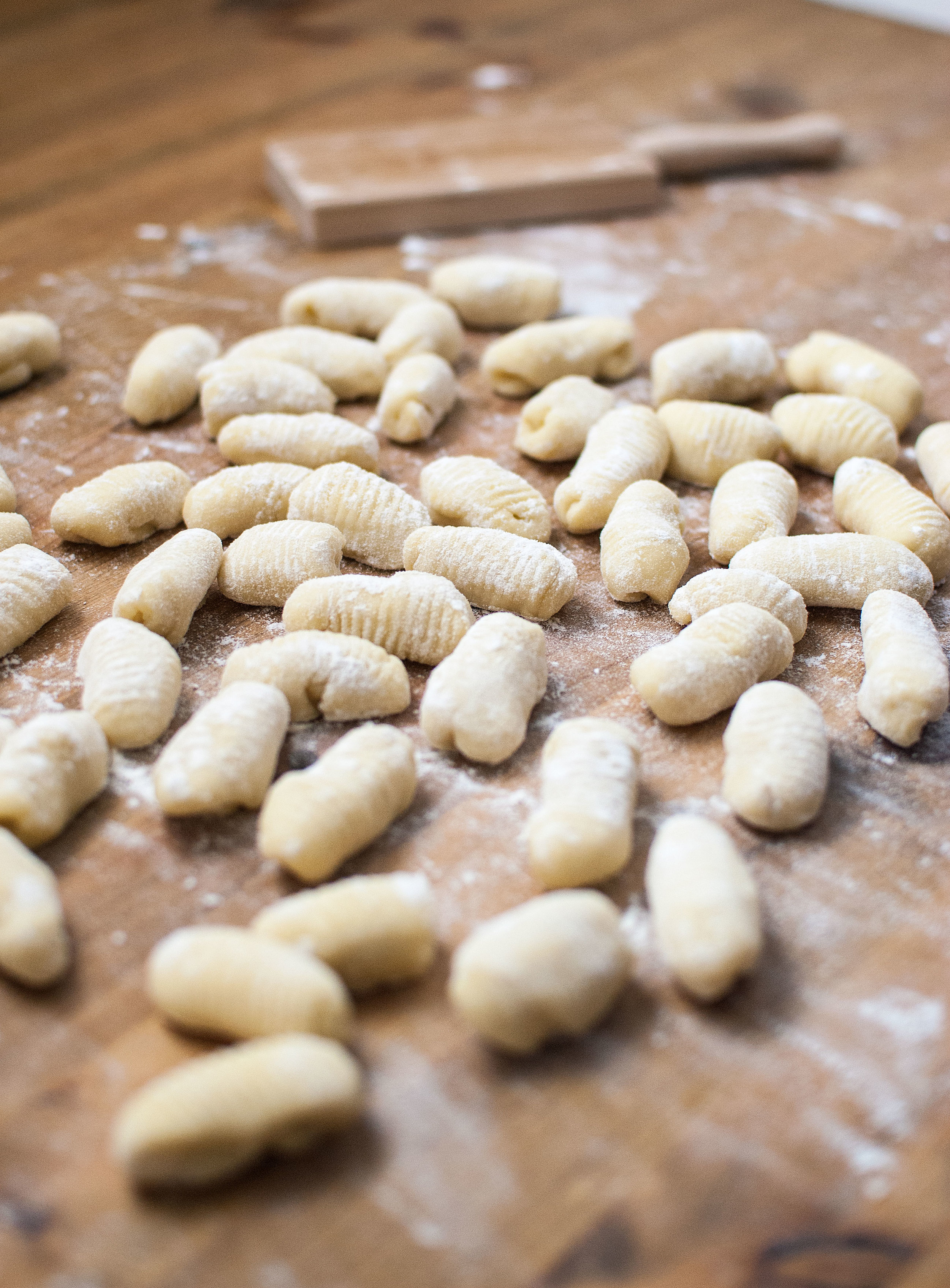
    Transfer the rested dough to a lightly floured table or counter and begin to roll it into a long snake-like shape; it should be a little less than an inch in circumference when you’re finished. The dough will be quite tough and glutinous, so I’ve found that letting gravity stretch it a bit by pulling it and letting it hang in the air (as well as giving a few good thwacks on the table) works quite well to elongate it. Once you’ve got it rolled, take a knife or dough cutter and cut the dough into little nubs. The ideal size of a single gnocch for us is about the size of your thumb pad, so when you’re done, your table might look like it’s covered in a bunch of little floury thumbs (not to be grotesque, but hey, it’s an image you won’t forget).

    Your gnocchi are ready. They’re good to boil in the moment, or just place them on a sheet tray lined with baking parchment and freeze them for later. They keep for…well, we don’t actually know how long they really keep for; we’ve never let them sit around for too long. Oh, well…

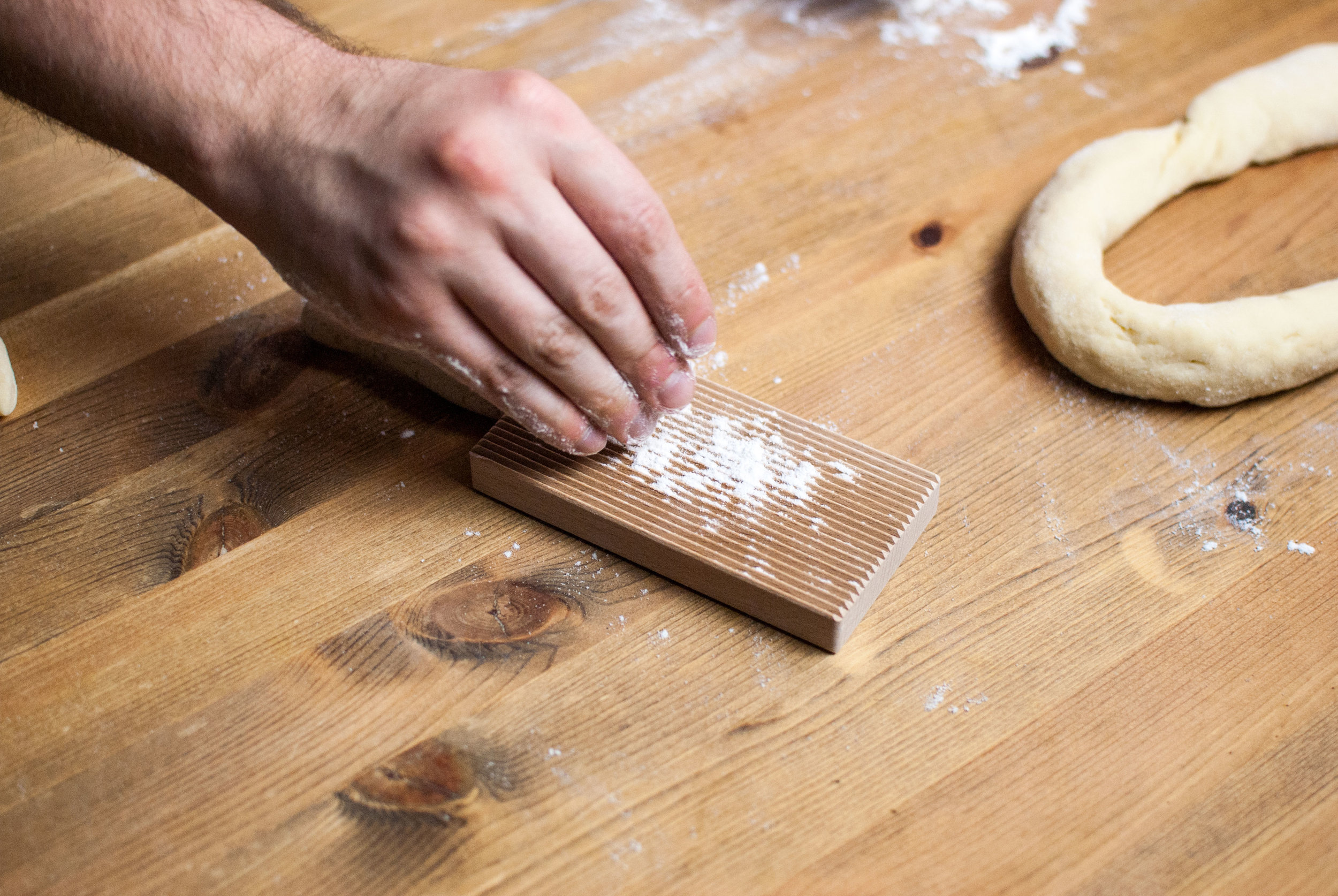
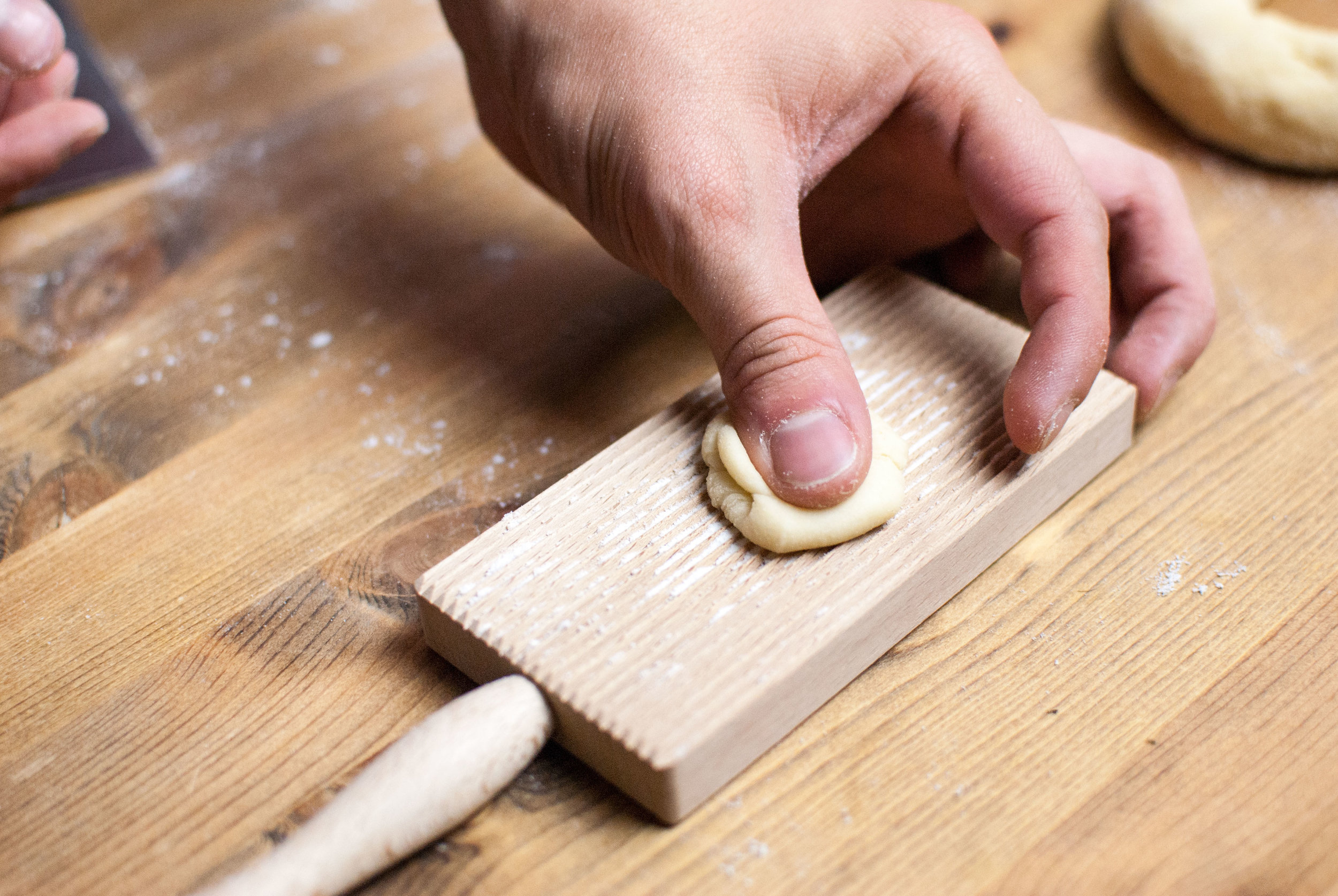
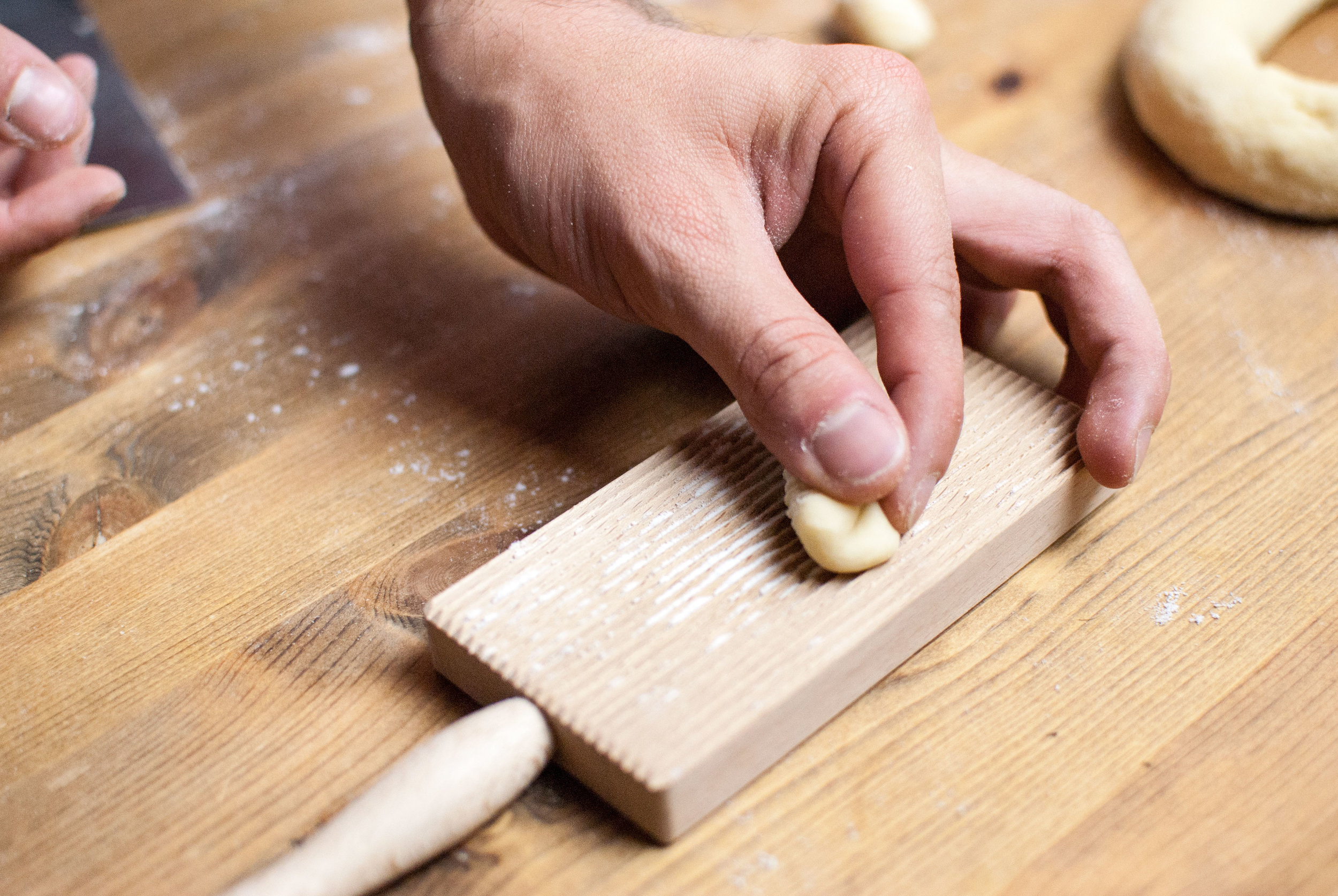
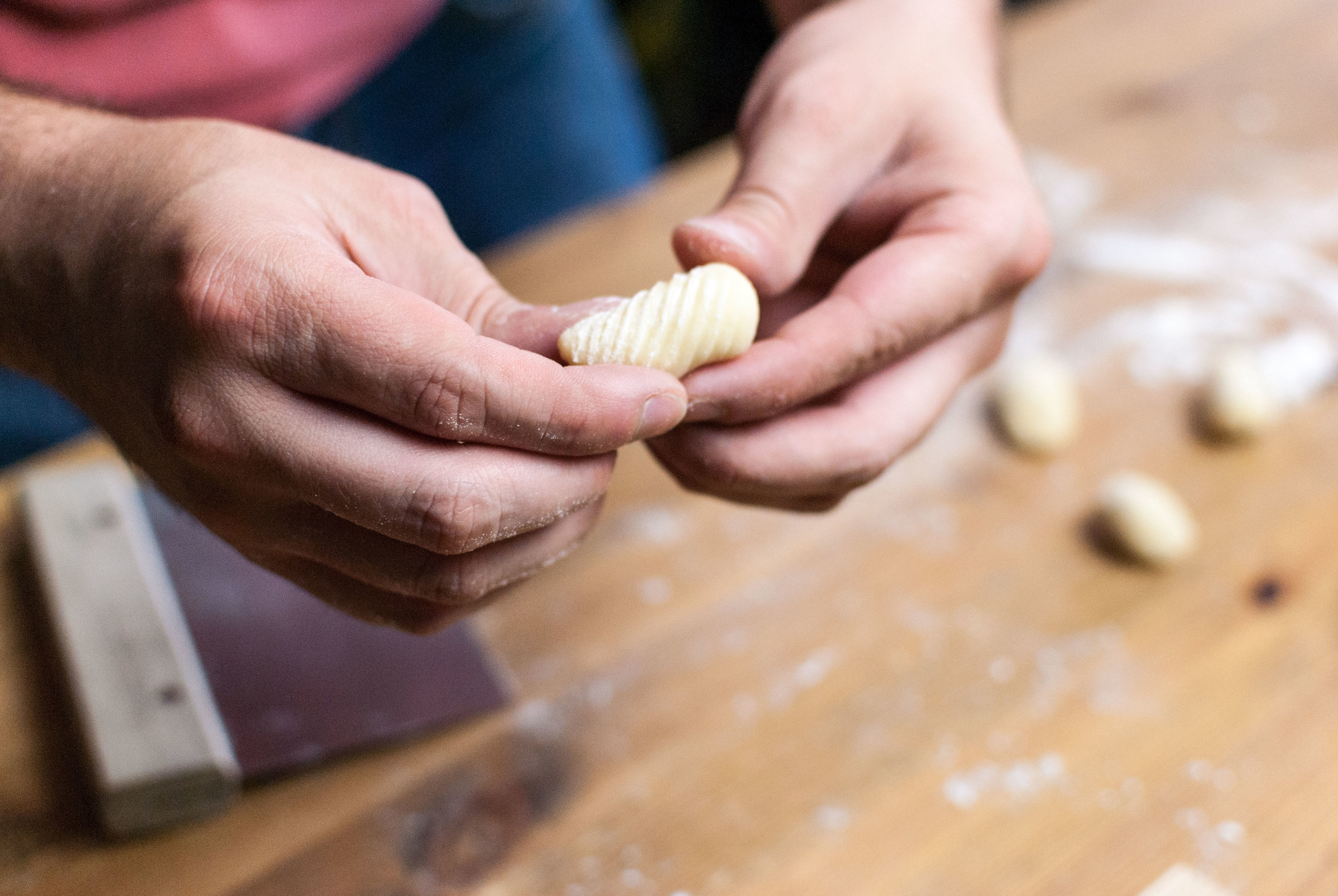
    Optional: After cutting the dough, you’re welcome to press your little gnocs onto a gnocchi board to get their groove on. Simply take a gnocch and press it with your thumb onto a floured board, almost like a thumb print cookie, then remove it and fold it into itself so it returns it’s round shape once again with the grooves facing outward (duh). I’ll admit, it’s a bit of a tedious process, but they do look lovely when they’re finished and they really do hold more sauce. I’d recommend this method if you’re tossing them in a tomato sauce.


    gnocchi_dough_19.jpg

    Yields about 65-70 gnocchi, roughly 4 servings.

  • Smoky Baba Ghanouj


    The baba ghanouj recipe is a little nod to the only Middle Eastern restaurant from my Oregonian hometown of Coos Bay/North Bend, simply named Cafe Mediterranean. My family is reasonably certain that when they first opened that we generated a venerable chunk of their revenue. Back in the early 2000’s, living in such a small town, we hadn’t really ever been exposed to food like that before, and it was such a welcome influence that it sent us on a mezze kick in our own kitchen that lasted for years. They had a strong menu, but for us, the star of the show was their baba ghanouj. One day, we asked for the recipe, and they graciously revealed the secret ingredient that made it so addictive: a little kiss of liquid smoke. It ties everything together so nicely, opening up a larger dialogue between the eggplant and the garlic.

    Since then, we’ve tweaked it to make it our own, for instance, roasting the eggplant longer for a deeper flavor and adding a lot more garlic. We also boost the smoky flavor by garnishing the dish with a little dusting of smoked paprika.


    Smoky Baba Ghanouj:

    • 1 large eggplant, halved
    • ¼ cup tahini
    • 4–5 cloves garlic, crushed
    • 1 teaspoon ground cumin
    • Juice of 1 lemon
    • A drop of liquid smoke
    • Salt to taste
    • Olive oil for garnish
    • Smoked paprika for garnish


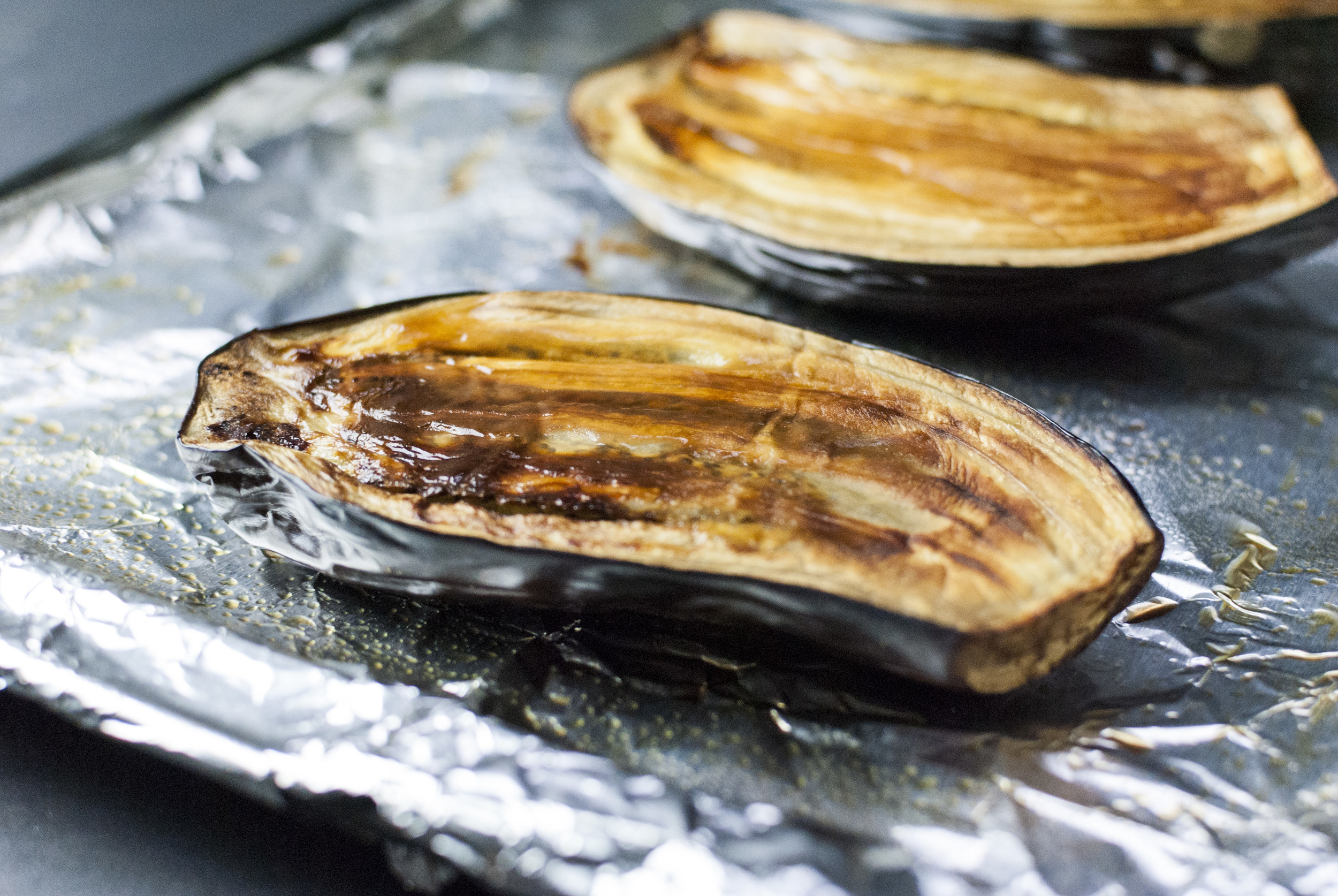
    Preheat oven to 350°F. Cover a baking sheet in aluminum foil then lightly oil the surface. Roast the eggplant on the baking sheet skin side up for about 2 hours or until the flesh of the eggplant is very tender.

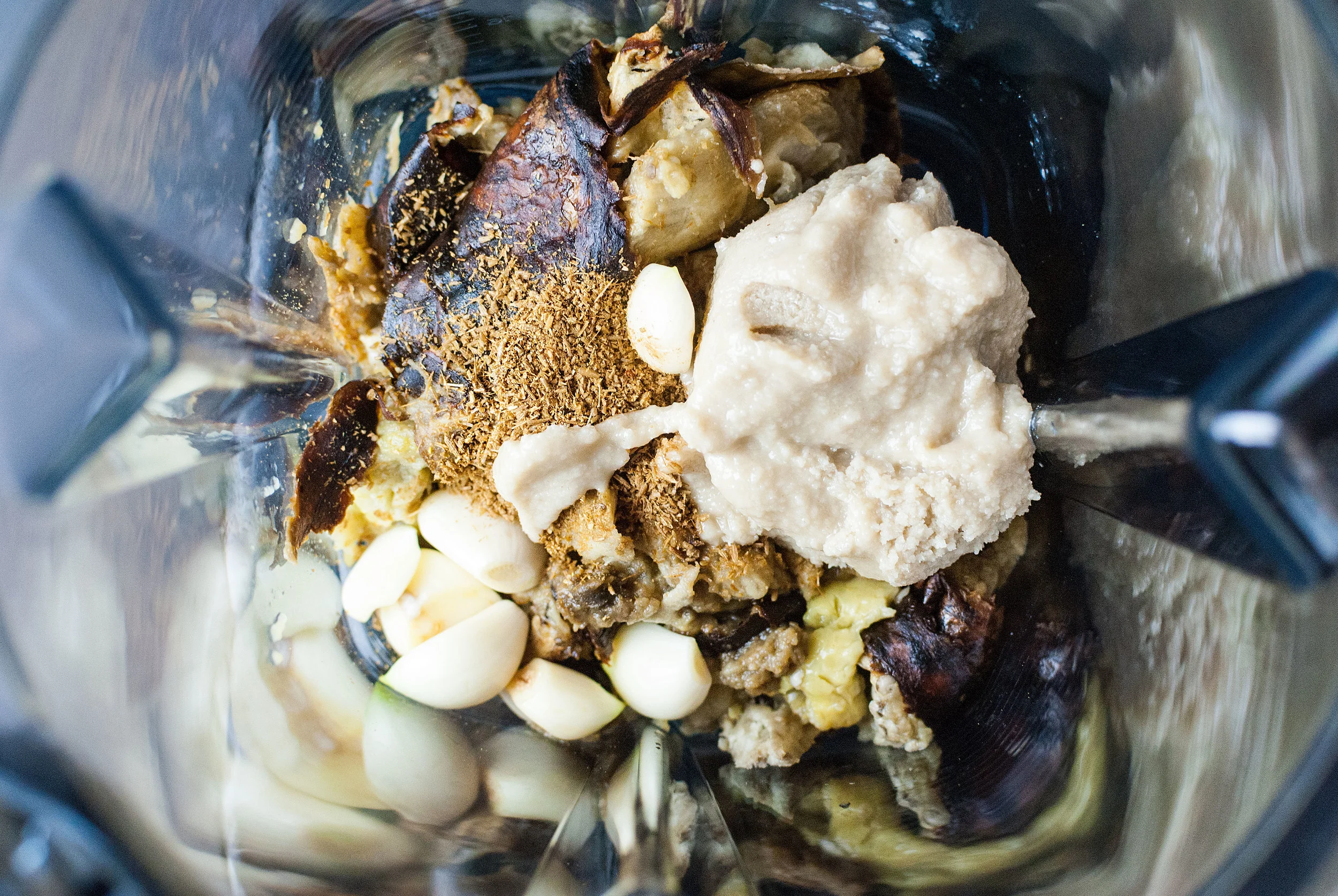
    When the eggplant is cool enough to handle with your hands, scoop the flesh out of the skins and place into a food processor with the tahini, garlic, cumin, lemon juice, and liquid smoke. Pulse at first, breaking everything up into more manageable sizes for the blades, then blend steadily until completely smooth. Taste test and add salt to your liking. When finished, place the baba ghanouj into a serving dish and drizzle with a little bit of olive oil and a light dusting of smoked paprika.


  • Chicken Shawarma Dinner


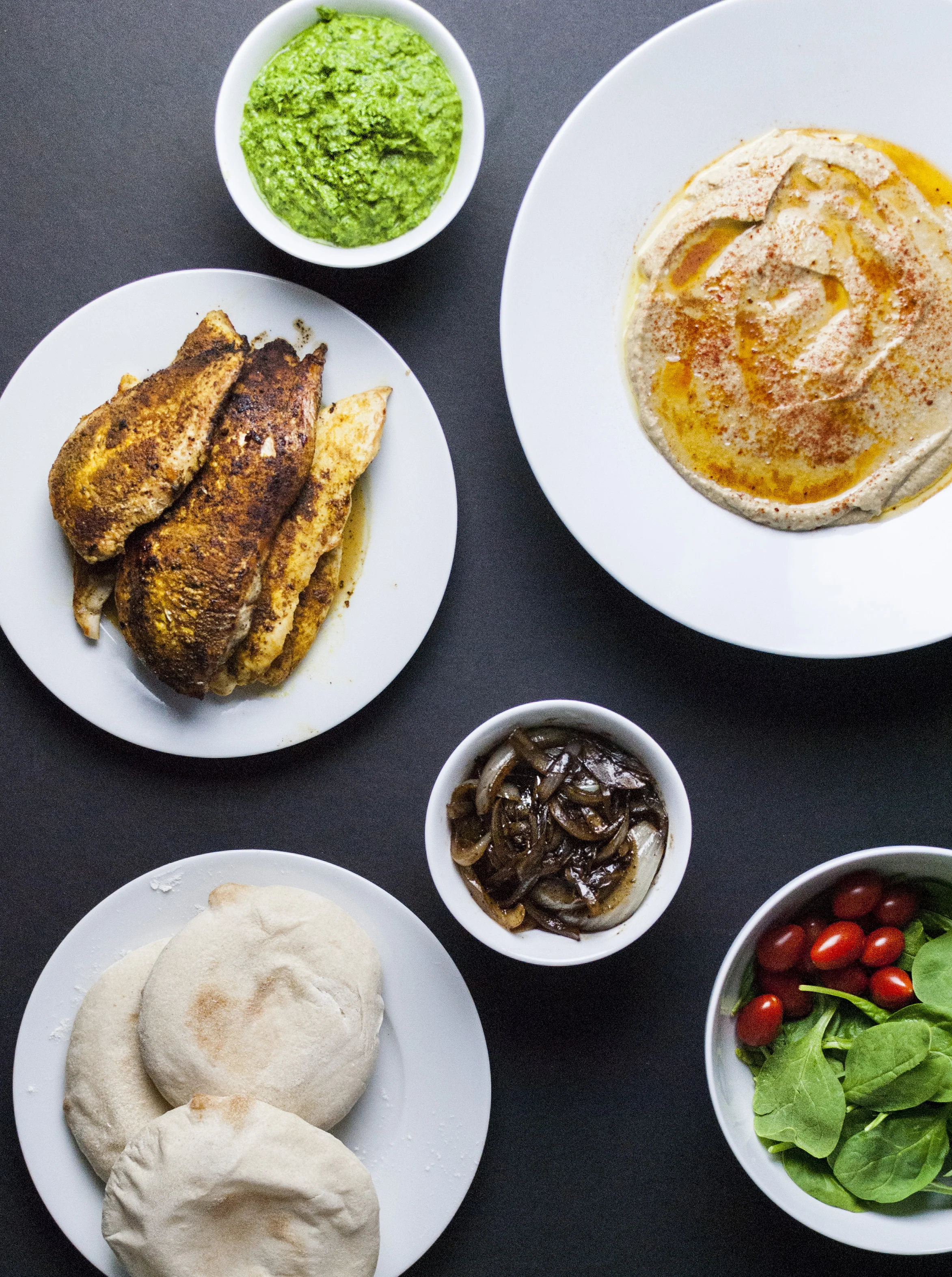
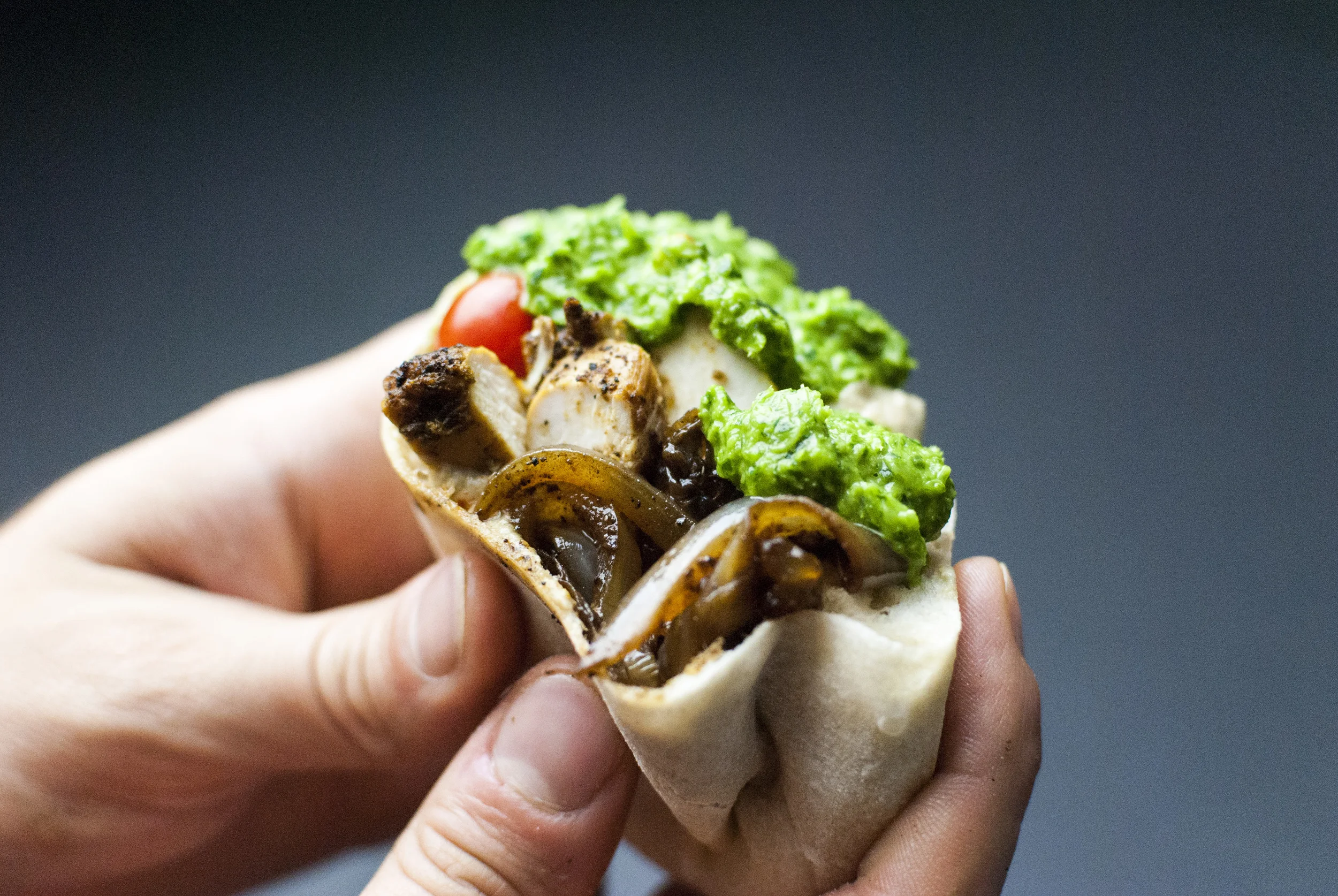
    First and foremost, this is a multi-recipe post! Nothing here is too complicated, and when you make (and eat) all these things together, the result is immensely satisfying; it’s a favorite weeknight—yes, weeknight—spread for us. This is a dinner that really exemplifies some of our favorite flavors: bold spices, fresh herbs, and obscene amounts of garlic. While we understand that this recipe might not be exactly authentic (it isn’t), we can promise that it’s completely delicious. The styles of shawarma, after all, are completely dependent on what’s around and what’s good, and we used what was in our pantry. We can also promise that this is one of the easiest and quickest smorgasbords you can make to impress a small crowd. It makes a great sit-down meal, but also could promote casual grazing at a party. We’ve tried it both ways: 10/10, would recommend.

    The zhoug was inspired from the Jerusalem cookbook, and has since found its way into many dinners of ours. Call us predictable, but we are suckers for fresh and spicy sauces that brighten things up.

    Parsley and Mint Zhoug:

    • 1 cup of fresh parsley leaves, packed, some stems are okay
    • ½ cup fresh mint leaves, packed
    • 2 cloves of garlic, crushed
    • 2 green chiles, stems removed
      • Note: You can use whatever green chiles might be available to you for this such as jalapeños or serranos. We love using Thai chiles, and for this particular recipe we us 4–5. It all depends to how spicy you want this condiment to be.
    • 1 heaping teaspoon of ground cumin
    • Juice of 1 lemon, seeds removed
    • ¼ cup olive oil
    • Salt to taste

    Combine parsley, mint, garlic, chiles, cumin, and lemon juice in a food processor and pulse the ingredients together, occasionally scraping the sides of the bowl. Once the mixture resembles a thick paste, keep the blade running and pour in the olive oil through the top slowly, creating an emulsion. Season with salt and double check the mixture for smoothness, pulsing occasionally if needed. Serve in a small serving bowl.

    Chicken Shawarma:

    • 1 pound of chicken breasts, trimmed of silver skin
    • Kosher salt
    • Shawarma spice mix:
      • 1 tablespoon ground cumin
      • 2 teaspoons curry powder
      • 1 teaspoon ground coriander
      • 1 teaspoon sumac
      • 1 teaspoon paprika
      • ½ teaspoon ground allspice
      • ¼ teaspoon ground cinnamon
      • ¼ teaspoon ground ginger
    • Oil as needed
    • ½ large sweet onion, thinly sliced into strips

    Rinse the chicken pat dry with a paper towel. Fillet meat into pieces with even thicknesses; about an inch. Cover one side of the meat liberally in salt and spices and set aside.

    Bring a pan to medium high heat with half a tablespoon of oil or so and place the chicken in the pan. As the meat cooks, salt and cover the other side with salt and spices. Cook until the chicken starts to whiten up the sides, then flip to finish cooking. Test the chicken for doneness (160-165°F) then remove from the pan to rest for 10 minutes before serving. While the chicken rests, add the onions to the pan and a little bit of water to help the drippings from the pan release. Cook onions until they become soft, translucent, and have sopped up all the drippings. Remove from the pan and serve.

    Serve with pita, hummus, baba ghanouj, and, if you can swing it, throw together a two second Greek salad.

    Serves 4.


  • Smashed Raspberry Grilled Cheese


    Our challenge of savory seasonal eating continues!

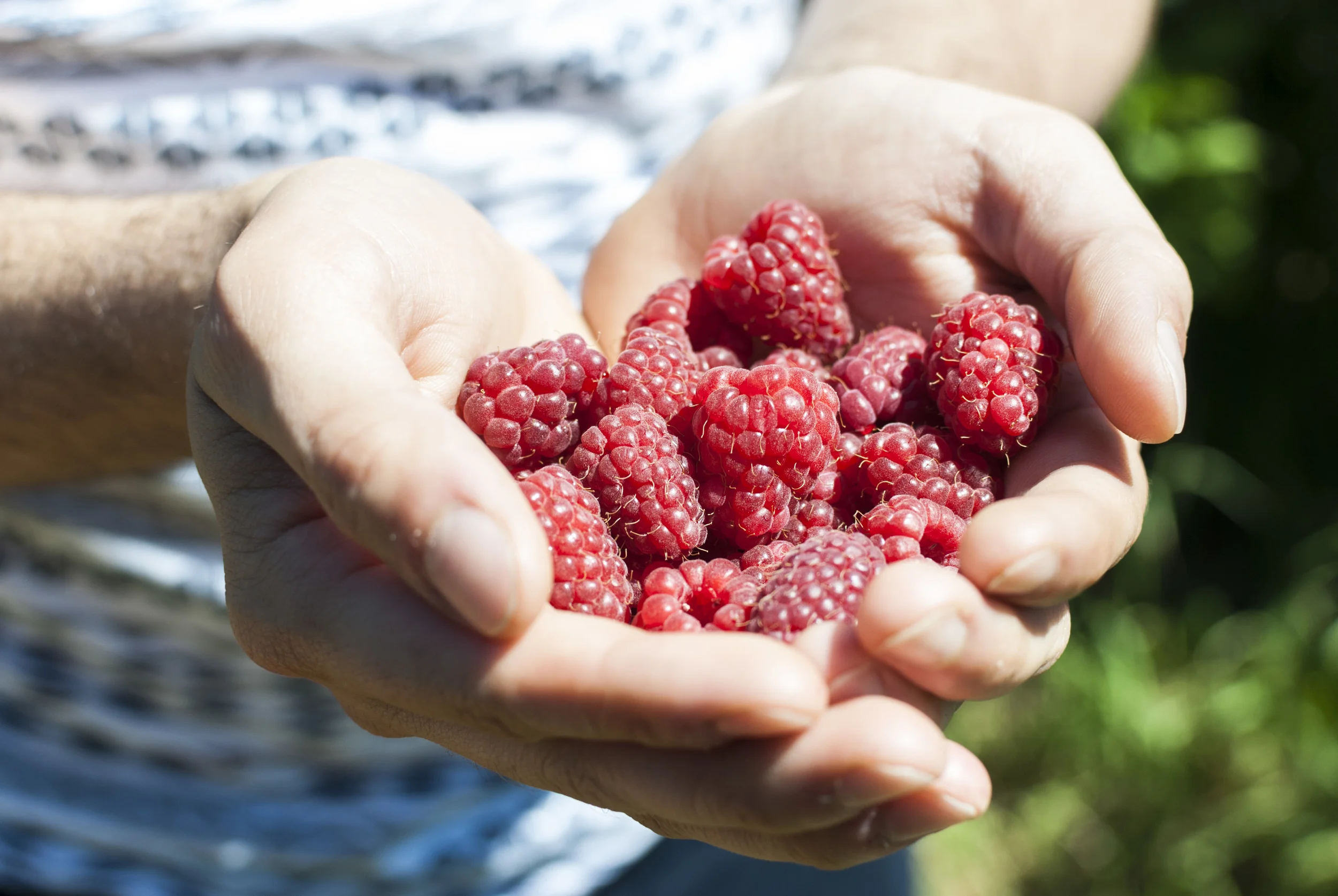
    Raspberry season is upon us, and we quickly discovered through our research process that there’s not a whole lot of savory raspberry recipes out there, which we found simultaneously disappointing and alluring. We found plenty of jams, jellies, cookies, pavlovas (Christ, so many pavlovas) and cakes, but no one seemed interested in figuring out how raspberries could make their way out of the realm of dessert.

    But if there’s a way to make something savory, we will find it. As usual, the key was cheese.

    Grilled cheese sandwiches are essentially a step below pizza ingredient-wise, so they’re near the top of the favorite food list for us. Few things can compare to crisp and thickly sliced rustic bread (Nate makes the best) with melted cheese. However, there is one thing that these sandwiches usually lack to create what is more commonly accepted as a “complete taste” on its own, and that’s acid. That’s why you see grilled cheese and tomato soup paired together all over the place.

    So we thought…why not switch up the acid?


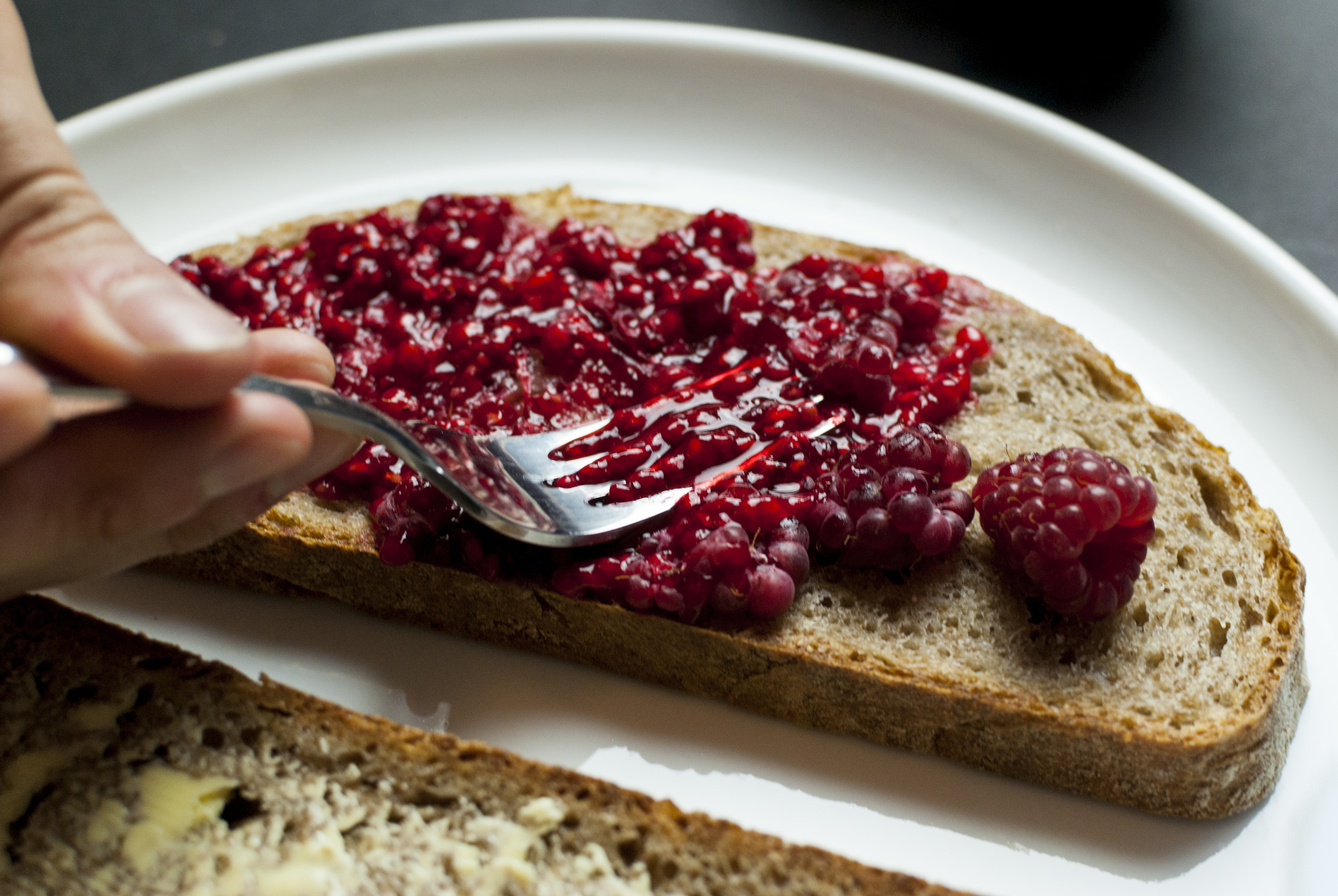
    Berries and cheese go way back, so we weren’t too scared about them intermingling. Our acidic subject? Fresh raspberries. Our cheese? We eventually decided to go with a blend of chèvre for flavor and Jarlsberg for texture. So we smashed some raspberries we got from Sauvie Island Farms after a lovely day of berry picking onto some of Nate’s homemade 50% whole wheat sourdough bread and got cooking.

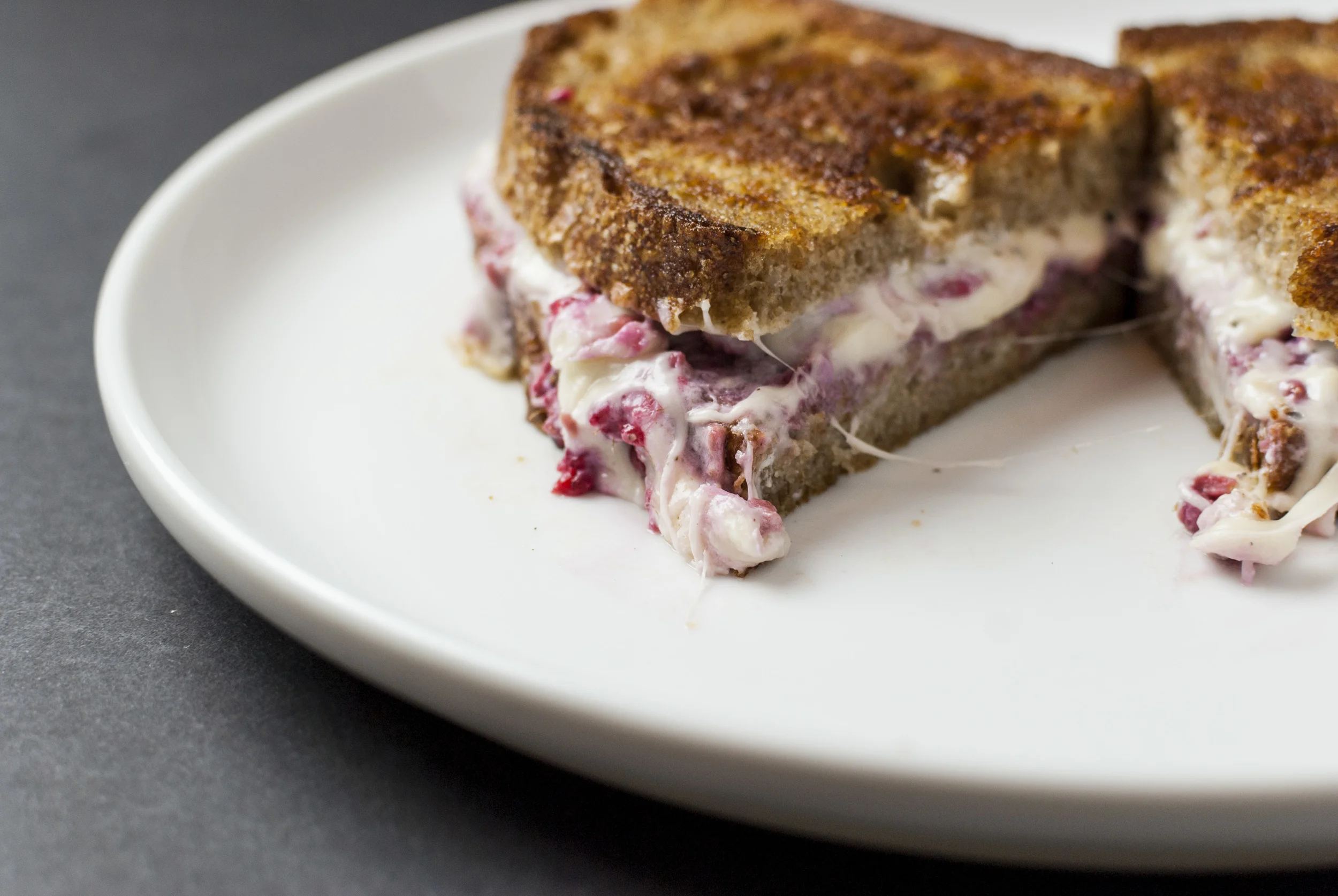
    The results? Crunchy, fluffy, creamy, gooey, and tart. It was everything we hoped it would be and more. If you have any fruit laying around, especially incredibly fresh fruit, we wholeheartedly recommend you put your thinking cap on and find a cheese that’ll pair well with it, then immediately stuff it in a grilled cheese sandwich. You will not be disappointed. Sometimes it really is the simplest things that taste the best.

    Smashed Raspberry Grilled Cheese Sandwich:

    Makes 1.

    • 2 thick slices of good rustic bread (whole wheat sourdough was magical with this, but if you wanna try something else, it’ll still turn out awesome)
    • About 1 tablespoon of butter, room temperature
    • 8–10 ripe raspberries (enough to cover the surface of one piece of bread)
    • 2 ounces of Jarlsberg cheese, grated
    • 1 ounce chèvre, room temperature
    • A dash of freshly ground black pepper

    In a small bowl, mix the grated Jarlsberg and chèvre together along with the fresh black pepper. Set aside.

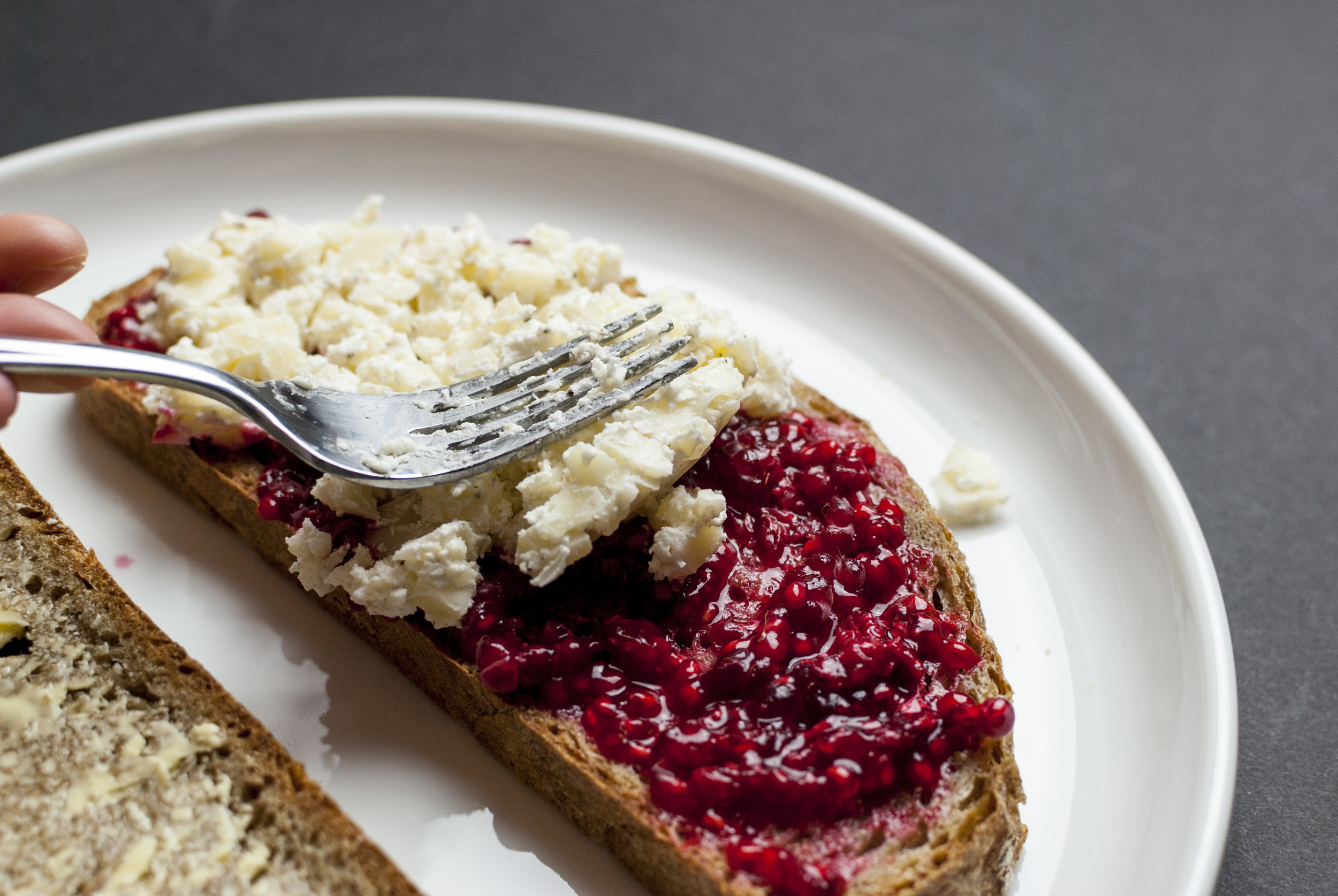
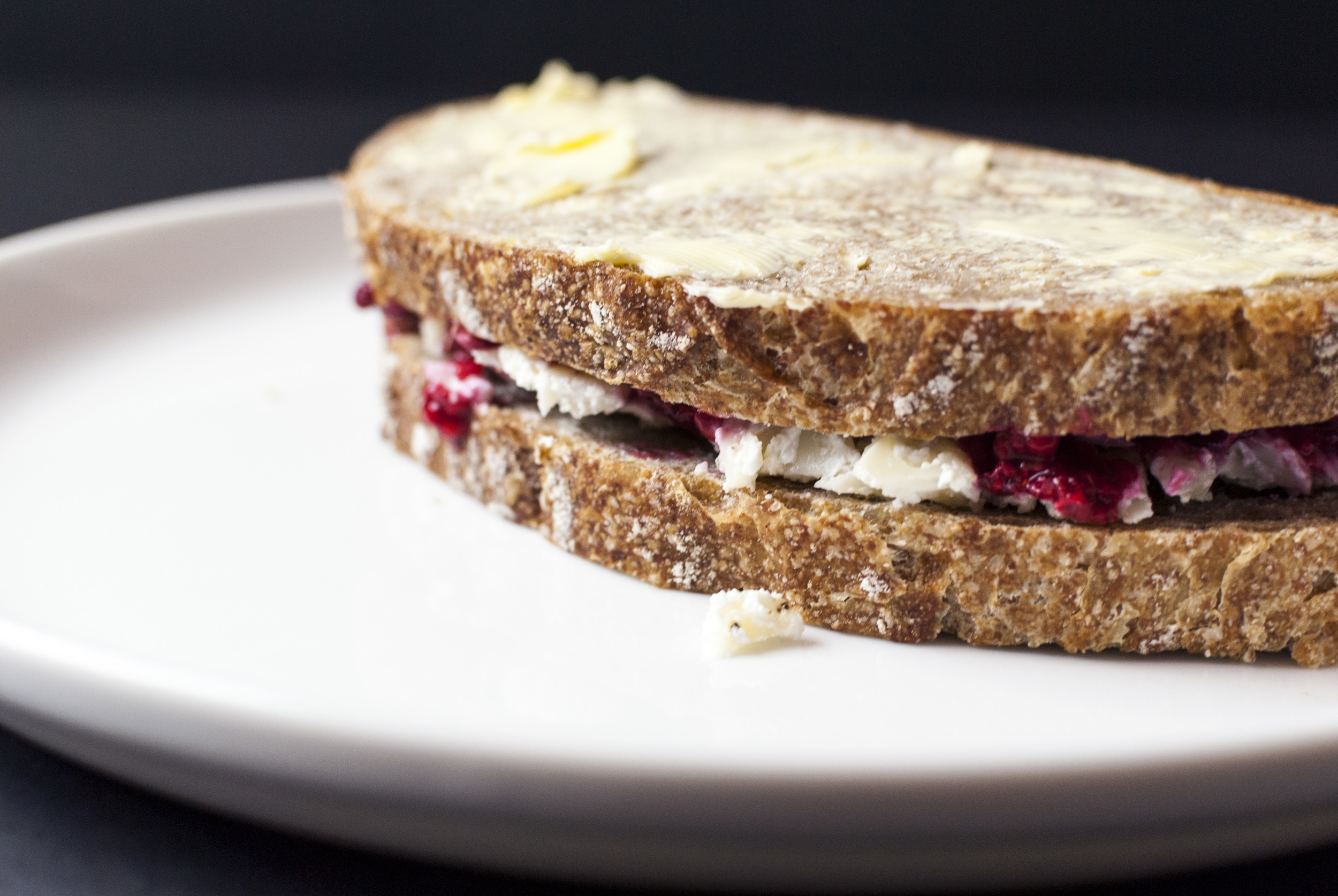
    Butter both pieces of bread on one side using ½ a tablespoon of butter each. On the unbuttered side of one of your pieces of bread, lay out your raspberries and smash them with a fork, moving the juices around until the entire surface of the bread is covered. Spoon the cheese mixture on top of the smashed raspberries and spread it until the cheese covers the surface of the bread. Put the other piece of bread on top, buttered side up.

    Preheat a non-stick pan on medium heat and put the sandwich in the pan. Allow each side to cook for roughly four minutes, adjusting heat as needed to cook the sandwich through, or until each side of the bread is golden brown and the cheese is melted. To help the melting process along, you can put a lid on the pan, keeping the heat trapped in, though you should limit this because you will lose that deep crispness with too much steam.

    Allow sandwich to cool, then go to town.


  • Braised Pork in Lazy Cherry Ancho Mole


    I’m going to be completely honest here; I’m not the biggest fan of cherries.

    It’s not that I have anything against them, they’re just not really my steeze. But this blog is supposed to be a challenge, and that means transforming whatever is in season, whether I like it or not, into something unique and delicious.


    Doing research for cherry flavor profiles ended up giving us the key for what we would do with them. While cherries aren’t toward the top of my list, there are a multitude of flavors that I do love that have an affinity for them: chocolate, nuts, coffee, dried fruit or chiles, vanilla, and other spices like cinnamon to name a few. I had trouble picking a direction until I realized that I didn’t have to, after browsing through a Mark Miller cookbook. There’s already something out there that uses most of these things and that I was certain would welcome the presence of cherries: mole.

    Sometimes containing upwards of 60 ingredients and often demanding an entire day to make, mole is definitely an undertaking. While all the work is certainly worth it, sometimes I’m just not up to it. Sometimes I just feel like being lazy while something braises in the oven for hours while I troll my way through an RPG or a good book. I’ve made so many damn lazy moles in my day, and while they aren’t as complex as they could be, I still find that they hit the spot; plus they’re really fun to make and easy to experiment with. Never under-estimate the amount of joy I can derive from dumping a bunch of shit in a food processor, blending it together, and seeing what happens. I certainly had a lot of fun fooling around with this recipe.


    Lazy Cherry Ancho Mole:

    • 1½  ounces ancho chiles, stems and seeds removed
    • 1 pound of fresh dark cherries (we like Bings), pitted and halved
    • ½ small onion, roughly chopped
    • 1 cup of brewed strong coffee, hot
    • 2 chipotles in adobo sauce
    • ¼ cup whole almonds, toasted
    • 1 ounce chocolate (over 60%, please, none of that milk chocolate nonsense), finely chopped
    • 2 tablespoons apple cider vinegar
    • 2 teaspoons of salt
    • 1 teaspoon cumin
    • ¼ teaspoon of cinnamon
    • ⅛ teaspoon of allspice
    • A pinch of clove
    • A few grates of fresh nutmeg

    Rehydrate the chiles by submerging them in water and microwaving for 2–3 minutes. They should be soft and have changed in color, becoming more red. Remove from the water and set aside. Discard the water.

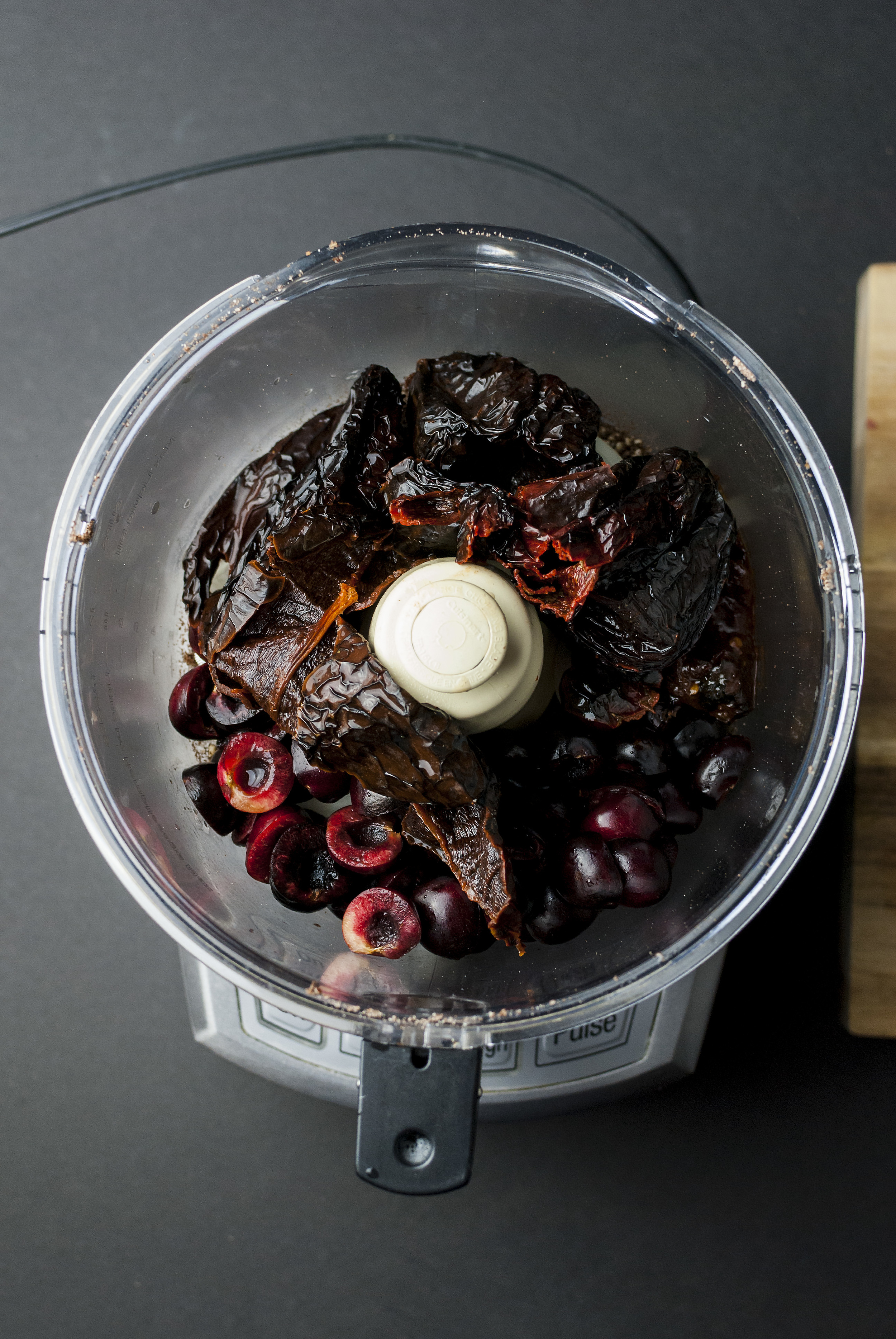
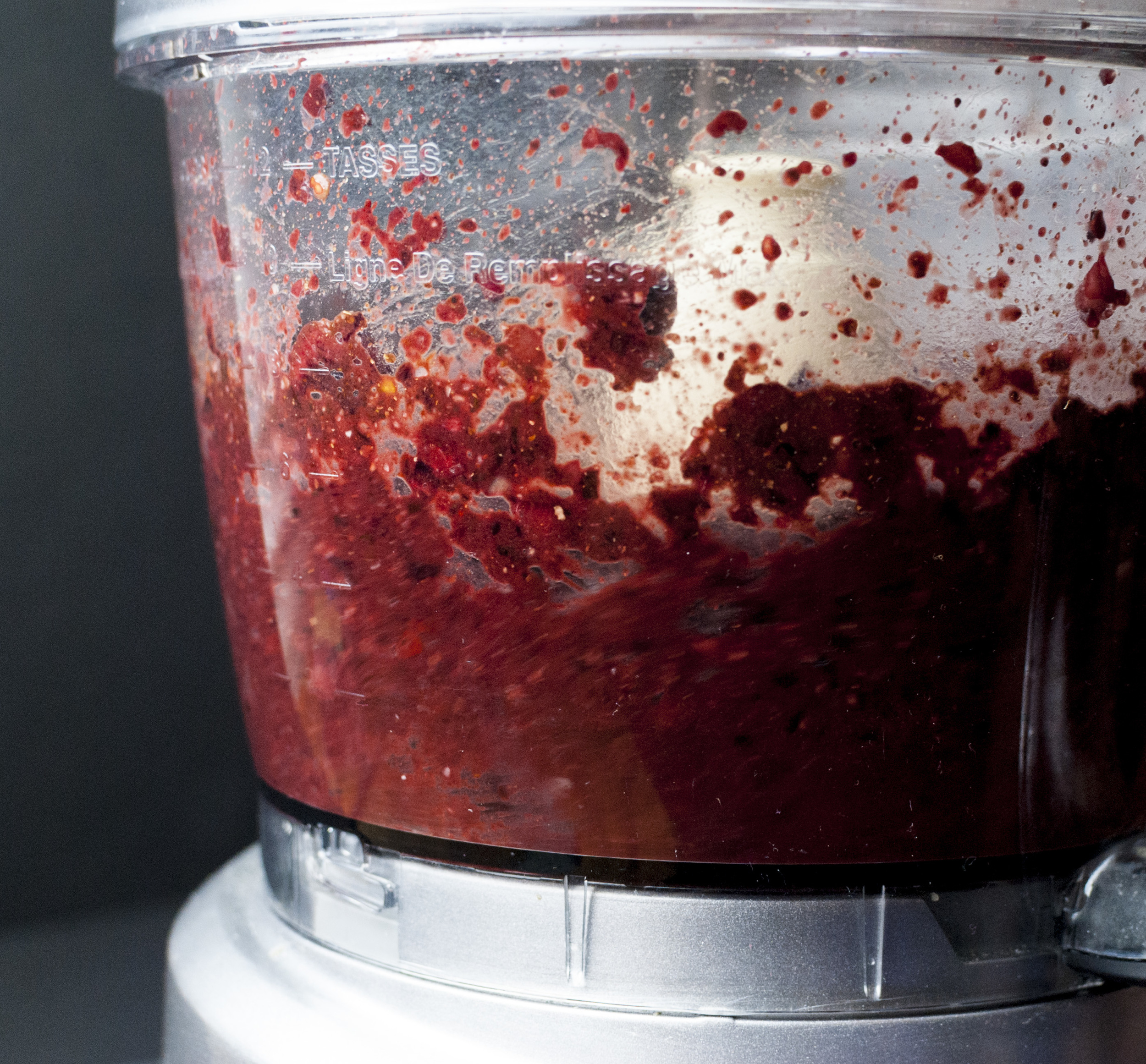
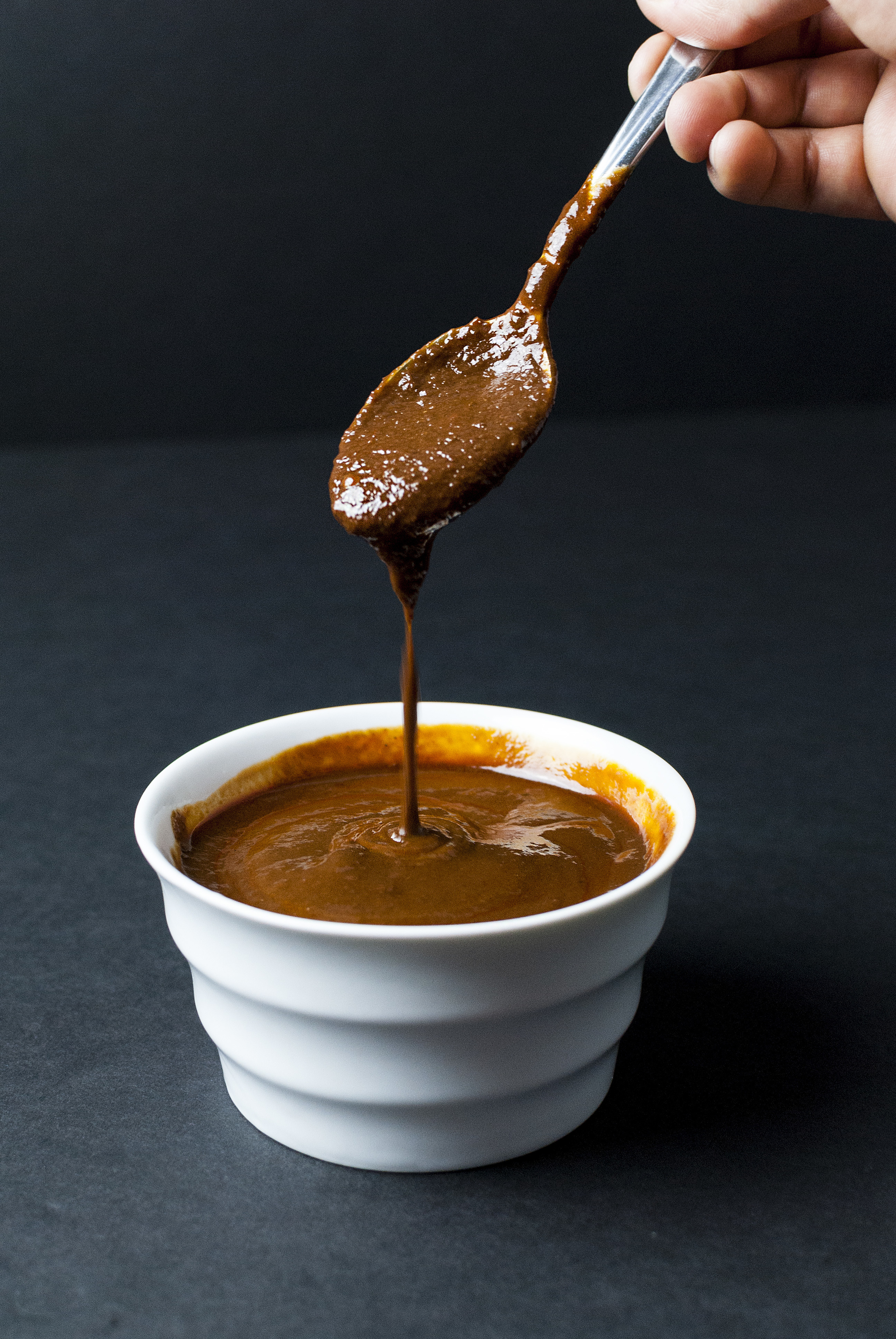
    In a food processor, combine all of the ingredients for the mole except for the coffee and the vinegar. Pulse repeatedly, scraping the sides until the mixture is as smooth as you can get it. Combine the coffee and vinegar together and pour through the top of the food processor while the blade is running. The mole should loosen up and blend until completely smooth. The quick mole is ready to use, but can be stored in an airtight container for up to a week before using.

    Braised Pork in Lazy Cherry Ancho Mole:

    • 4 pounds lean pork shoulder, cut into 2-3 inch cubes
    • 1 batch of Lazy Cherry Ancho Mole

    Preheat oven to 350°F.

    In a casserole dish (or dutch oven), pour in the mole and place the pieces of pork on top. If using a dutch oven, simply place all the pork inside and give it a quick stir. Cover in aluminum foil or lid and braise for about 3 hours or until the meat becomes tender and falls apart. After braising, remove the meat from the mole, allowing it to rest and be shredded later. Remove the excess fat and, if you like, use an immersion blender to make sure the mole has a really smooth texture.

    Shred the meat with forks and serve after cooling with sauce on the side. Accompaniments can include corn tortillas, rice and beans, or just eat it out of the pan over the stove.


  • Strawbanero Sorbet


    Sorbet gets a bad rap.

    “Why would you want to eat that when you could have ice cream?”

    “That‘s gross, no thanks. I’ll take the good stuff.”

    “Aww, I’m sorry that’s all they have for you…”

    Rude.

    I’m going to make something clear here. If you think that sorbet is gross, it’s because all the sorbet you’ve had is garbage. It’s simple as that.

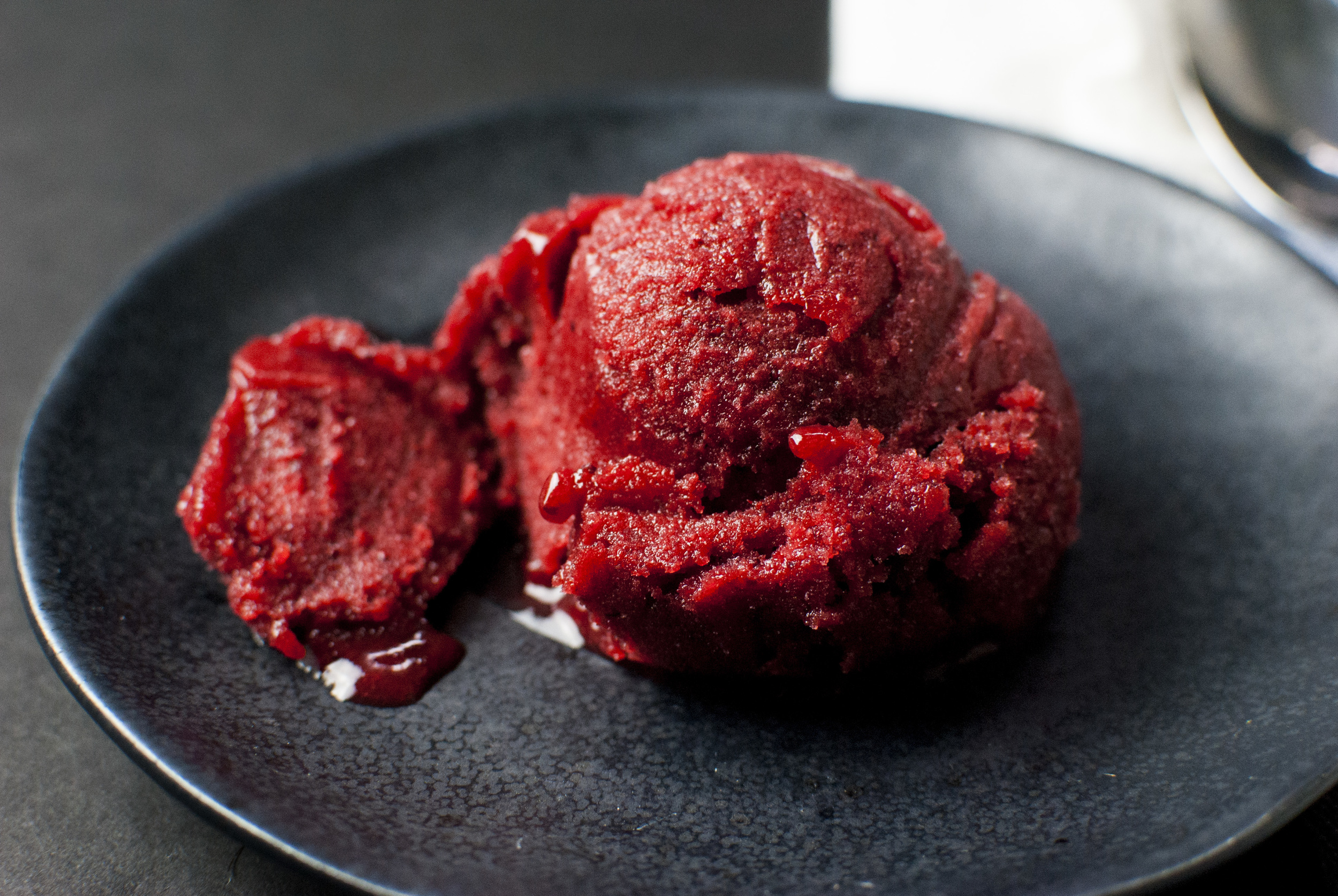
    I can understand the aversion; lots of commercial sorbet can be incredibly icy, resembling more of of a sad popscicle that got crammed into a pint container, but know this: it doesn’t need to be this way. Real sorbet is light and bright, harnessing the pure and unadulterated essence of the fruit it was made with. In a way, it’s like a little time capsule, keeping the fruit at the peak of its ripeness so you can revisit it every time you open your freezer. Good sorbet outshines any alternative no-fat, low-carb, low-sugar, high-protein, “guilt-free” bullshit on the market today. We tried some just to see for ourselves what the fuss was all about (for science!) and let’s say that we won’t be returning to that arena any time soon. Or ever.

    While Nate and I love almost everything about ice cream (eating it, making it, designing it) we understand that it’s a sometimes food. So, in an effort to find a dessert lower in fat that would be a little easier on our bodies and also rid ourselves of the ungodly amount of strawberries we purchased at the farmer’s market this week (they were just so pretty) we came up with this little recipe. Using amazing strawberries make it bright and floral while the habanero lends its own sweetness to the mix along with something a little extra.

    Strawbanero Sorbet:

    • 2 pounds ripe strawberries, tops removed

    • 1 small(!) habanero

    • ¾ cup sugar

    • ¾ cup water

    • ¼ cup light corn syrup or tapioca syrup

    • 2–3 tablespoons lemon juice (to taste)

    Put the sugar and water in a sauce pan over high heat and allow the mixture to boil, dissolving all the sugar in the solution. Once it resembles a syrup, remove from the heat and let it cool to room temperature.


    Spear the habanero on a fork and flame the skin over a gas burner (or with a blow torch) until the entire body of the chile is black. Remove the habanero from the fork and place in a plastic bag for 10 minutes or so, allowing the chile to sweat and its outer skin be very tender. Rub the char off the habanero, then remove the stem and the seeds, discarding them.

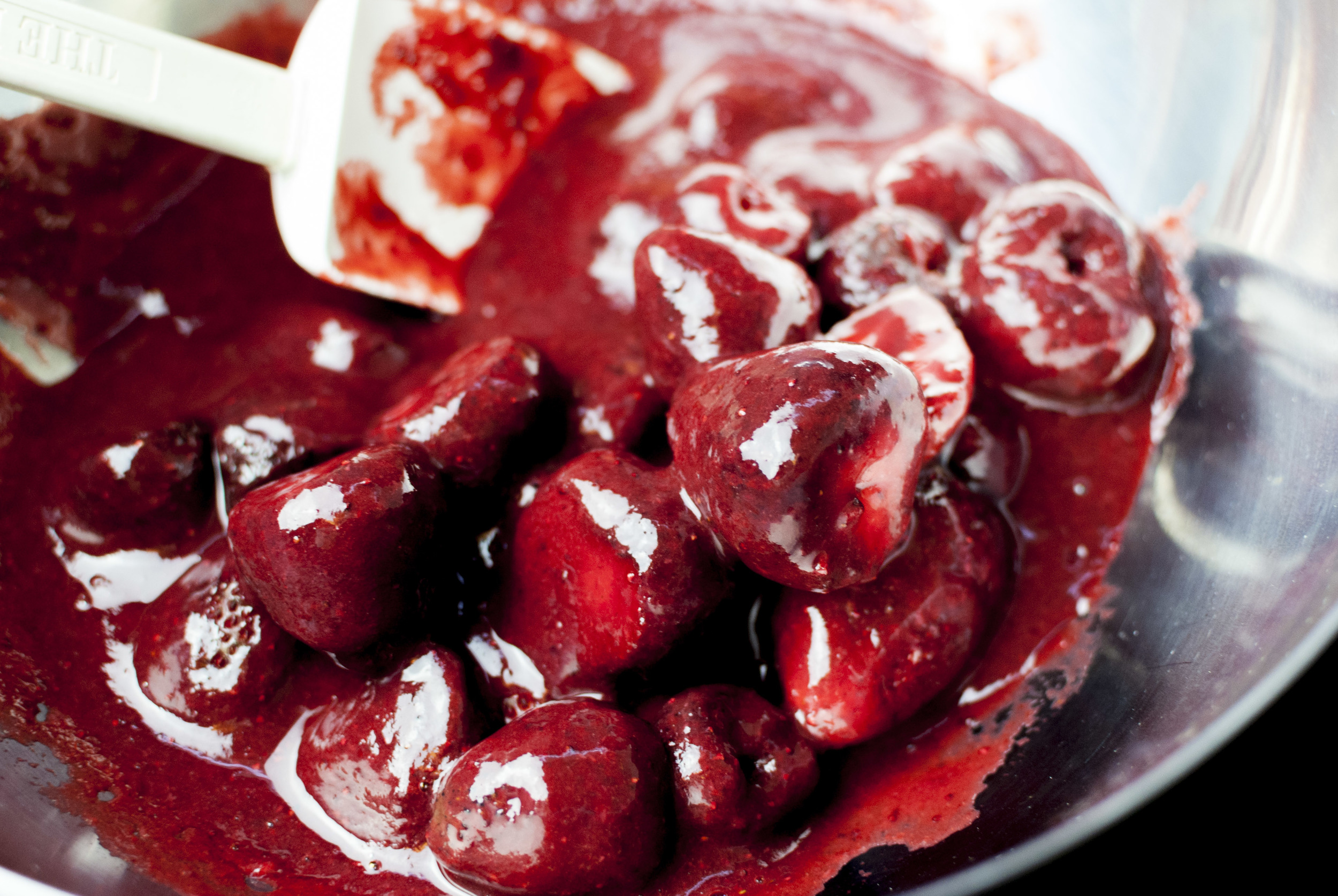
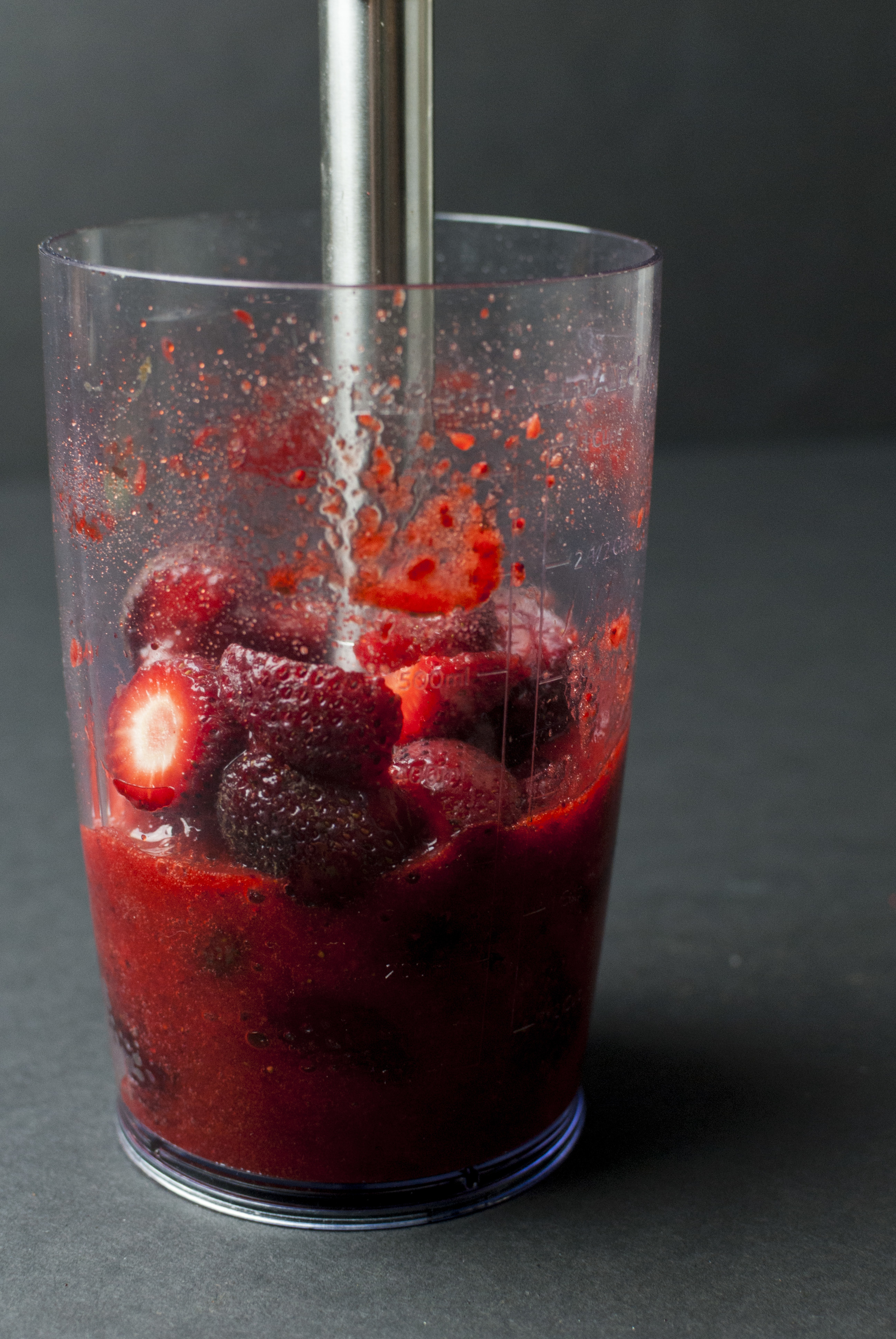
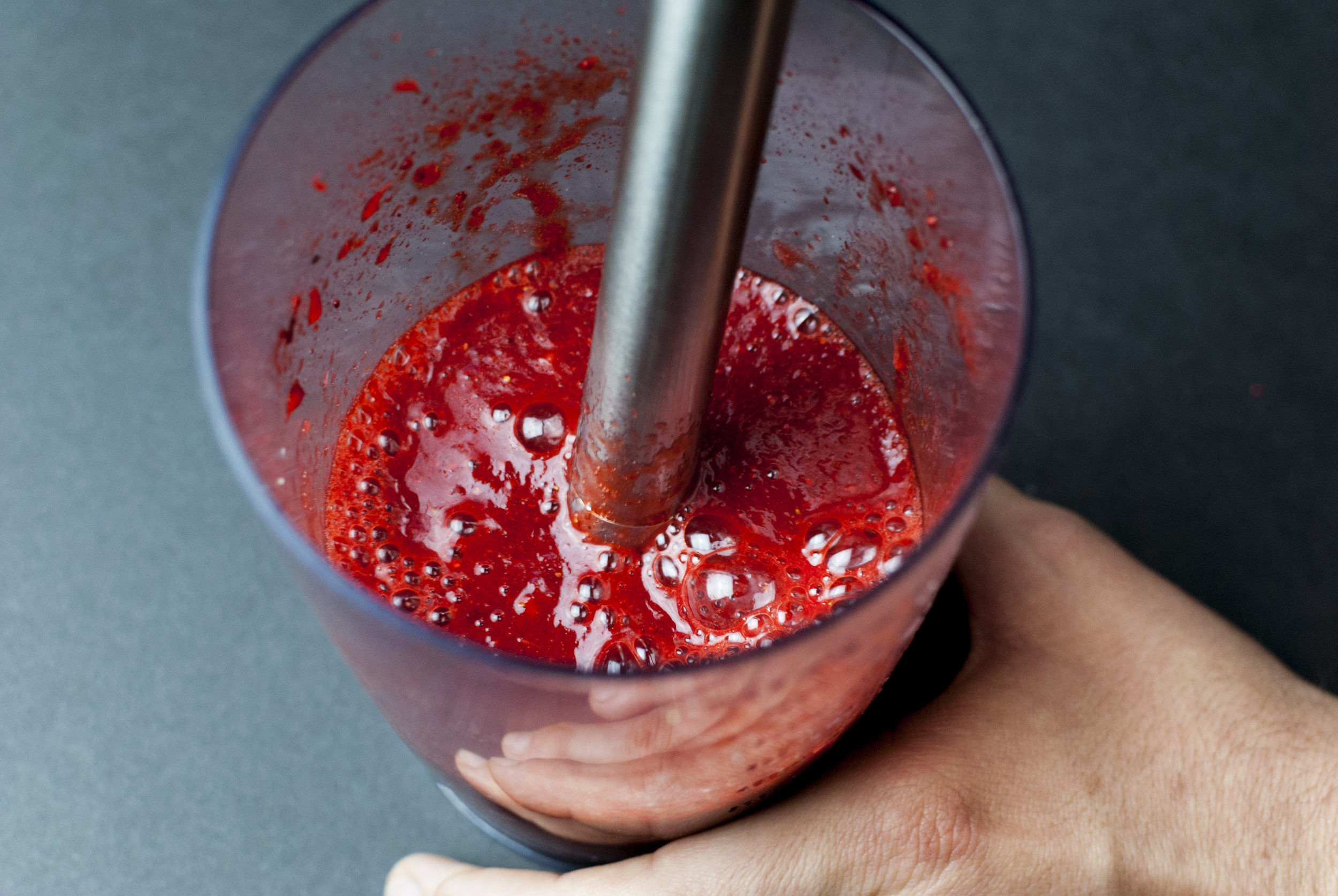
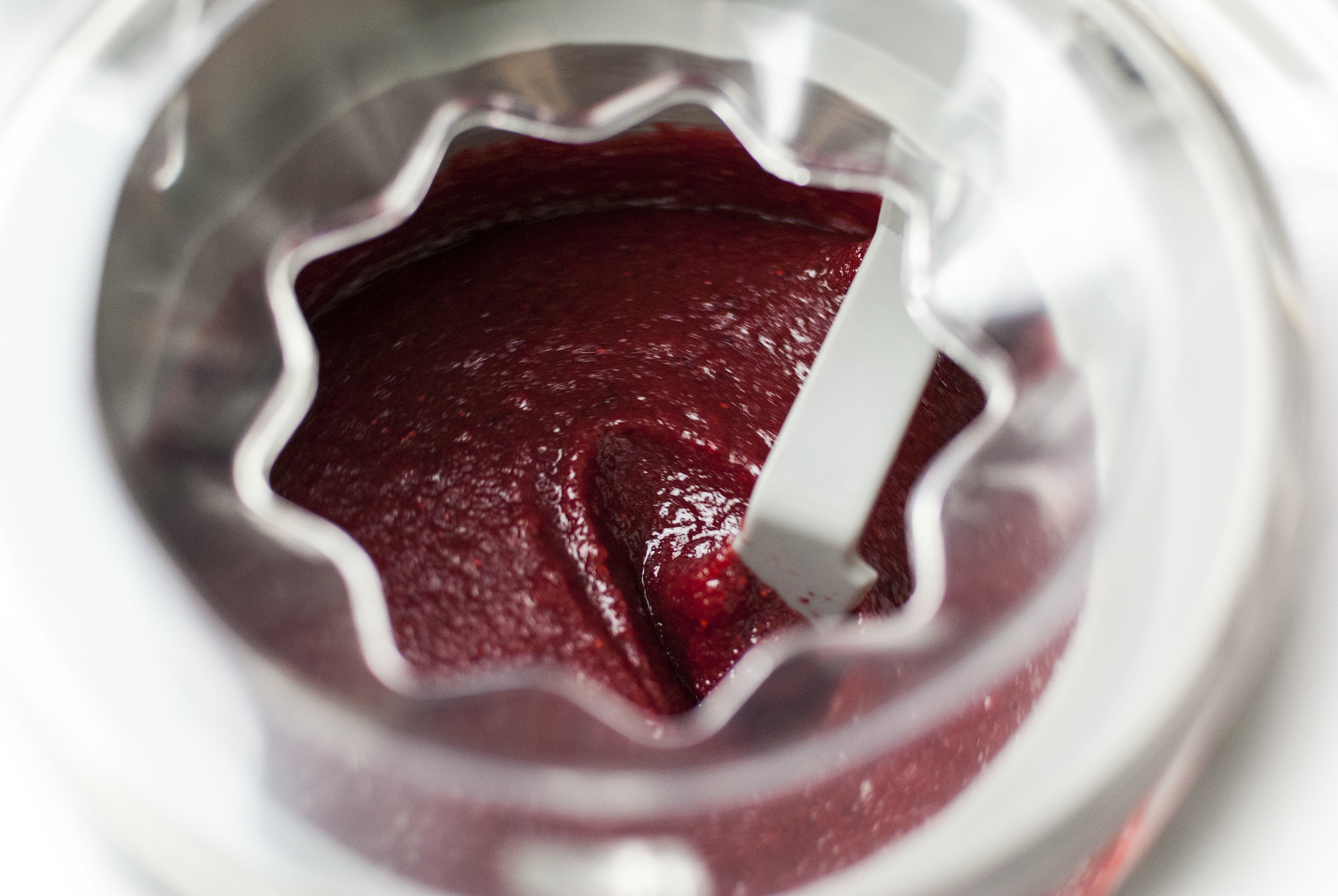
    Put all of the strawberries and the processed habanero into a food processor and blend until completely smooth. Strain it, if you like. Transfer the very fine strawberry habanero pulp to a large bowl and whisk in all the simple syrup and corn syrup. Chill in an airtight container until cold, at least an hour (we recommend overnight as it will allow the subtle flavor of the habanero to develop further).

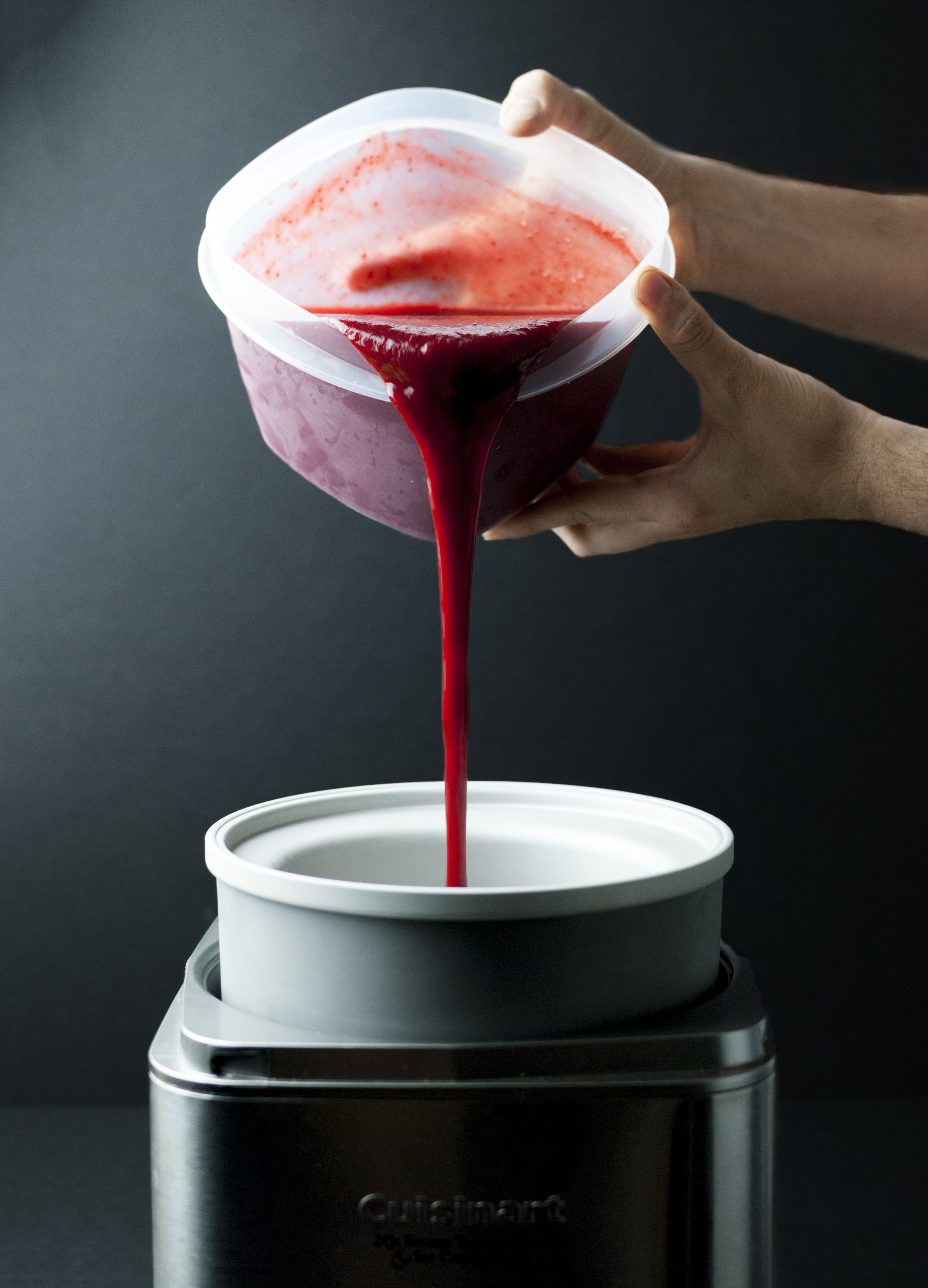
    Prepare your ice cream/sorbet churner (if you using a freezer bowl make sure that it is completely frozen—this typically takes up to 24 hours). Remove the sorbet mix from the fridge and add the lemon juice, then pour into the churning machine. Churn for 15–20 minutes, or until it becomes thick and almost smoothie-like. Transfer into an airtight container like a large tupperware; cover in plastic wrap, allowing it to stick to the entire surface of the sorbet, lid it, then chill in the freezer for at least 4 hours.

    Serve in cups, cones, or maybe even in a spritzer for a zippy float.


    strawberry_habanero_sorbet_03.jpg

  • Chilaquiles


    Everyone seems to have a default breakfast. You know the one. You’re mulling over what to eat in the morning, then you sigh and say “I’ll just make this. Again.” Very frequently, it’s a rag tag assembly of whatever you have on hand in your fridge on a regular basis. It’s a reflection of your cooking habits where your stock characters/ingredients all work together.
    This particular meal (if you really think about it) was probably the result of drinking way too much the night before and not wanting to go to any large lengths to create a fancy meal the following morning. I can imagine the inventor’s thought process going something like this:

    “Lets see. I’ll take some super stale tortillas that I was too drunk to put away last night (they’re still good, right?) and…fuck it, I’ll just fry ’em up with some eggs and salsa. Christ, my head hurts.”

    Pretty sure that’s how it went down.

    In a way, chilaquiles are the Mexican answer to fried rice: an excess of a starchy meal component that is used in an ingenious way to get rid of leftovers. Chilaquiles are a spicy, fresh, and satisfying breakfast situation that bring a huge variety of textures and flavors to one meal. If you haven’t made these before, you better get on it. You just might have a new favorite default breakfast.

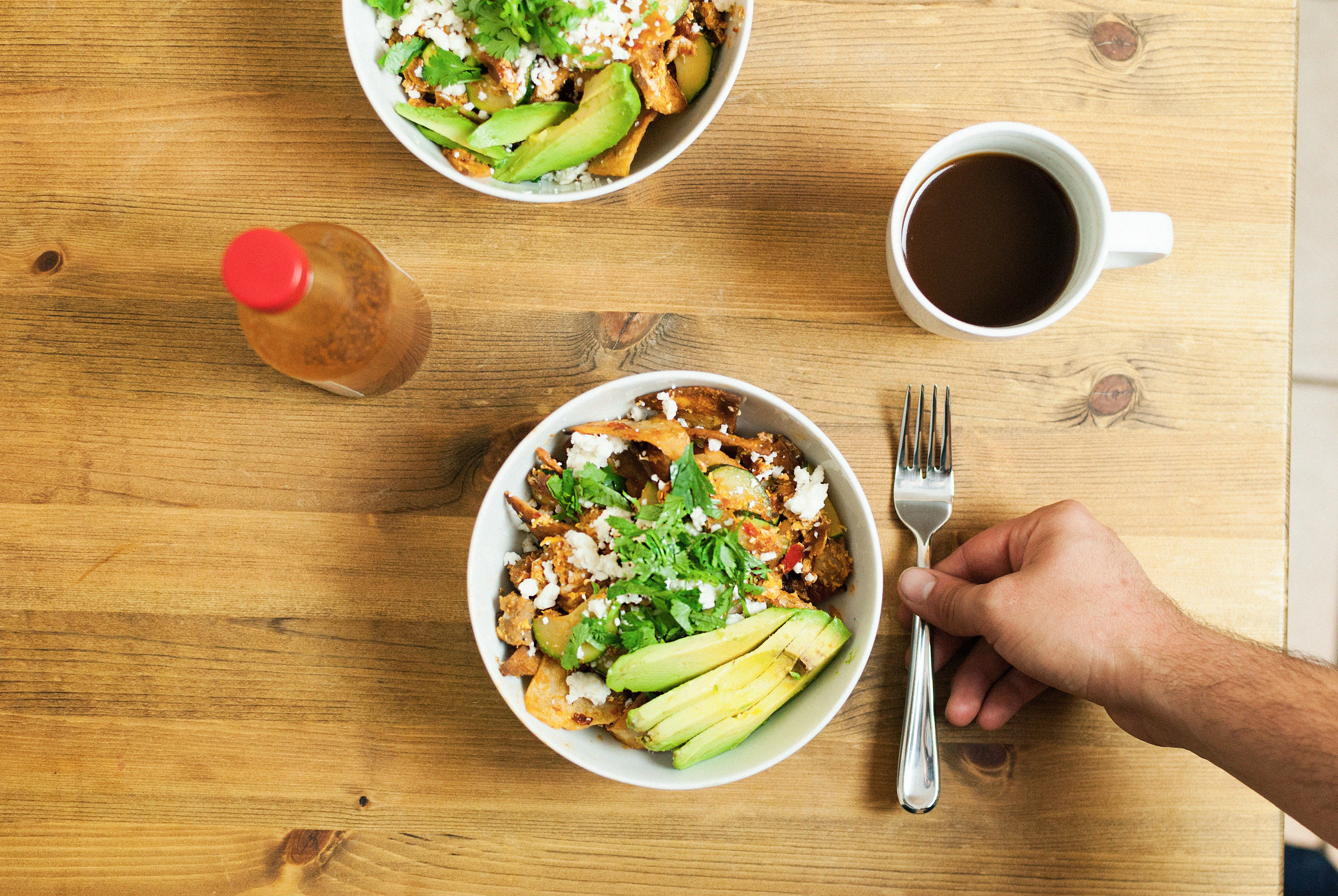
    This recipe is designed to give you freedom to do what this dish does best: get rid of leftovers. All you really need are the things listed in the chilaquiles section, but adding a garnish or three and a couple add-ins can transform a good bowl of chilaquiles into a great one. We certainly have our preferences, and we can make this breakfast in our sleep, which is a helpful skill if you’re waiting (in vain) for your coffee to brew.

    Chilaquiles

    • 10 corn tortillas, left out overnight to become stale, cut into eighths
    • Oil for frying
    • 2 eggs, beaten
    • ½ + ¼ cup salsa, divided
      Note: Use any salsa you like: red or green. The idea is to use up whatever you have lying around. If we were to give you a recommendation, however, we would tell you to use our recipe for morita salsa. It turns out very 👌👌.

    Garnish

    • More salsa
    • Cilantro, chopped
    • Queso fresco, crumbled
    • Crema
    • Lime slices
    • Fresh avocado, sliced

    Optional add-ins

    • 4 oz. chorizo, veggie sausage, protein of choice
    • ¼ of a medium onion, chopped
    • ½ of a small zucchini, sliced
    • ½ cup roasted corn

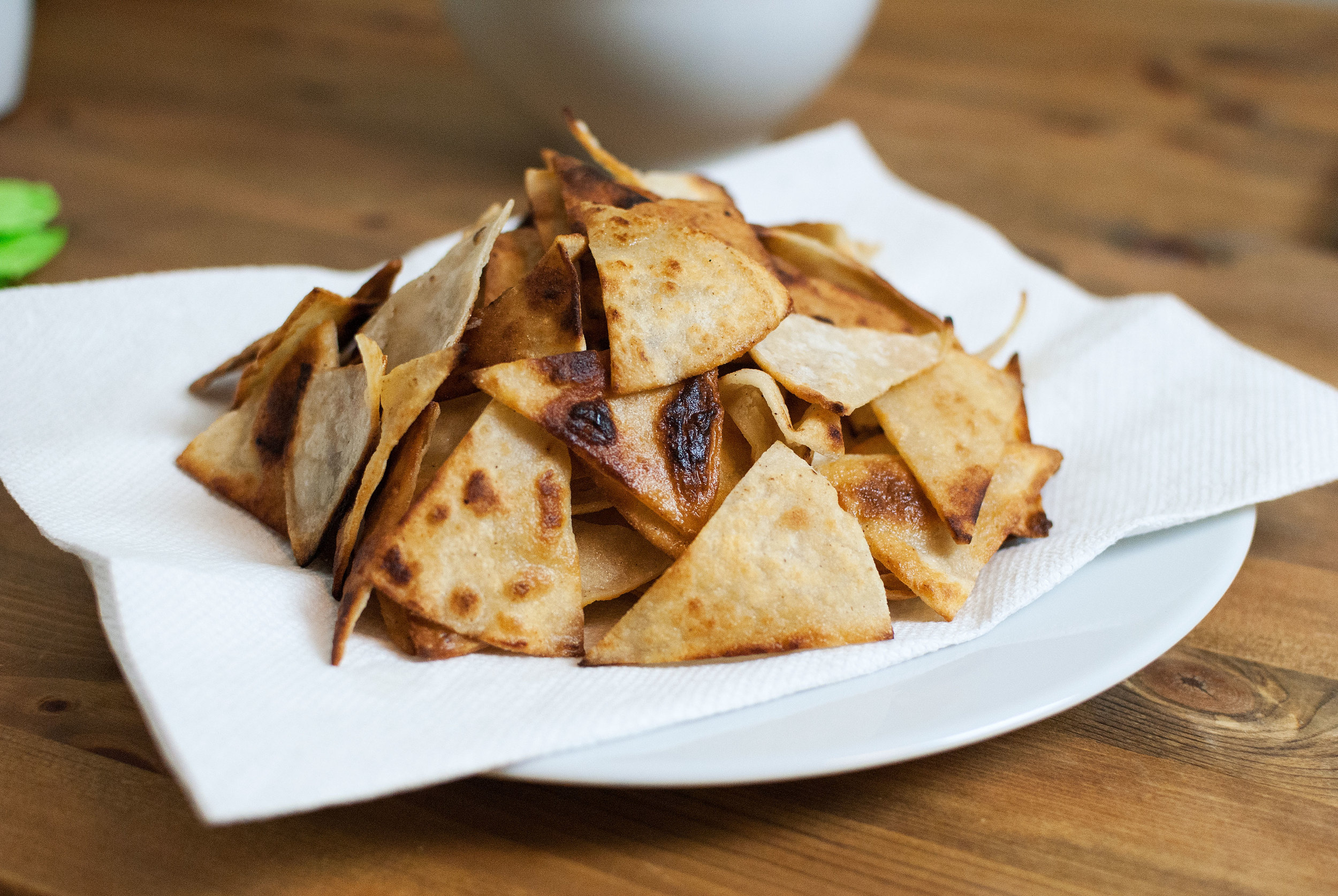
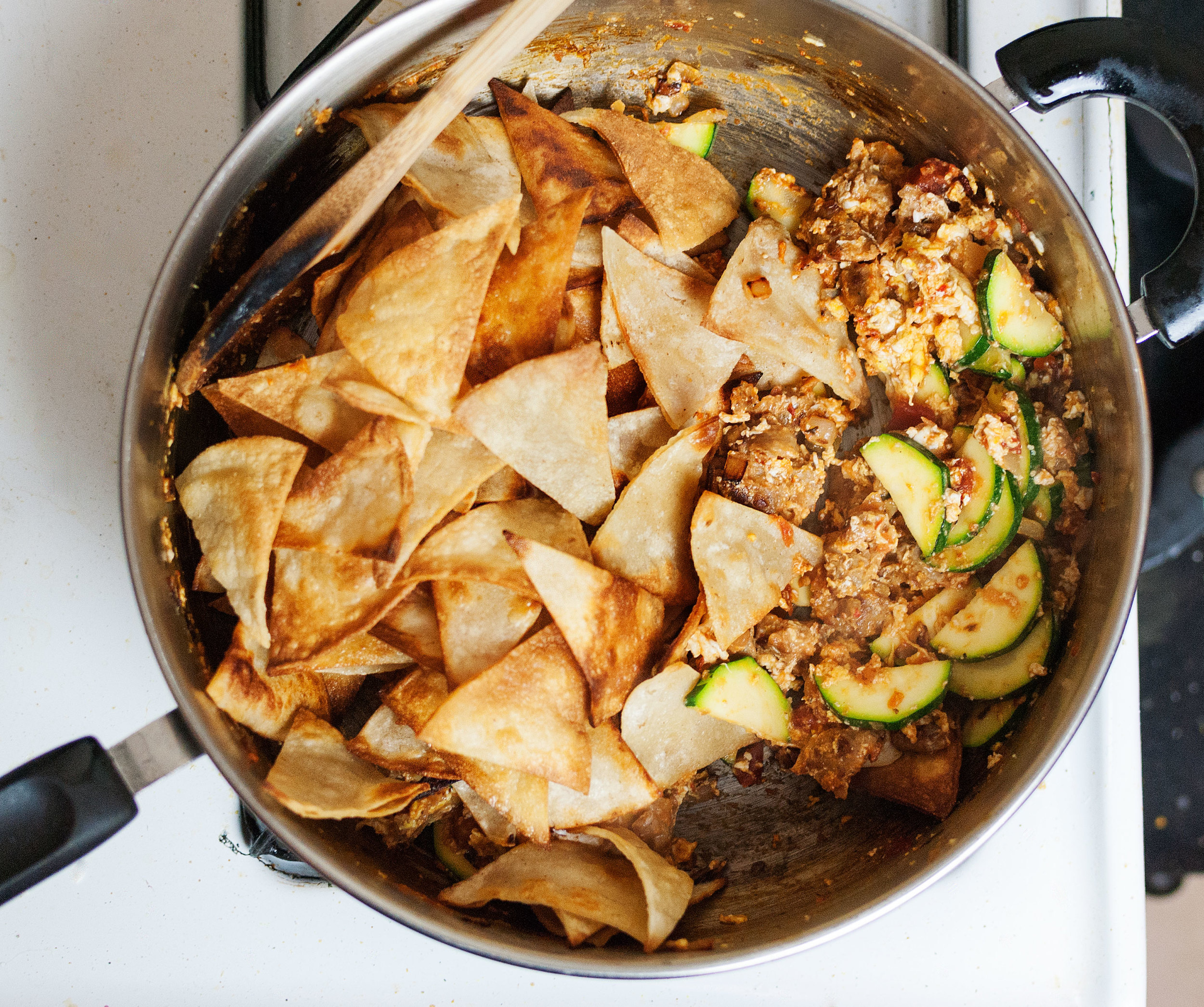
    In a deep skillet, heat a generous amount of oil on medium high and fry the chips in several batches until they are crispy and golden. Allow them to cool slightly drain excess oil on a plate with a paper towel. Set aside. Remove almost all leftover oil from the skillet if a lot remains.


    Chilaquiles-01.jpg

    Heat the same skillet on medium heat and cook your desired add-ins at this time. When they are done, add in the eggs and cook quickly, like scrambled eggs. When the eggs are almost done, add the ½ cup of salsa and stir until all of it is evenly incorporated. Add the chips and stir well. Add the remaining ¼ cup of salsa and stir well.


    Chilaquiles-02.jpg

    Serve immediately with a few garnishes, and tuck in.


    Chilaquiles-03.jpg

    Serves 2.

  • Leek Powder


    Leek-Powder-Pierogi-1.jpg

    As odd as this may seem, this recipe is actually quite personal for me. My mother taught me how to make this. My mother was a very strange woman. She would pick wild mushrooms and bring them into the house to examine what colors they might make if you turned them into dyes, sometimes leaving them on paper to create intricate designs with their spores. She was a master preserver, confident in her ability to can or process anything. Her library of mason jars would line the walls of my childhood home, holding the little secrets of her fearless flavor experiments and prized recipes. She could eliminate the daunting space between a stranger and a friend in a matter of seconds. I learned the majority of what I know about food from her. She taught me how to see that everything is connected, no matter how obscure the link may be at first. If you can maintain your sense of wonder in this world, you can always find a way to make something into something else; something you need, something you want. She taught me that humble things are beautiful, and if treated correctly, they can be turned into something even more beautiful; something you love.

    I miss her so much.

    Leek Powder:

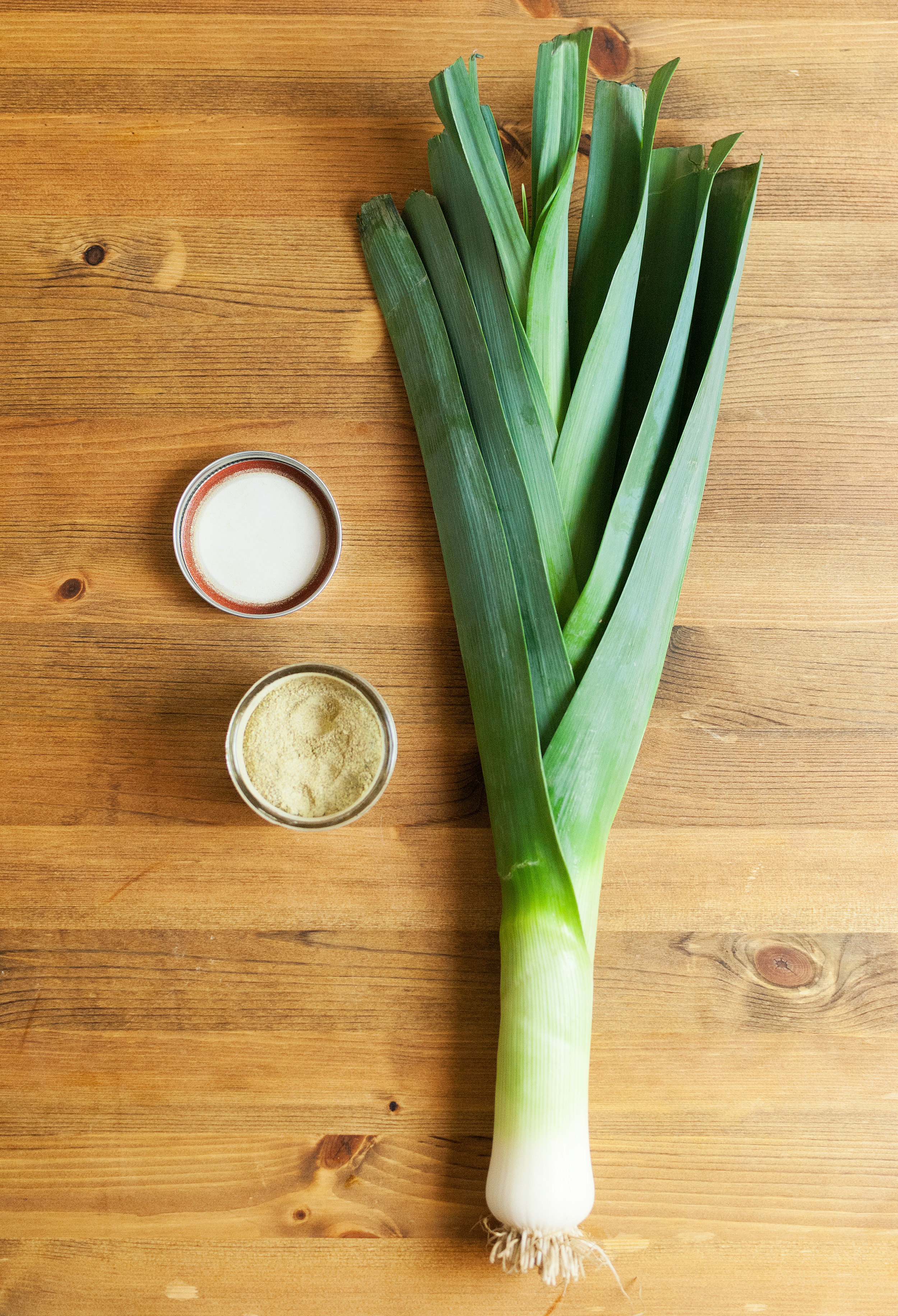
    • 2 whole leeks, roots removed, cleaned

    Preheat oven to 170.

    Cut the leeks into smaller segments (including the greens) then place them in the food processor. Blend until they resemble finely minced onions. If you don’t have a food processor, just do this by hand with a sharp knife. Be careful since the greens are fibrous and might be hard to cut.

    On a baking sheet with parchment paper, spread the minced leeks as thinly and evenly as you can. Place them in the oven and allow them to “bake” for about 6 hours, or until all the moisture in them is gone. They should be light and crispy, like dead autumn leaves.

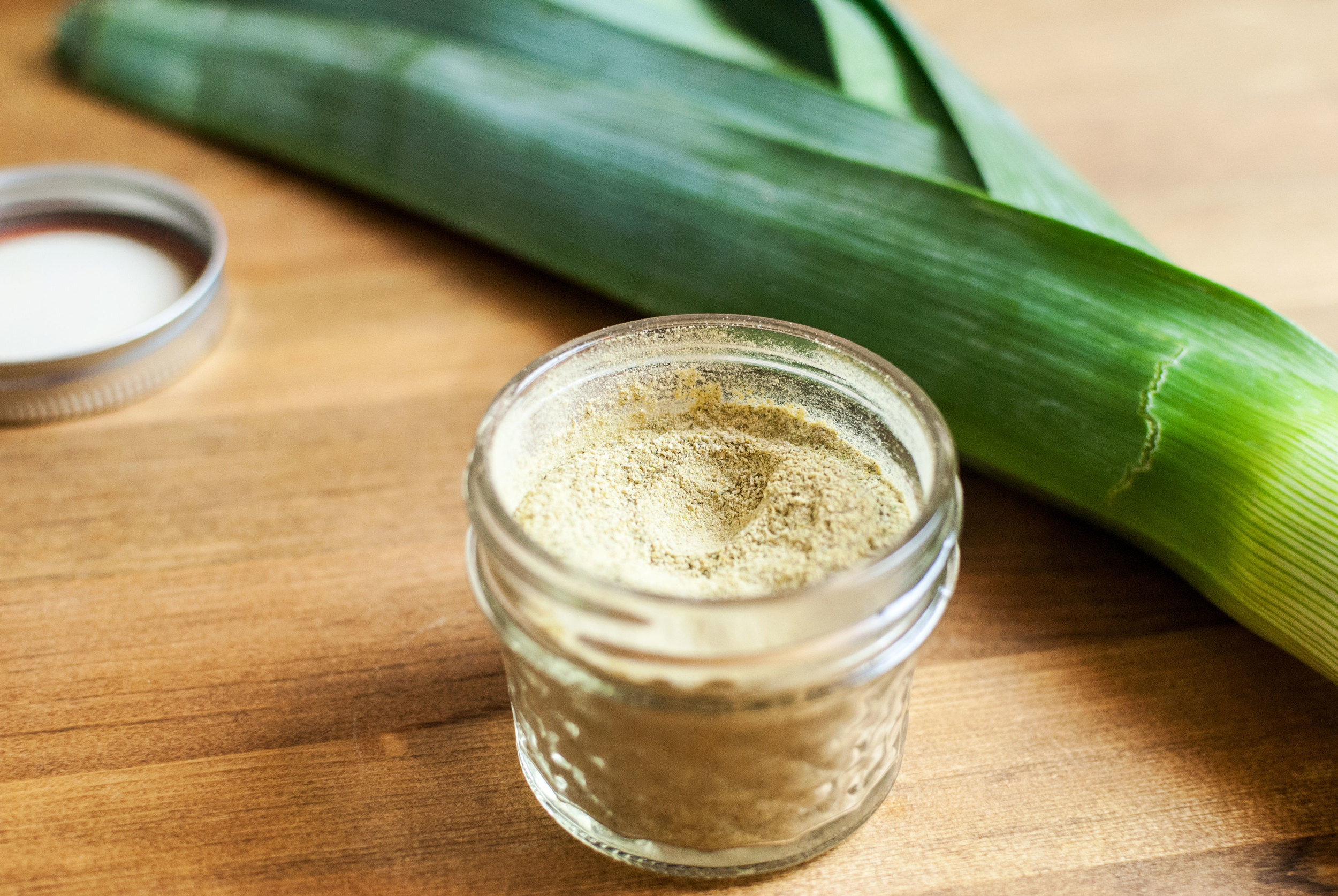
    Place the dehydrated leeks in a coffee grinder and grind until it becomes a fine powder. Store in an airtight container. Keeps for months.

    Yields about ½ cup of leek powder.

  • Strawberry Caprese Salad


    strawberry-caprese-salad-011.jpg

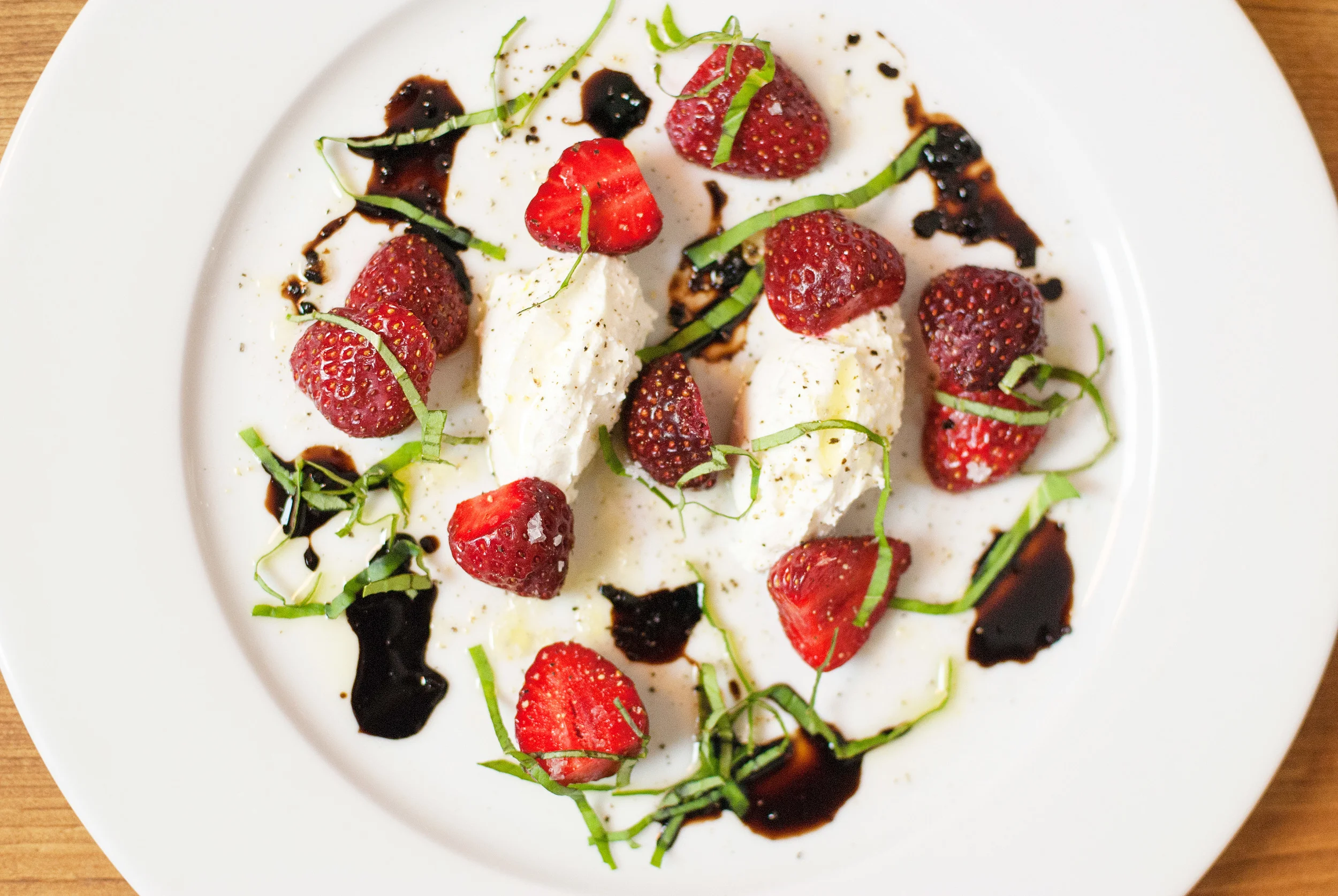
    We aren’t entirely sure how to classify this dish…
    Is it a salad?

    Is it a dessert?

    Is it a cheese plate?

    We don’t know. We really don’t. Do we care?

    Nope. No we don’t.

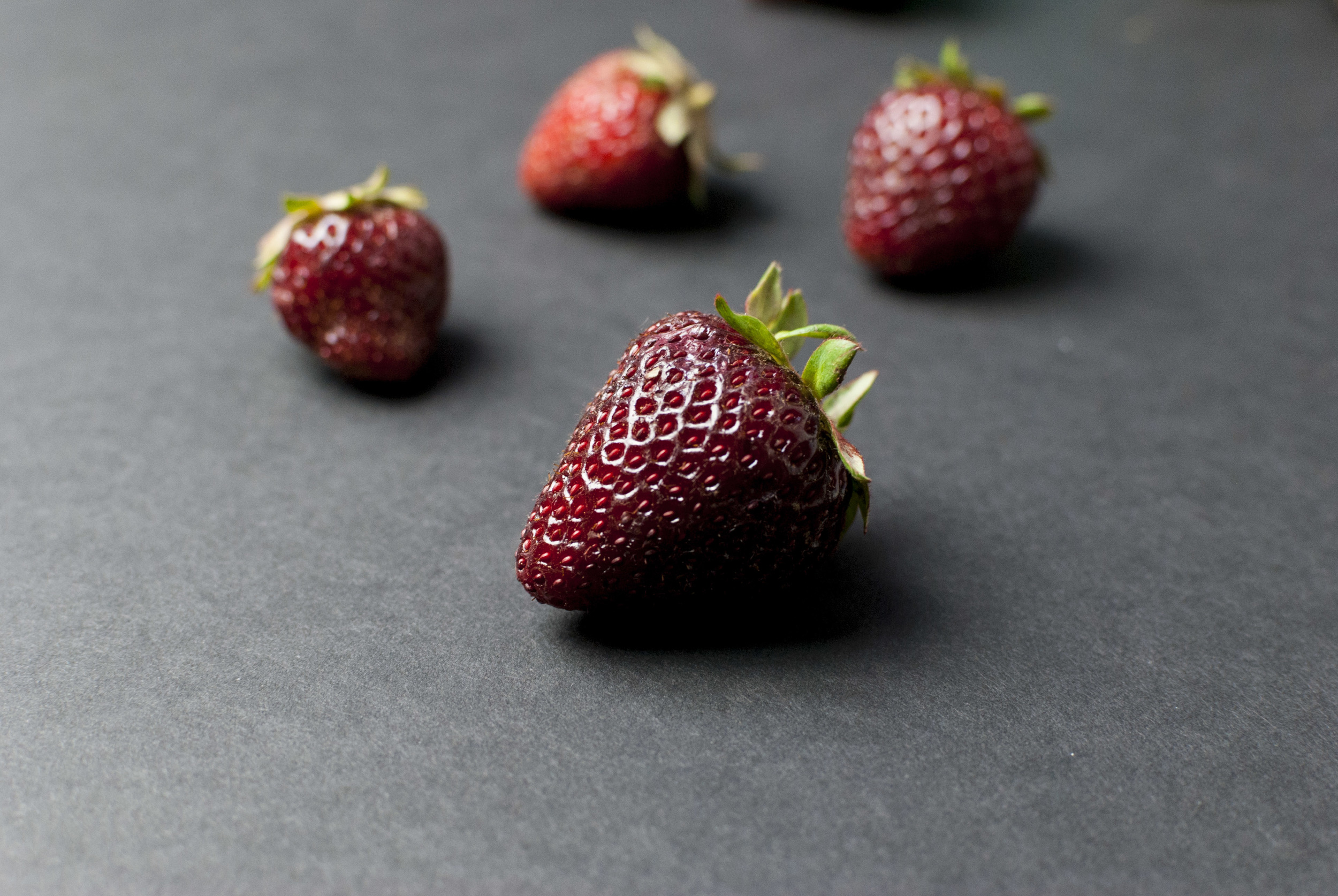
    We tried to come up with something that would feature strawberries since we keep seeing amazingly ripe ones floating around these days. We were getting strawberry envy. So we decided to do something about it. We hauled ourselves to one of the farmers markets in Portland and took home some gorgeous Mt. Hood strawberries, dark as rubies, and ripe enough to stain your fingers with their juice. They were small, sweet, and completely melted in your mouth when we ate one (or four).

    We put our heads together and applied some knowledge we had that suggested strawberries and tomatoes have almost an identical flavor pairing list. So, we decided to cycle through some of our favorite things to eat featuring fresh tomatoes and see if we could plug in fresh strawberries instead. Balsamic vinegar was the key. What we ended up with was this thing.


    strawberry-caprese-salad-011.jpg

    strawberry-caprese-salad-01

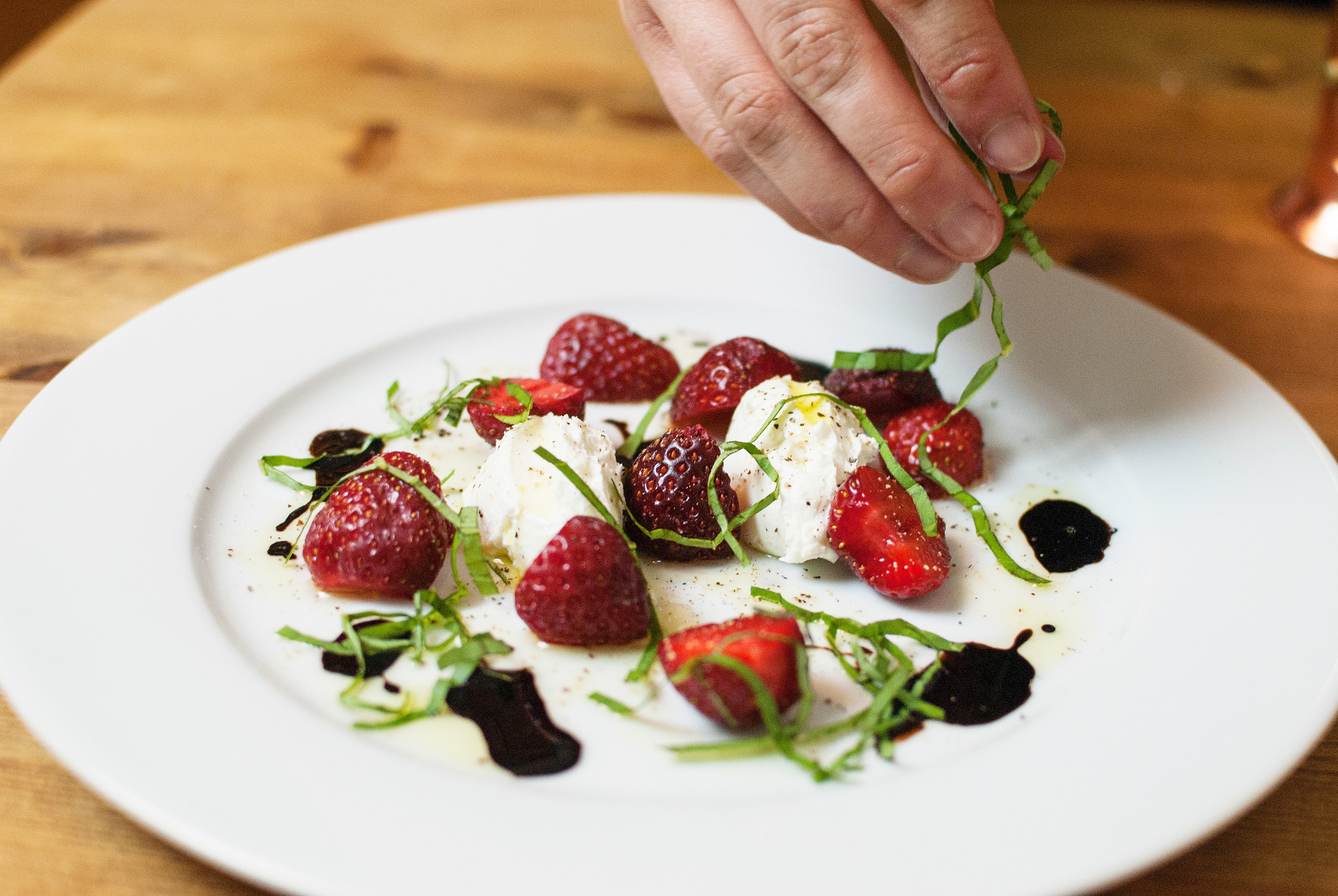
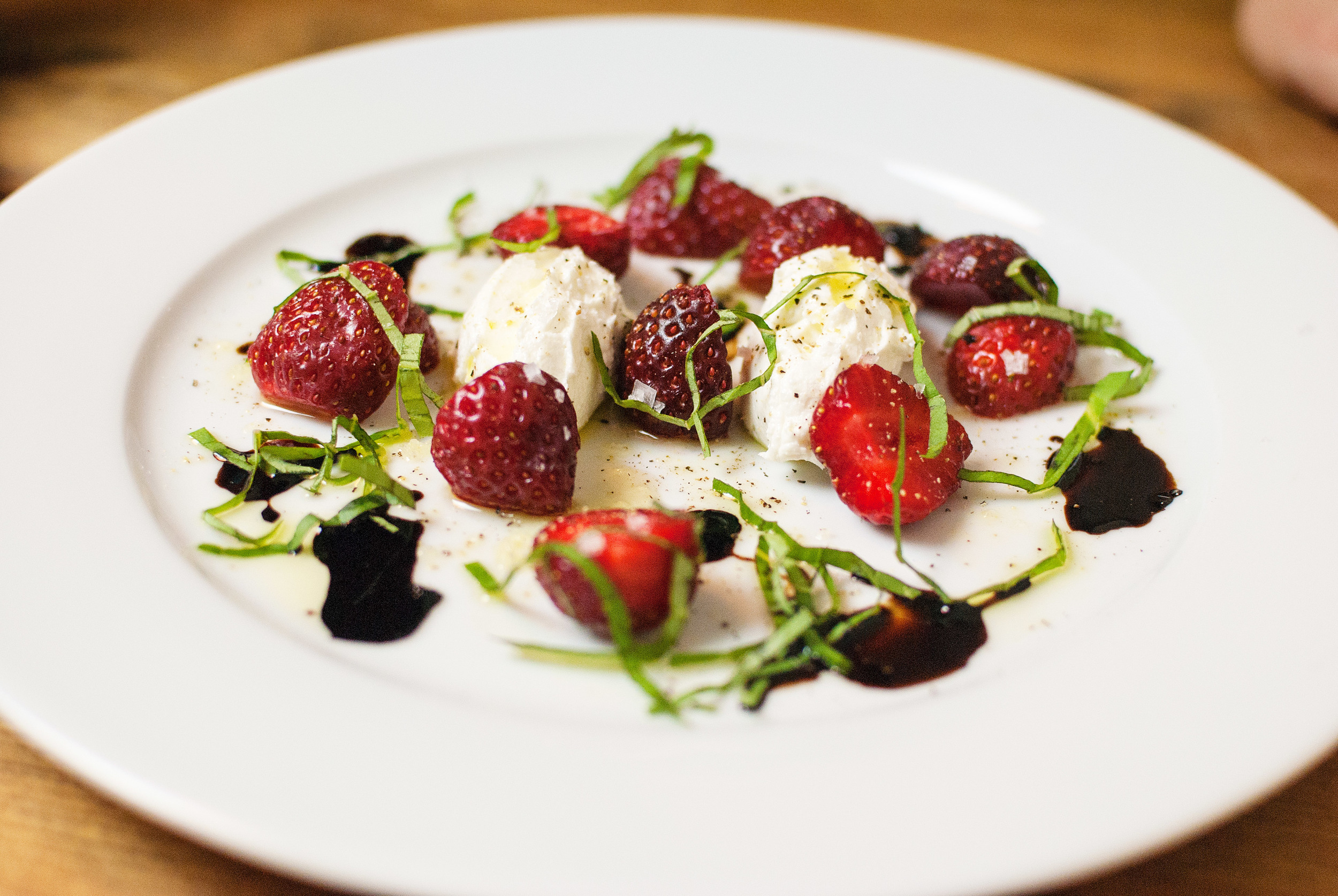
    We played with two ideas to make this: one tomato centric, one strawberry. Most of the inspiration came from caprese salad, but we opted to use whipped chèvre instead of fresh mozzarella to mimic strawberries and whipped cream. Complete with good olive oil and a thick but quick balsamic reduction, this thing left us speechless. If you play your cards right, it’s ready in five minutes.

    Now go get yourself some strawberries, damnit.

    • 4–6 achingly ripe strawberries, halved
      Note: We prefer smaller strawberries for this recipe, but if you can only find larger ones, use about 4 and quarter them instead of halving.
    • ¼ cup balsamic vinegar
    • 2 oz chèvre
    • 1 tsp. milk
    • 2–3 basil leaves, chopped
    • good olive oil
    • freshly cracked black pepper
    • sea salt

    In a small bowl, mash the chèvre with a fork until it becomes soft, then add the milk. Whip it as best you can until it resembles fluffy cream cheese. Set aside.

    In a small sauce pan on medium low heat, reduce the balsamic vinegar until it resembles a syrup. Remove from the heat and let it cool slightly. Not too long or it will be slow as molasses. (If it becomes too thick, just pour a splash more balsamic in and it should loosen it up a little bit). Set aside.


    strawberry-caprese-salad-04

    strawberry-caprese-salad-04

    Plate the chèvre, halved strawberries, and dot the plate with some balsamic reduction. Drizzle the plate with olive oil and finish with the chopped basil leaves, pepper, and sea salt.

    Serves 1–2


    strawberry-caprese-salad-03

    strawberry-caprese-salad-03