Category: Pasta and Noodles

  • Everyday Gnocchi


    Gnocchi is one of those recipes that mystifies me when I find out that someone thinks that it’s difficult to make, because not only is it really easy (and cheap) to produce, it’s also easy to produce a lot of it; and that’s exactly what we do. It’s common for me to whip out about four batches at a time of this recipe (a standard mixer should be able to hold two at once) then freeze the lot on a sheet tray and store these little guys in a large plastic bag. It’s such a satisfying meal for us, and the knowledge that we can put in minimal effort for it makes it all the more alluring after a long day of work where you just want something delicious and quick. Just pick your sauce, pop these kids out of the freezer and boil ’em in water till they float, and you’re set.

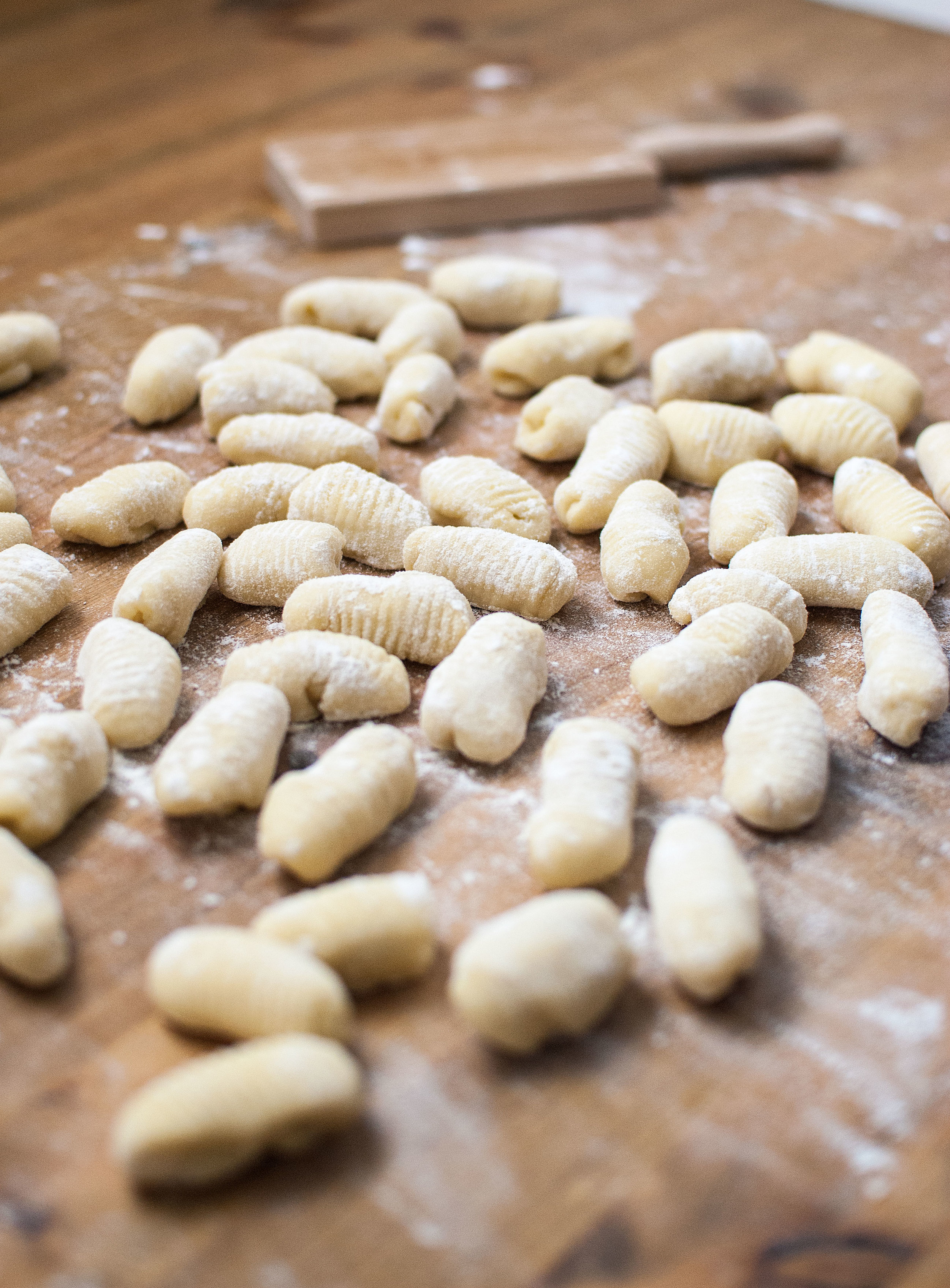
    Side note: yes, the gnocchi in this recipe are pressed onto a gnocchi board. Do you need to do that? No, no you don’t. Do grooves hold more sauce? Yeah, they do. Will your dinner be any less delicious if your gnocchs are just little grooveless potato lumps that you cut off from your giant slab of dough? Nope, it’ll be awesome.

    Did we press these onto a groove board just for this post so our gnocchi will look awesome even though we almost never do it in real life?

    You bet your ass we did.

    Everyday Gnocchi:

    • 1 cup of cooked skinless russet potato flesh, thoroughly mashed with as few clumps as possible.

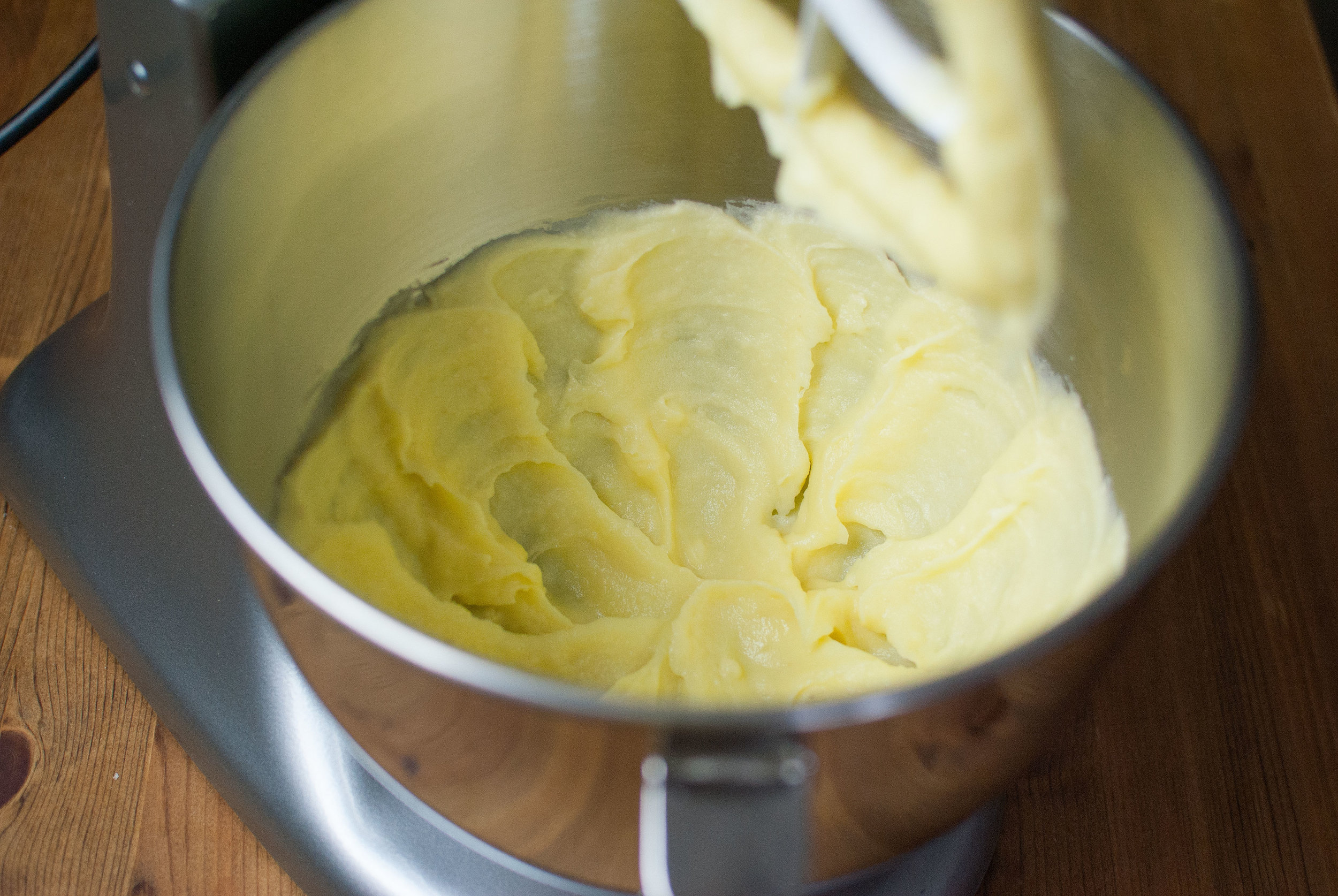
      • Side note: When I do big batches of gnocchi, I will often add my cooked potato to a food processor and blend it until it’s very smooth, along with the olive oil. This changes the texture of the potato dramatically, making it much smoother (almost like a potato cake batter, and makes a much stickier dough after you add the flour to it. I’d recommend doing this, but if you’re tired and just wanna mash the potatoes by hand, your gnocchi won’t be any less delicious.

    • 2 tablespoons olive oil

    • 1 large egg

    • a big three-finger pinch of good salt

    • 2 cups flour

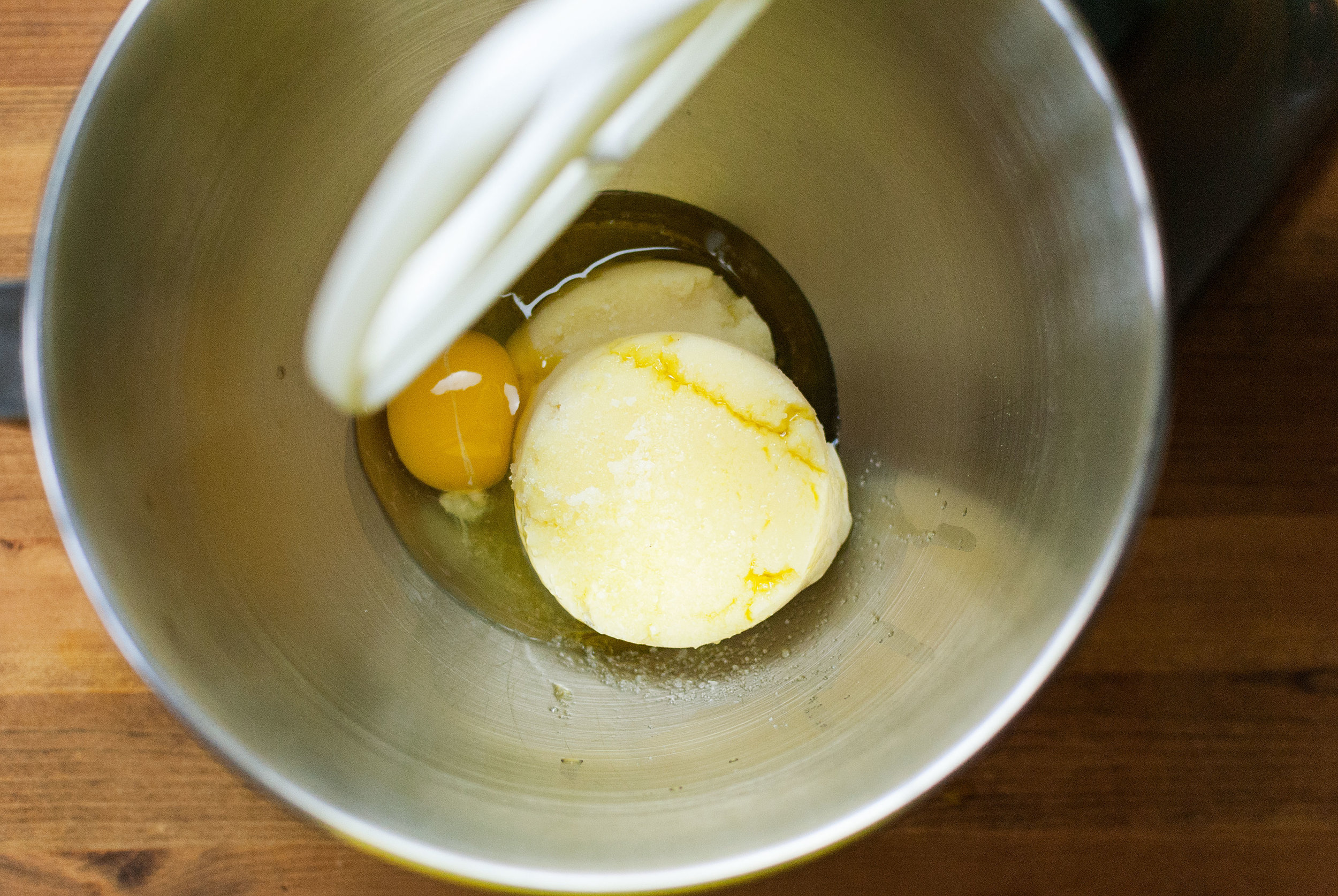
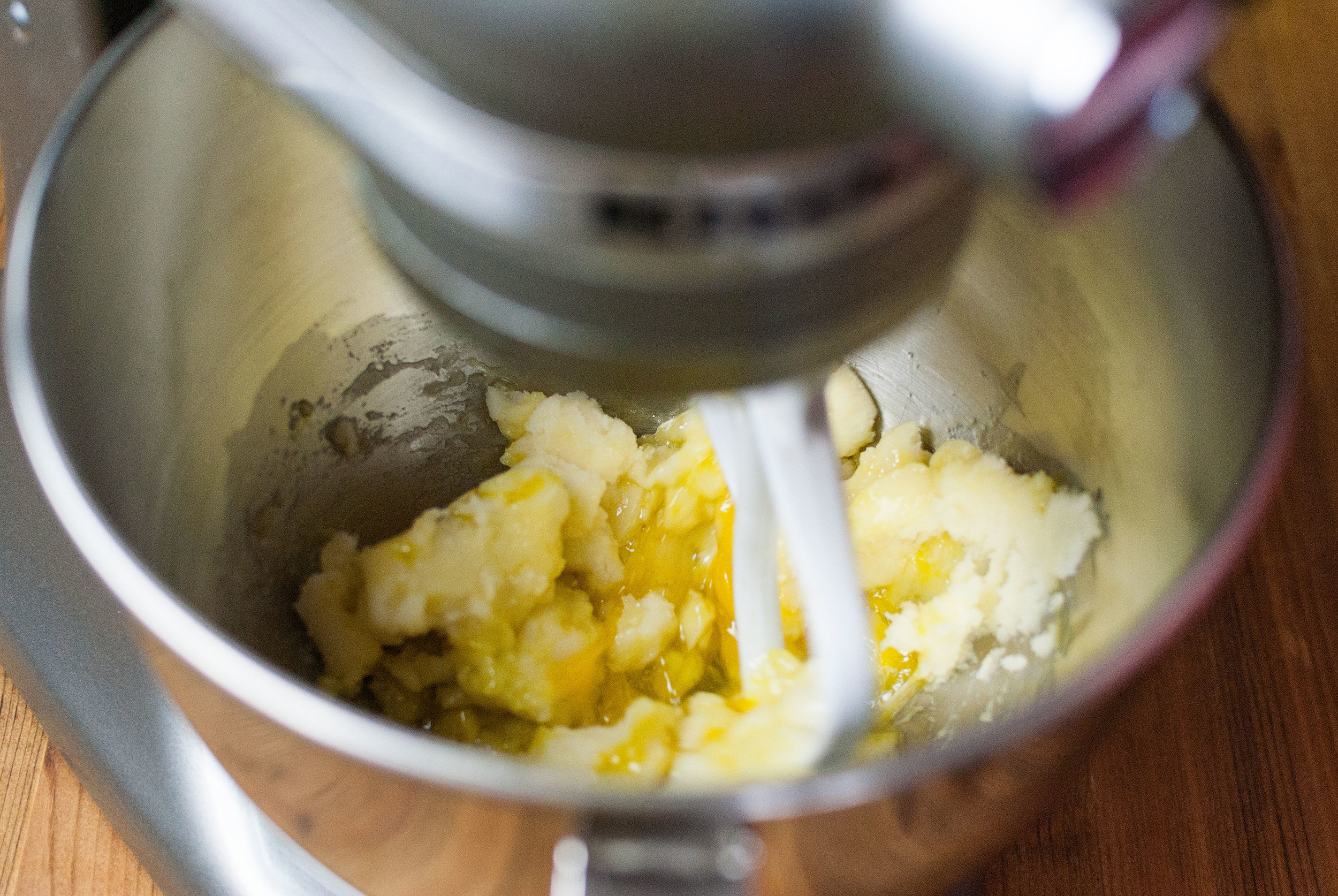
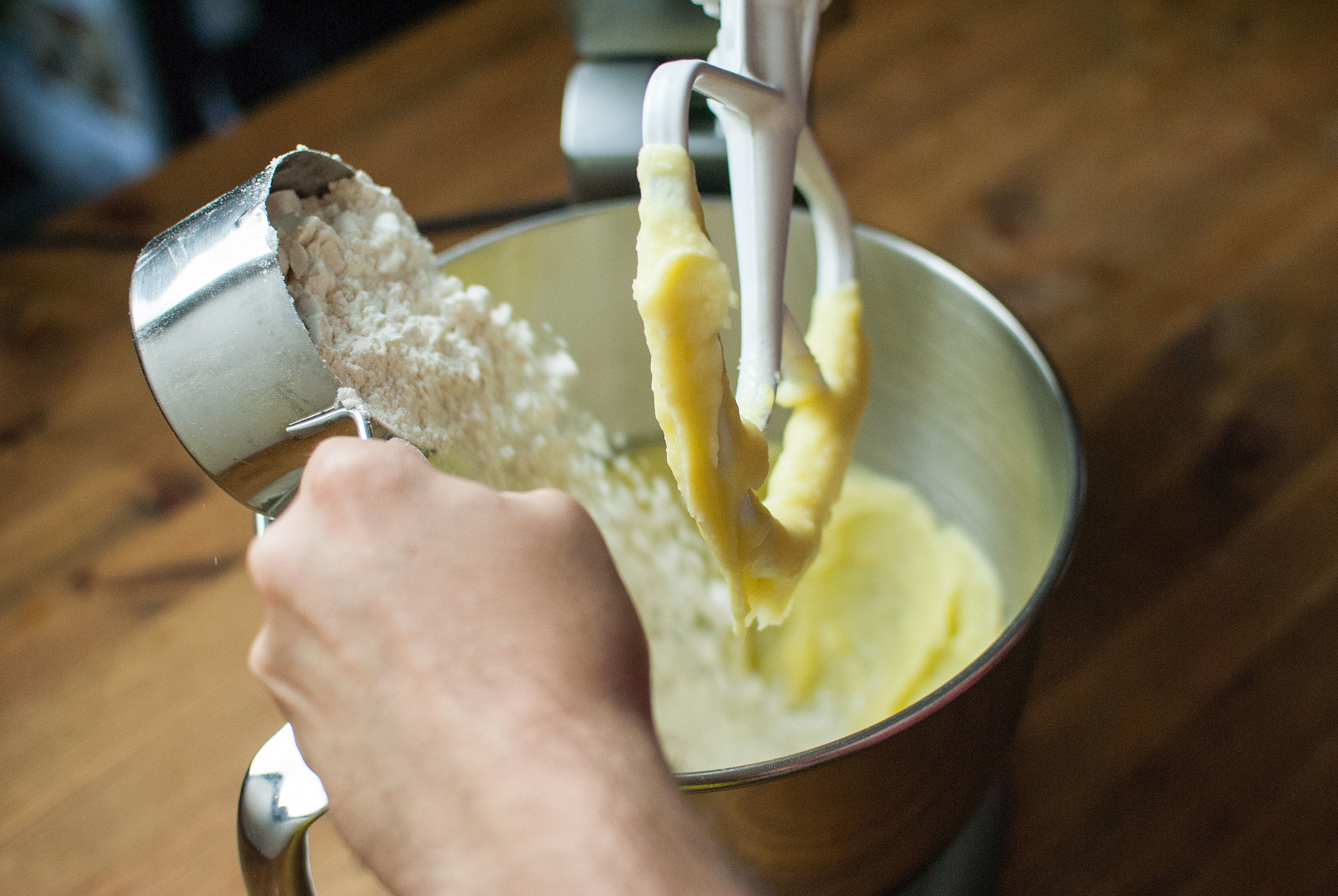
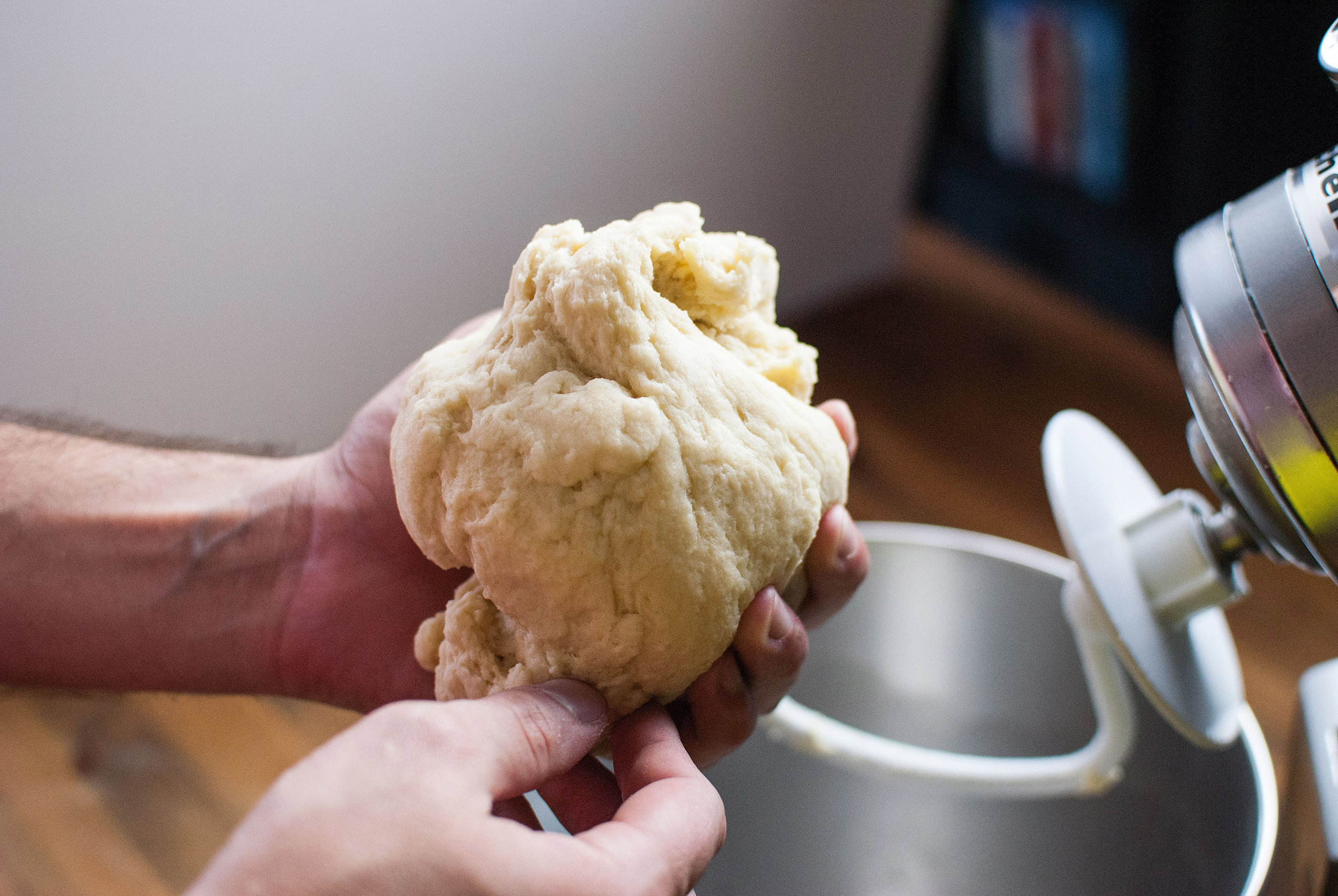
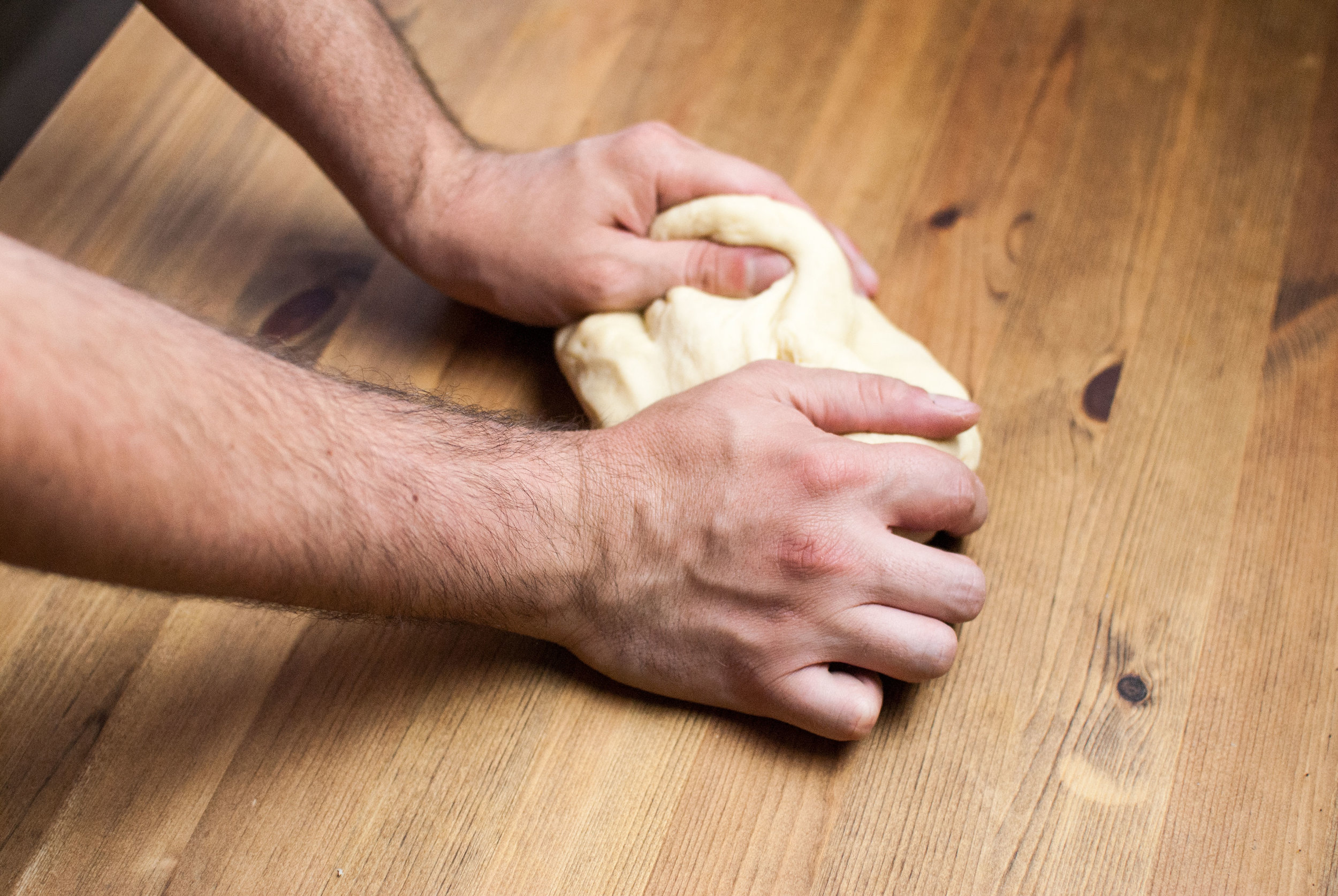
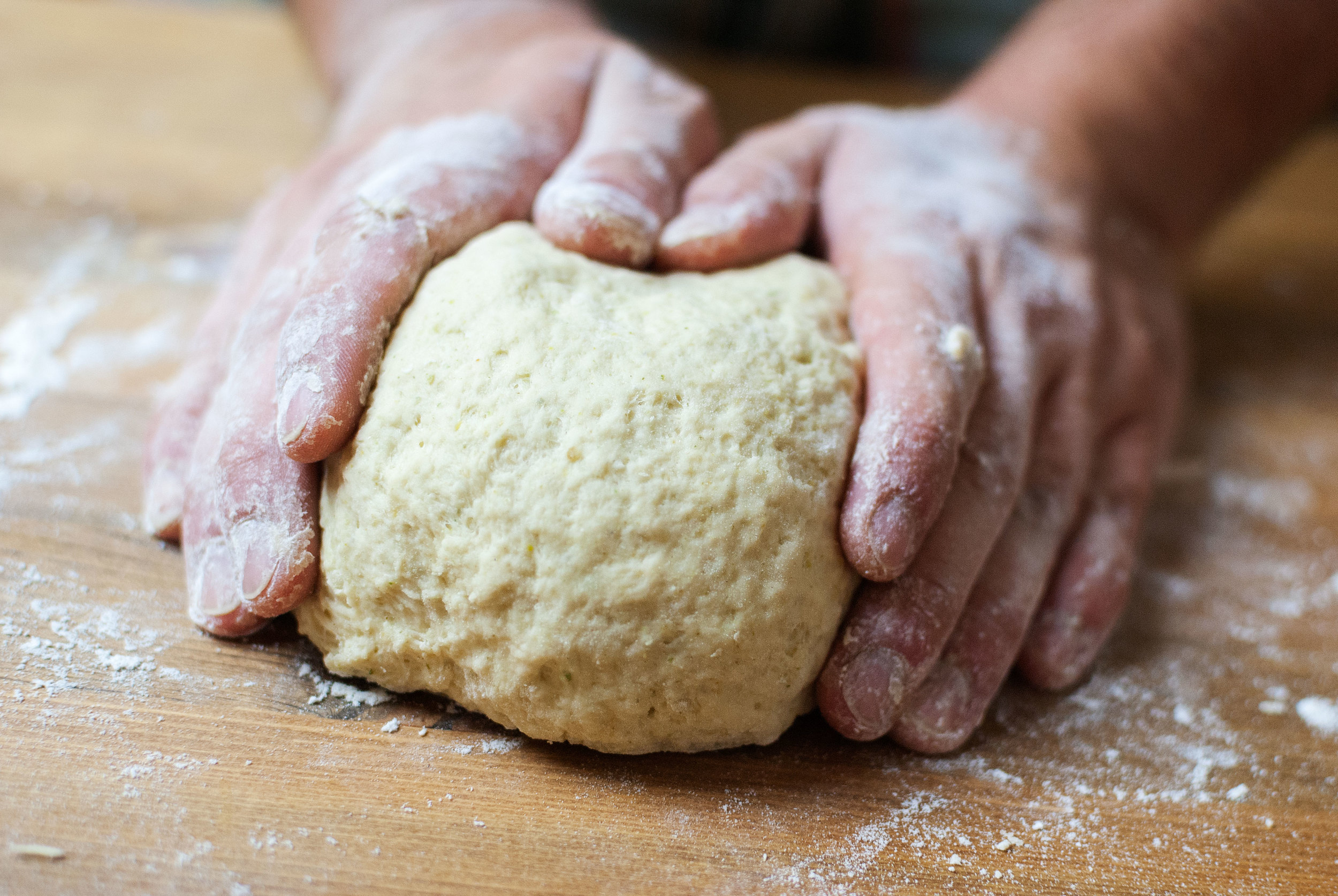
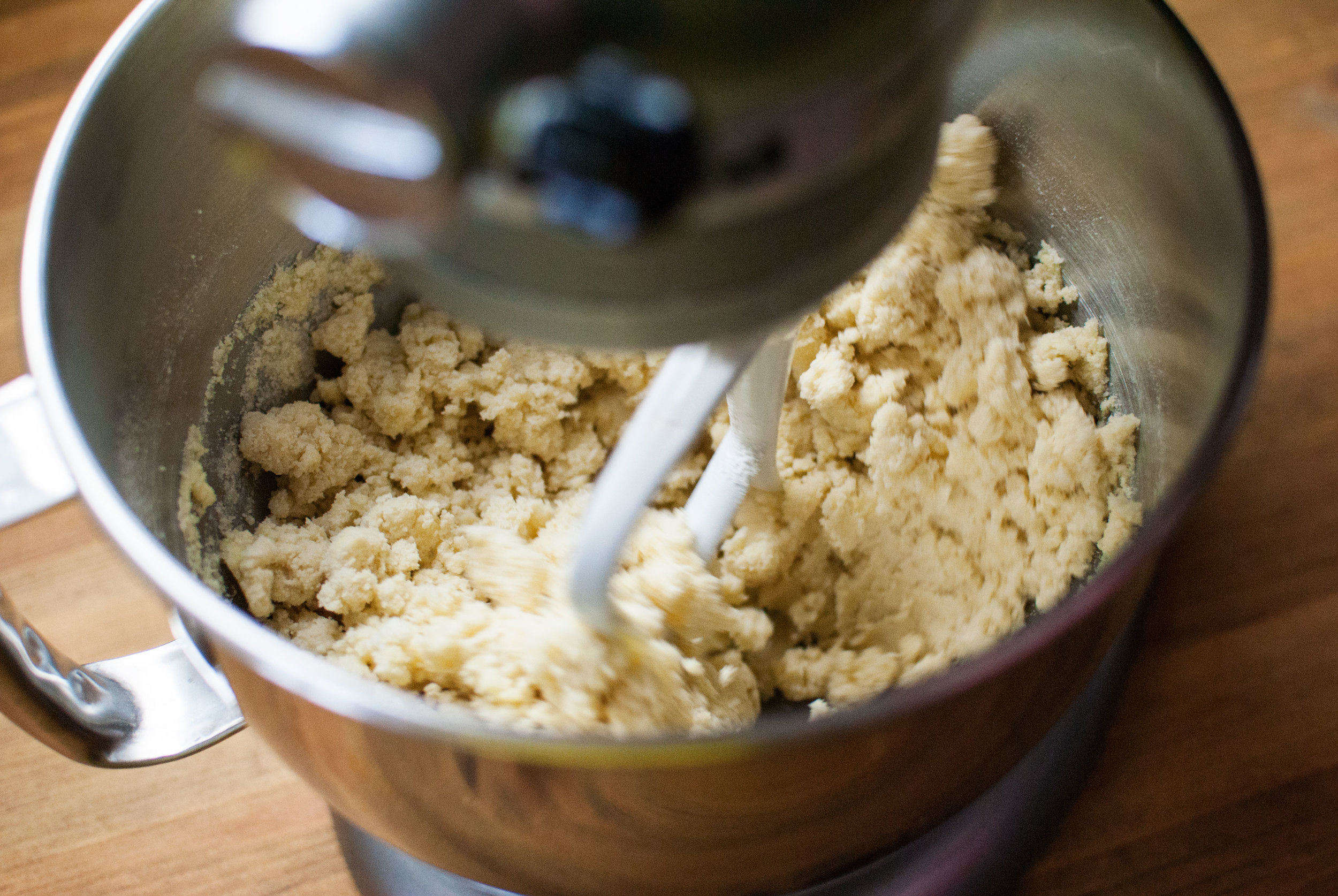
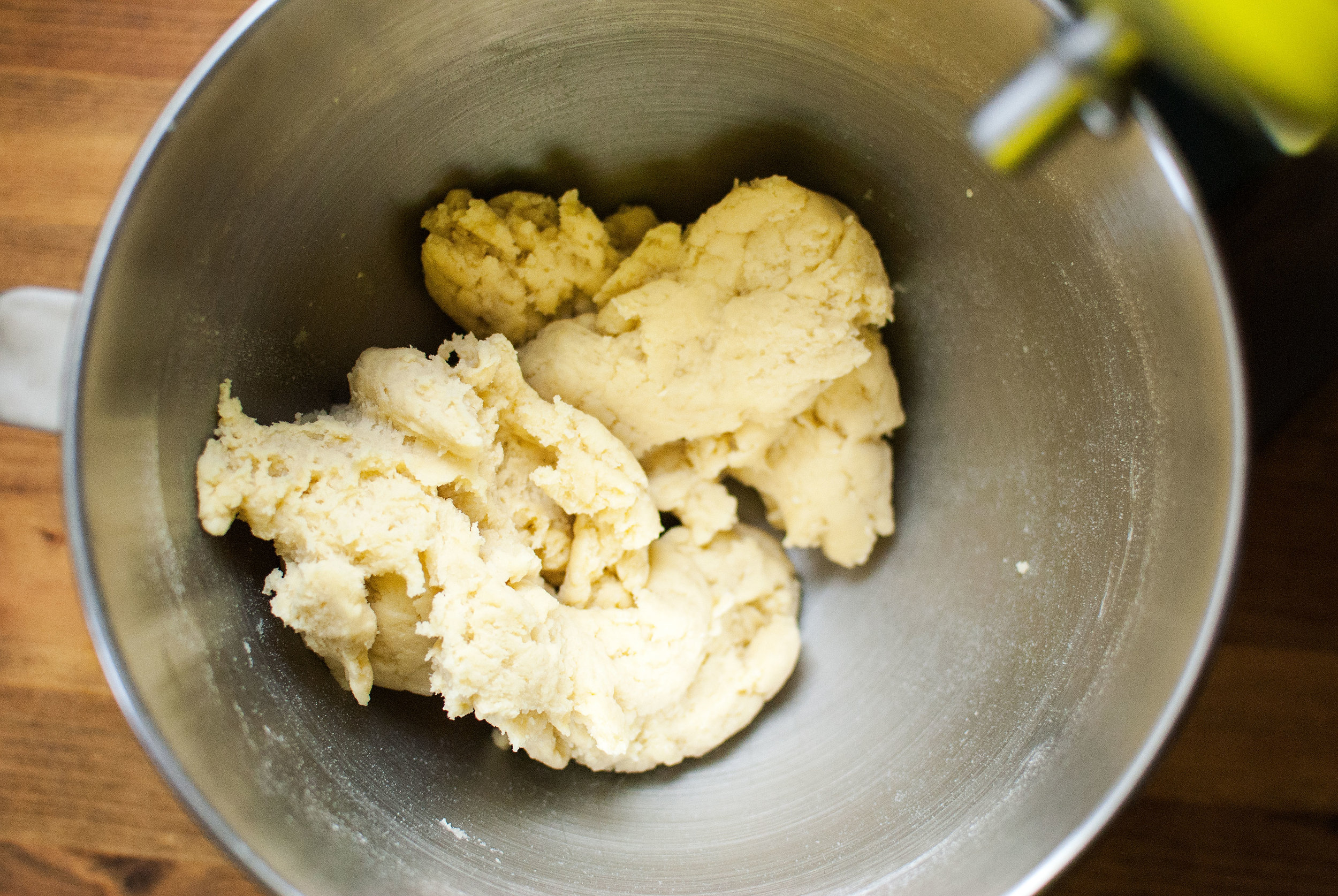
    Mix the mashed potato, egg, olive oil, and salt until thoroughly combined. Add the flour all at once and mix (your hands are the best tool for this if you don’t have a mixer) until all the flour is integrated. Continue to knead the dough until it becomes firmer and pulls away from the sides of the bowl.  The dough should be smooth, not unlike bread dough but much less springy. If you’re using a mixer, you’ll need to use the paddle at first to blend the flour into the wet ingredients, then switch to the dough hook once the it all begins to come together. Knead it for a minute or two until it becomes a tight dough. Let the dough rest at room temperature for about 30 minutes in a bowl with a cloth over it before proceeding to shaping.
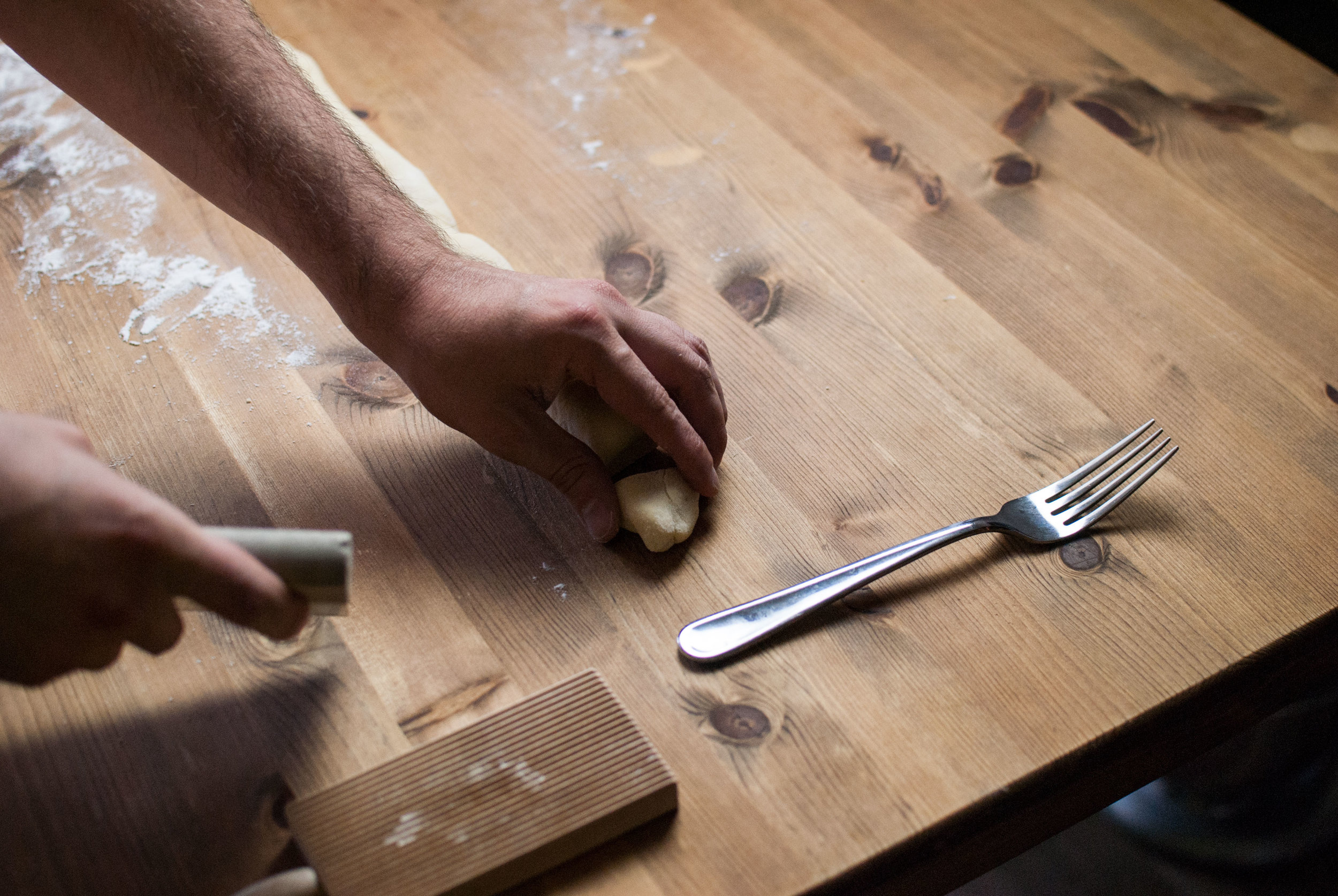
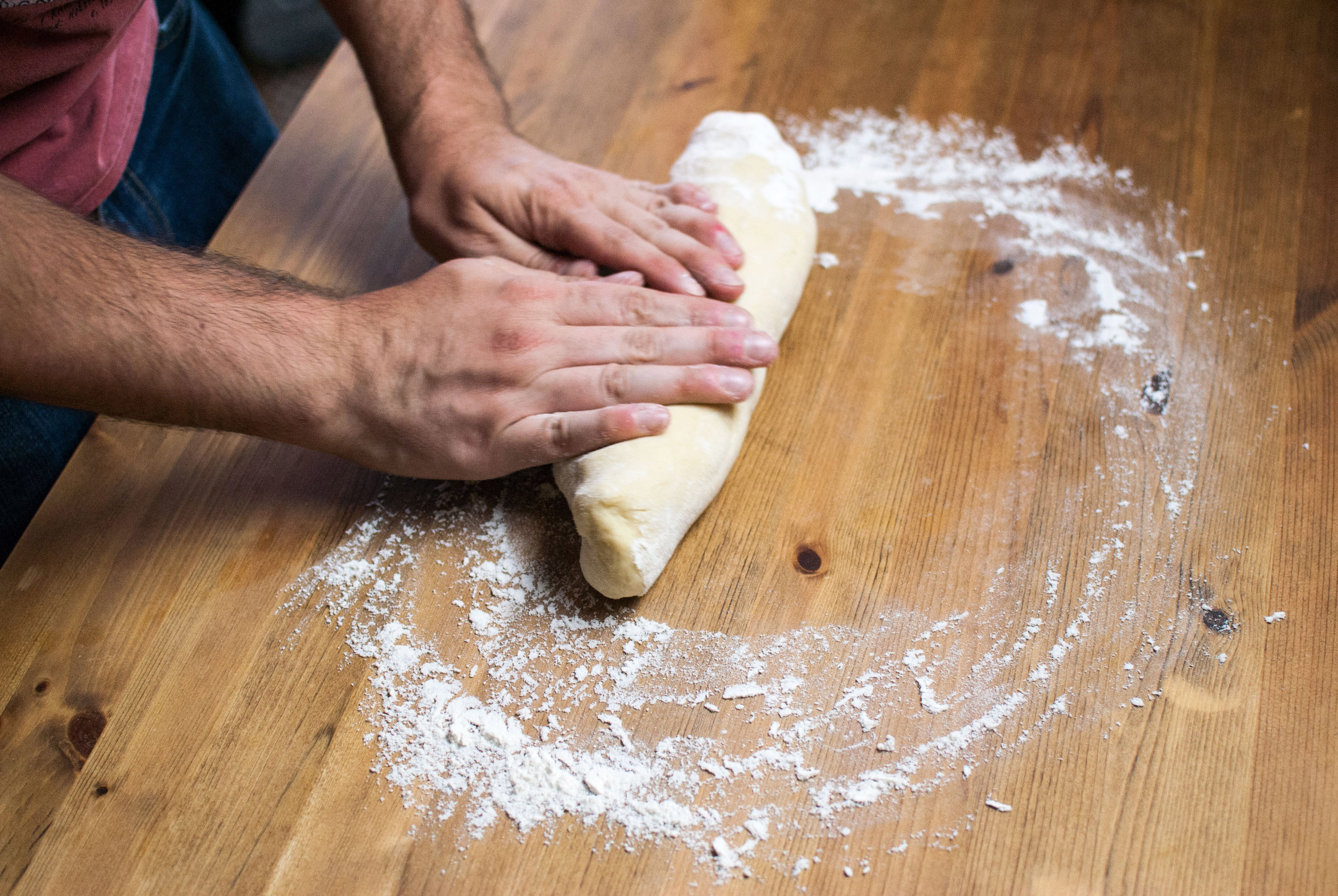
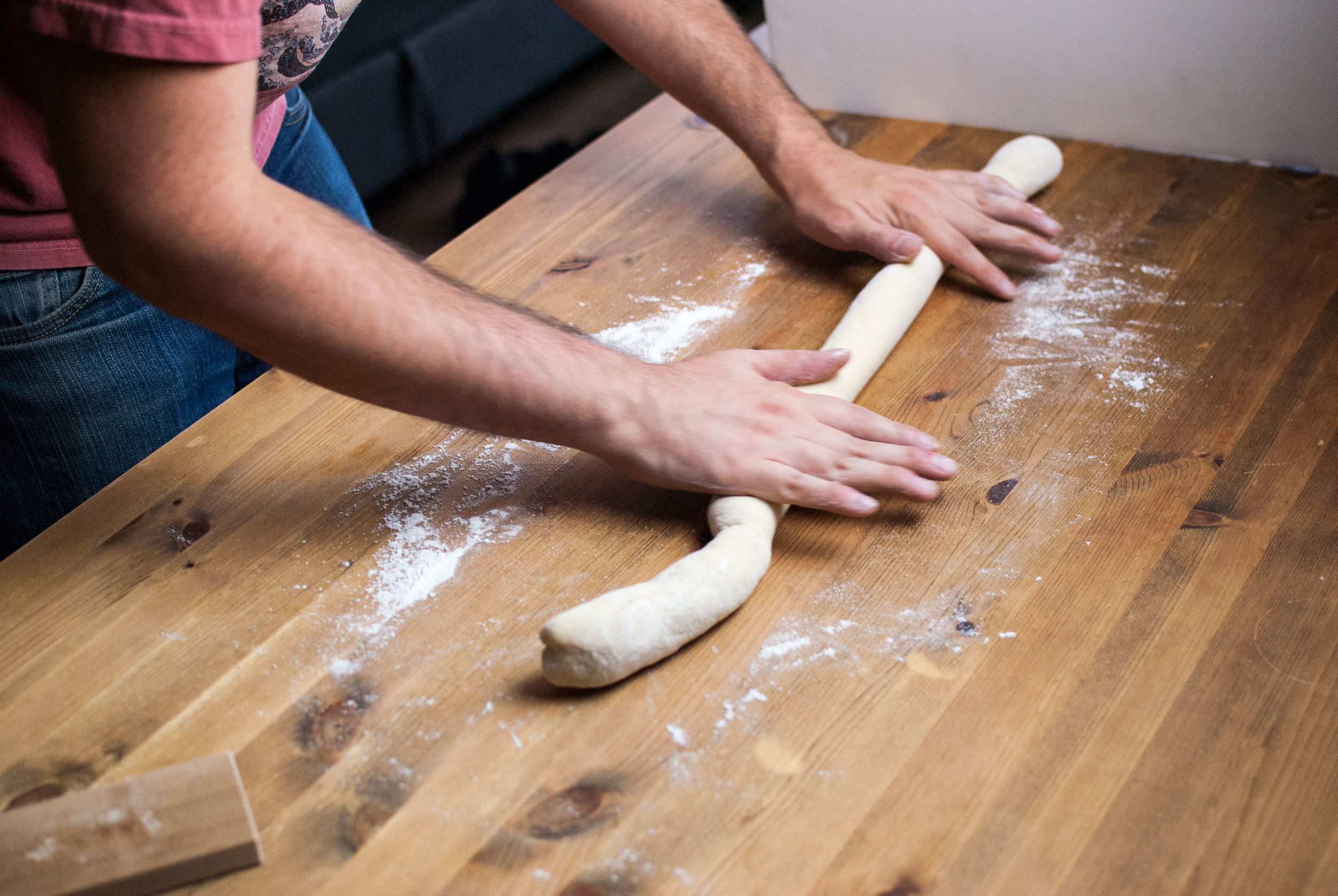
    Transfer the rested dough to a lightly floured table or counter and begin to roll it into a long snake-like shape; it should be a little less than an inch in circumference when you’re finished. The dough will be quite tough and glutinous, so I’ve found that letting gravity stretch it a bit by pulling it and letting it hang in the air (as well as giving a few good thwacks on the table) works quite well to elongate it. Once you’ve got it rolled, take a knife or dough cutter and cut the dough into little nubs. The ideal size of a single gnocch for us is about the size of your thumb pad, so when you’re done, your table might look like it’s covered in a bunch of little floury thumbs (not to be grotesque, but hey, it’s an image you won’t forget).
    Your gnocchi are ready. They’re good to boil in the moment, or just place them on a sheet tray lined with baking parchment and freeze them for later. They keep for…well, we don’t actually know how long they really keep for; we’ve never let them sit around for too long. Oh, well…
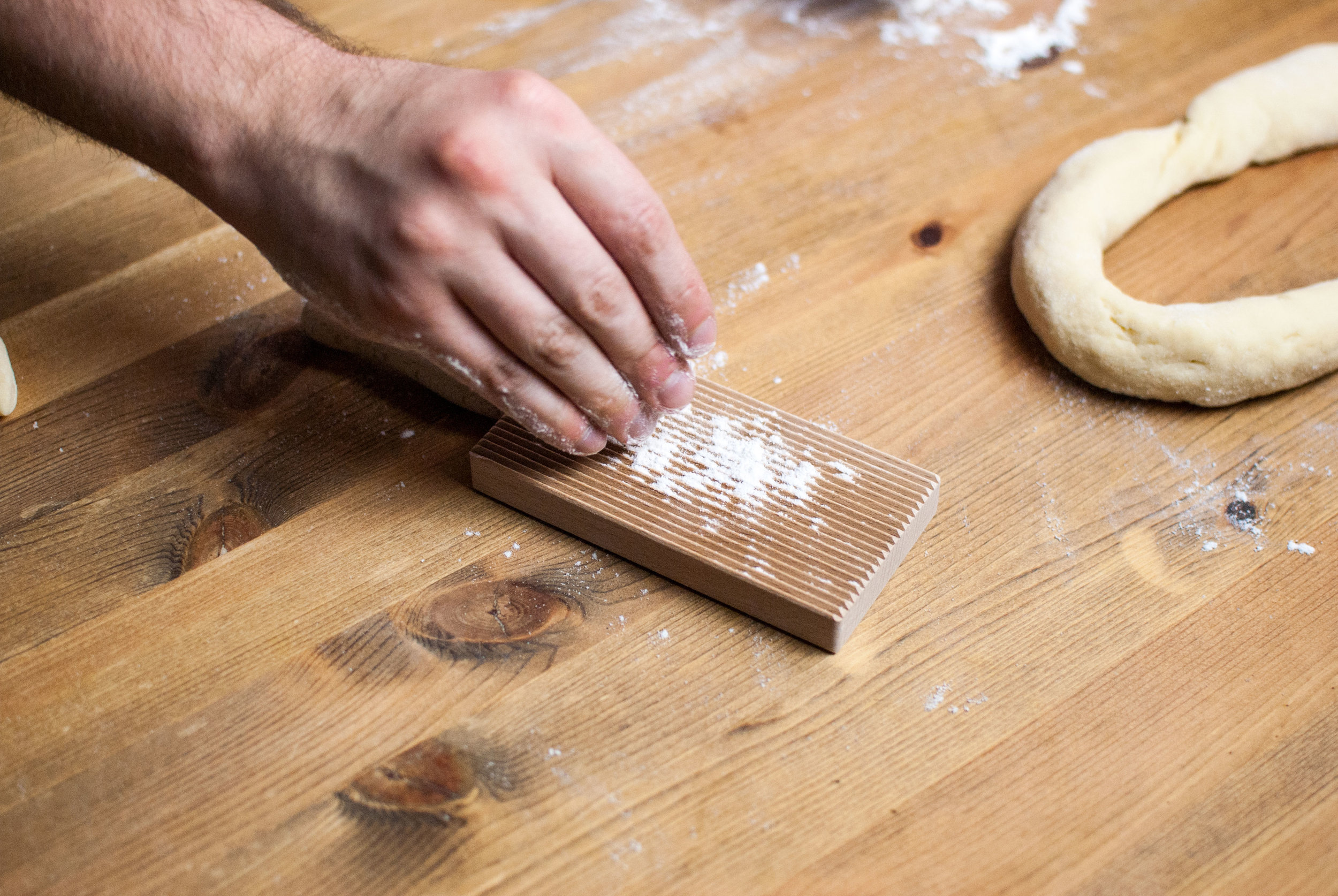
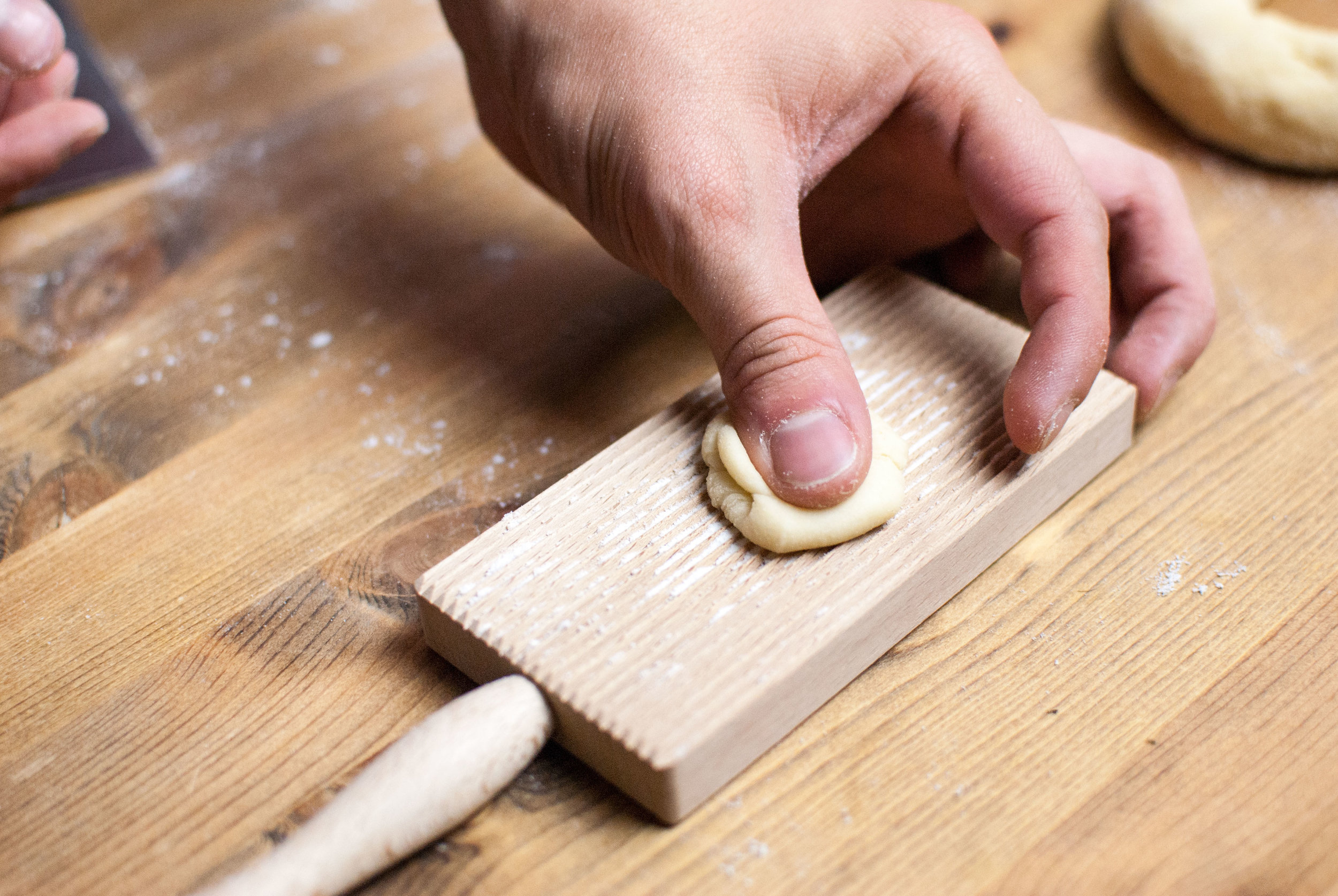
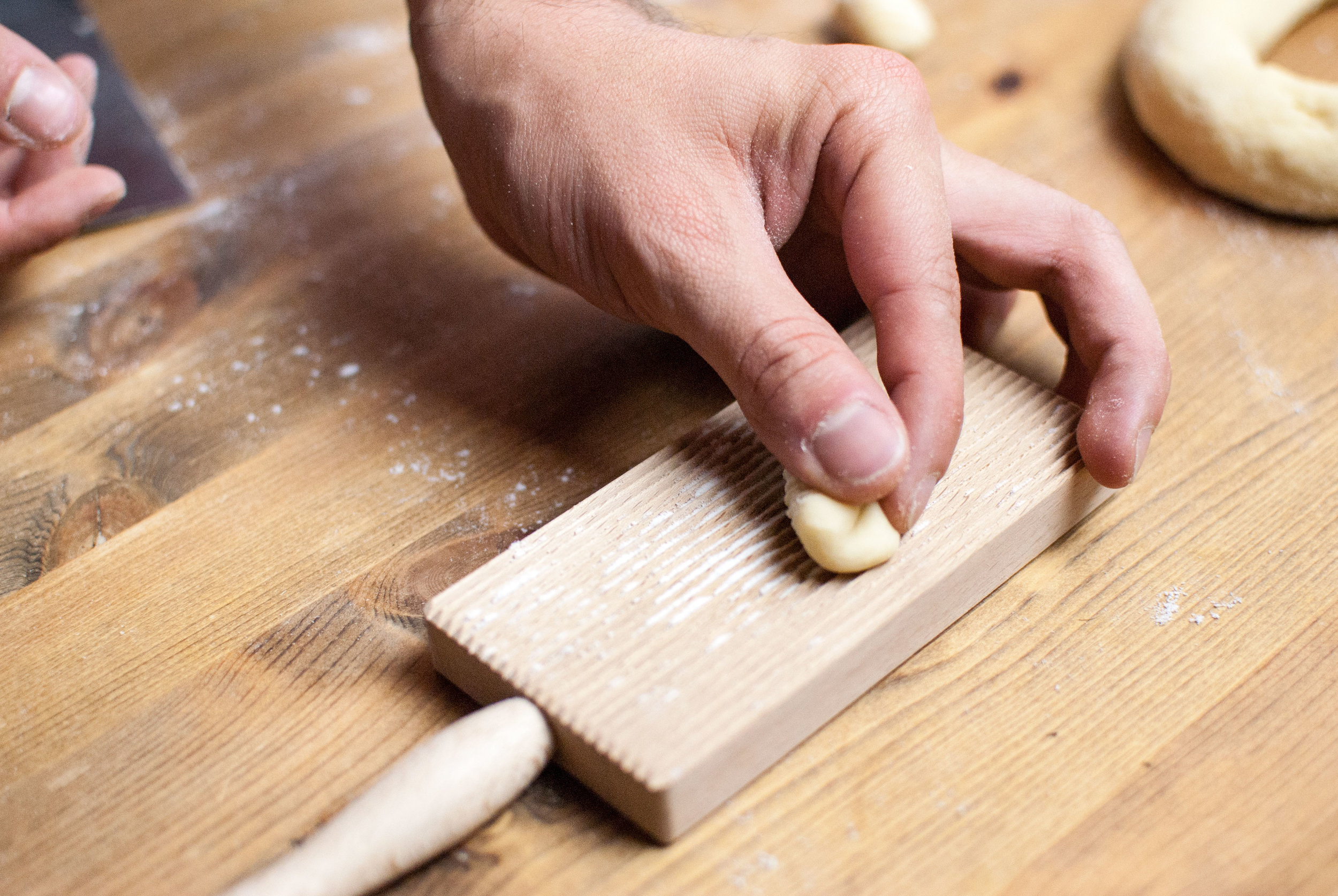
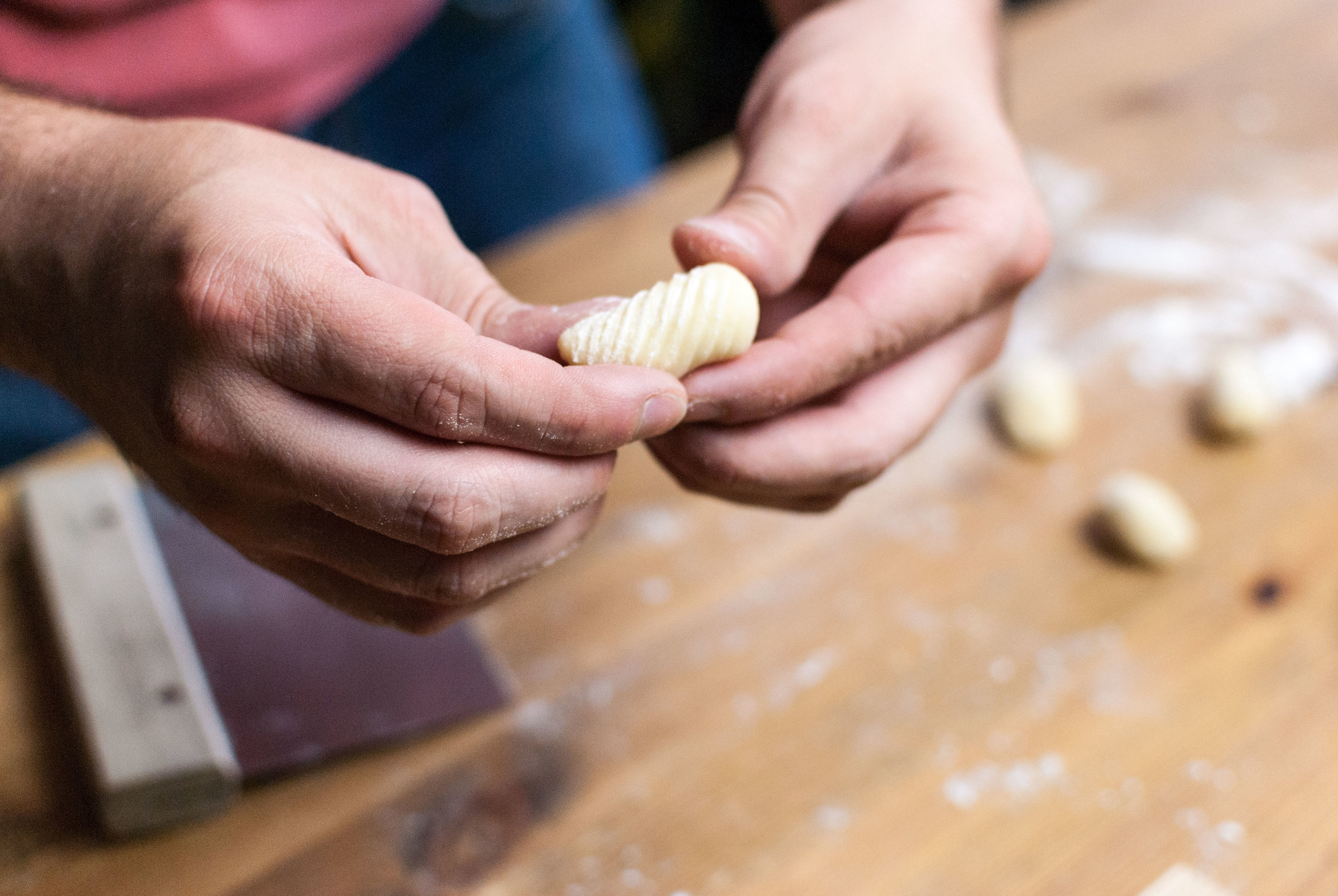
    Optional: After cutting the dough, you’re welcome to press your little gnocs onto a gnocchi board to get their groove on. Simply take a gnocch and press it with your thumb onto a floured board, almost like a thumb print cookie, then remove it and fold it into itself so it returns it’s round shape once again with the grooves facing outward (duh). I’ll admit, it’s a bit of a tedious process, but they do look lovely when they’re finished and they really do hold more sauce. I’d recommend this method if you’re tossing them in a tomato sauce.

    gnocchi_dough_19.jpg

    Yields about 65-70 gnocchi, roughly 4 servings.
  • Leek Powder Pierogis


    Leek-Powder-Pierogi-5.jpg

    We are very often products of our upbringing. This recipe is a really fun blend of my mother’s culinary curiosity and my father’s Polish ancestry.
    Leek powder was borne out of my mother getting sick of throwing out leek greens, so she found a way to use them and even make them keep for a long time. Gastronomically she was gifted with preserving things, and she was willing to give anything a chance. Anything.

    My father loves feeling connected to his Polish roots, and one of the main ways that he returns to them is through food. It’s the little things like sauerkraut, a well-made kielbasa, or the richness of sour cream that take him back.

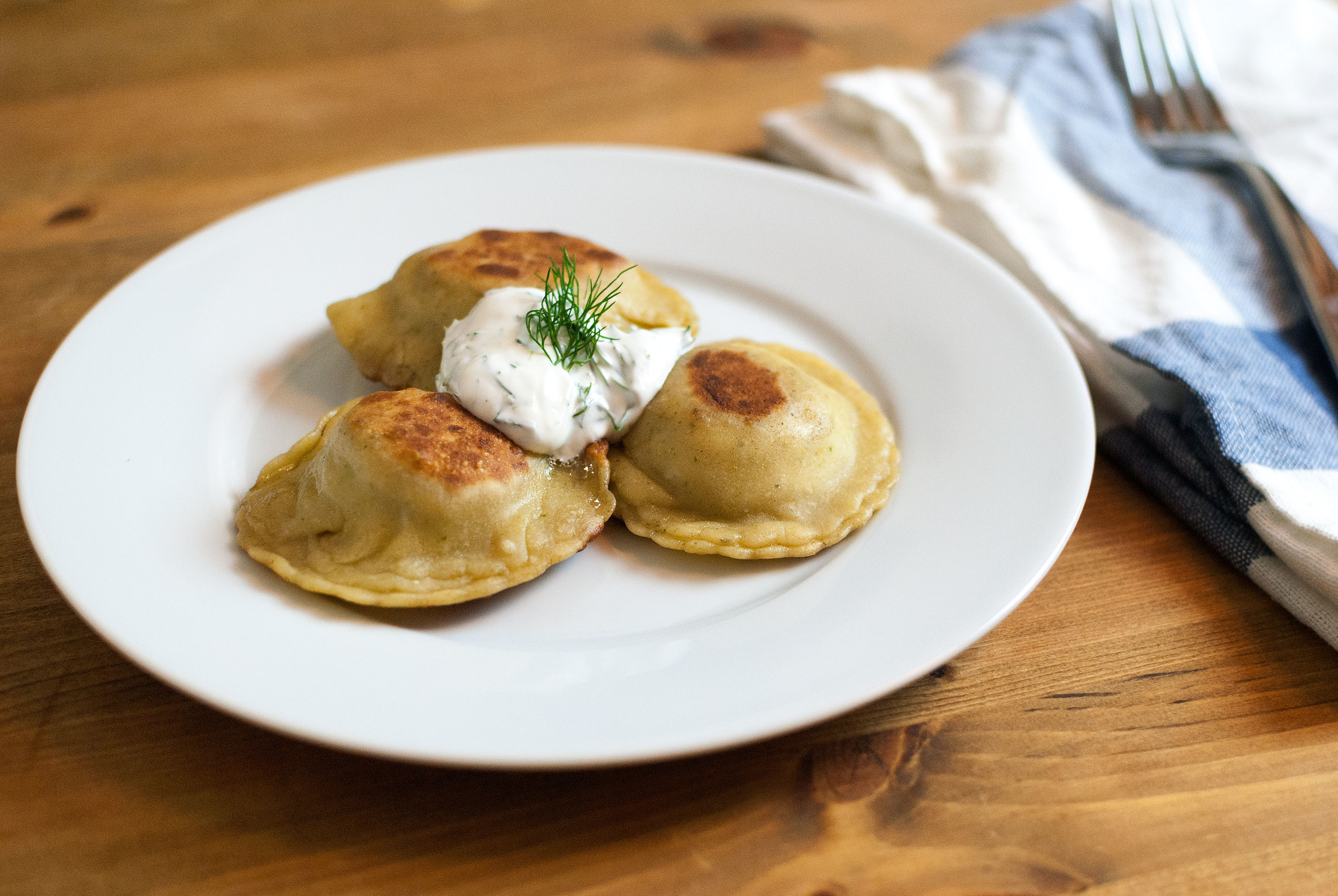
    Naturally, I inherited both of these compulsions, so here we are. Pierogis are just about the most Polish thing I can think of, and I love the crap out of them. Crispy and cheesy potato dumplings. What’s not to like? To bring this to another level, I decided to try adding a little bit of my mother’s evil genius influence. The leek powder gives the dough a fun color and a wonderful herb-like flavor that’s perfect for its potato counterpart.
    Leek powder pierogi dough

    • 2½ cups (300 g) all-purpose flour, plus more as needed
    • ½ cup lukewarm water
    • 1 egg, room temperature
    • 2 tbsp. sour cream
    • 1 tsp. salt
    • 1 tbsp. leek powder

    Potato filling

    • 2 cups mashed red potatoes (about 1 lb raw potatoes)
    • 2 tbsp chives, chopped
    • 1 tsp. salt
    • 2 oz. cheddar, shredded
    • 1 tbsp. butter
    • ½ tsp. fresh ground pepper

    Knead all the ingredients for the pierogi dough together until combined. The dough should be only slightly sticky, so add more flour as needed. Refrigerate for 30 minutes to let the leek flavor infuse and the flour bind to the moisture.

    While the dough rests, boil quartered potatoes until soft. Strain and mash, adding cheese, butter, salt, and pepper. Mix until fully incorporated. Allow the mixture to cool slightly before adding the chives; they shouldn’t cook.

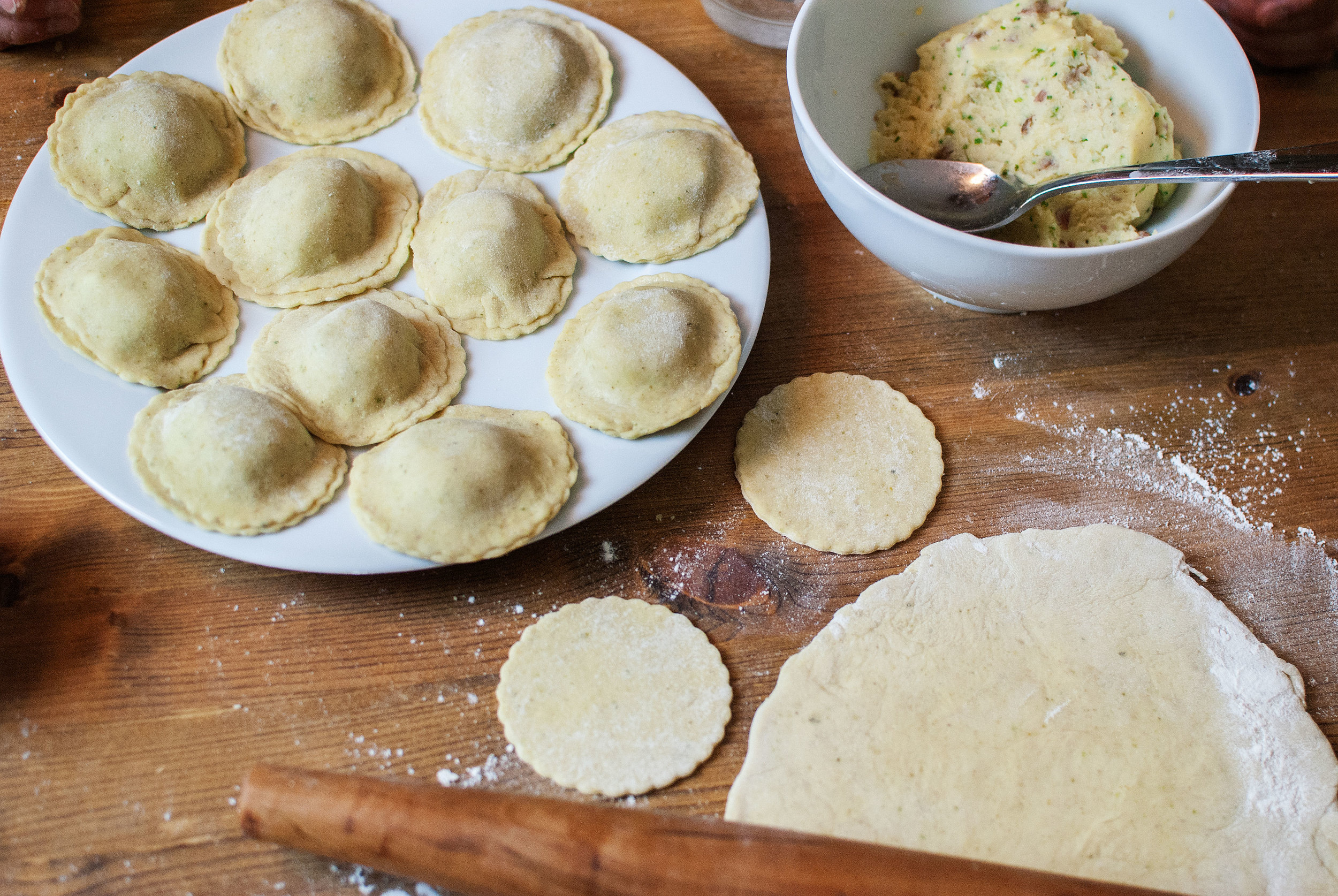
    Roll out the dough to about ⅛” (thinner is okay) and use a cookie or biscuit cutter to cut out the dough. Use two pieces of dough per pierogi, spooning about ½ tbsp. (think half a ping pong ball) of potatoes on one. Wet your fingers and dab it around the edges, sealing it.

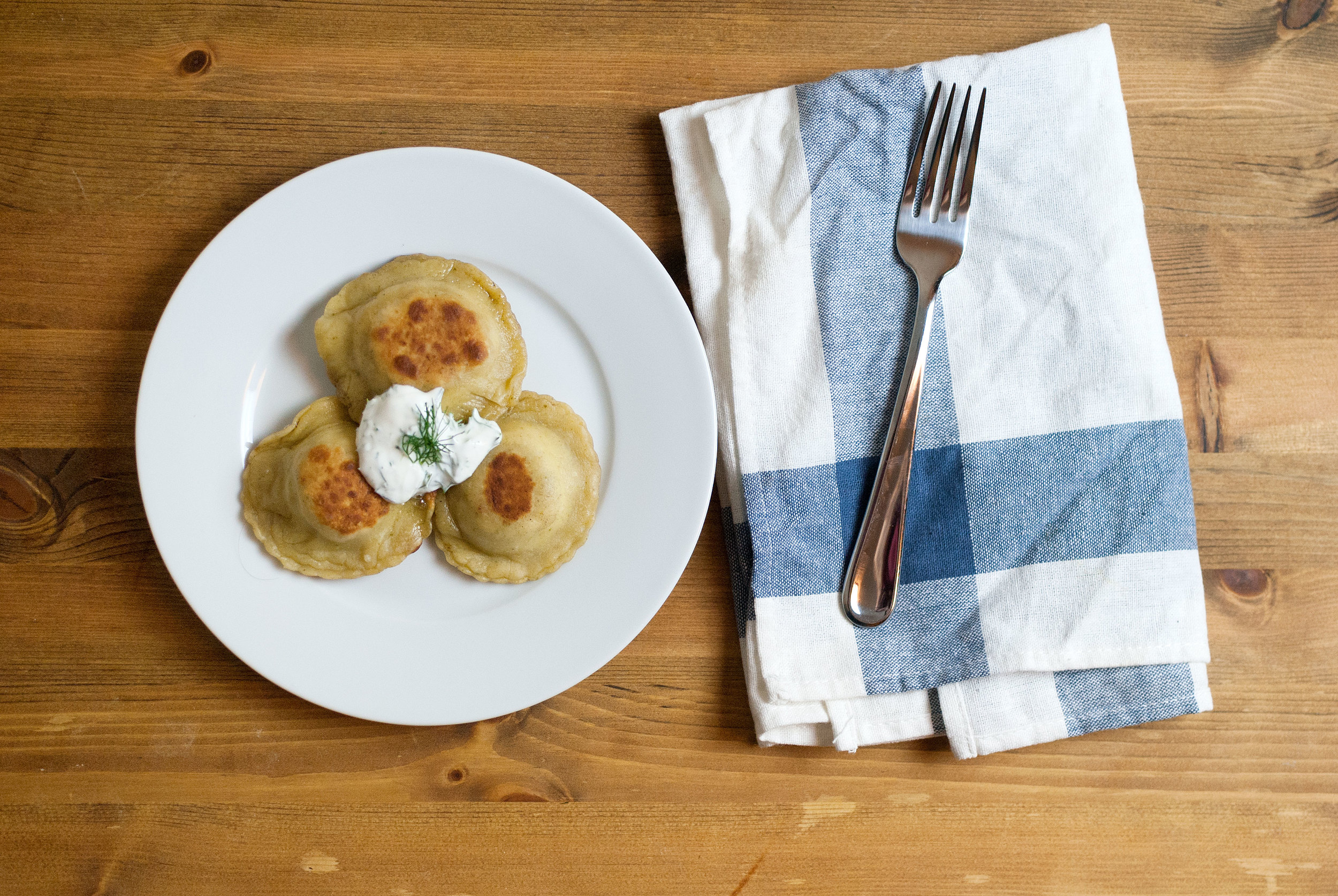
    Heat a skillet with 1/2 tbsp. butter over medium heat. Cook until golden brown on both sides. Serve with sour cream, applesauce, fresh dill, or caramelized onions.

    Makes 24 pierogis.

  • Spaghetti and Meatballs


    spaghetti_and_meatballs_04.jpg

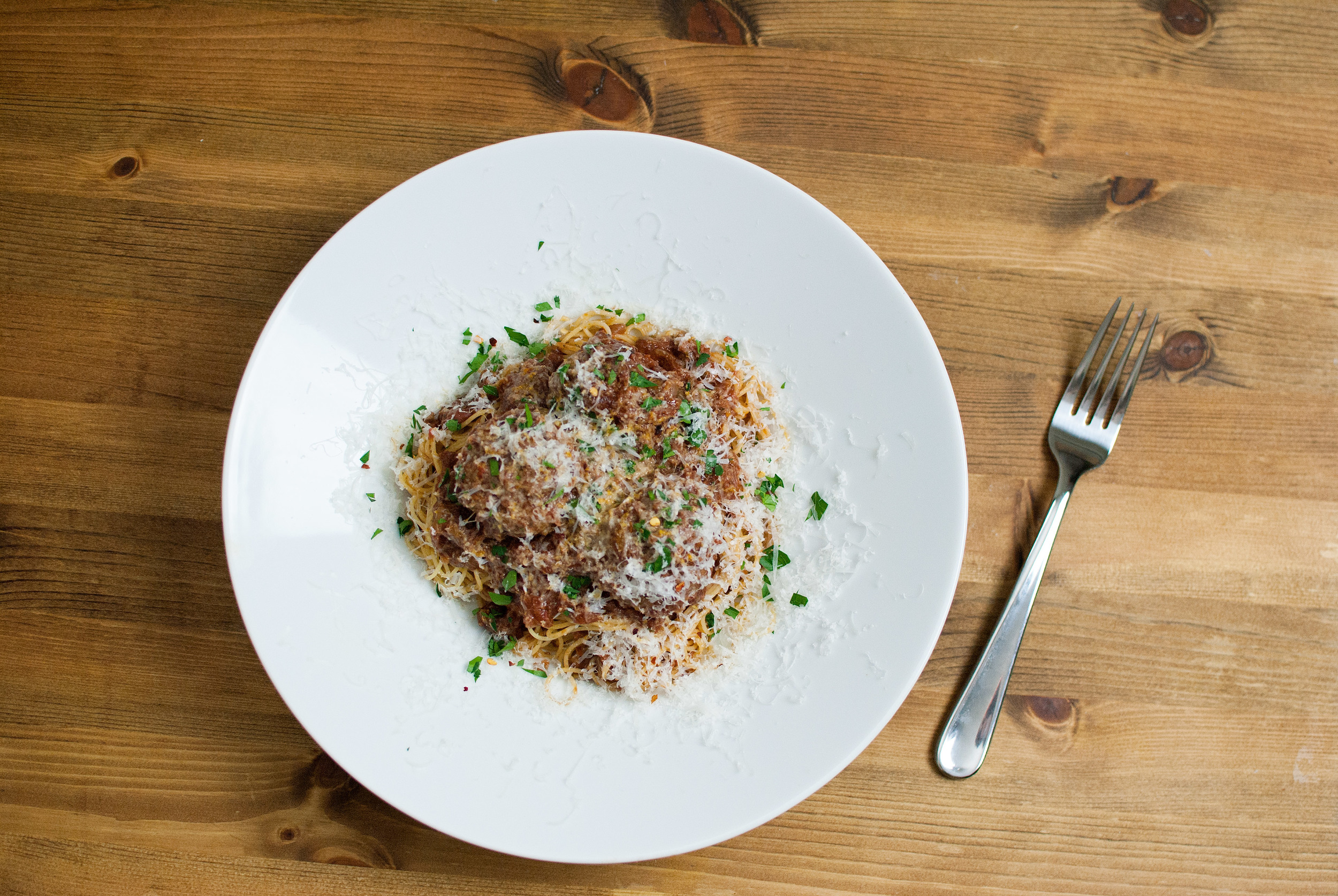
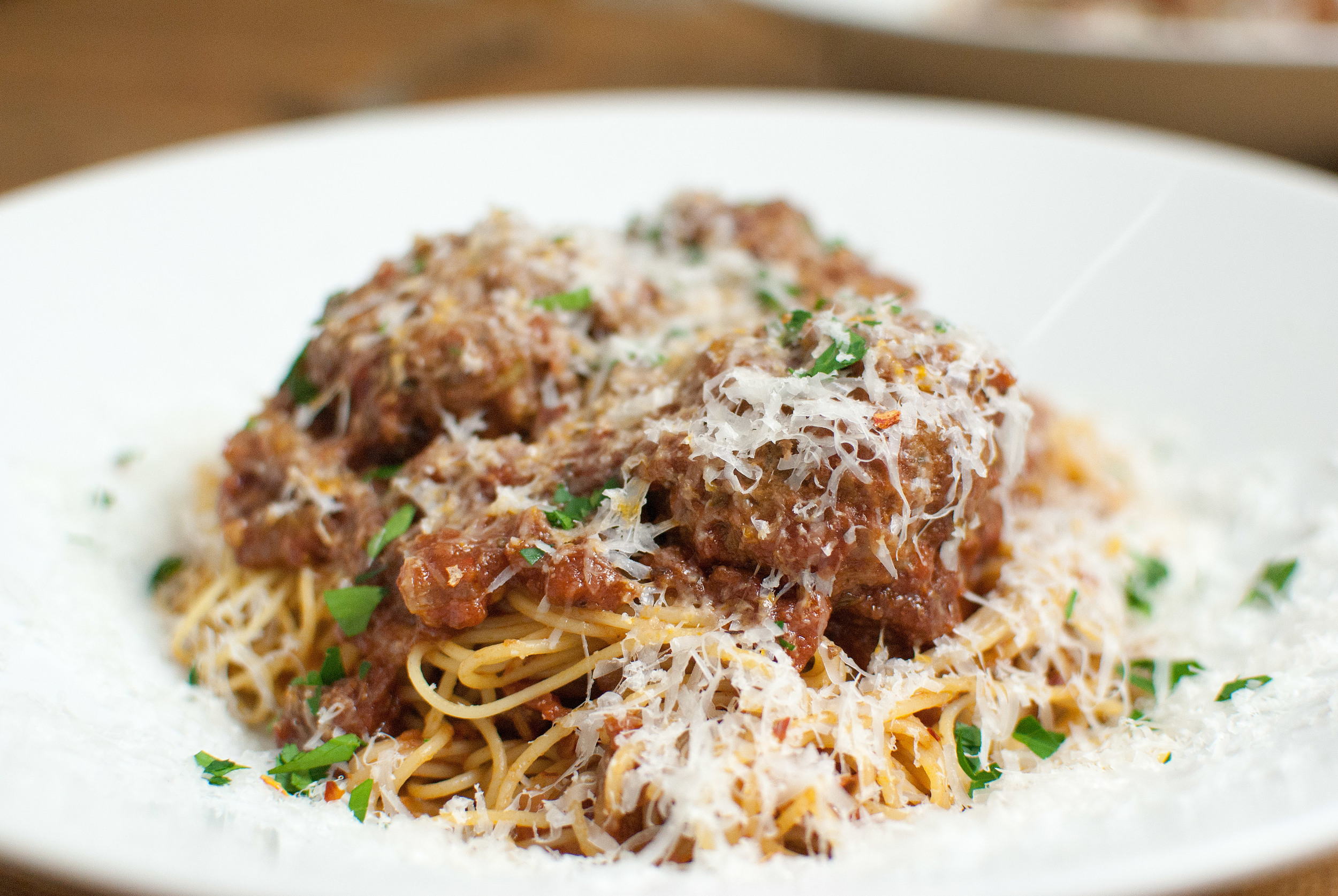
    We’ve been on a pasta kick, and what good is a that if you don’t have spaghetti and meatballs in there somewhere? If you play your cards right and have the marinara prepared ahead of time, you can make this rich and relatively quick spaghetti and meatballs easily…perhaps a bit too easily.
    Instead of using homemade noodles for this, we opted for packaged angel hair spaghetti, which we think gives the dish more diverse textures. Any pasta will do. At the end of the day, though, it’s all about the sauce and the balls.


    spaghetti_and_meatballs_01

    spaghetti_and_meatballs_01

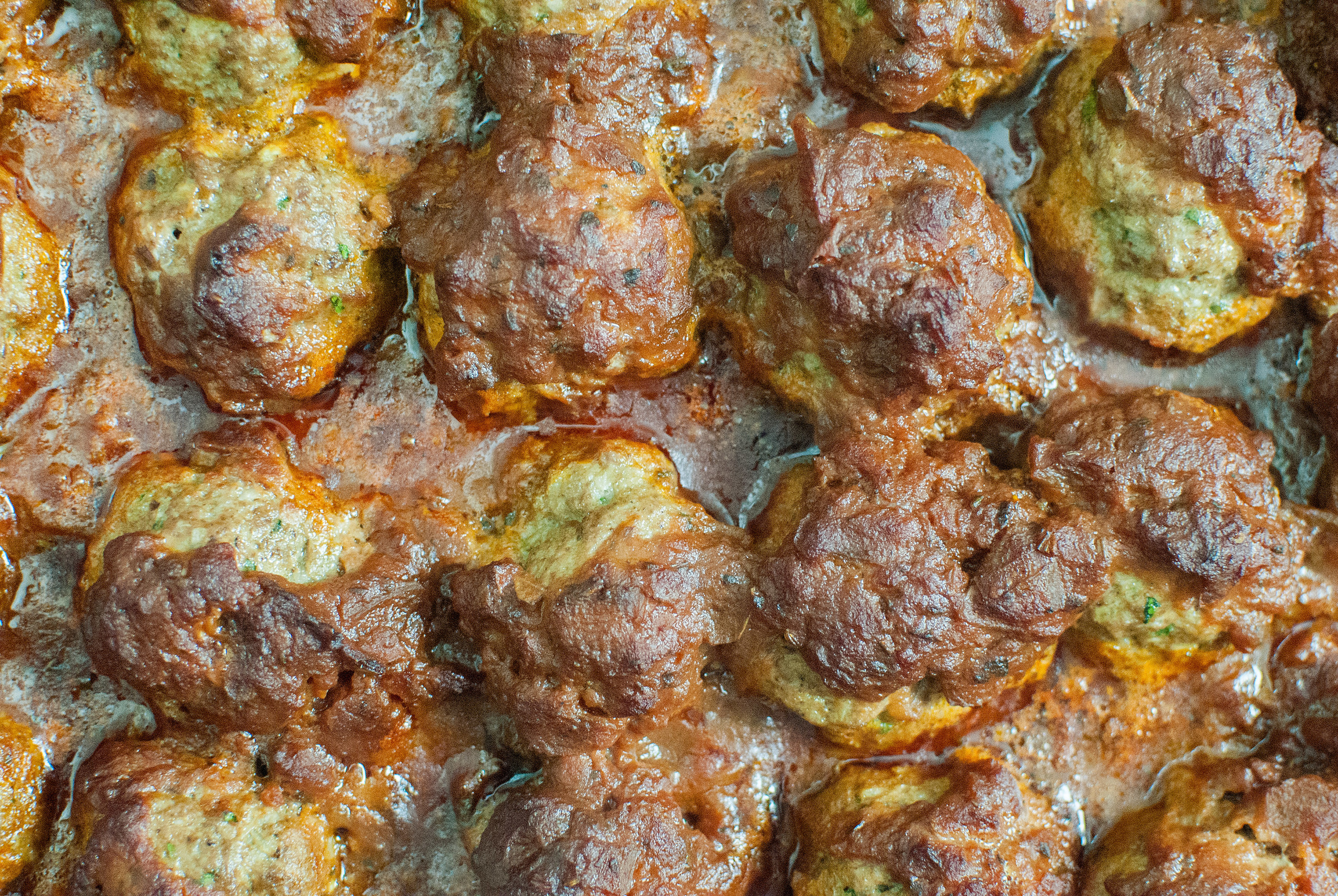
    One trick we use is to soak the breadcrumbs in red wine. Since we use Pinot noir in our marinara, it’s a perfect match. This recipe will make a lot of meatballs, so hope is that you’ll have enough for leftovers.

    Spaghetti and Meatballs

    • ¼ cup homemade breadcrumbs
    • ¼ cup Pinot noir red wine
    • ½ lb. ground pork
    • ½ lb. ground beef (not lean)
    • ½ oz. (about ¼ cup) Italian parsley, packed
    • ½ onion, diced
    • 3 cloves garlic
    • 1 egg
    • ½ tsp. fresh ground black pepper
    • 1 tsp. salt
    • 1 quart marinara (we recommend Nate’s Pinot Noir Marinara)
    • 6 oz. dried angel hair pasta
    • parmesan, Italian parsley, red pepper flakes to finish

    Preheat oven to 350°F.

    Soak the breadcrumbs in the wine in a small bowl until the breadcrumbs have absorbed all of the wine, about five minutes. Place meats, onion, parsley, garlic, egg, salt, pepper, and soaked breadcrumbs in the bowl of a large food processor. Pulse until combined. Don’t process too much or you’ll whip the egg, which isn’t what you want here.

    Prepare a 13 x 9 baking dish with about half the marinara spread evenly. Set aside.

    Divide meat into 1.5-inch balls and place into the baking dish, leaving some room around the meatballs so they don’t stick together. Cover the meatballs with the rest of the marinara.

    Bake, uncovered, for 45 minutes, or until a meat thermometer reads 160°F.

    Put a large pot to boil.

    Remove from oven and let cool for 10 minutes. Stir the marinara to incorporate the rendered fat and roasted bits that were on top of the meatballs. While the meat cools, cook pasta al dente. Strain and toss noodles with just enough marinara to coat the noodles. Serve with more marinara and three meatballs. Garnish with parmesan cheese, chopped parsley, and red pepper flakes to taste.

    Yields about 18 meatballs.


    spaghetti_and_meatballs_03

    spaghetti_and_meatballs_03

  • Chard and Walnut Pesto


    DSC00361.jpg

    I’m not gonna lie. The conception of this dish resulted from me trying to be totally cheap. Basil is usually overpriced, and lasts for, like, a freakin’ day. I get stressed when I have basil in my fridge. I’m serious. Oh, and heaven knows why pine nuts are 50 bucks a pound. Were they harvested by an endangered genus of sparrow who delicately extract them with their dainty beaks from the cones of old growth pine trees on the summit of some deserted mountaintop? Even Costco can’t give you much of a break on this one.
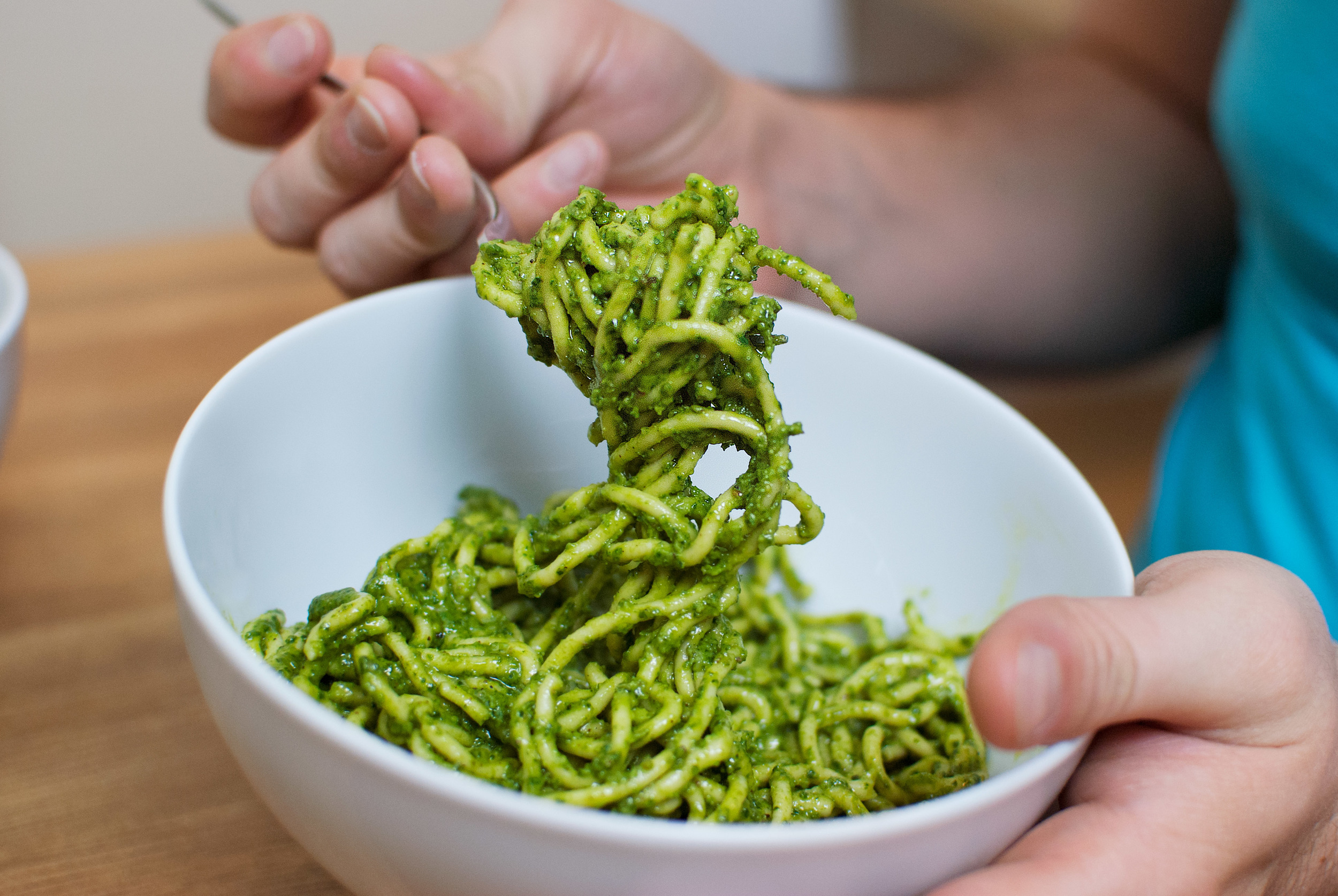
    But pesto is an amazing, beautiful, luscious thing, and sometimes you’ve just gotta have it. So you bite the bullet and spend the money on the ingredients, and it’s usually worth it. But it doesn’t always need to be such an expensive undertaking. As a way to avoid spending 30 dollars to make something fresh and fast, I looked to other ingredients. After experimenting with a few different greens and nuts, I concocted this. It’s a darker, more savory, and slightly bitter pesto that’s a little heartier than its basil-y sibling. Oh, and it’s way cheaper to make.

    Eat your greens, kids.

    Chard and Walnut Pesto

    • 2 cups green chard leaves, stems removed, torn, and tightly packed
    • ⅓ cup walnuts, roughly chopped and toasted
    • ¾ cup parmesan cheese, grated
    • ¾ cup olive oil
    • ¼ tsp. red pepper flakes
    • salt & pepper to taste


    chard-walnut-pesto-04

    chard-walnut-pesto-04

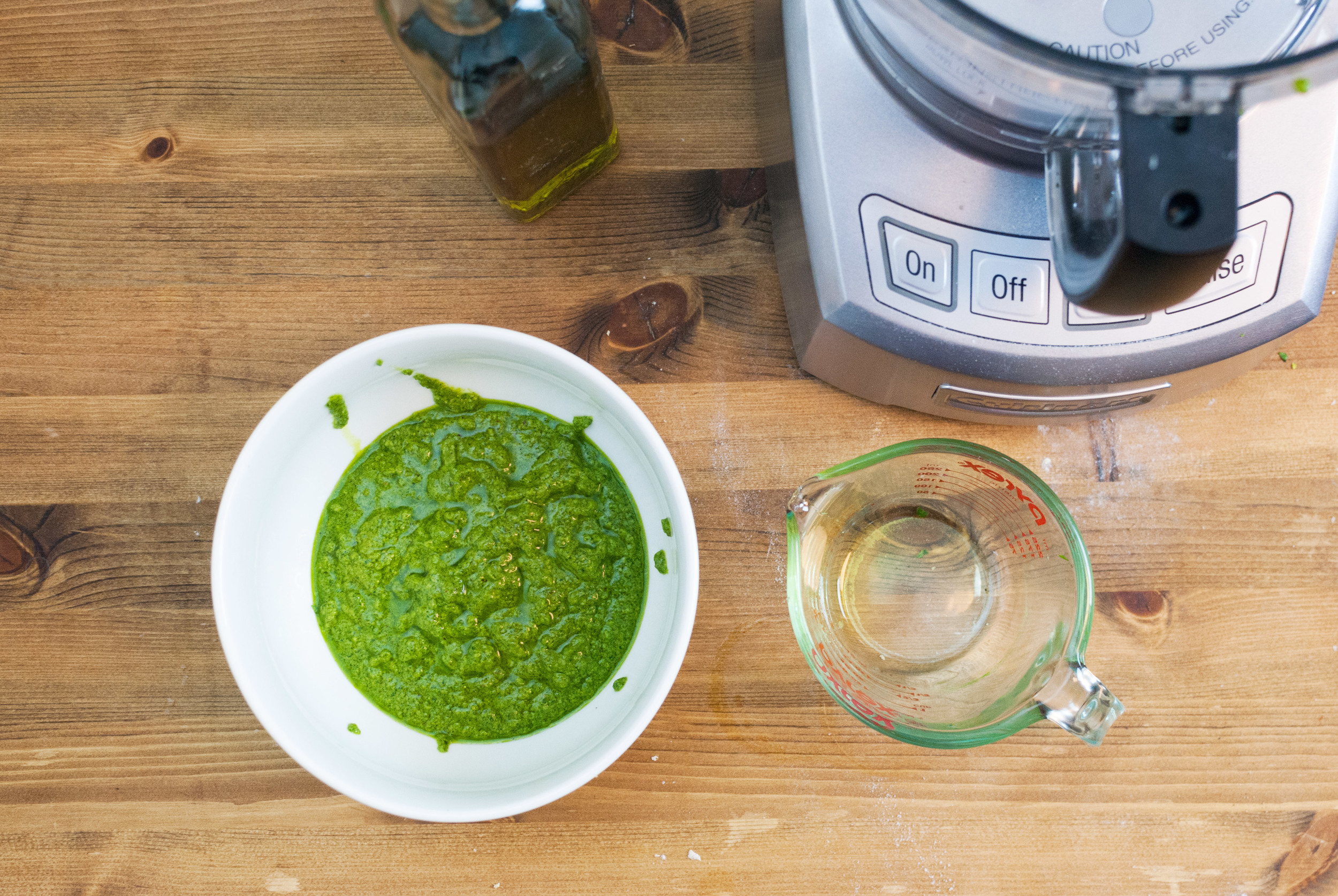
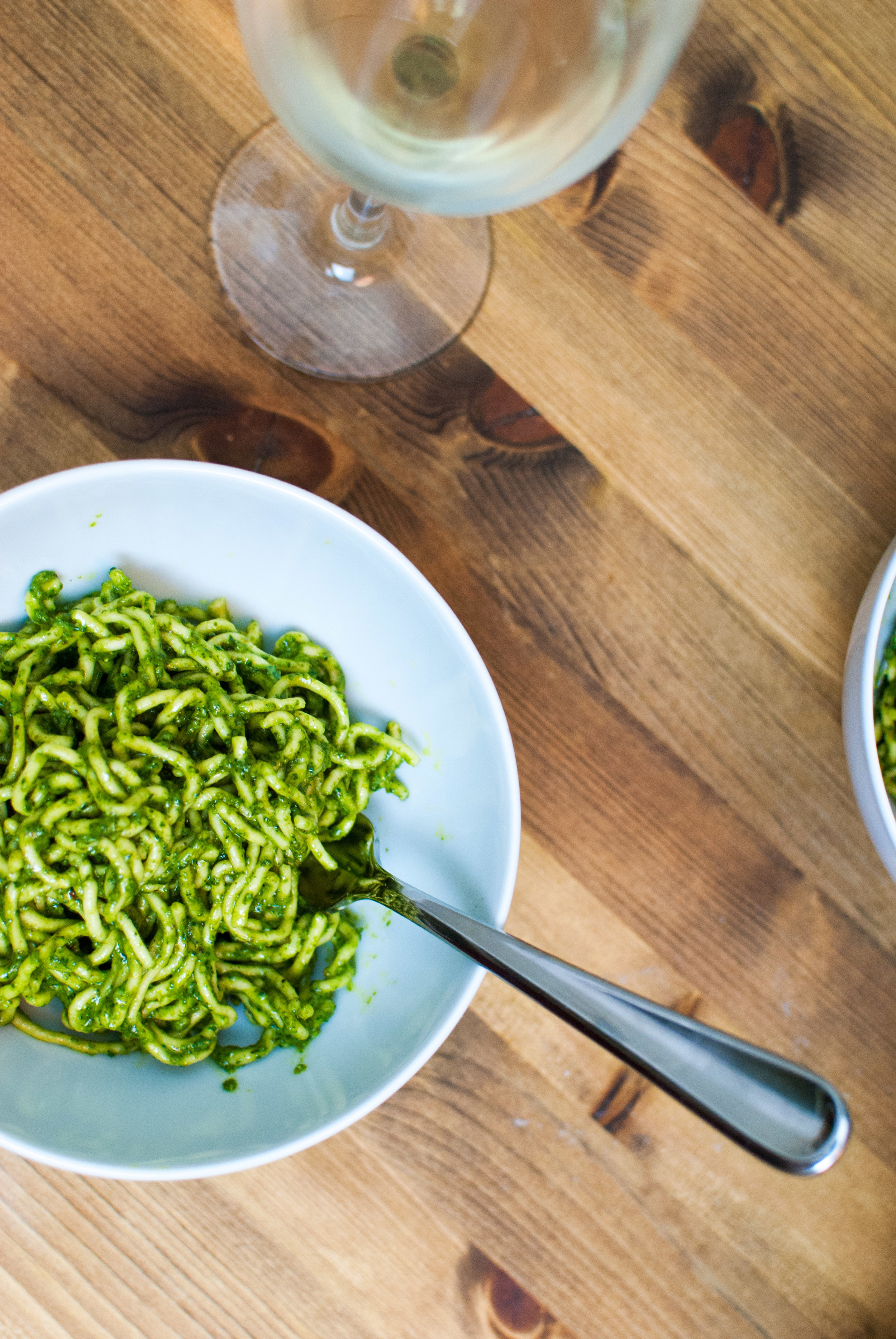
    In a food processor, pulse the walnuts, cheese, and chili flakes together until smooth. Add the chard leaves and blend. Pour the oil in through the top slowly and steady to help emulsify. Blend everything until completely smooth. Taste test for salt and pepper then adjust accordingly. Toss with pasta and serve.

    Yields enough pesto to coat an entire batch of everyday pasta, or 12 ounces of dry pasta.

    Serves 4, or 2 for two meals


    chard-walnut-pesto-01

    chard-walnut-pesto-01

  • Lemon Basil Lasagna


    Lasagna-03.jpg

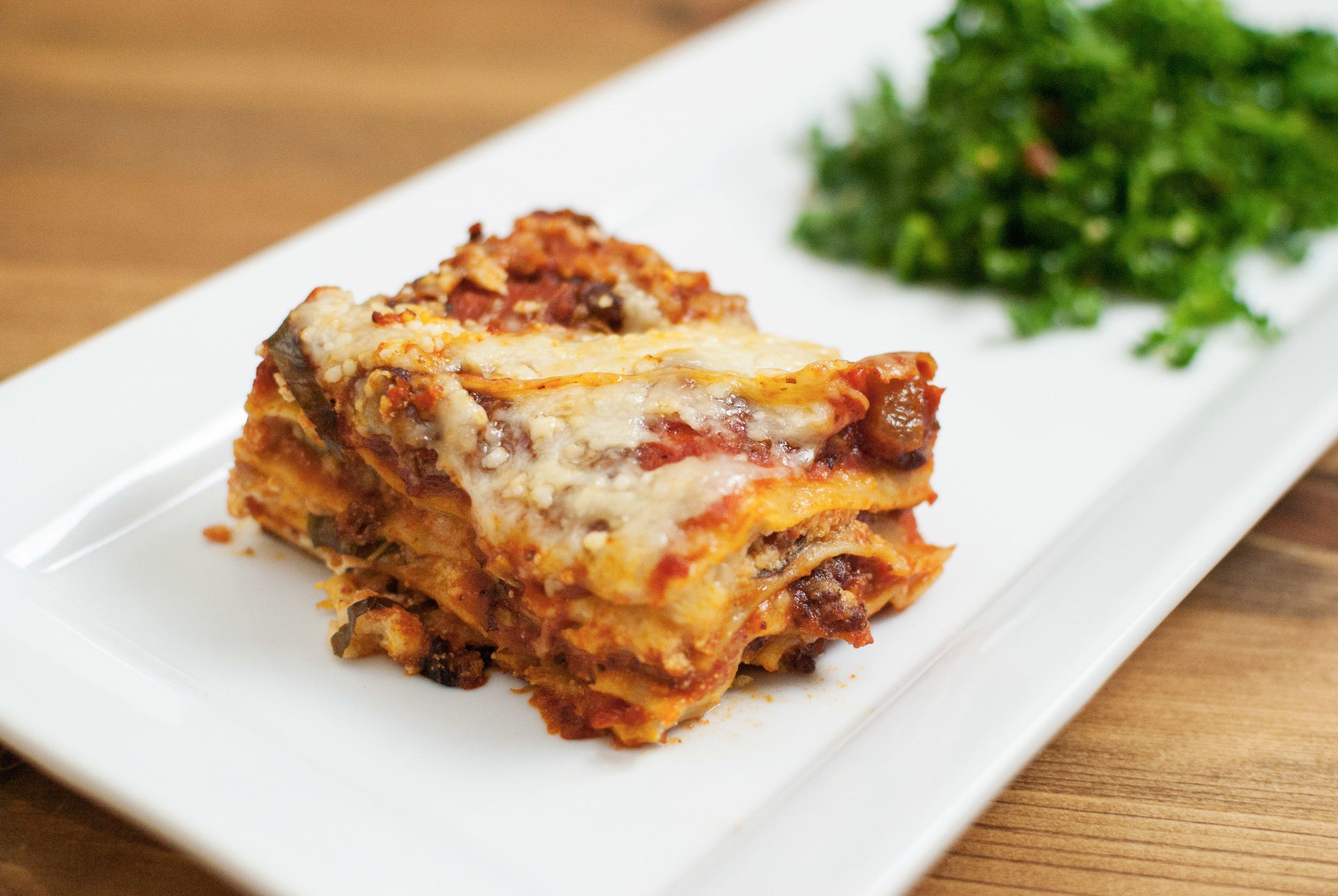
    Sometimes, we like to go all out on a meal. Lasagna is one of those meals. We know we’ve been posting some quick recipes that you can make on a typical weeknight, but this one—this one is for the weekend.
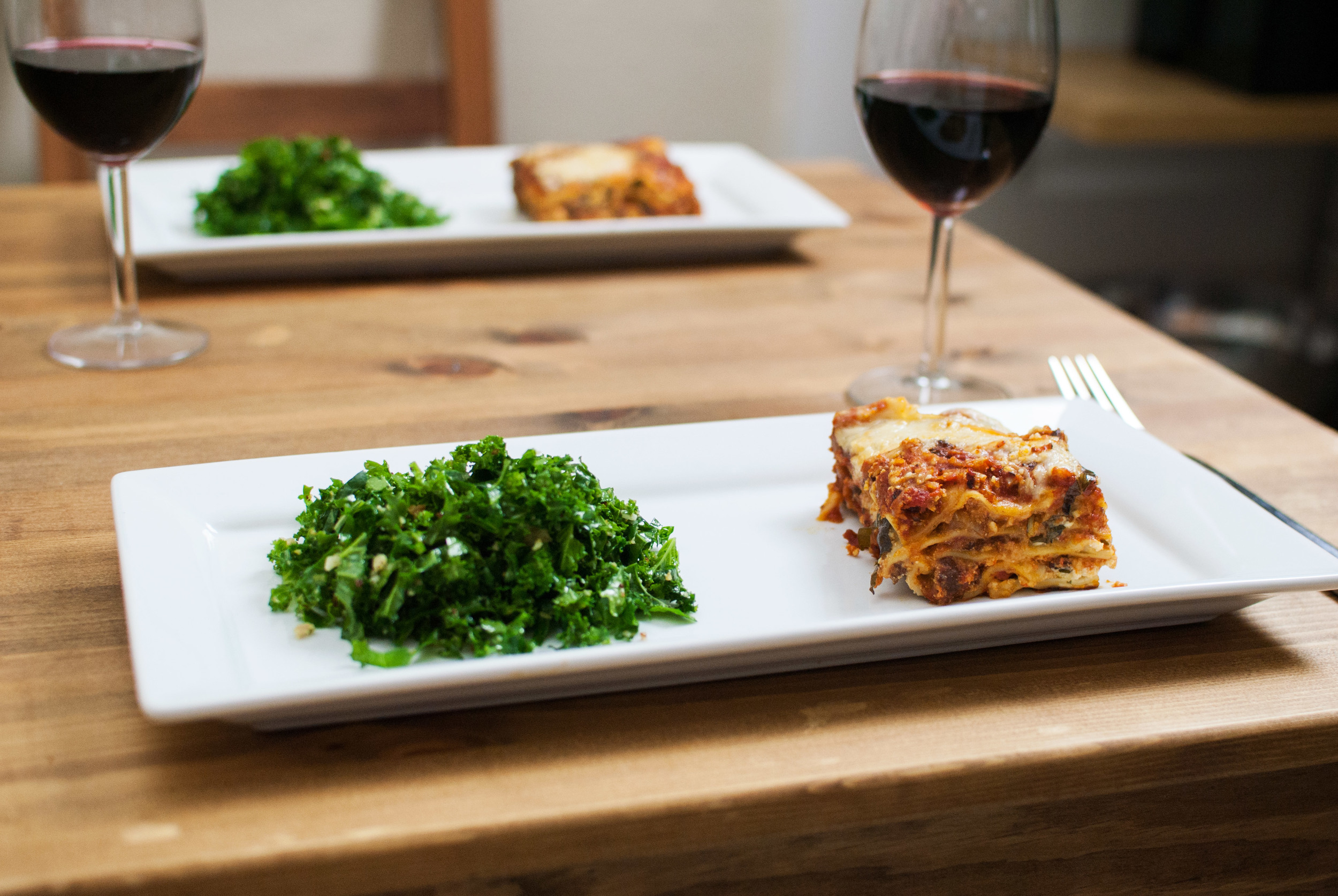
    Lasagna is a production, especially if you’re making (almost) everything from scratch. For this we used Nate’s pinot noir marinara, but instead of using oil to caramelize the onions, we opted for rendered fat from ground pork. What really makes this shine, though, is Jon’s lemon-infused ricotta mixture. It accents the tart umami of the marinara perfectly, giving the lasagna a duality: rich and floral.

    Lemon Basil Lasagna

    • 1 batch everyday pasta, rolled to 5 or 6 thickness or 1 12-oz. package of no-boil lasagna noodles.
    • 2½ c. shredded mozzarella
    • ¼ c. parmesan reggiano or pecorino romano, grated

    Sauce

    Ricotta mixture

    • 1 15-oz. container whole fat ricotta cheese
    • ½ c. grated parmesan reggiano or pecorino romano, grated
    • 1 lemon, juice and zest
    • ½ oz. basil leaves, chiffonade
    • 1 egg
    • salt & fresh ground pepper to taste

    For the sauce, follow the directions here, browning the pork sausage in the same pot for the marinara over medium high heat. Remove the meat from the pan using a strainer, leaving the rendered fat and add diced onions to the hot pan. Add a small amount of oil if needed. Add the rest of the ingredients and reduce sauce for up to 1½ hours, stirring constantly.

    While the sauce is reducing, make the pasta dough.

    Preheat oven to 350°F (180°C).

    Mix the ricotta, parmesan, basil leaves, lemon juice and zest, and egg in a medium bowl.

    Roll out pasta into lasagna noodles and coat with a light dusting of flour to keep from sticking. Take a 13″ by 9″ baking dish and coat the bottom with just enough marinara, about 1 cup. Place a layer of noodles in the pan.

    Dollop in about a third of the ricotta mixture and spread evenly over the noodles. Add about ¾ cup marinara and spread evenly. Sprinkle ¾ cup mozzarella on top and place another layer of noodles on top of the layer. Congrats! This is your first layer!

    Repeat this twice.

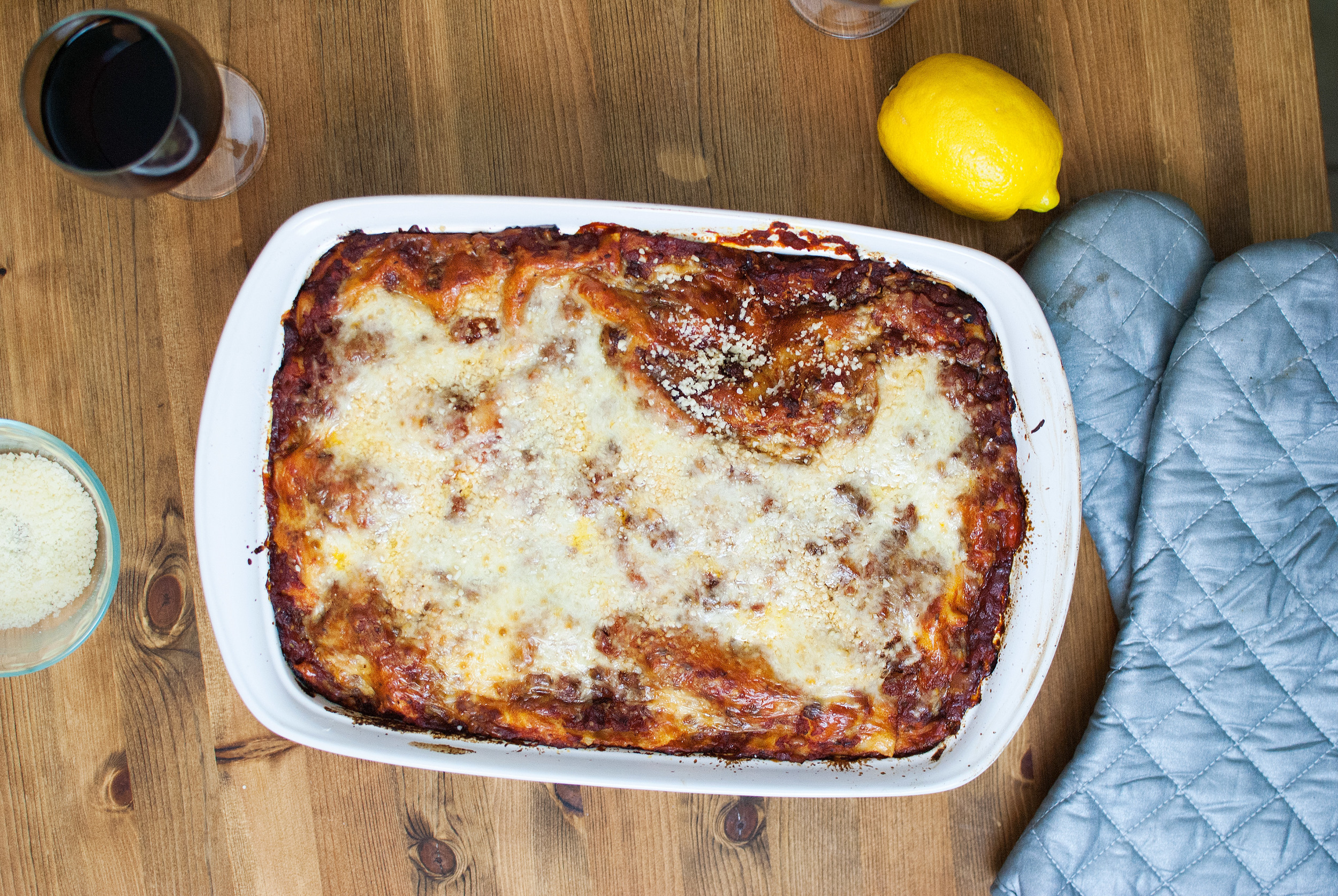
    For the top, spread enough marinara to cover the noodles thinly. Sprinkle remaining mozzarella and parmesan over the top. Cover with foil. Bake covered for 40 minutes. Remove foil carefully (use an oven mitt!) and bake for another 15–20 minutes, until cheese is browned and the lasagna is boiling.


    Lasagna-01

    Lasagna-01

    Remove from oven and let rest for 10–15 minutes before serving.

    Serves 8.


    Lasagna-02

    Lasagna-02

  • Chicken Marsala with Fettuccine


    DSC0059.jpg

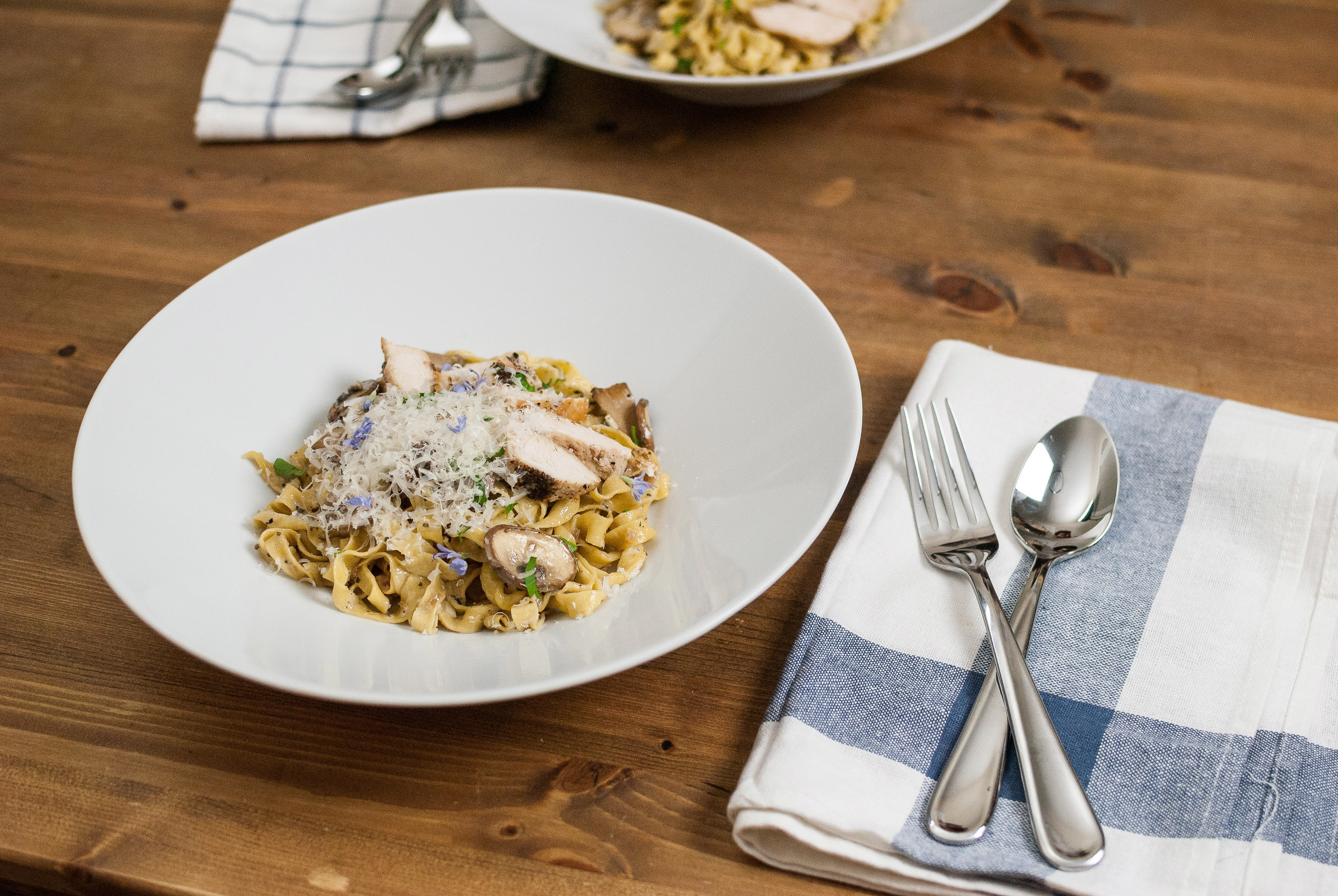
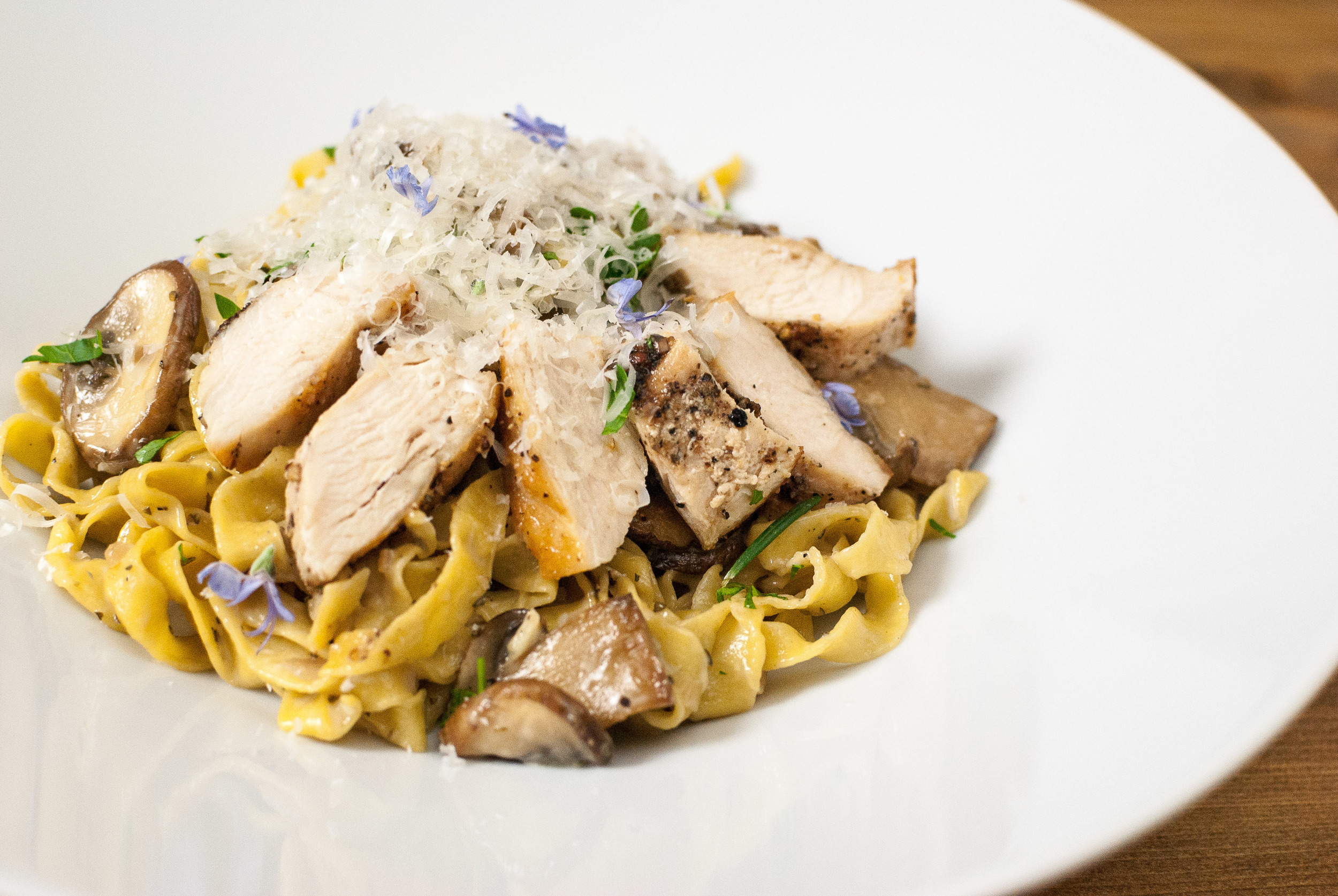
    Relatively quick and easy. Complex, rich, savory, and sweet. It’s hard to keep track of how many times we have made this recipe. It’s our standard cream sauce pasta dish, giving the boot to the run-of-the-mill fettuccine alfredo. You won’t find anything out of the ordinary with this recipe. It’s just really really good. Oh, and we added rosemary to the sauce, because who are we kidding. It’s us.
    We fucking love rosemary.

    Chicken Marsala with Fettuccine

    • 1 batch sexy pasta (½ batch everyday pasta) or 6 oz. dried fettuccine
    • ½ lb. chicken breasts (1–2 breasts)
    • 1 small shallot, minced
    • 1 8-inch sprig rosemary, leaves only, minced
    • ½ pound cremini mushrooms (roughly 6 large), sliced ¼-inch thick
    • 1 clove garlic, minced
    • ½ cup marsala wine
    • ¾ cup whipping cream
    • salt and pepper to taste
    • parmesan cheese, for garnish
    • Italian parsley, for garnish
    • red pepper flakes, for garnish
    • rosemary flowers, seasonal, for garnish


    Chicken-Marsala-2

    Chicken-Marsala-2

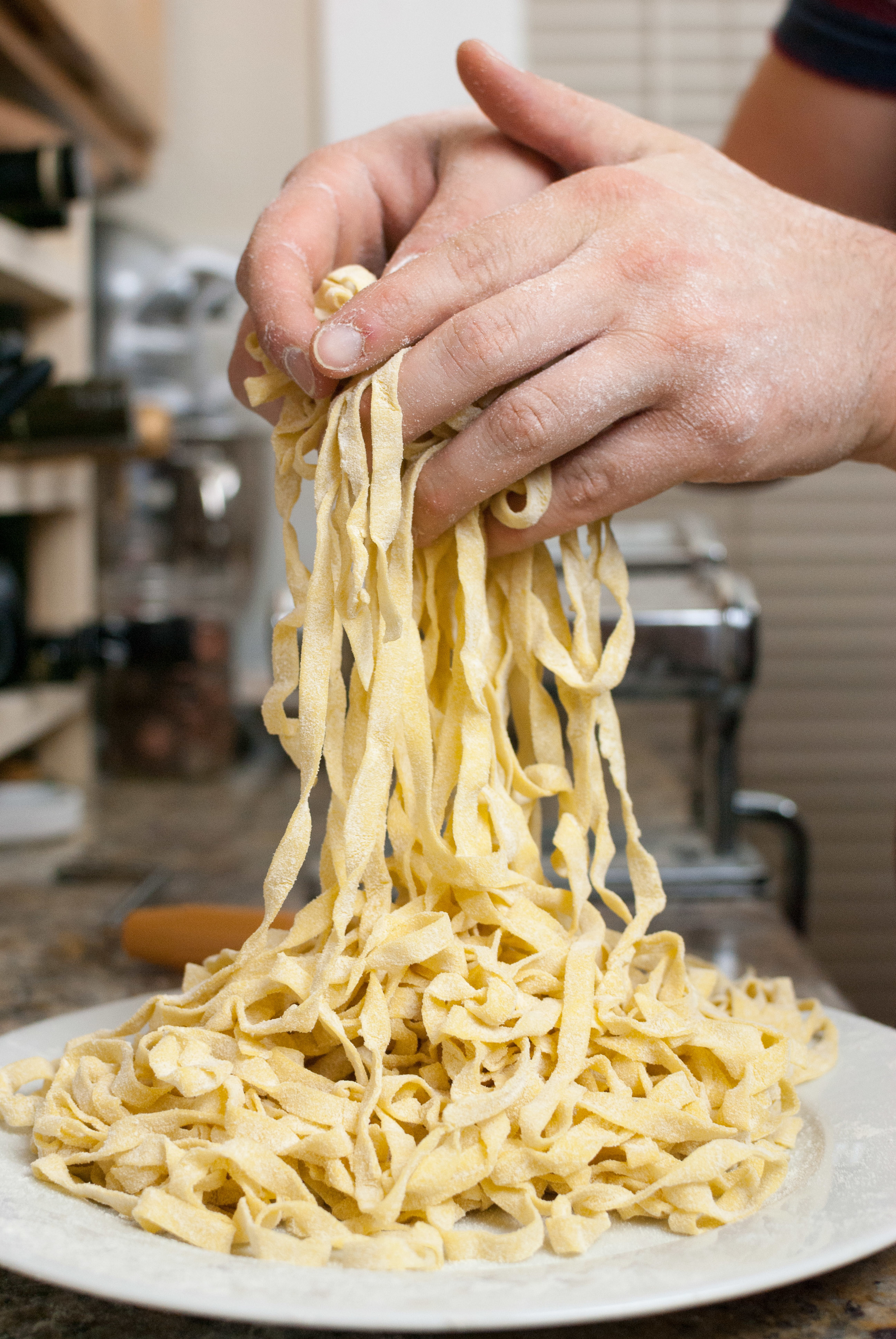
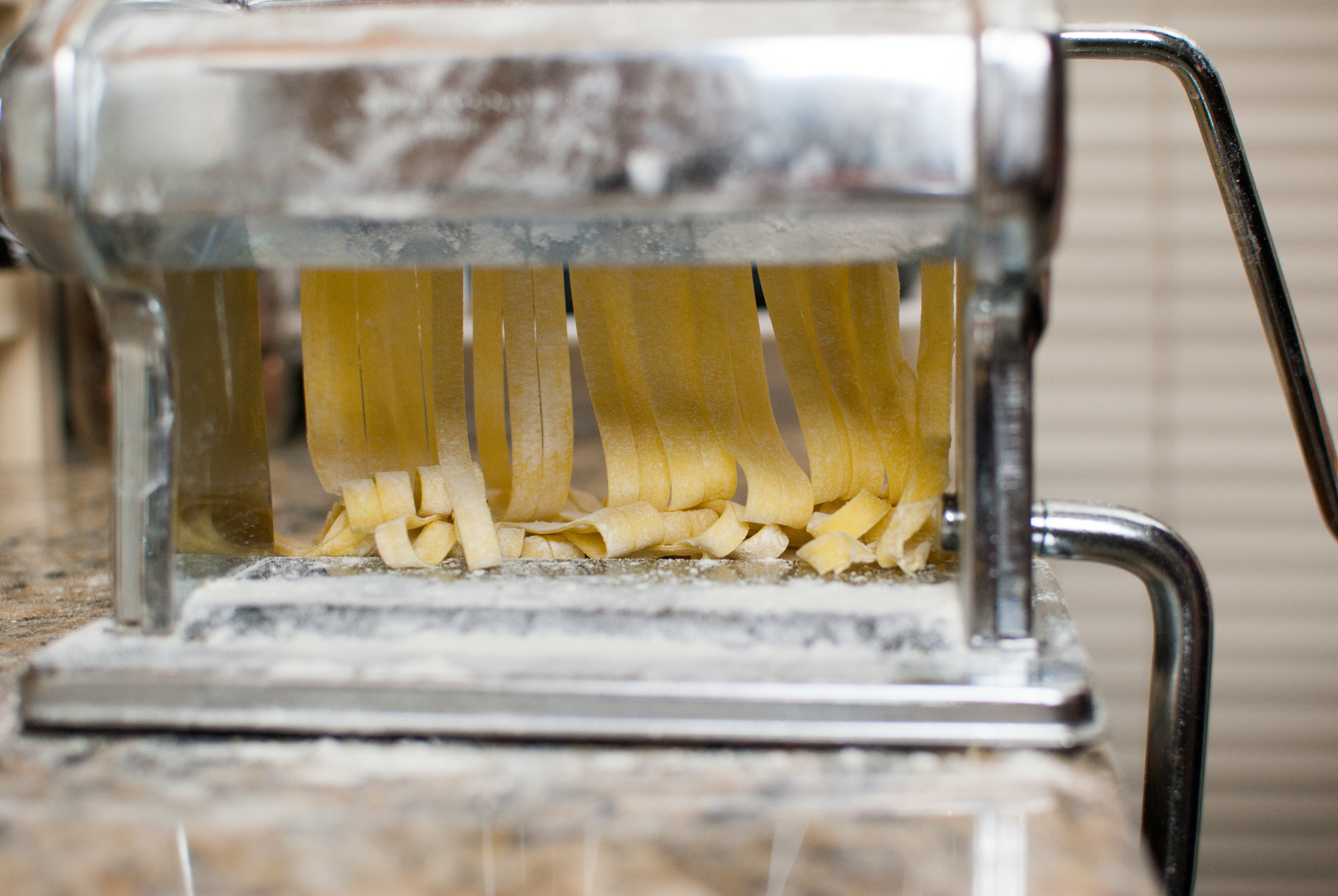
    Roll out pasta using a pasta machine to thickness setting of 5. Cut in half as the dough gets too long to handle. Run through the fettuccine attachment and toss the noodles with flour to keep it from congealing. If you don’t have a pasta machine, follow the noodle making instructions from this recipe. Set aside, but toss frequently until ready to boil to ensure the noodles don’t stick together.


    Chicken-Marsala-3

    Chicken-Marsala-3

    Carefully slice chicken breasts in half, and season the surface with salt and pepper. Coat a 12” skillet with oil and bring to medium-high heat. Pan sear chicken until it has a deep golden crust and is cooked through (160°F/71°C). Set aside.

    Bring a pot of water to boiling.

    In the same skillet as you used to cook the chicken, add a little more oil. Cook the mushrooms until softened and golden brown. (This part requires some patience. Allow mushrooms to cook without stirring until you are ready to flip them.) When mushrooms are cooked, add shallots and cook briefly until translucent. Add marsala wine to deglaze and lower the heat to medium low. Add rosemary and reduce wine until it has mostly evaporated.

    While wine is reducing, cook noodles 1½–2 minutes, or until the begin to float and the water starts foaming. Drain and set aside. Do not do this ahead of time or you will end up with an unappetizing glob of cooked noodles that not even Lumpy Space Princess would enjoy.

    Add cream and garlic and cook, stirring, for 1–2 minutes, until the sauce starts to thicken. Add cooked noodles and toss with the sauce. The gluten from the noodles will thicken the sauce. Serve immediately with chicken and garnish with parmesan, parsley, red pepper flakes, and rosemary flowers (if in season).


    Chicken-Marsala-4

    Chicken-Marsala-4

    Serves 2.

  • Pasta alla Carbonara

    >
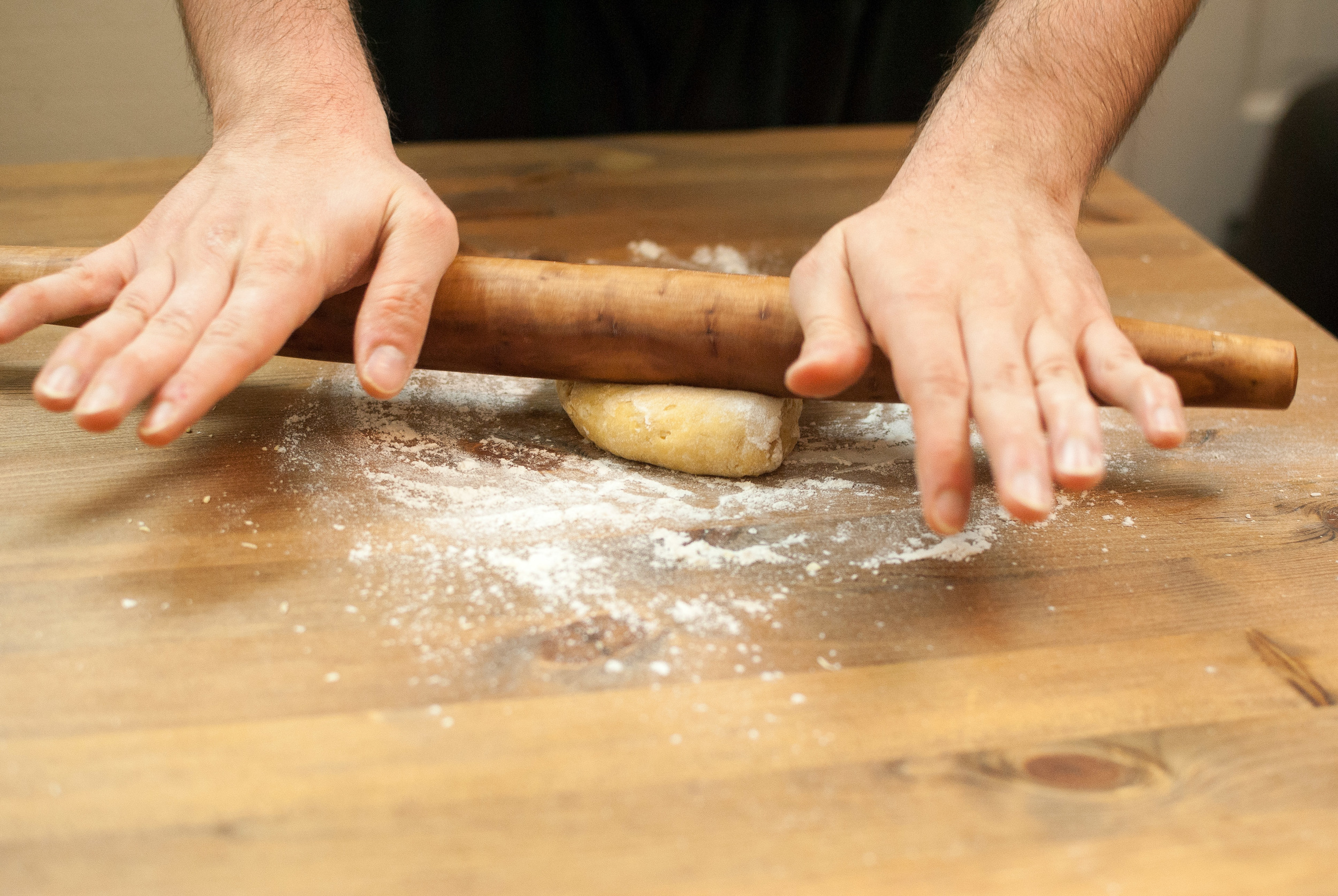
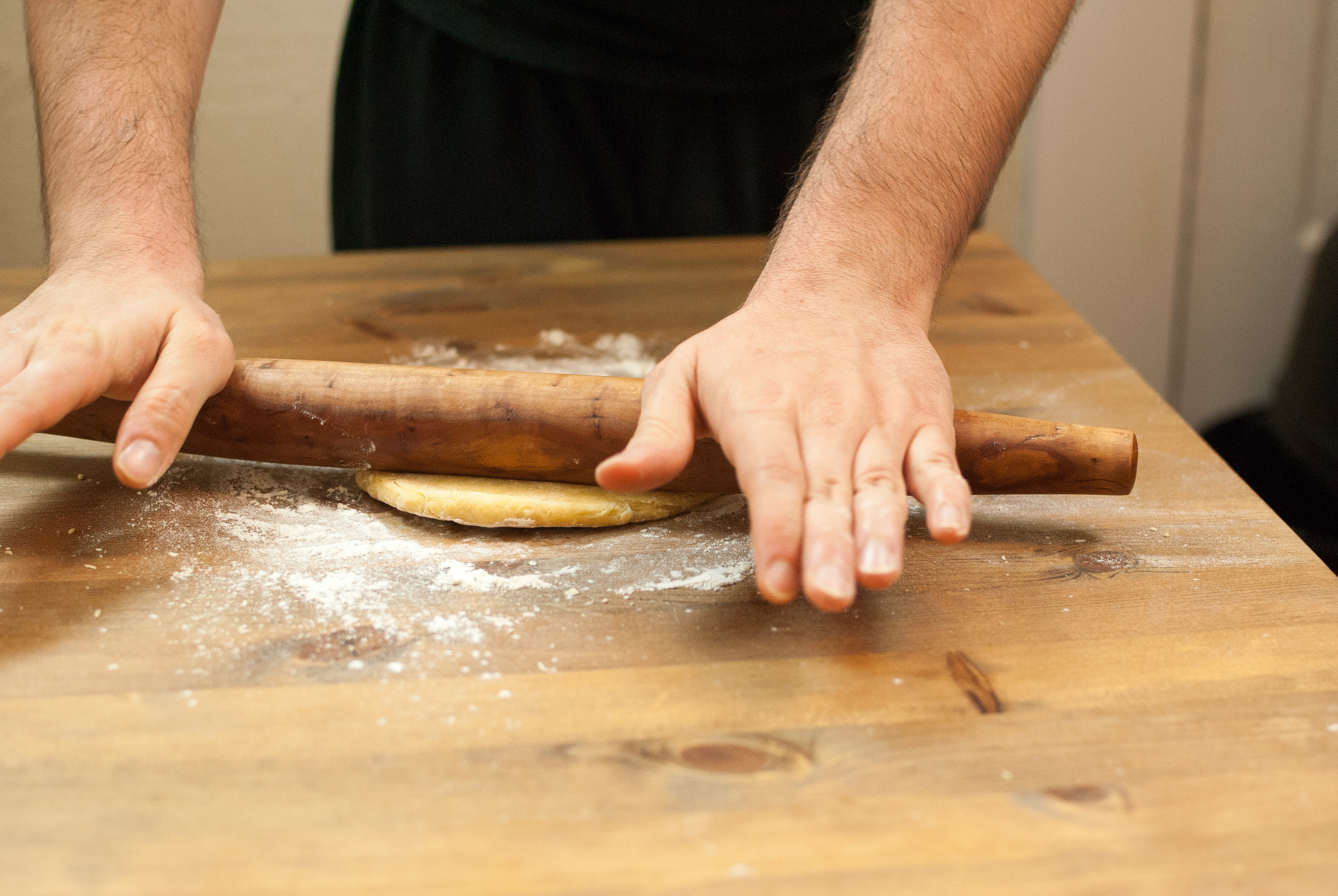
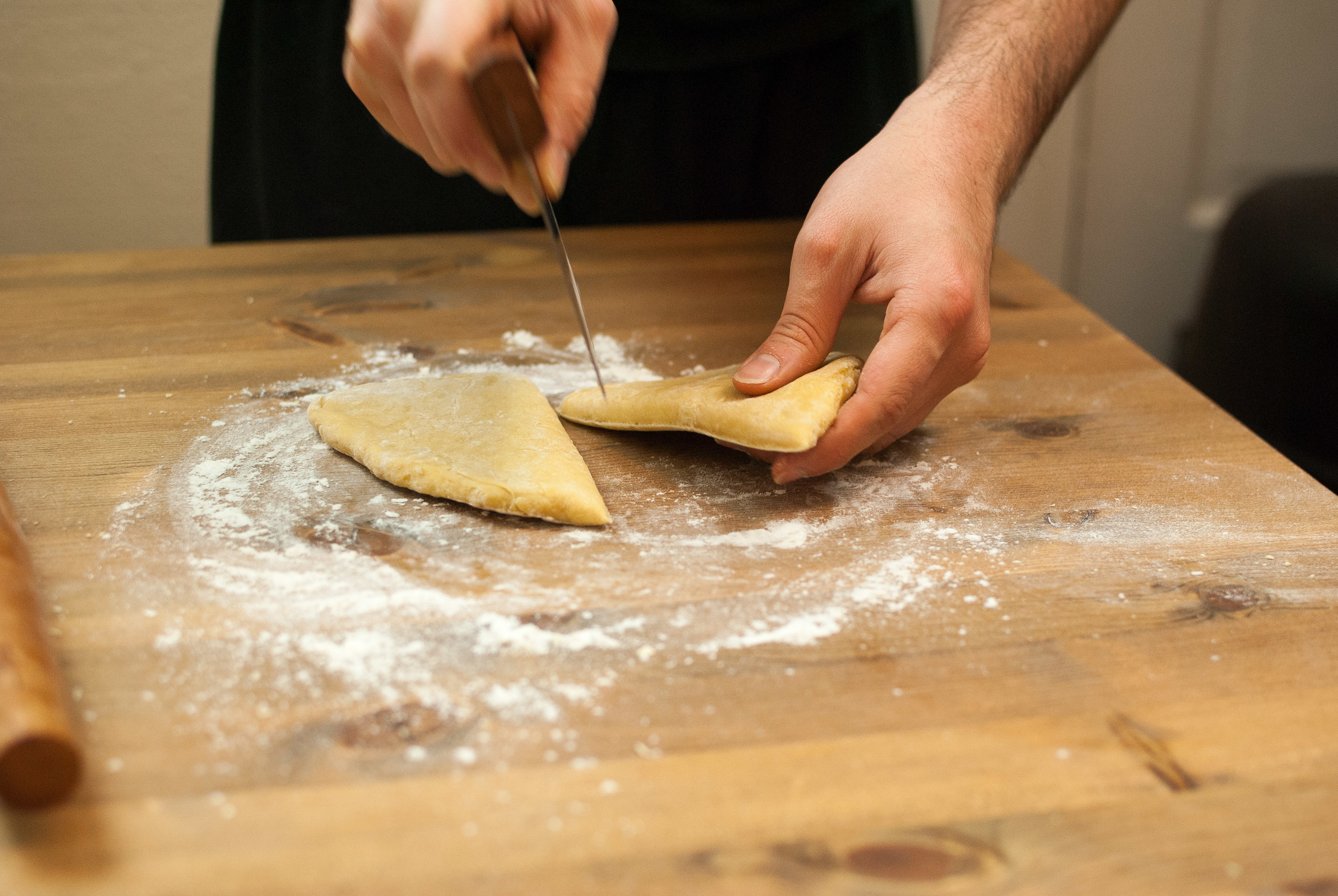
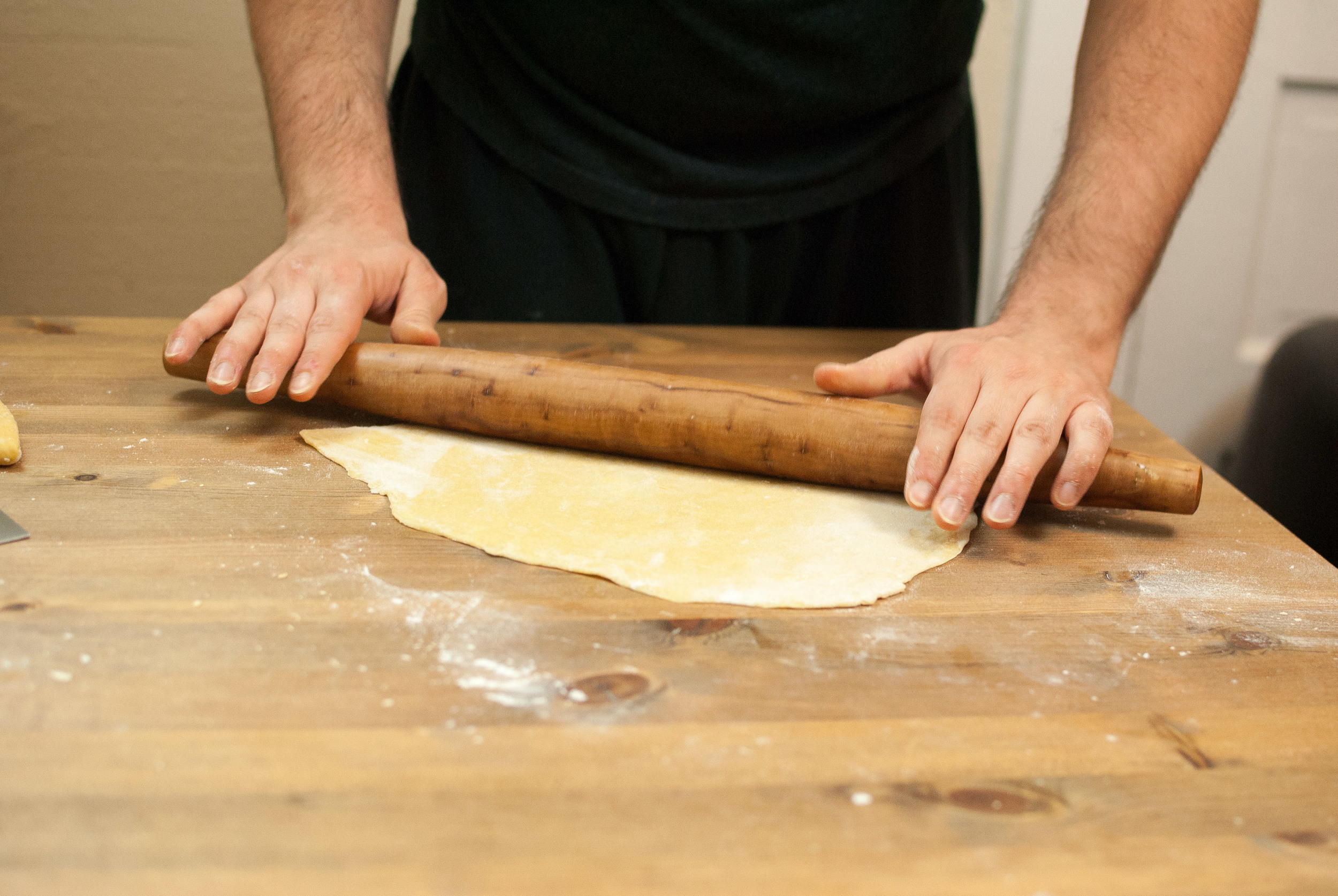
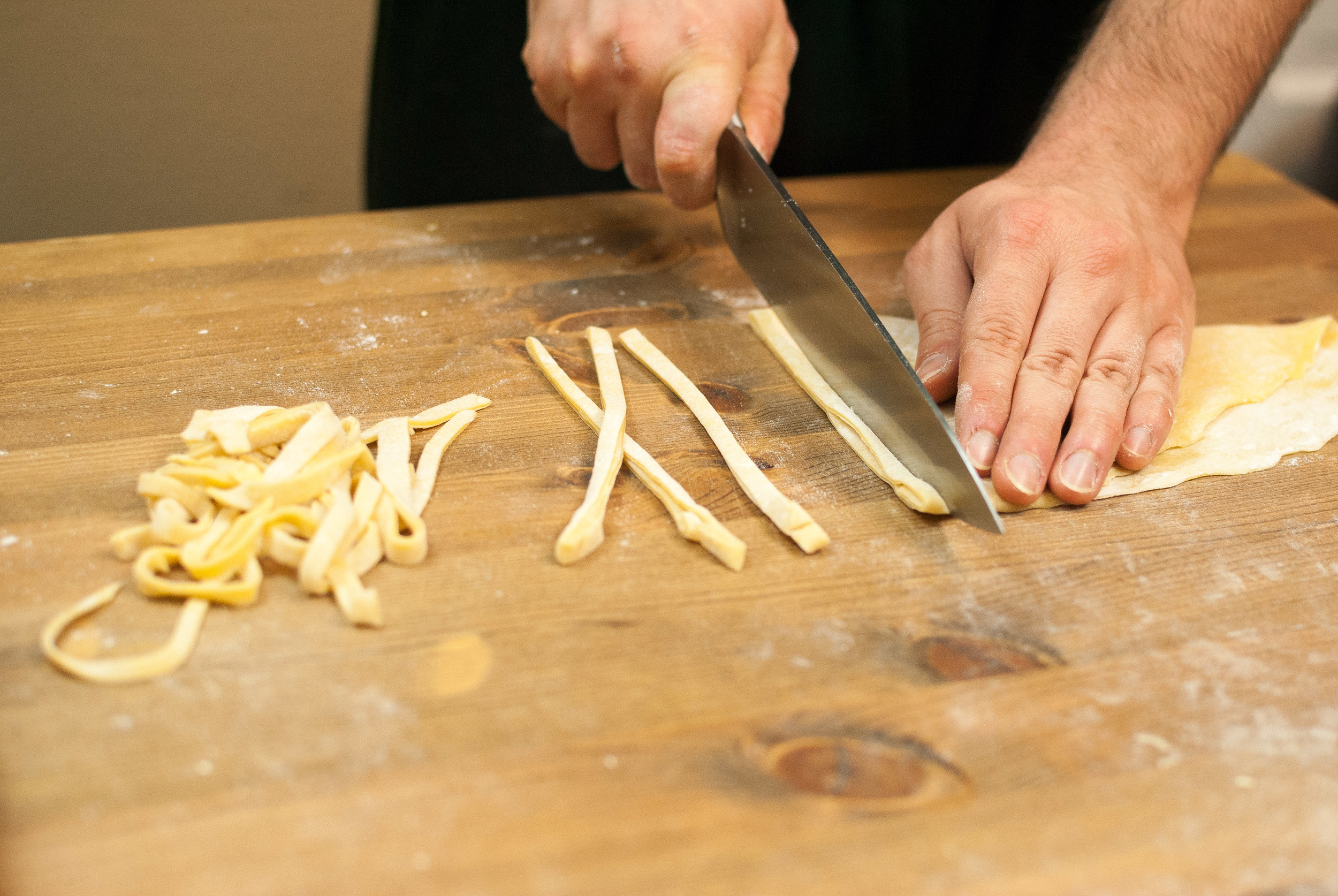
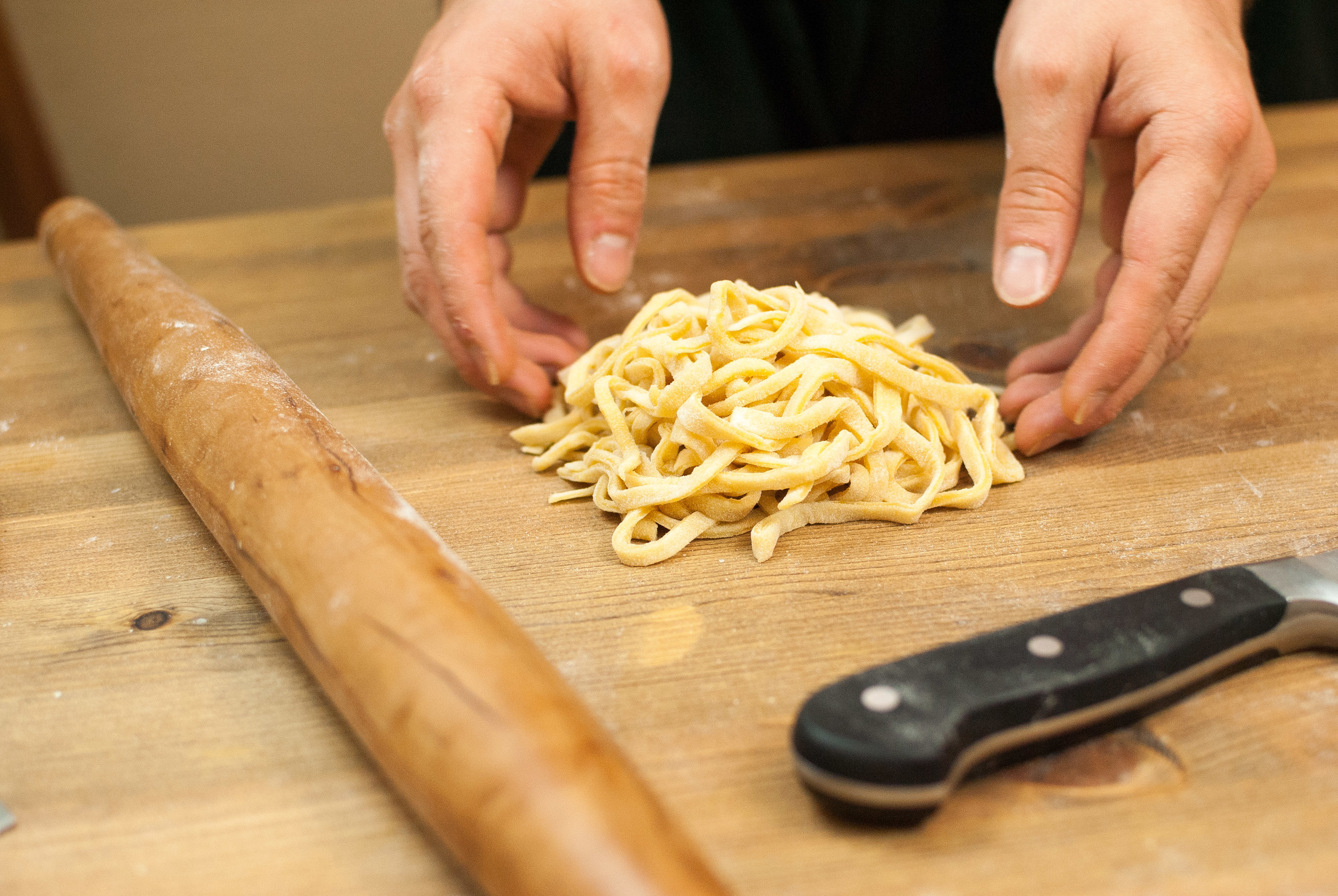
    You don’t need expensive equipment to make pasta. All you need is a rolling pin and a sharp knife, and you’re good to go.

    Pasta alla carbonara is one of the easiest in the pasta canon, complete with echoes of the all-American breakfast: bacon and eggs. It is a great dish that finds a great compromise between rich flavors and inexpensive ingredients. It’s pasta tossed with whipped eggs, cheese, crisp bacon, and its rendered fat. When you combine the hot noodles and eggs, it cooks the eggs just enough to create a creamy sauce that bonds the bacon fat and melted cheese. Essentially what you’re making is a cheesy, bacon-flavored custard.
    Want richness without meat? Replace the bacon with a cup of sliced raw mushrooms and add a smidgeon of olive oil and it’ll produce the same texture with a woodsy depth.

    Pasta alla Carbonara:

    • 1 batch of sexy pasta dough, ½ batch everyday pasta dough, or 6 oz. dry pasta

    • ½ cup bacon (or pancetta if you prefer), minced

    • 2 large eggs

    • ⅓ cup parmesan cheese, shredded

    • 2 tbs. Italian parsley, chopped

    • ½ tsp. salt

    • Fresh ground pepper

    Roll out pasta dough on a floured surface until thin enough for your liking. Cover dough with a light dusting of flour, fold dough in half, and cut into strips. Don’t worry about making them the same size!

    In a big skillet, fry the bacon until crisp and the fat is rendered; then remove from heat. Keep everything in the skillet. Set aside.

    In a small bowl, beat the eggs lightly until the yolk is mixed with the whites. Then add the cheese, parsley, salt, and pepper. Mix thoroughly. Set aside.

    Boil noodles for 1½–2 minutes (this depends on how thick you make them), until the noodles start to float. The next step must be done as fast as you can, so make sure you have your eggs ready. Strain pasta quickly in a colander and put in the skillet with the bacon and rendered fat. Immediately pour the eggs into the skillet with the noodles and stir them gently, constantly until the heat from the noodles begins to cook the eggs. Serve immediately garnished with parmesan cheese, parsley, and red pepper flakes.

    Serves 2.