Tag: easy dinner

  • Gnocchi with Gorgonzola Cream Sauce


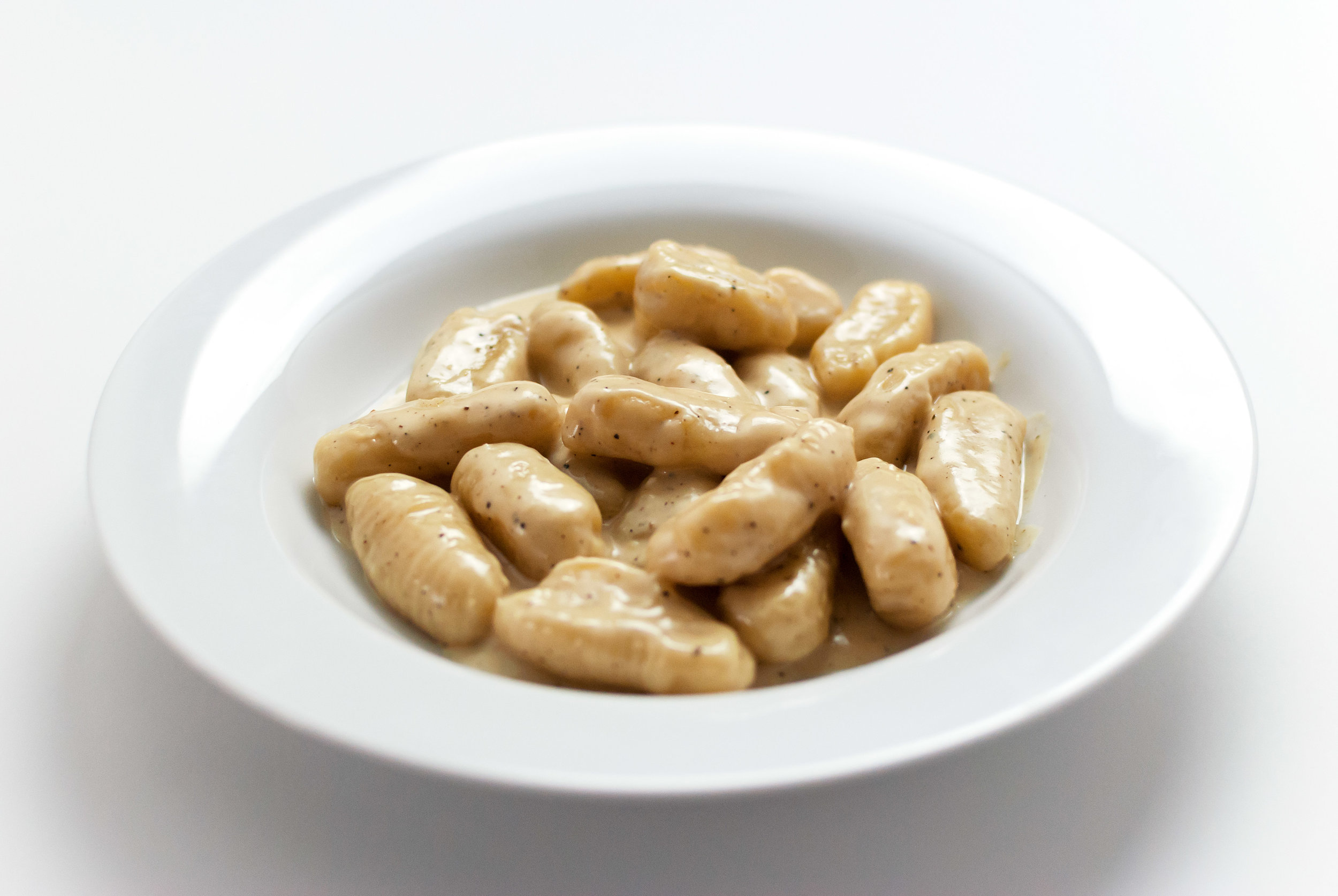
    There’s not a lot to say about this recipe other than that whenever we have gnocchi in the freezer, this is usually the sauce we pair it with. From start to finish, this sauce is ready in about 10 minutes. We’ve made it countless times for ourselves, and several times for company. One time, we even had someone inform us that they could drink the sauce straight; so if you want a little insight into how good this recipe is, think about that. But, please, just think about it.

    If you’re cooking this for more than just yourself, resist the temptation to make more than one batch of this recipe at a time. Once you’ve got your water boiling and your pan hot enough, you’ll be able to knock out all the servings super quick, I promise. Plus, who wants to count gnocchi individually for a large group of people and extract them from a pan filled with sauce? That’s just annoying. And portioning a sauce this good by eyeballing? Forget it. That just leads to animosity and possible passive aggressive behavior if someone gets less sauce than someone else. It’s a great way to lose friends.

    Don’t do it.

    Side note: if you’re serving your gnocchi with some kind of protein (like seared chicken breast, for instance) we highly recommend that you begin the cooking process by deglazing with the leftover drippings in the pan. The sauce is already pretty deep in flavor, but this little step just pushes it over the edge. You’re also welcome to add a little bit of chicken broth, or even the leftover water from boiling the gnocchi, to the sauce to lengthen it out if it starts to get too thick. If you’re purposefully making this vegetarian and you wanna use a stock, I’d swap out chicken stock for a hearty mushroom stock if you have it; go full-on umami bomb, you know you want to.

    Gnocchi with Gorgonzola Cream Sauce:

    • ¼ cup dry cooking sherry

    • ¼ cup whipping cream

    • 1 oz. gorgonzola, creamy preferred, but pre-crumbled works just fine

    • Leftover gnocchi water or broth of choice, as needed

    • Salt to taste

    • Freshly ground black pepper

    • 200 g of fresh or frozen Everyday Gnocchi
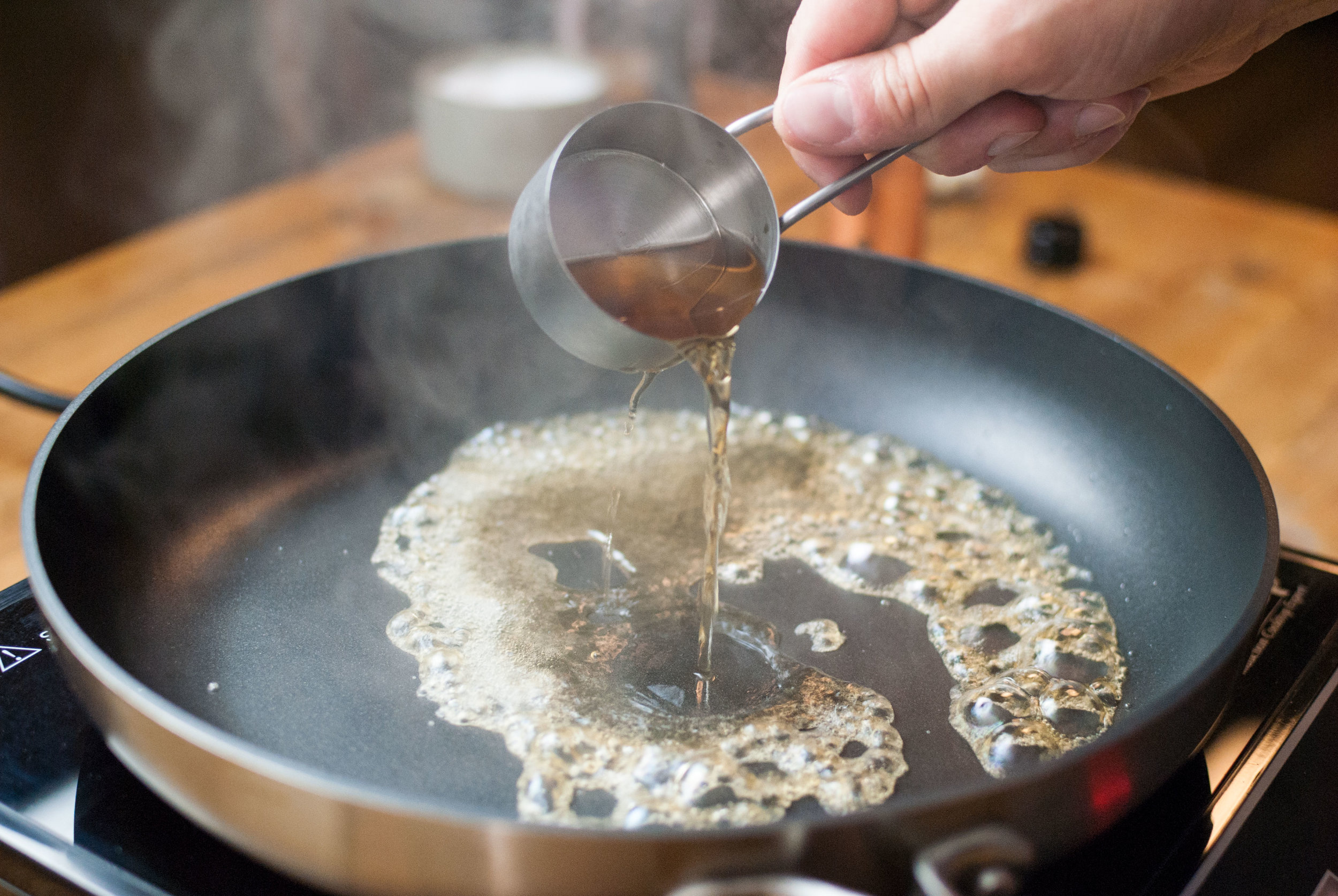
    Bring water to a boil in a pot large enough to hold all your gnocchi. Heat a medium sized skillet to medium heat and keep them on standby until all your ingredients are ready to be used rapidly in succession. The water should be a rolling boil (especially if you’re using frozen gnocchi) and the pan should be able to sizzle away a little bit of water instantly. If you’ve seared off protein for this meal in advance in your skillet, please please please do not clean it before making the sauce. Use all that goodness for your gnocchi.
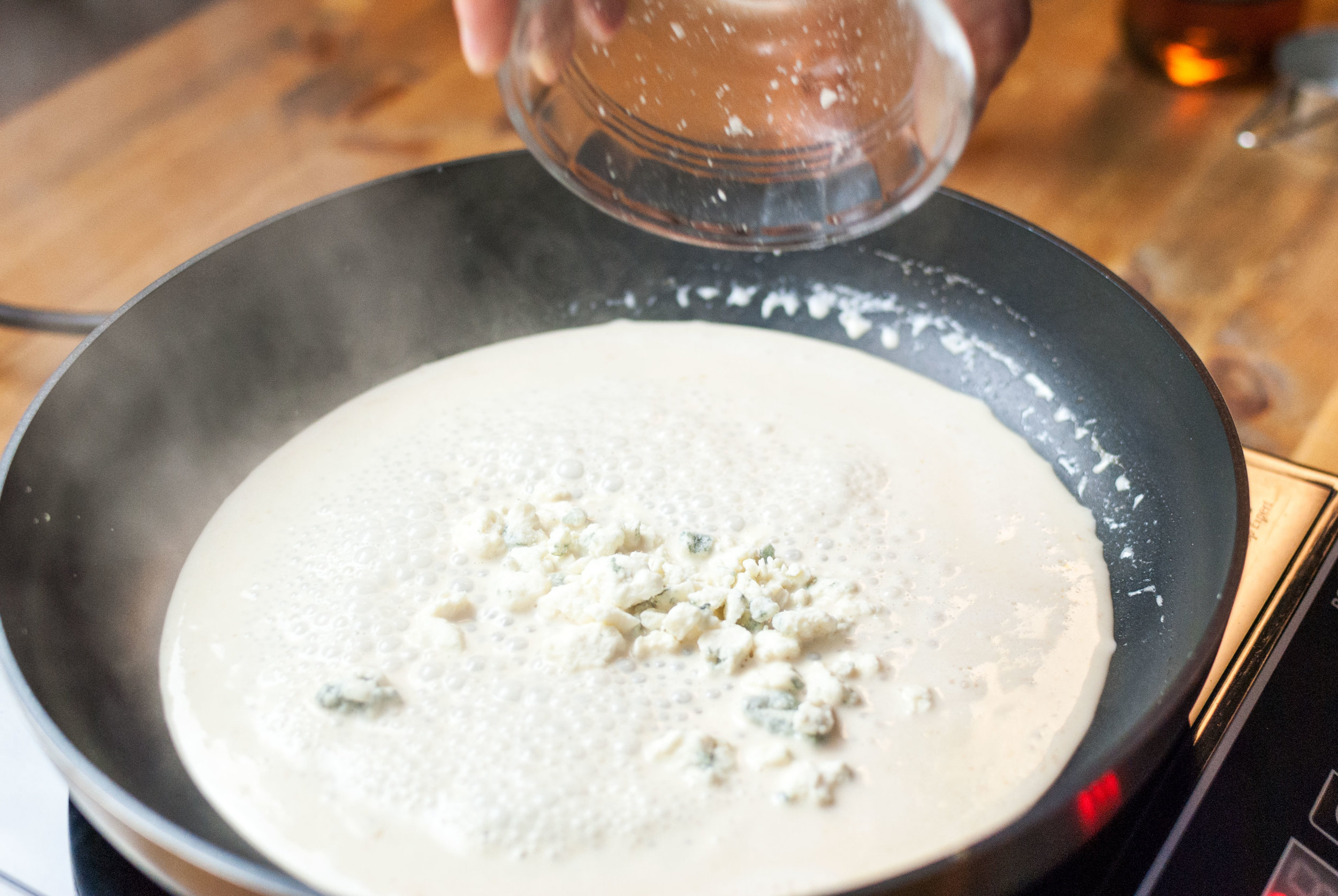
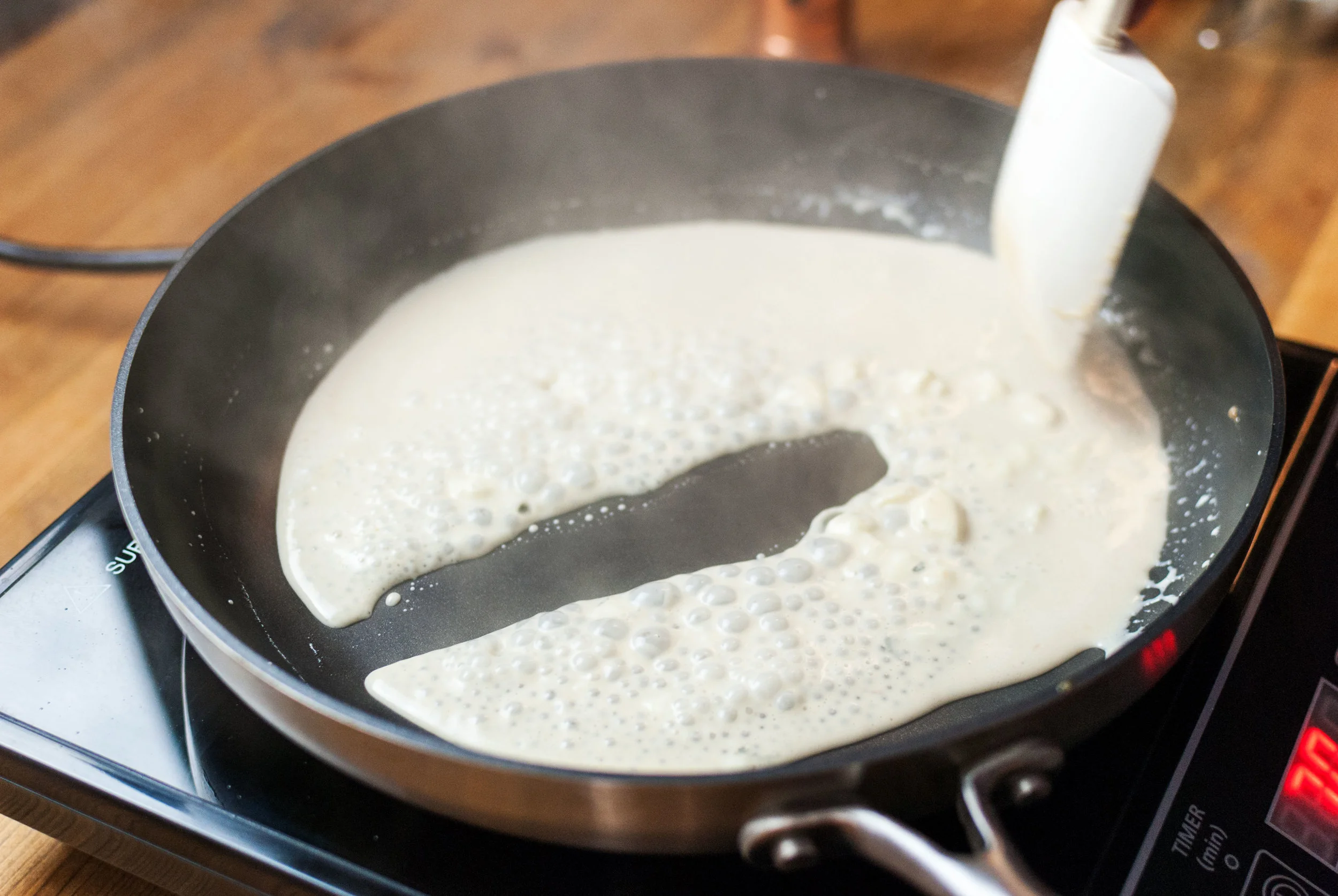
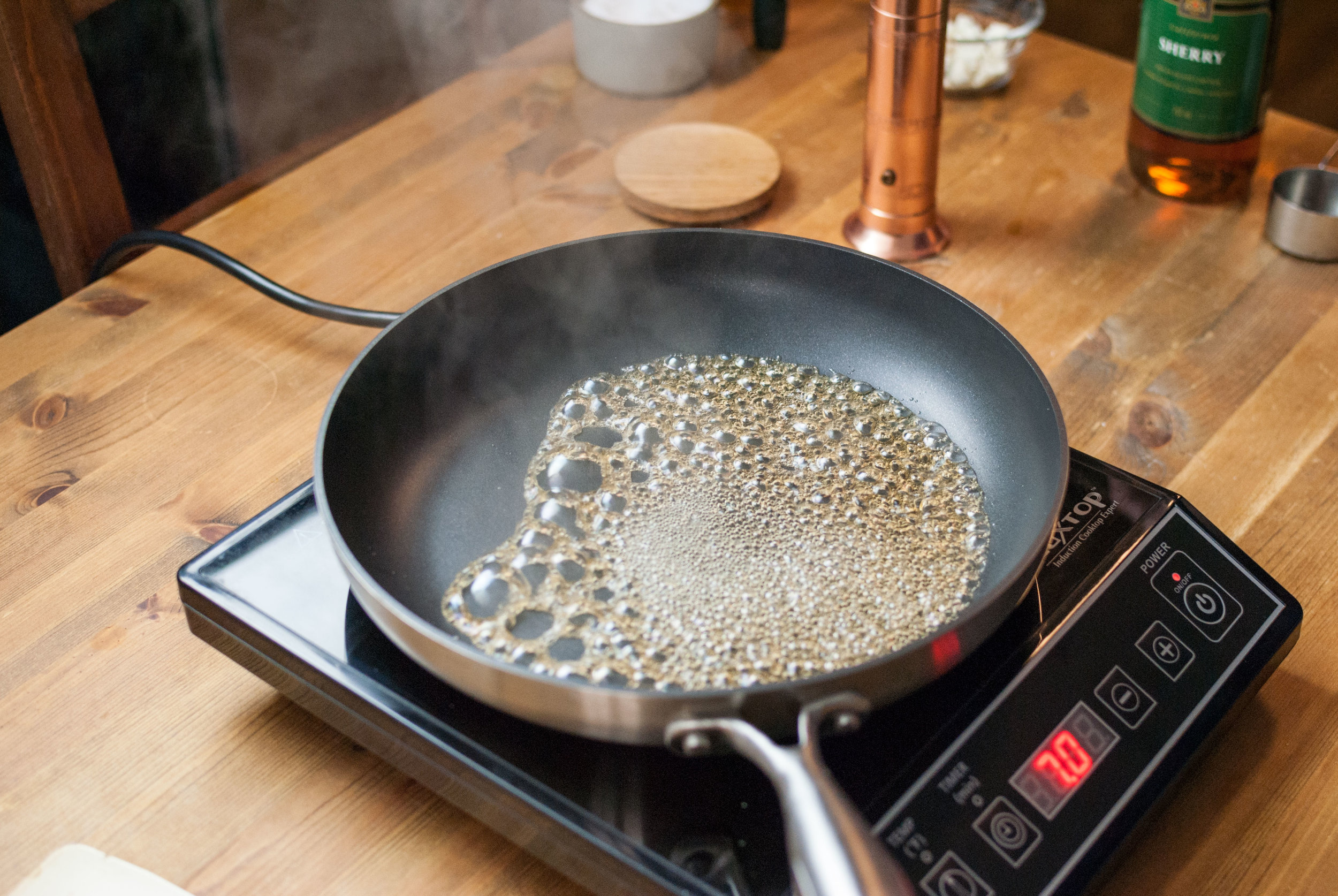
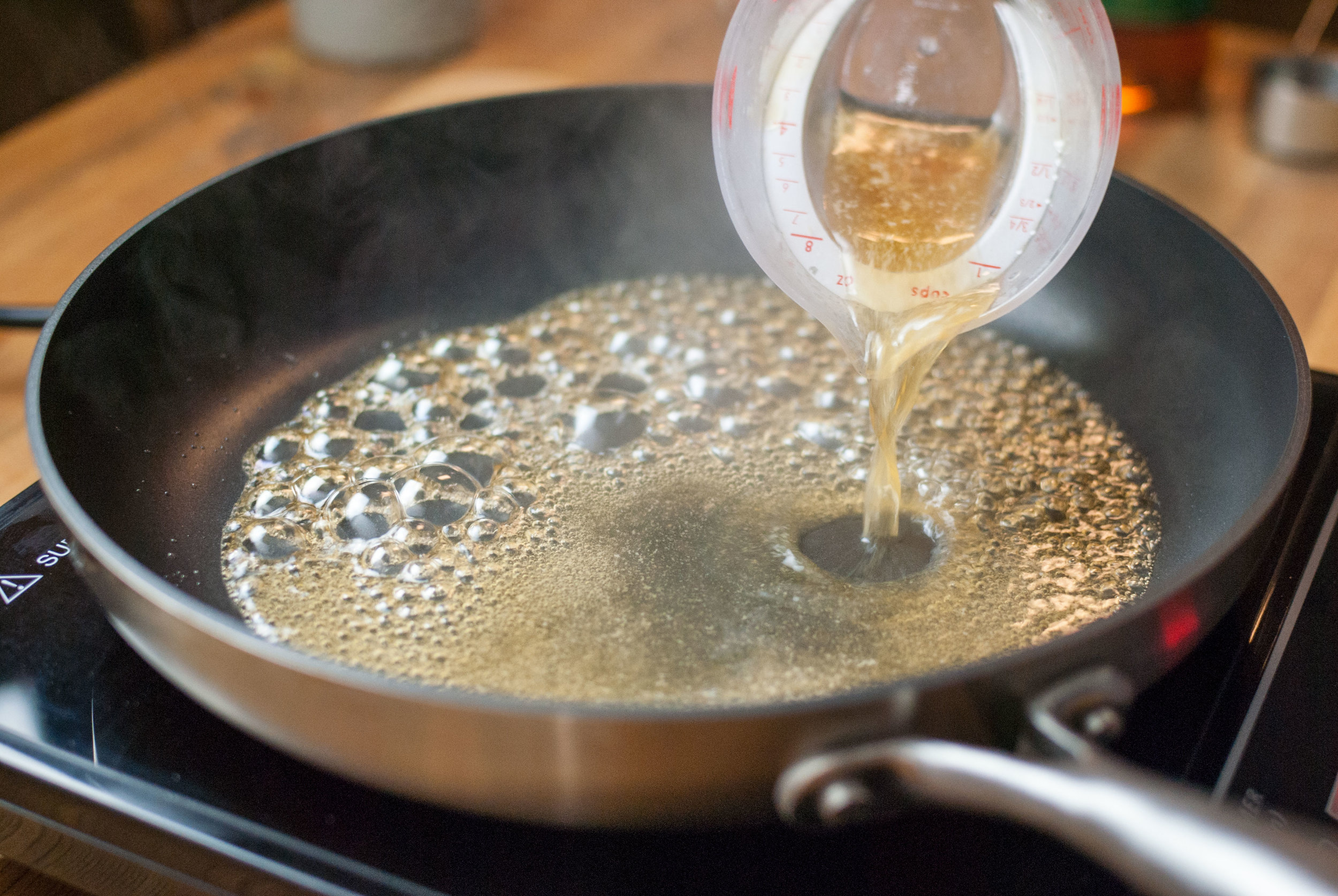
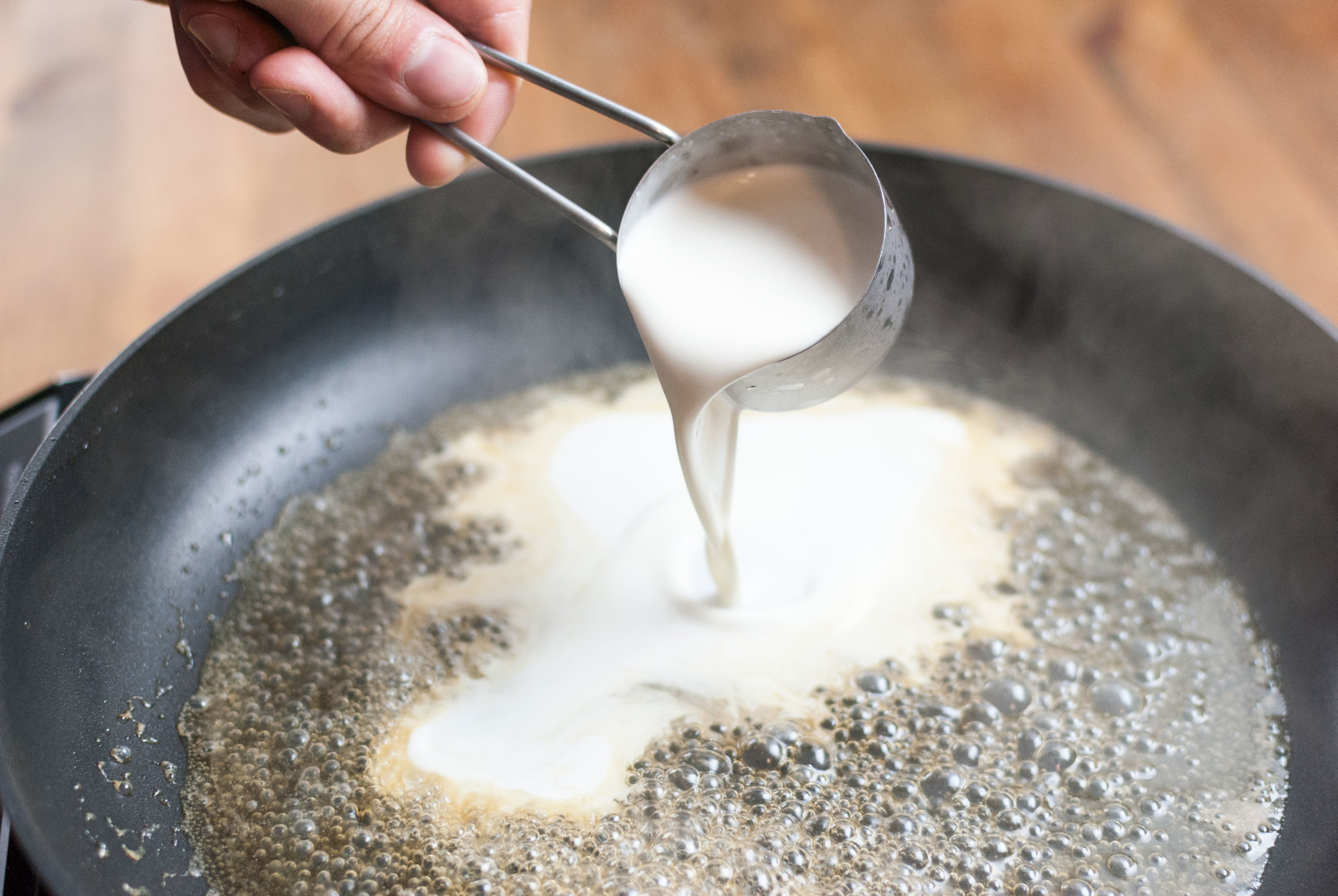
    When you’re good to go, throw your gnocchi into the boiling water. If you’re using freshly made gnocchi, they should be done cooking in a couple of minutes. If you’re using frozen, they’ll take a bit longer, maybe five or so. Just keep an eye on your gnocchs; a tell-tale sign that they’re done is when they float to the surface of the water. Don’t freak out if they’re done before it’s time to transfer them to your skillet. Gnocchi are pretty forgiving, so you can let them hang out in the water for a bit longer until you’re ready for them.  At the same moment when you start boiling your gnocchs, add the sherry to your pre-heated skillet. The sherry should reduce by half-ish in 10-15 seconds, and if you’re deglazing, be sure to scrape off all the tasty bits from the bottom of the pan. Add the cream and gorgonzola to the skillet and move them around to push the sherry and cream together, as well as encourage the cheese to melt.
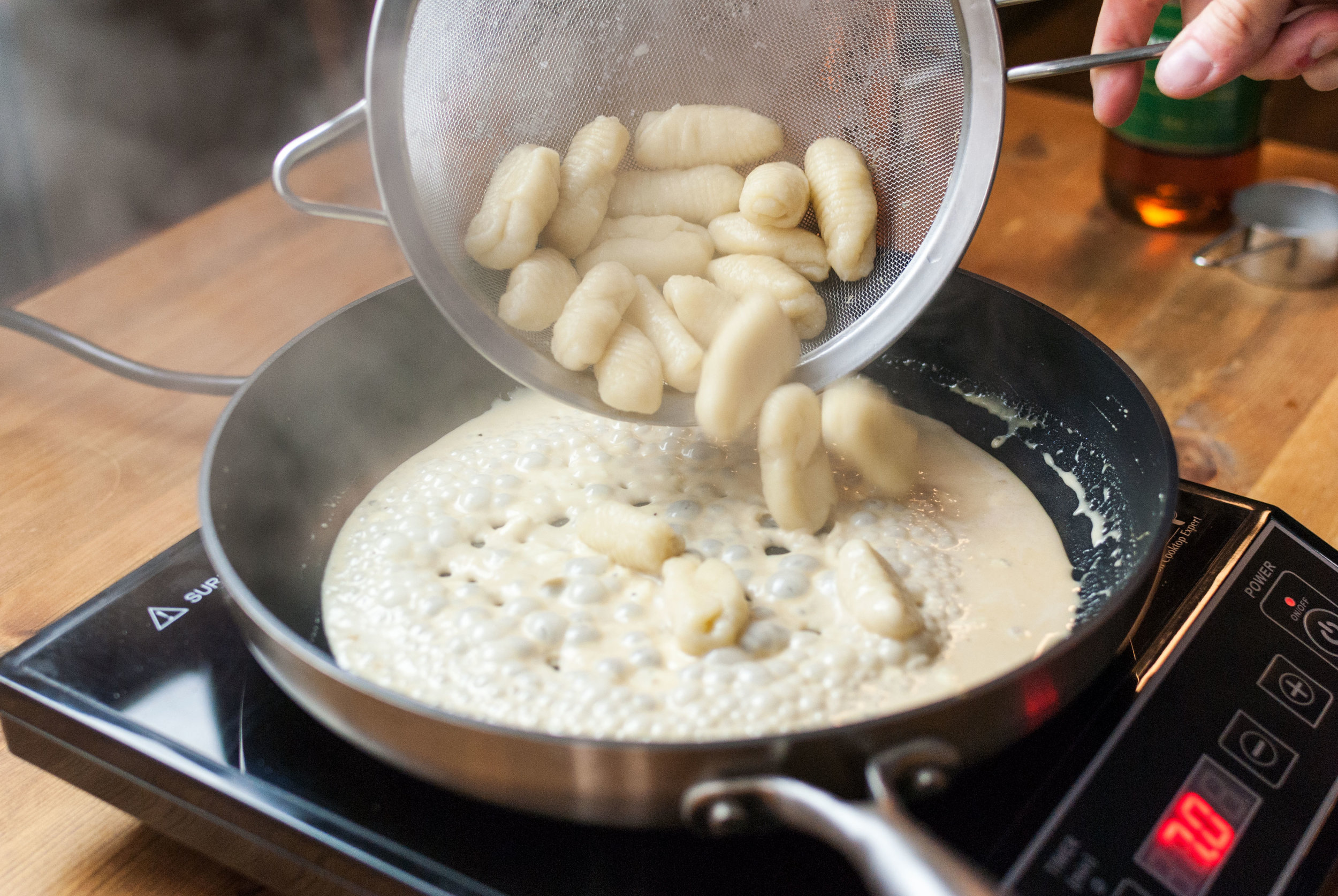
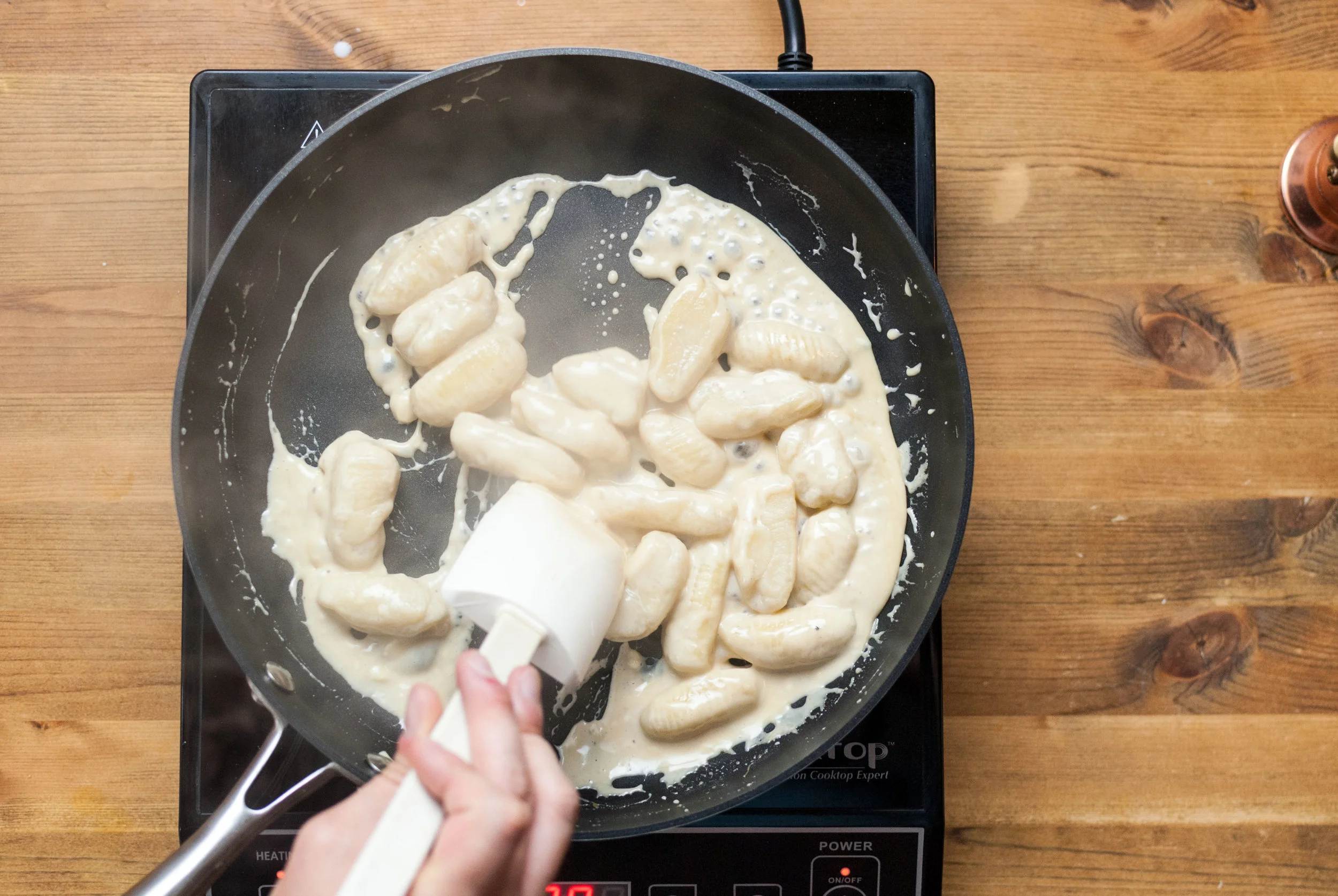
    The sauce will reduce a little and darken slightly, and once the cheese is melted, give it a little taste to check for salt. It shouldn’t need much, if at all, since the cheese is salty on it’s own, but it’s good to check. Your gnocchi should be ready around this time. Fish them out of the boiling water with a slotted spoon and add them to your sauce. Depending on how much your sauce has reduced, you might want to add a little bit of gnocchi water or broth to lengthen out your sauce because the addition of all this starch is going to make your sauce seize up. Toss the gnocchi in the sauce and weigh in to see what it needs for your own desired texture. We like our sauce to cling to the gnocchi, but we also like to have some leftover sauce in the pan since it thickens as it cools. Plus, it’s nice to have a little extra sauce in your bowl to mop up while you’re eating. Once you’ve got your sauce where you want it, remove the skillet from the heat and grind some black pepper over your gnocchi. We are, ah, liberal with our pepper; we like the floral quality it adds to the dish, but you ought to make that call for yourself. Serve in a bowl with protein or just on it’s own; you’re done!

    gnocchi_cream_sauce_09.jpg

    Serves one. Maybe.
  • Everyday Gnocchi


    Gnocchi is one of those recipes that mystifies me when I find out that someone thinks that it’s difficult to make, because not only is it really easy (and cheap) to produce, it’s also easy to produce a lot of it; and that’s exactly what we do. It’s common for me to whip out about four batches at a time of this recipe (a standard mixer should be able to hold two at once) then freeze the lot on a sheet tray and store these little guys in a large plastic bag. It’s such a satisfying meal for us, and the knowledge that we can put in minimal effort for it makes it all the more alluring after a long day of work where you just want something delicious and quick. Just pick your sauce, pop these kids out of the freezer and boil ’em in water till they float, and you’re set.

    Side note: yes, the gnocchi in this recipe are pressed onto a gnocchi board. Do you need to do that? No, no you don’t. Do grooves hold more sauce? Yeah, they do. Will your dinner be any less delicious if your gnocchs are just little grooveless potato lumps that you cut off from your giant slab of dough? Nope, it’ll be awesome.

    Did we press these onto a groove board just for this post so our gnocchi will look awesome even though we almost never do it in real life?

    You bet your ass we did.

    Everyday Gnocchi:

    • 1 cup of cooked skinless russet potato flesh, thoroughly mashed with as few clumps as possible.

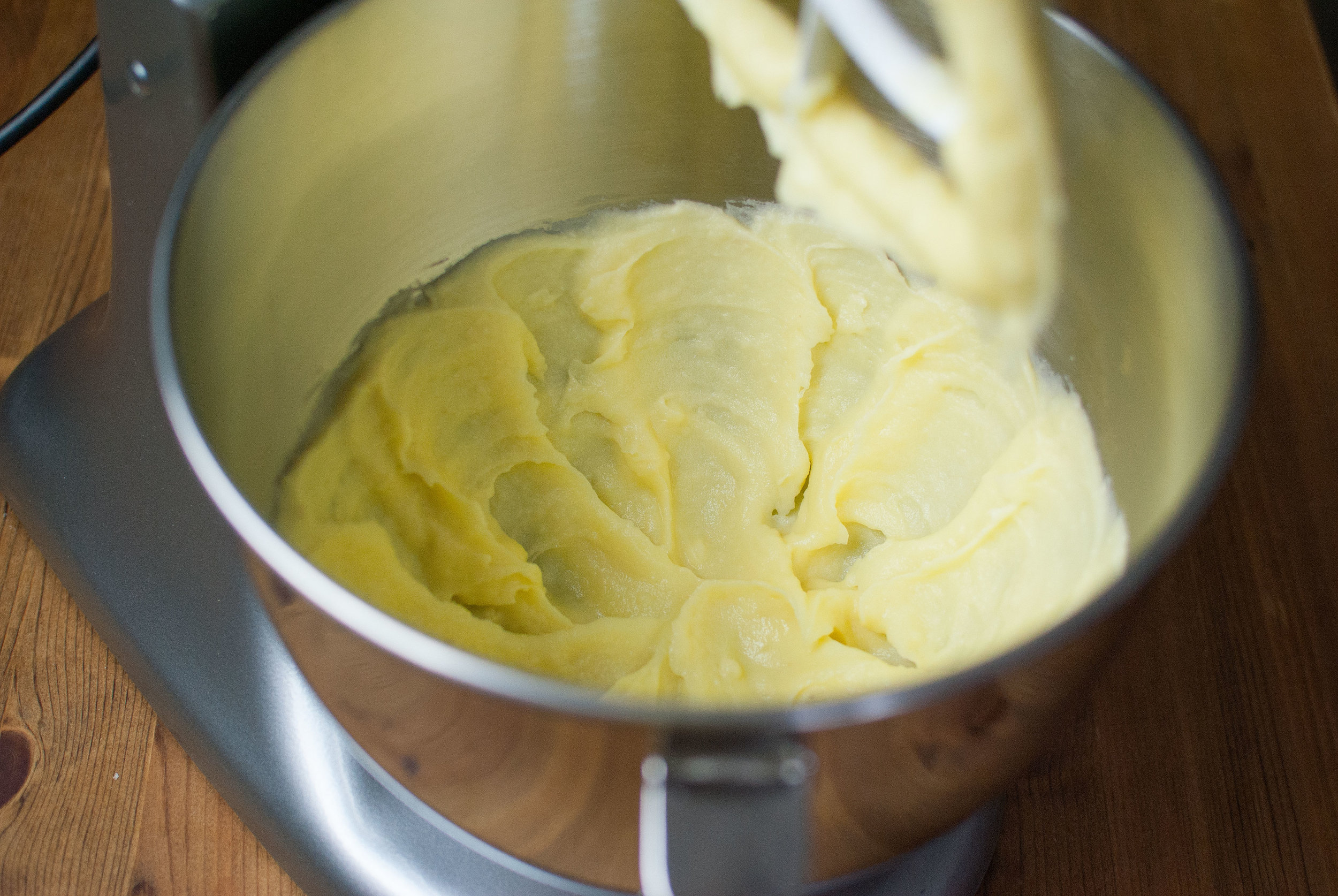
      • Side note: When I do big batches of gnocchi, I will often add my cooked potato to a food processor and blend it until it’s very smooth, along with the olive oil. This changes the texture of the potato dramatically, making it much smoother (almost like a potato cake batter, and makes a much stickier dough after you add the flour to it. I’d recommend doing this, but if you’re tired and just wanna mash the potatoes by hand, your gnocchi won’t be any less delicious.

    • 2 tablespoons olive oil

    • 1 large egg

    • a big three-finger pinch of good salt

    • 2 cups flour

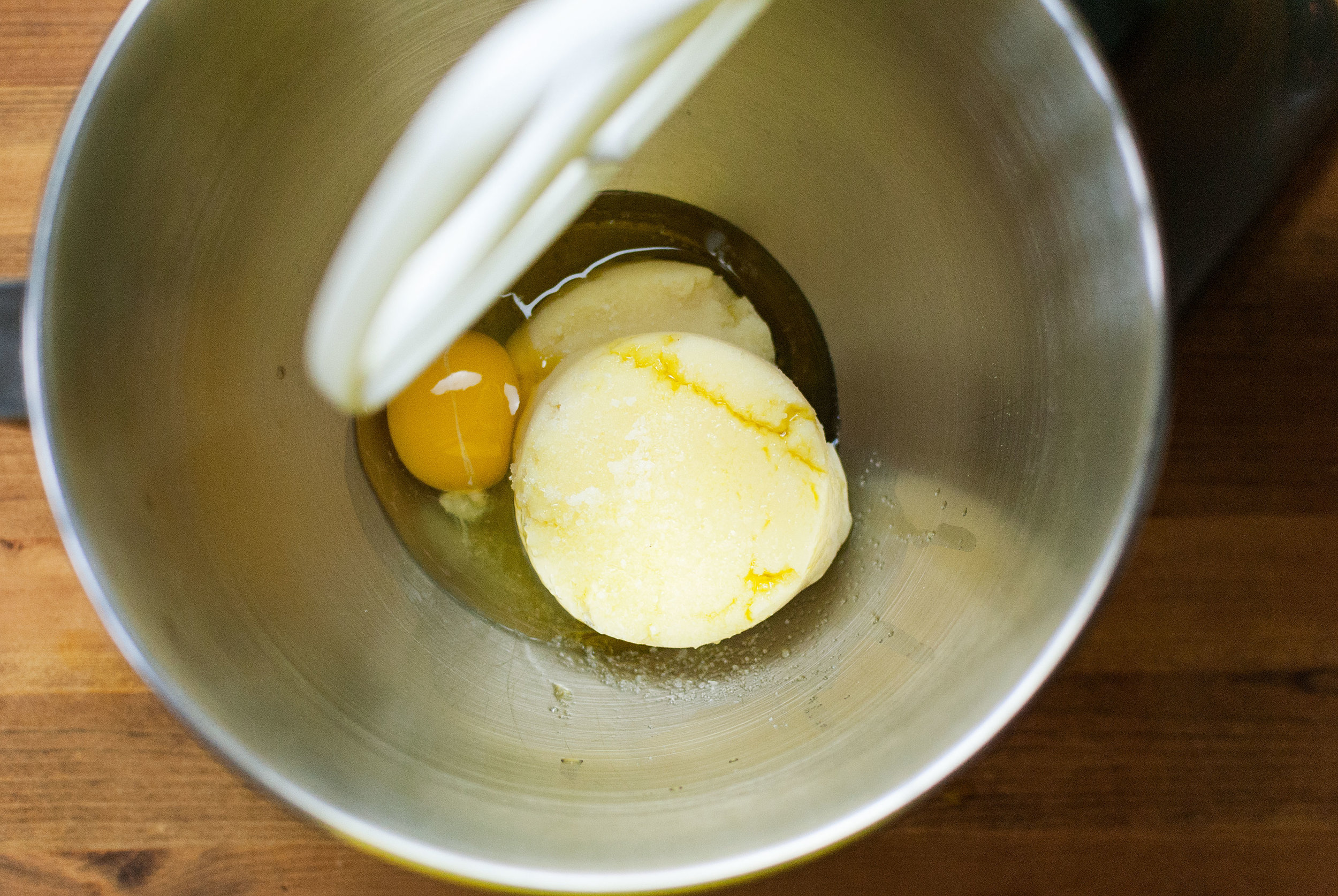
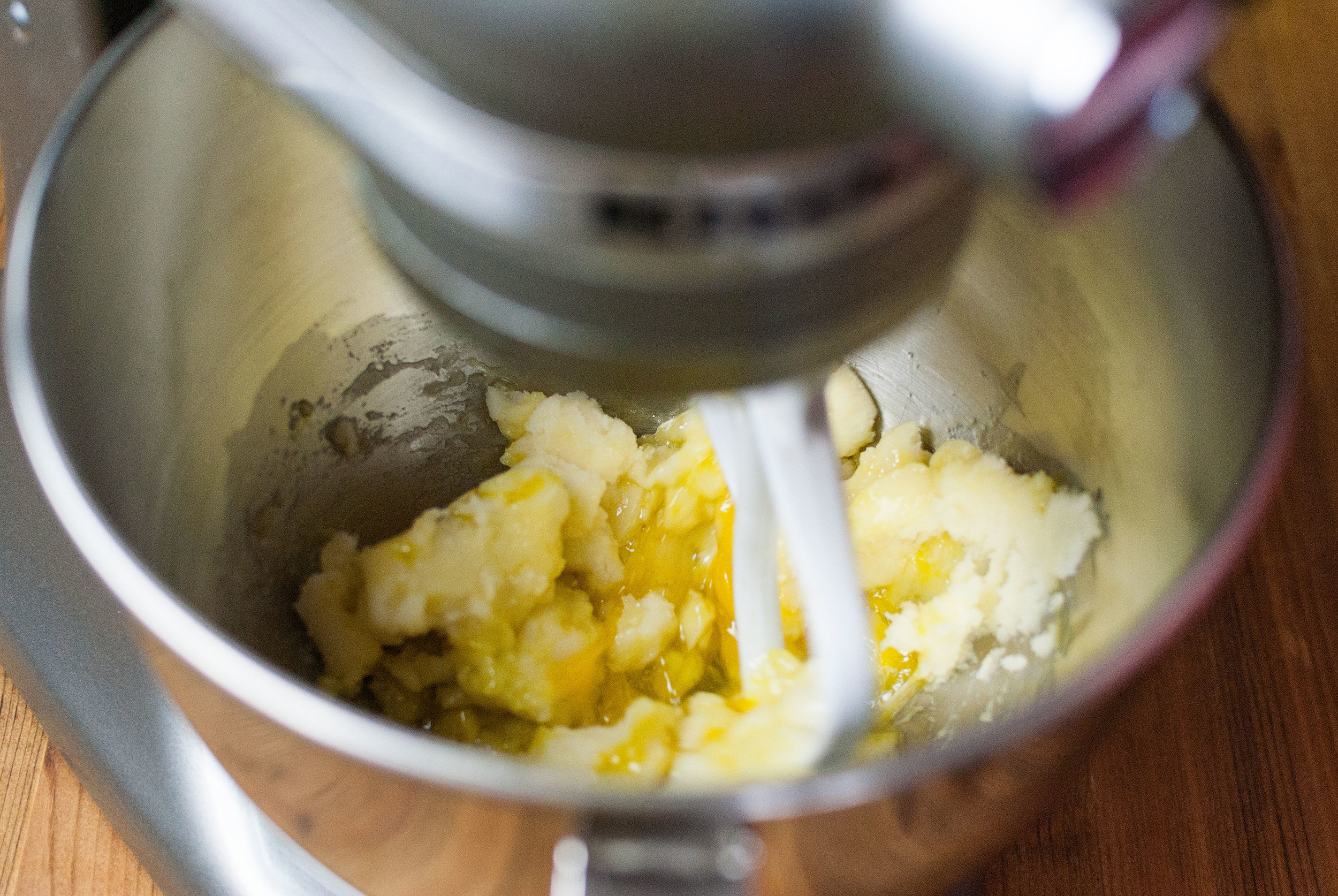
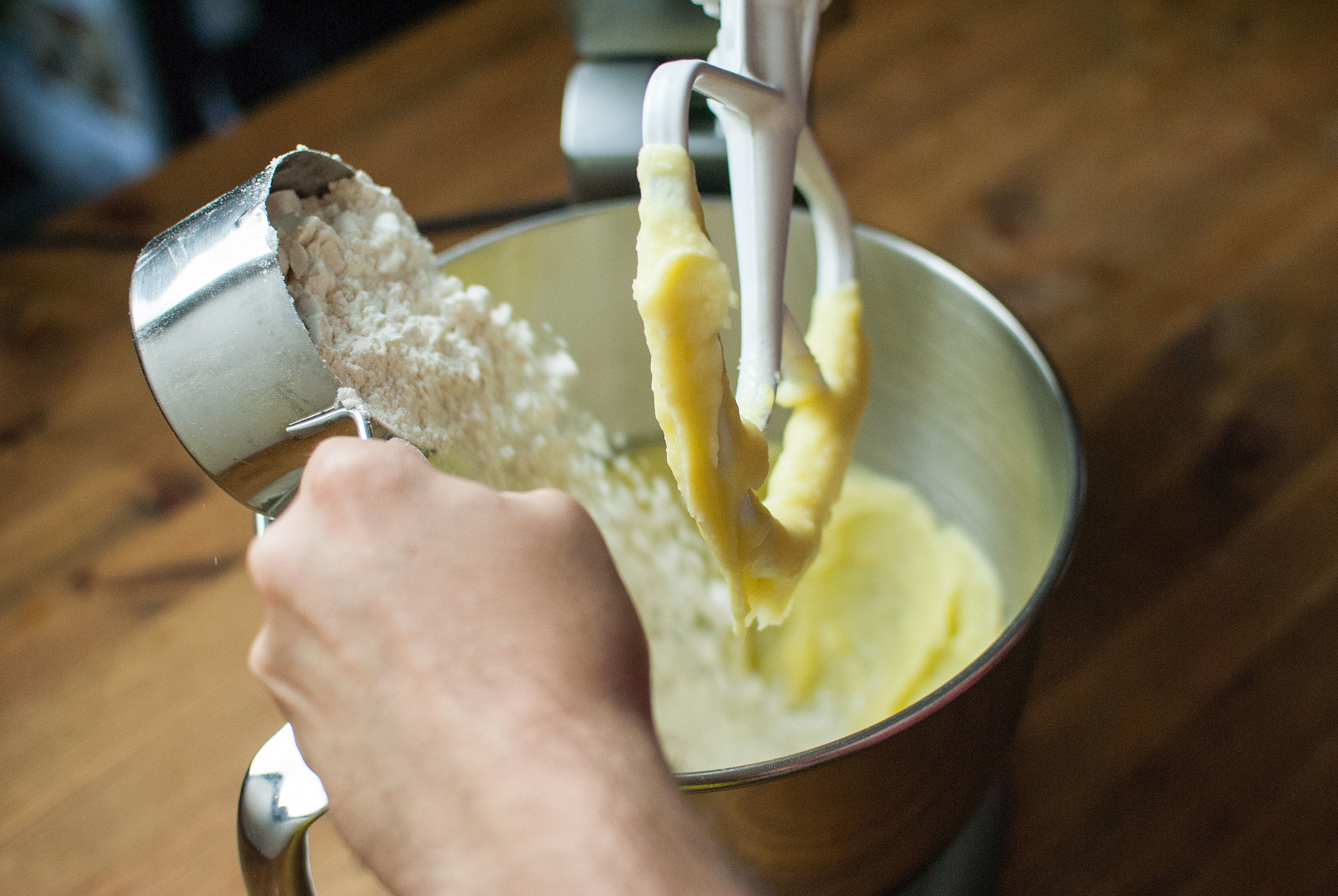
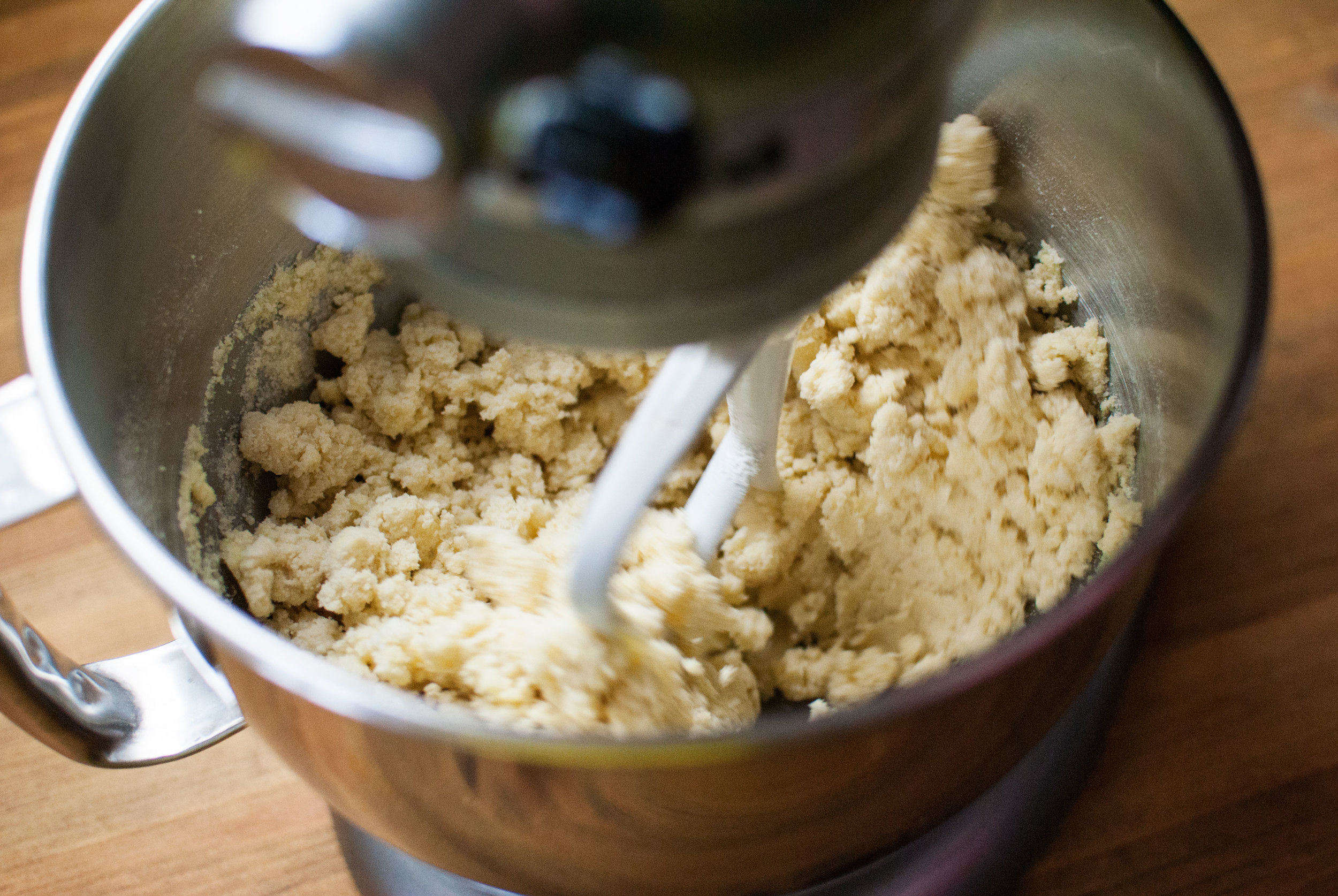
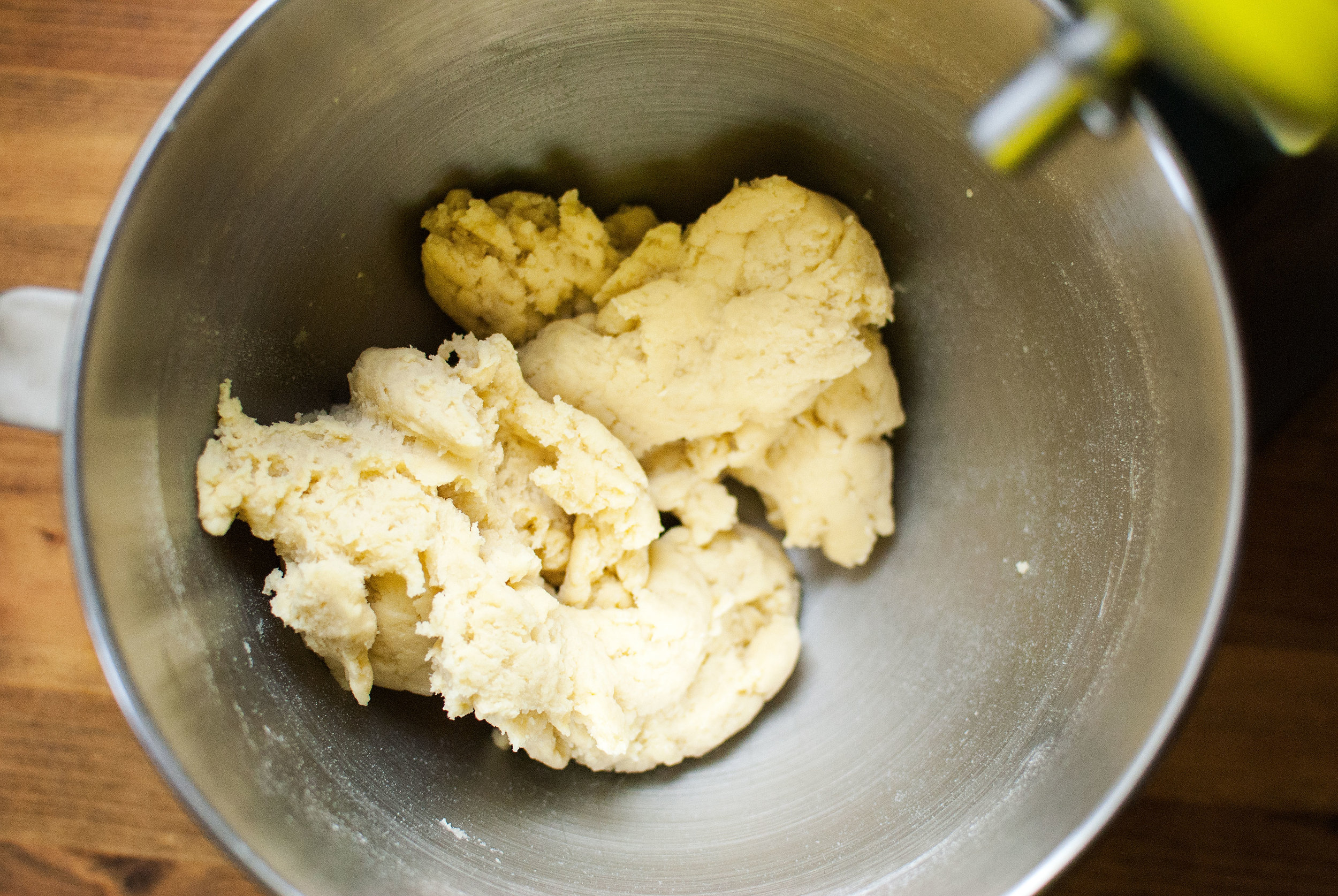
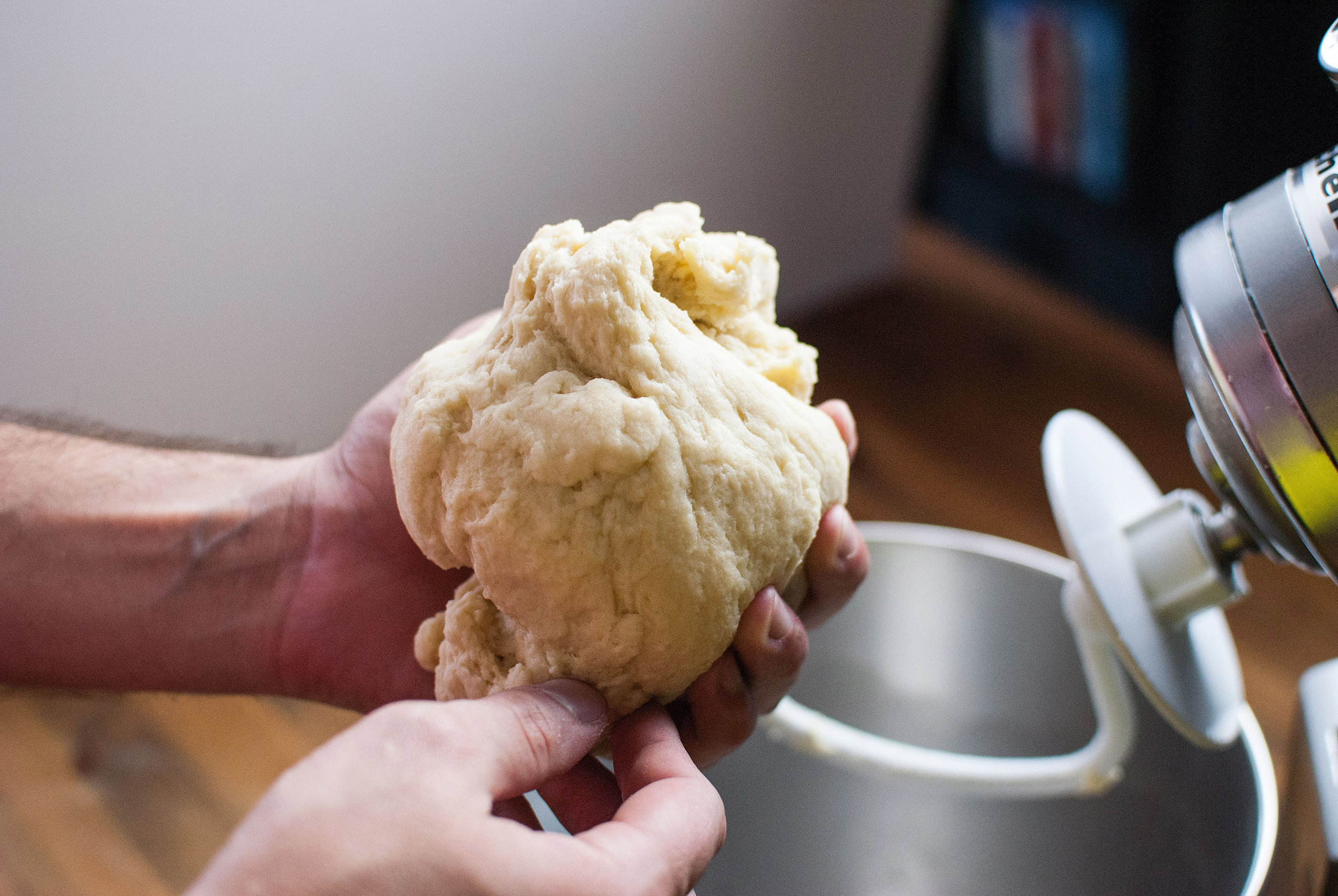
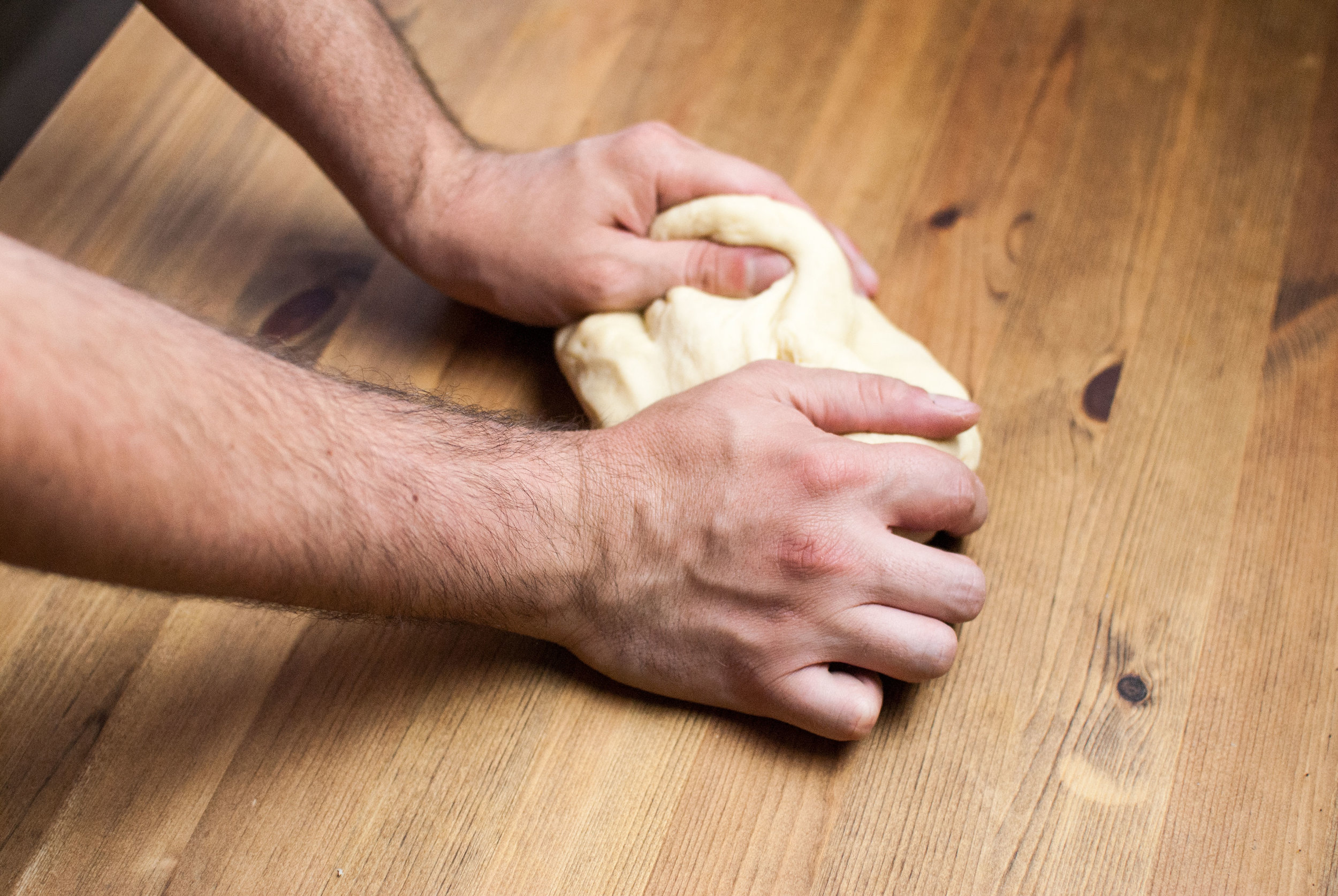
    Mix the mashed potato, egg, olive oil, and salt until thoroughly combined. Add the flour all at once and mix (your hands are the best tool for this if you don’t have a mixer) until all the flour is integrated. Continue to knead the dough until it becomes firmer and pulls away from the sides of the bowl.  The dough should be smooth, not unlike bread dough but much less springy. If you’re using a mixer, you’ll need to use the paddle at first to blend the flour into the wet ingredients, then switch to the dough hook once the it all begins to come together. Knead it for a minute or two until it becomes a tight dough. Let the dough rest at room temperature for about 30 minutes in a bowl with a cloth over it before proceeding to shaping.

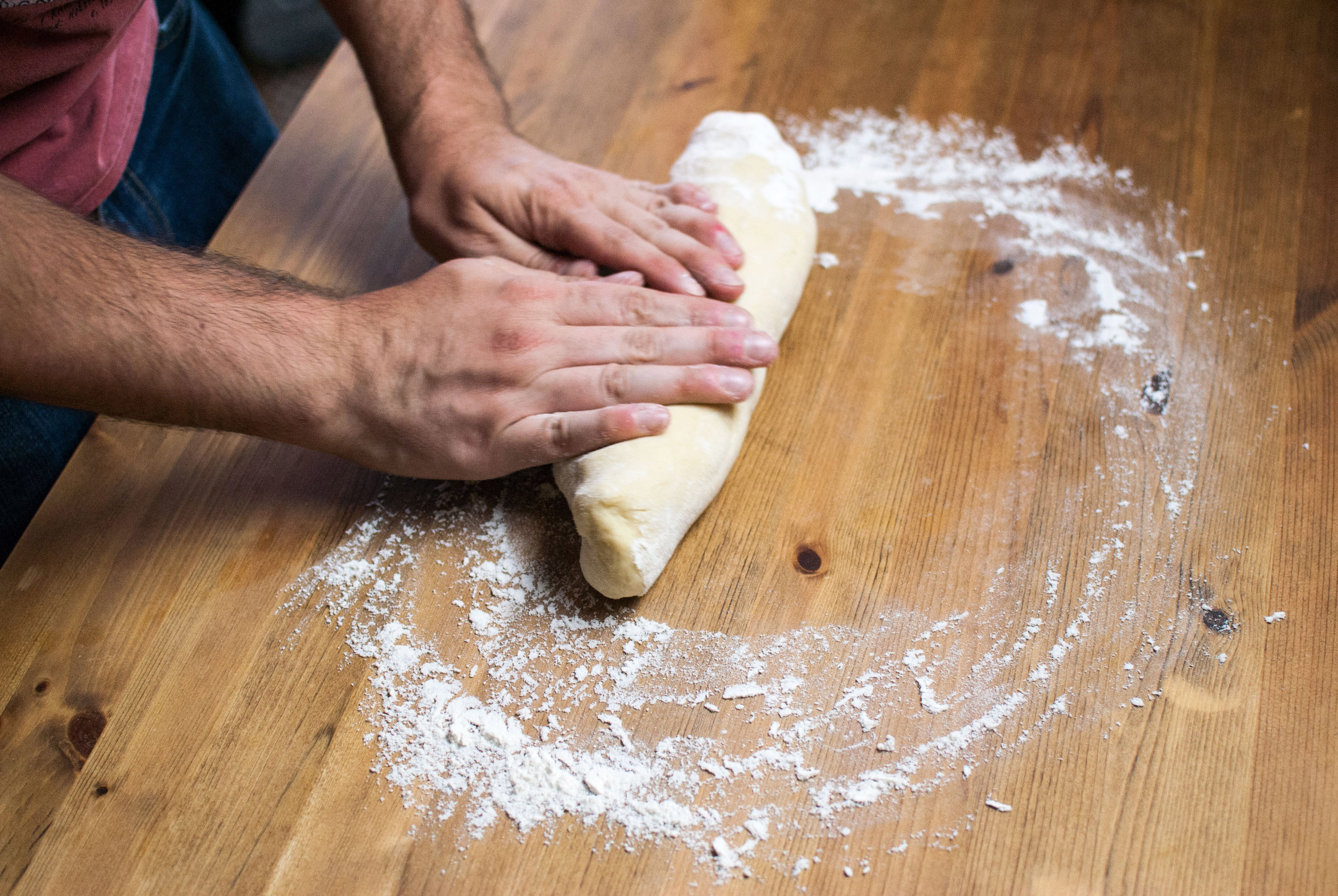
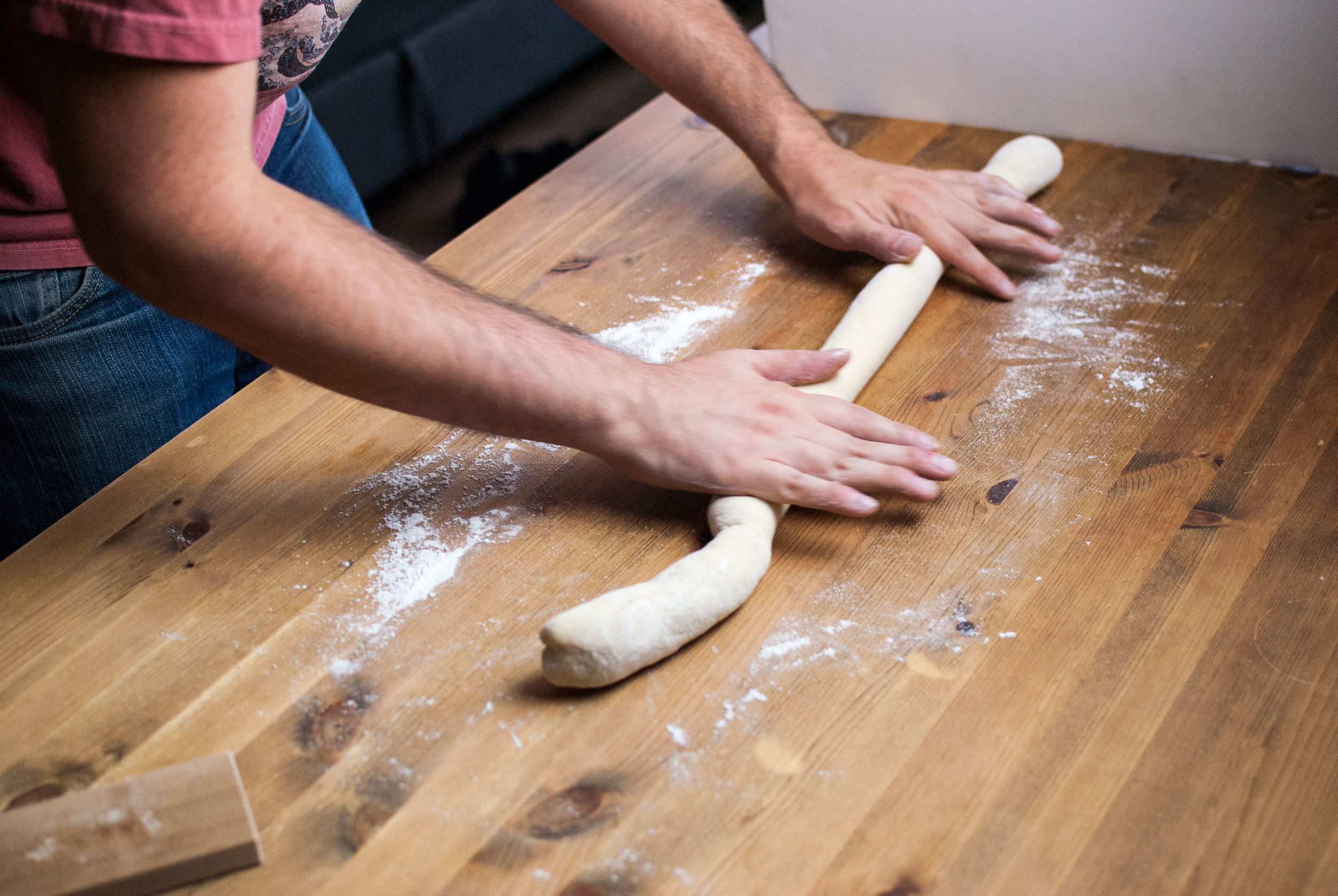
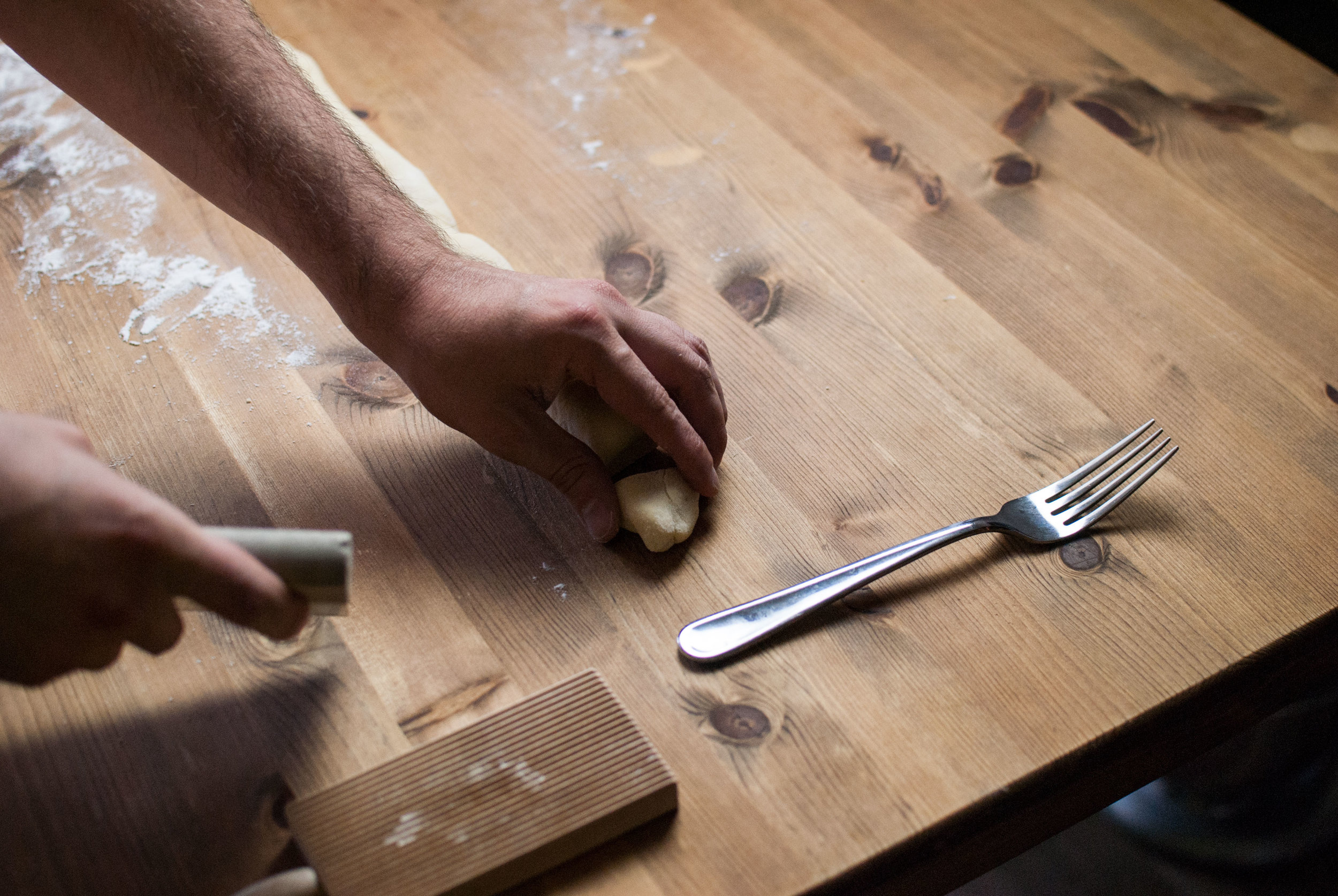
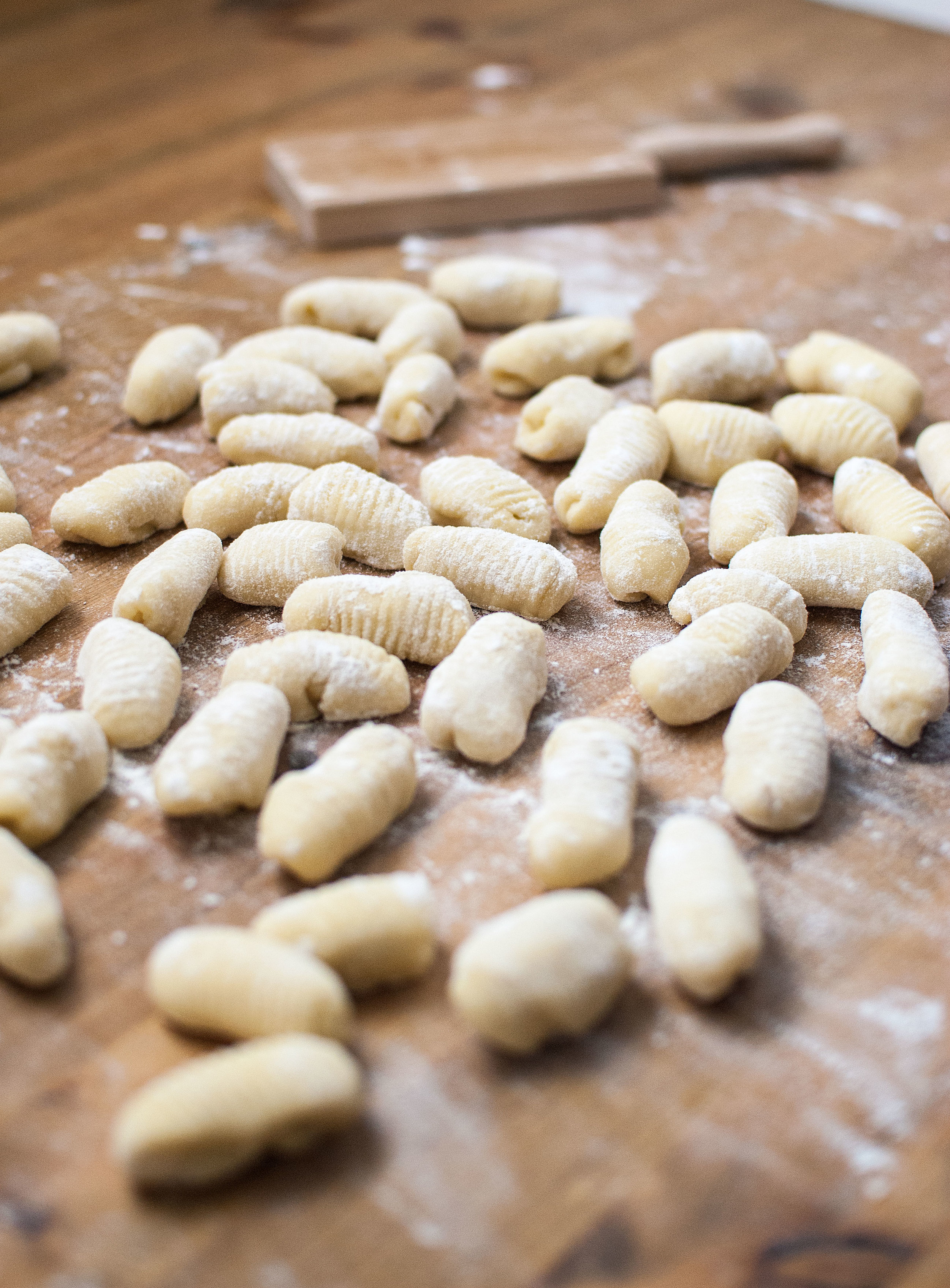
    Transfer the rested dough to a lightly floured table or counter and begin to roll it into a long snake-like shape; it should be a little less than an inch in circumference when you’re finished. The dough will be quite tough and glutinous, so I’ve found that letting gravity stretch it a bit by pulling it and letting it hang in the air (as well as giving a few good thwacks on the table) works quite well to elongate it. Once you’ve got it rolled, take a knife or dough cutter and cut the dough into little nubs. The ideal size of a single gnocch for us is about the size of your thumb pad, so when you’re done, your table might look like it’s covered in a bunch of little floury thumbs (not to be grotesque, but hey, it’s an image you won’t forget).

    Your gnocchi are ready. They’re good to boil in the moment, or just place them on a sheet tray lined with baking parchment and freeze them for later. They keep for…well, we don’t actually know how long they really keep for; we’ve never let them sit around for too long. Oh, well…

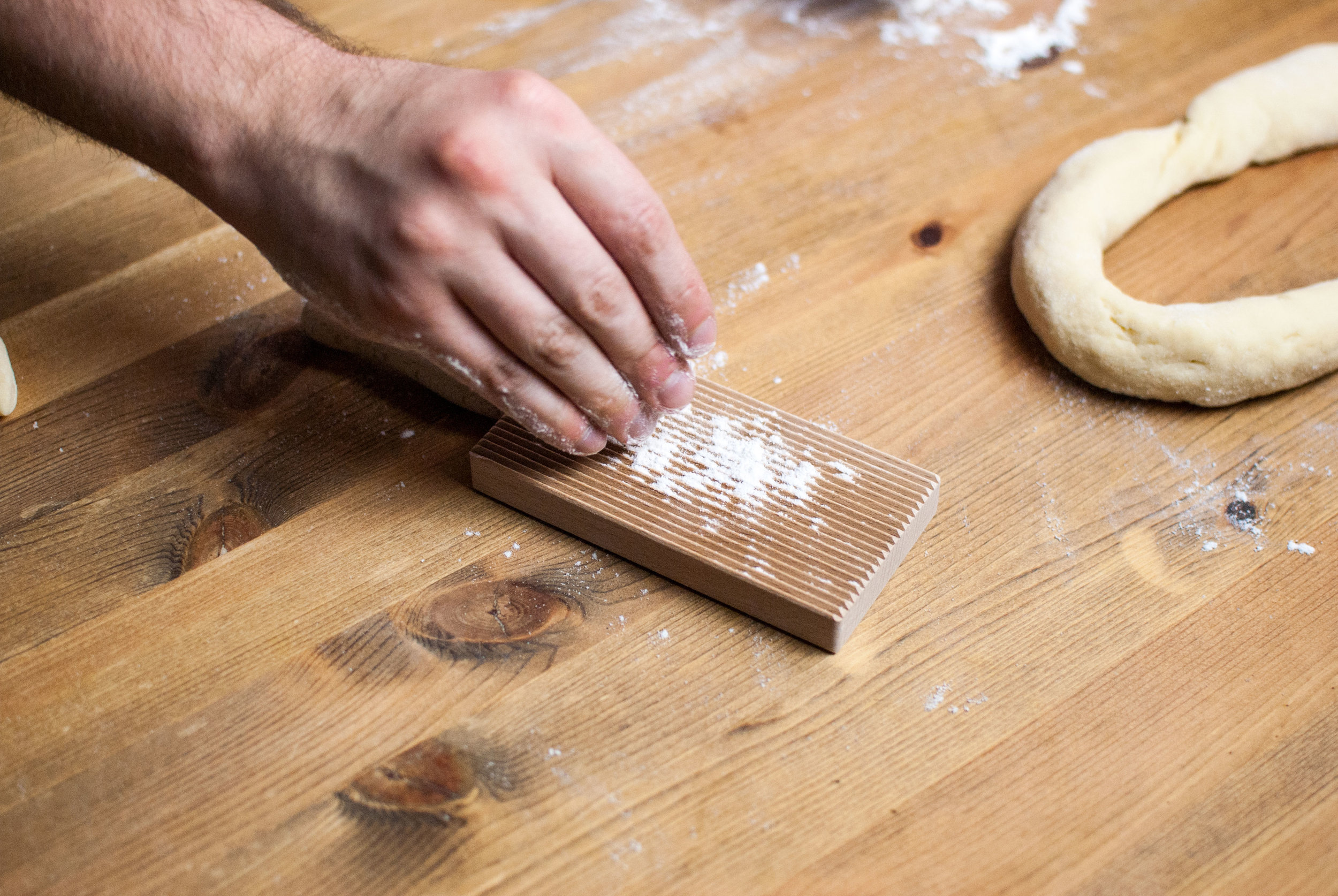
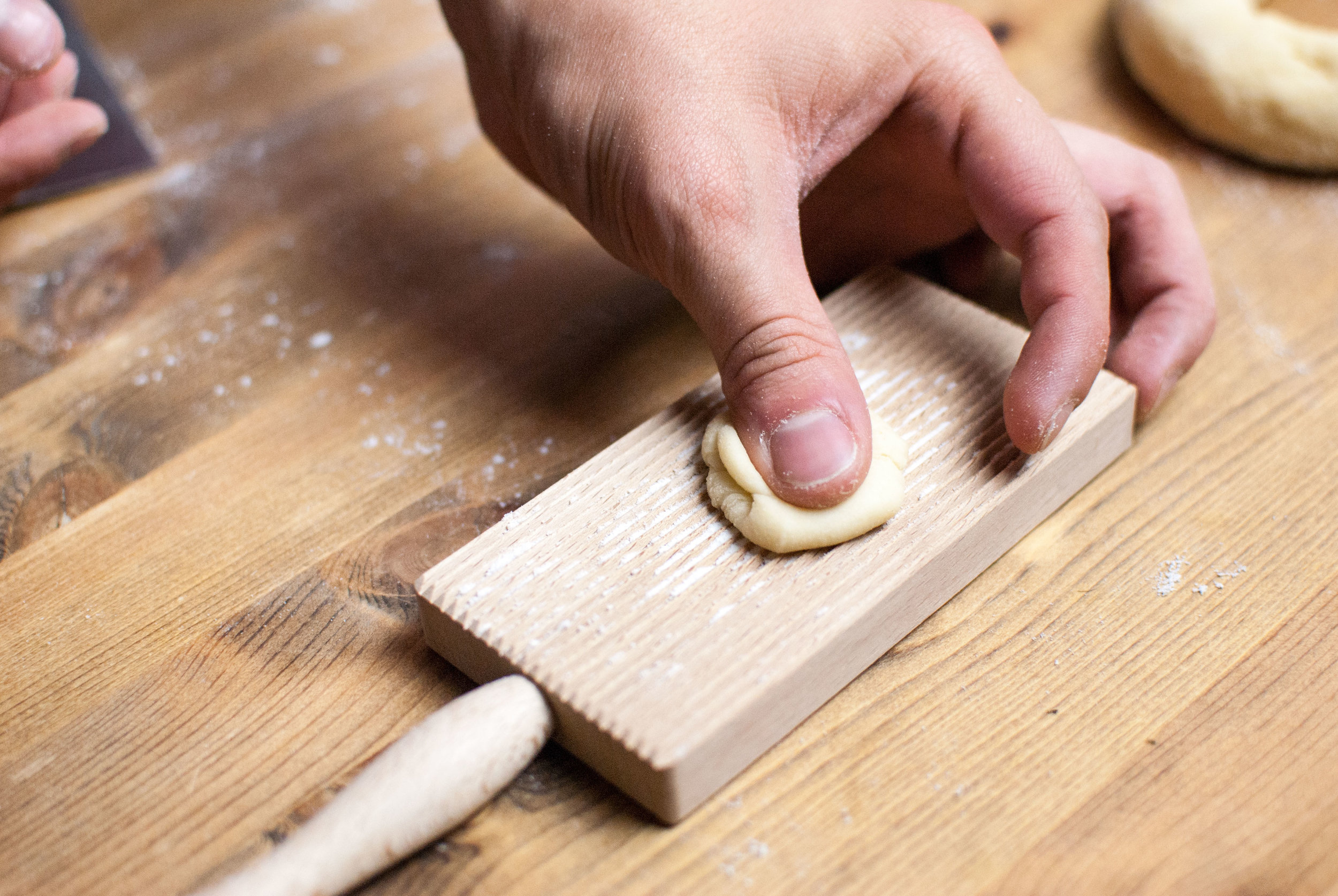
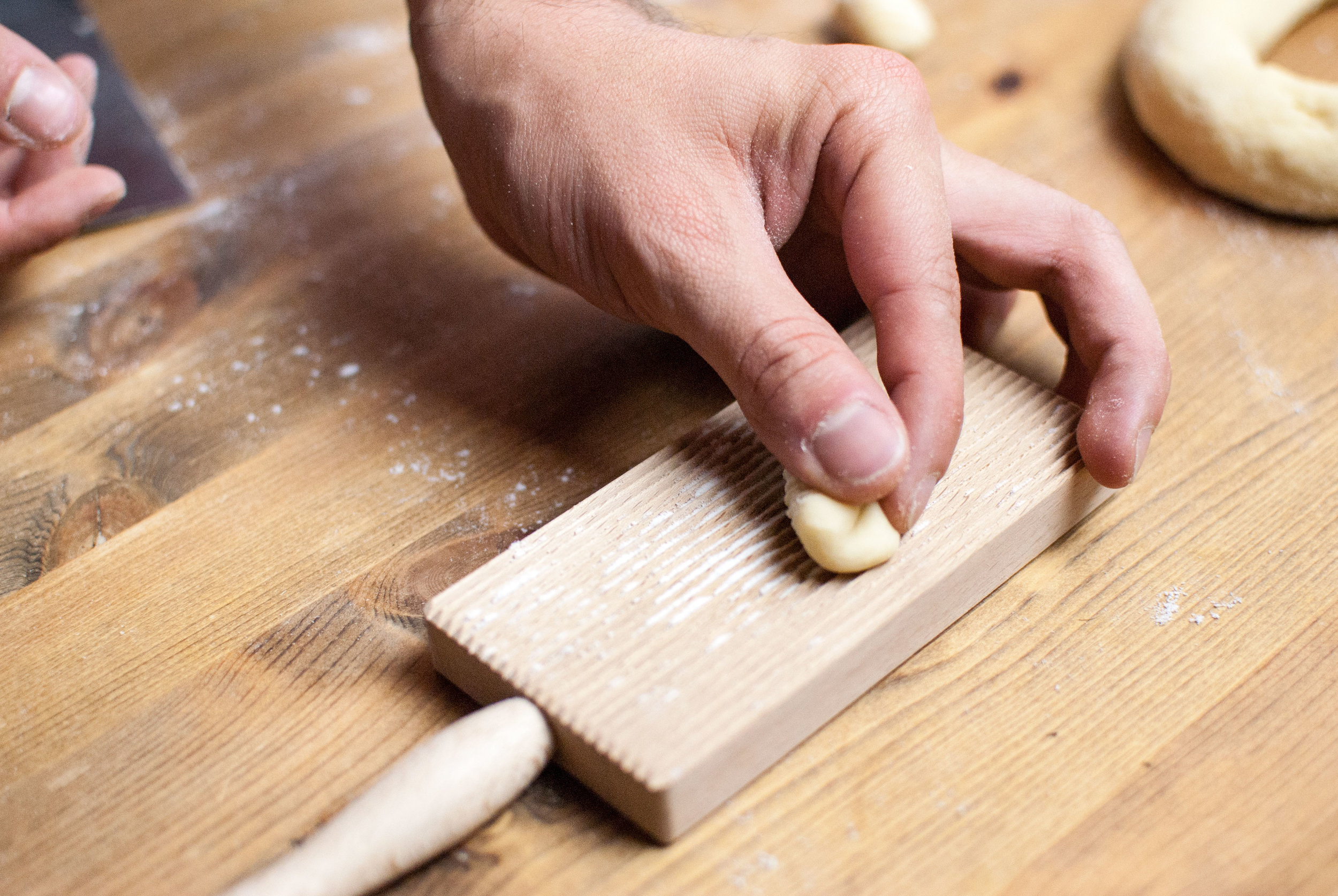
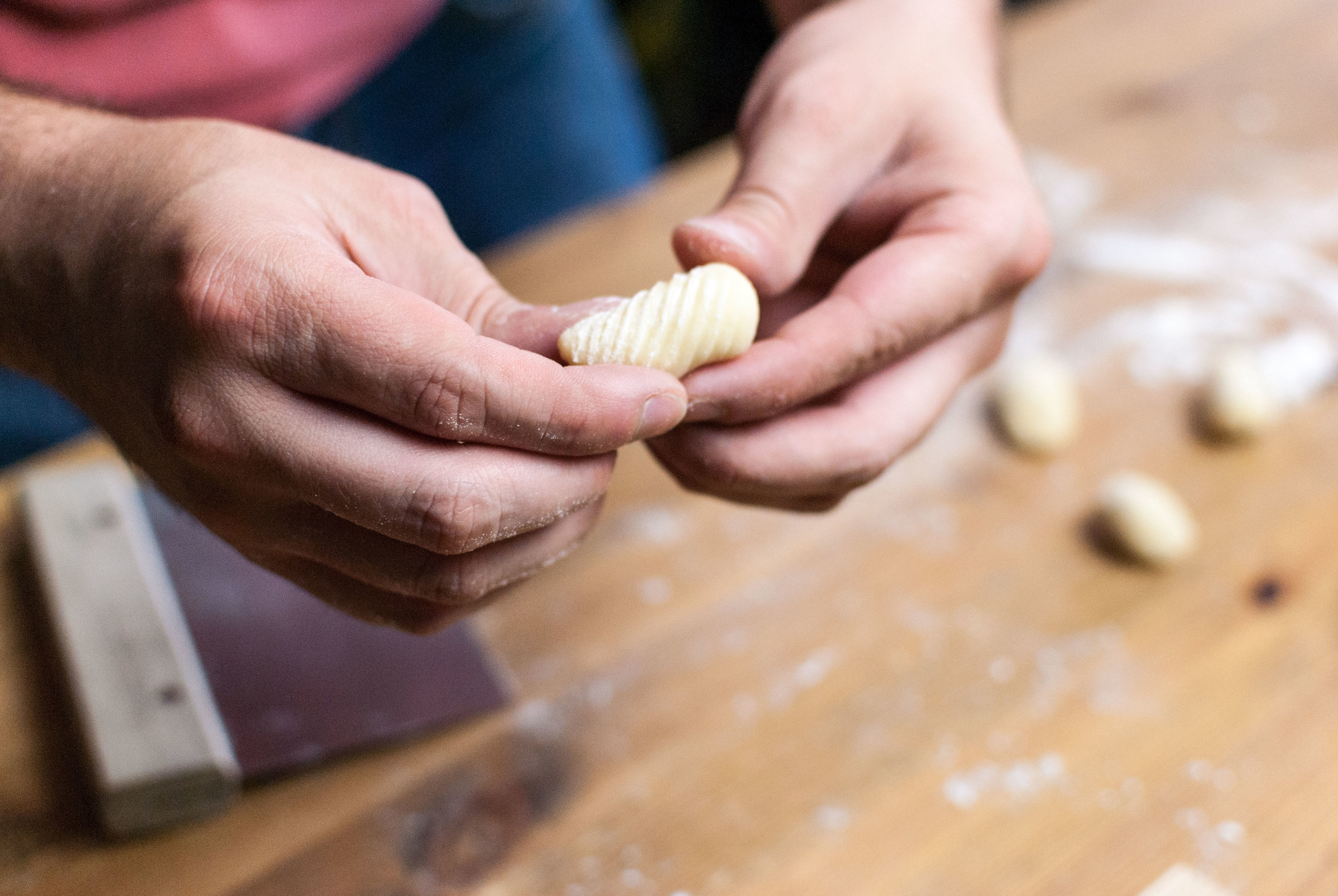
    Optional: After cutting the dough, you’re welcome to press your little gnocs onto a gnocchi board to get their groove on. Simply take a gnocch and press it with your thumb onto a floured board, almost like a thumb print cookie, then remove it and fold it into itself so it returns it’s round shape once again with the grooves facing outward (duh). I’ll admit, it’s a bit of a tedious process, but they do look lovely when they’re finished and they really do hold more sauce. I’d recommend this method if you’re tossing them in a tomato sauce.


    gnocchi_dough_19.jpg

    Yields about 65-70 gnocchi, roughly 4 servings.

  • Smoky Baba Ghanouj


    The baba ghanouj recipe is a little nod to the only Middle Eastern restaurant from my Oregonian hometown of Coos Bay/North Bend, simply named Cafe Mediterranean. My family is reasonably certain that when they first opened that we generated a venerable chunk of their revenue. Back in the early 2000’s, living in such a small town, we hadn’t really ever been exposed to food like that before, and it was such a welcome influence that it sent us on a mezze kick in our own kitchen that lasted for years. They had a strong menu, but for us, the star of the show was their baba ghanouj. One day, we asked for the recipe, and they graciously revealed the secret ingredient that made it so addictive: a little kiss of liquid smoke. It ties everything together so nicely, opening up a larger dialogue between the eggplant and the garlic.

    Since then, we’ve tweaked it to make it our own, for instance, roasting the eggplant longer for a deeper flavor and adding a lot more garlic. We also boost the smoky flavor by garnishing the dish with a little dusting of smoked paprika.


    Smoky Baba Ghanouj:

    • 1 large eggplant, halved
    • ¼ cup tahini
    • 4–5 cloves garlic, crushed
    • 1 teaspoon ground cumin
    • Juice of 1 lemon
    • A drop of liquid smoke
    • Salt to taste
    • Olive oil for garnish
    • Smoked paprika for garnish


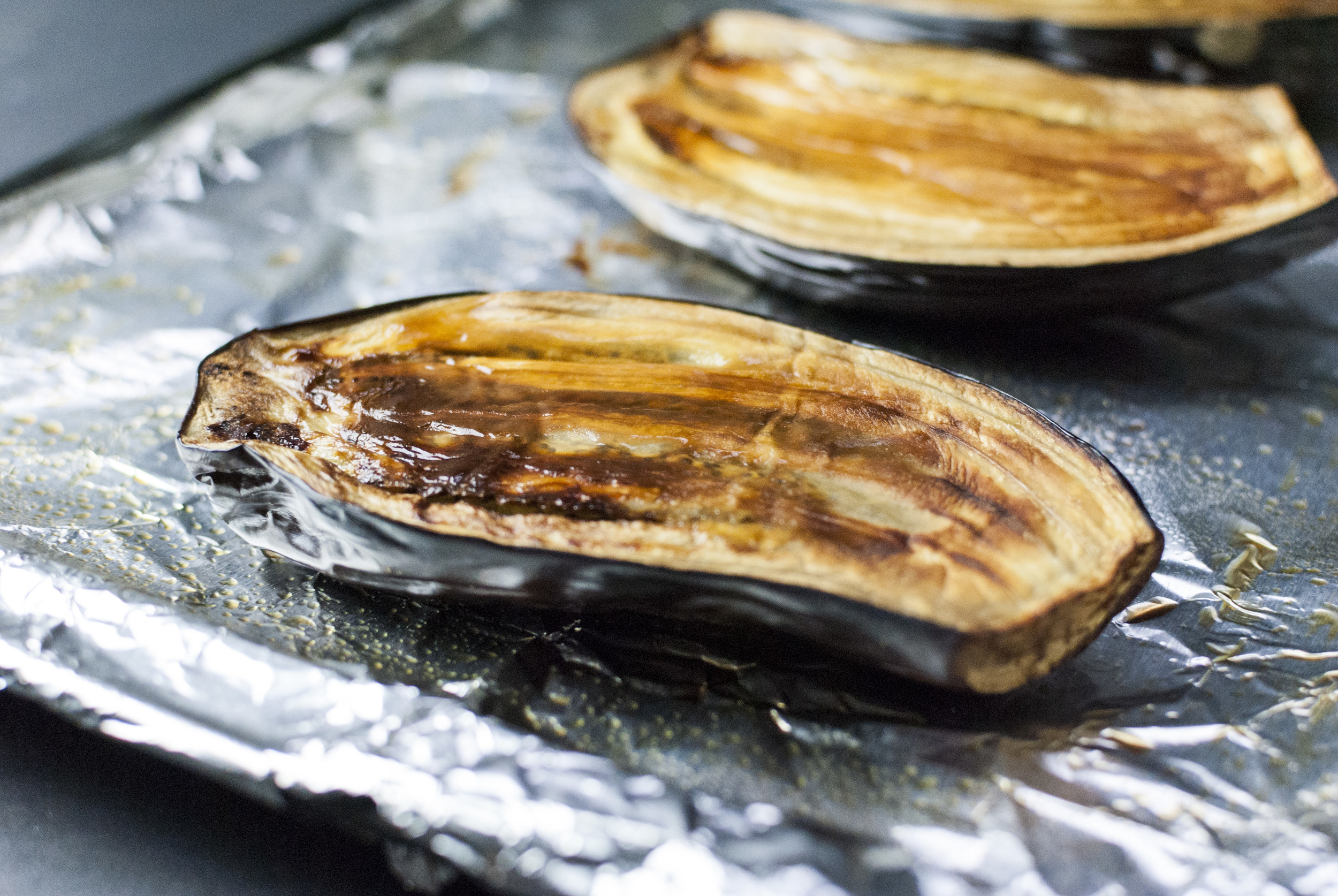
    Preheat oven to 350°F. Cover a baking sheet in aluminum foil then lightly oil the surface. Roast the eggplant on the baking sheet skin side up for about 2 hours or until the flesh of the eggplant is very tender.

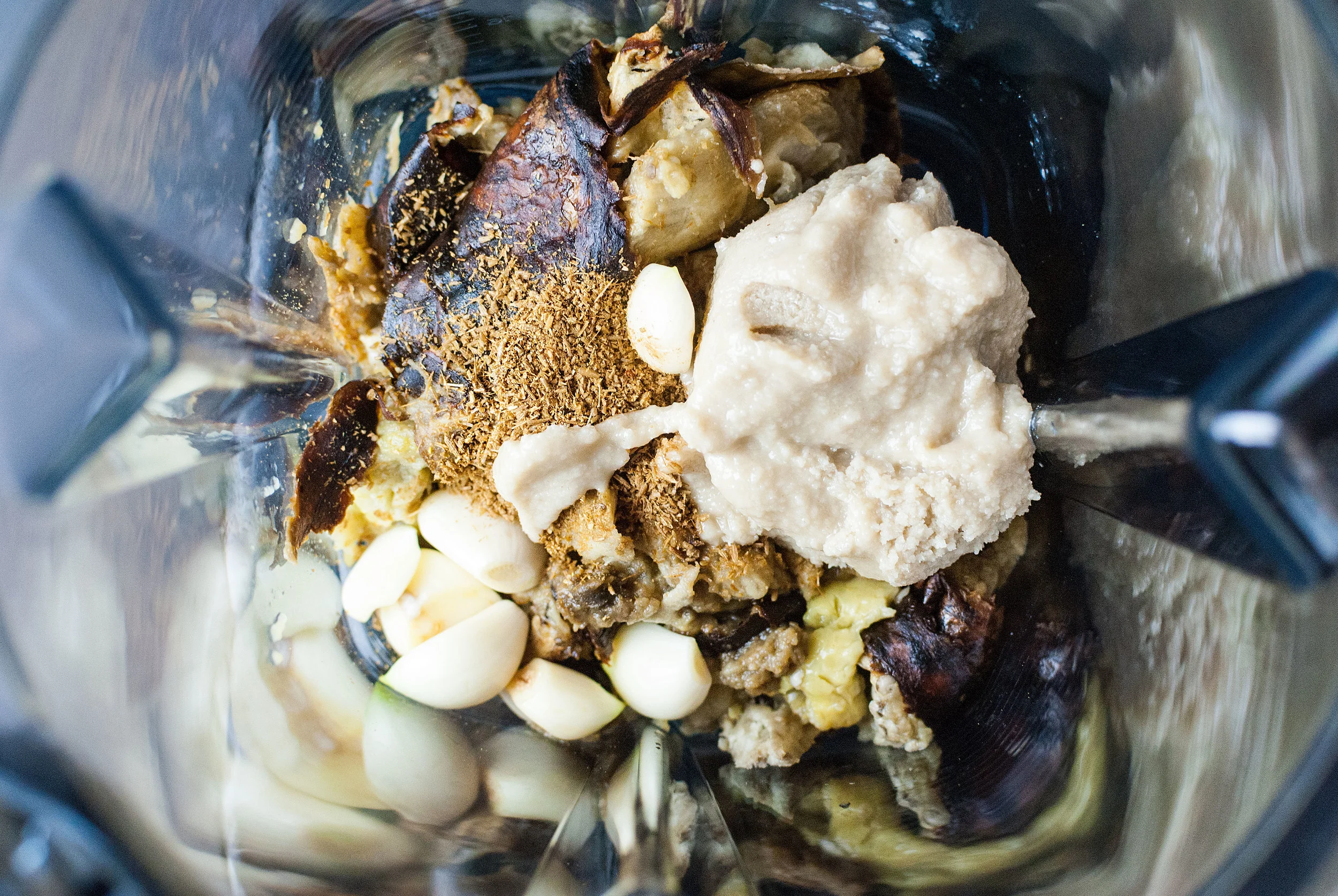
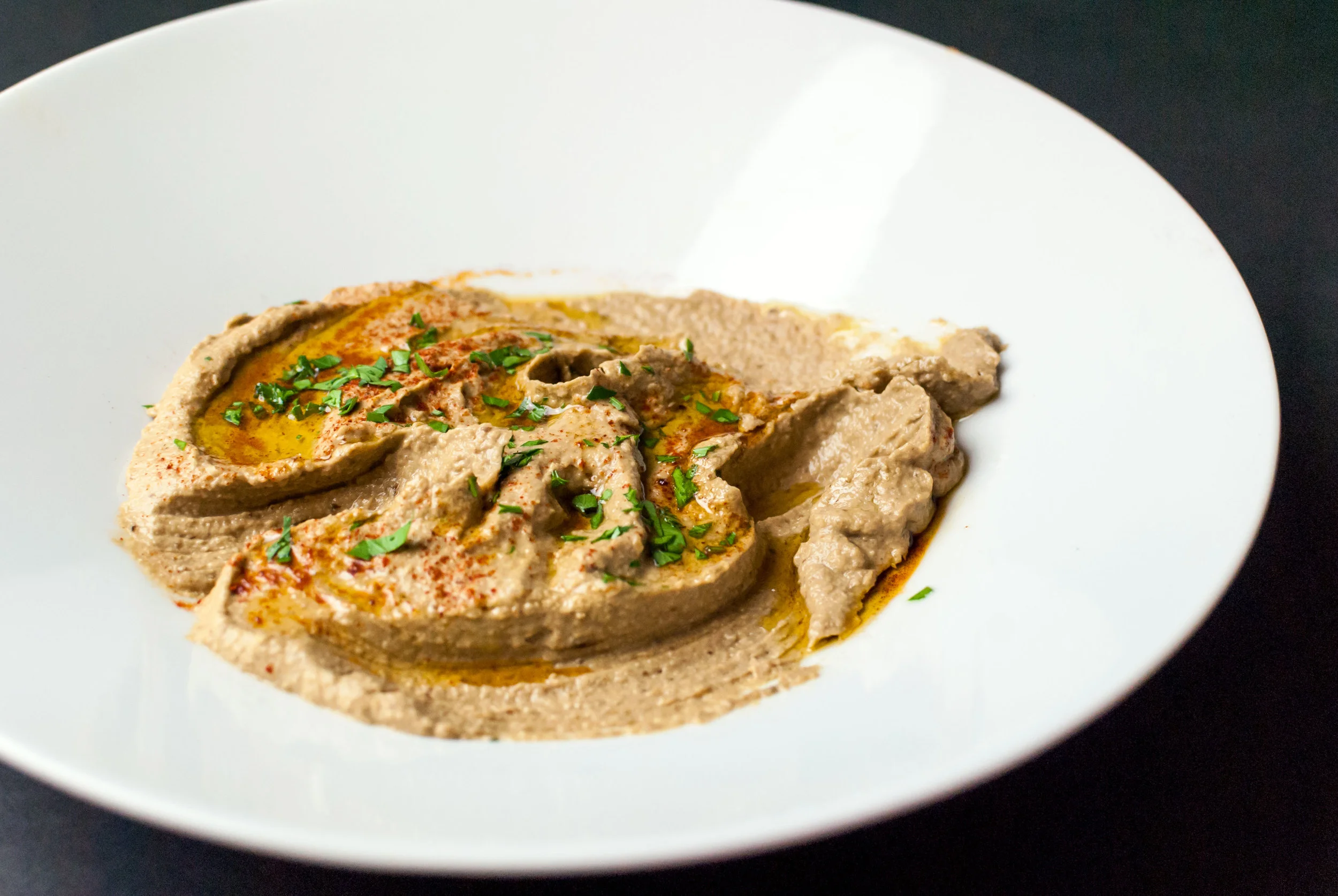
    When the eggplant is cool enough to handle with your hands, scoop the flesh out of the skins and place into a food processor with the tahini, garlic, cumin, lemon juice, and liquid smoke. Pulse at first, breaking everything up into more manageable sizes for the blades, then blend steadily until completely smooth. Taste test and add salt to your liking. When finished, place the baba ghanouj into a serving dish and drizzle with a little bit of olive oil and a light dusting of smoked paprika.


  • Chicken Shawarma Dinner


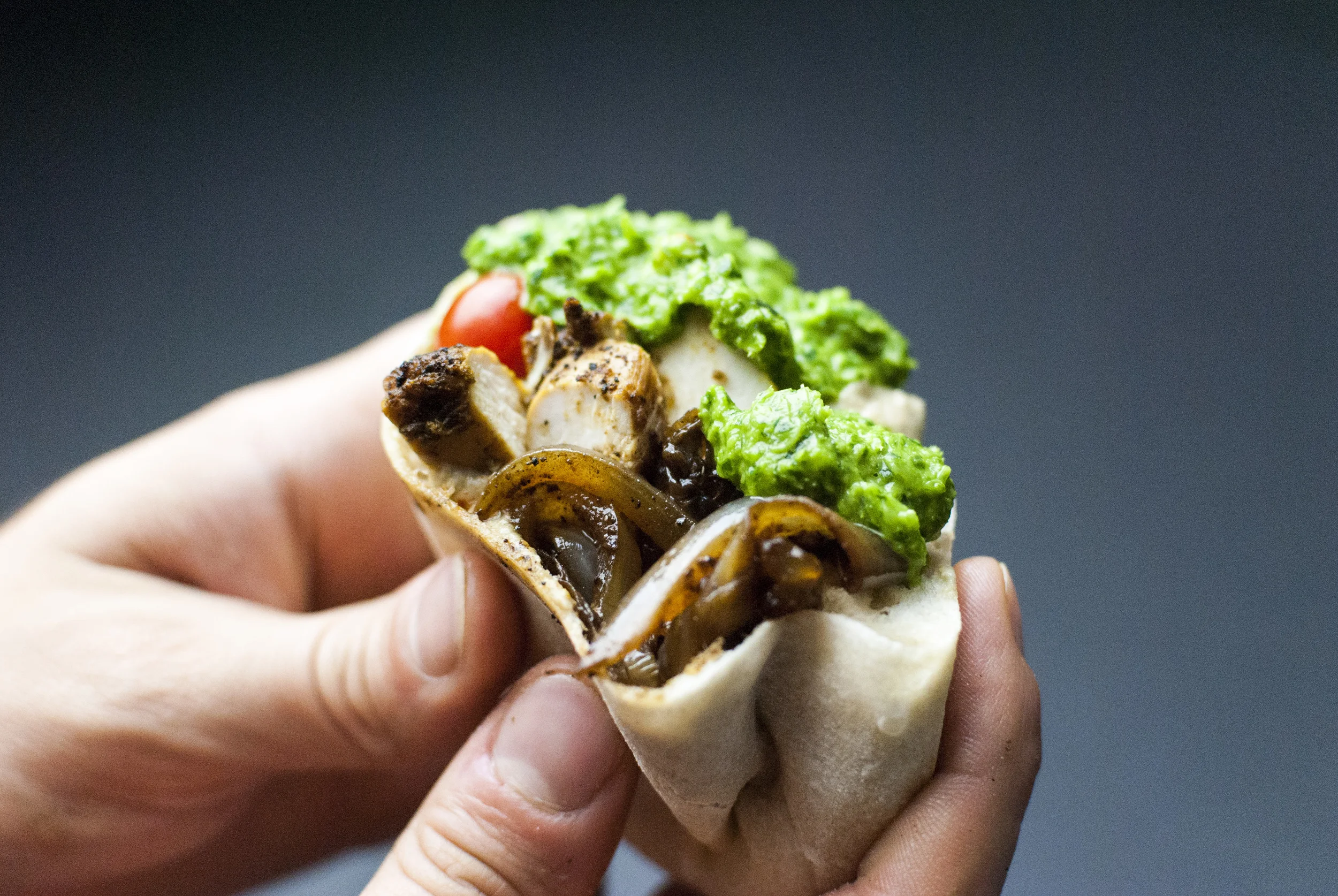
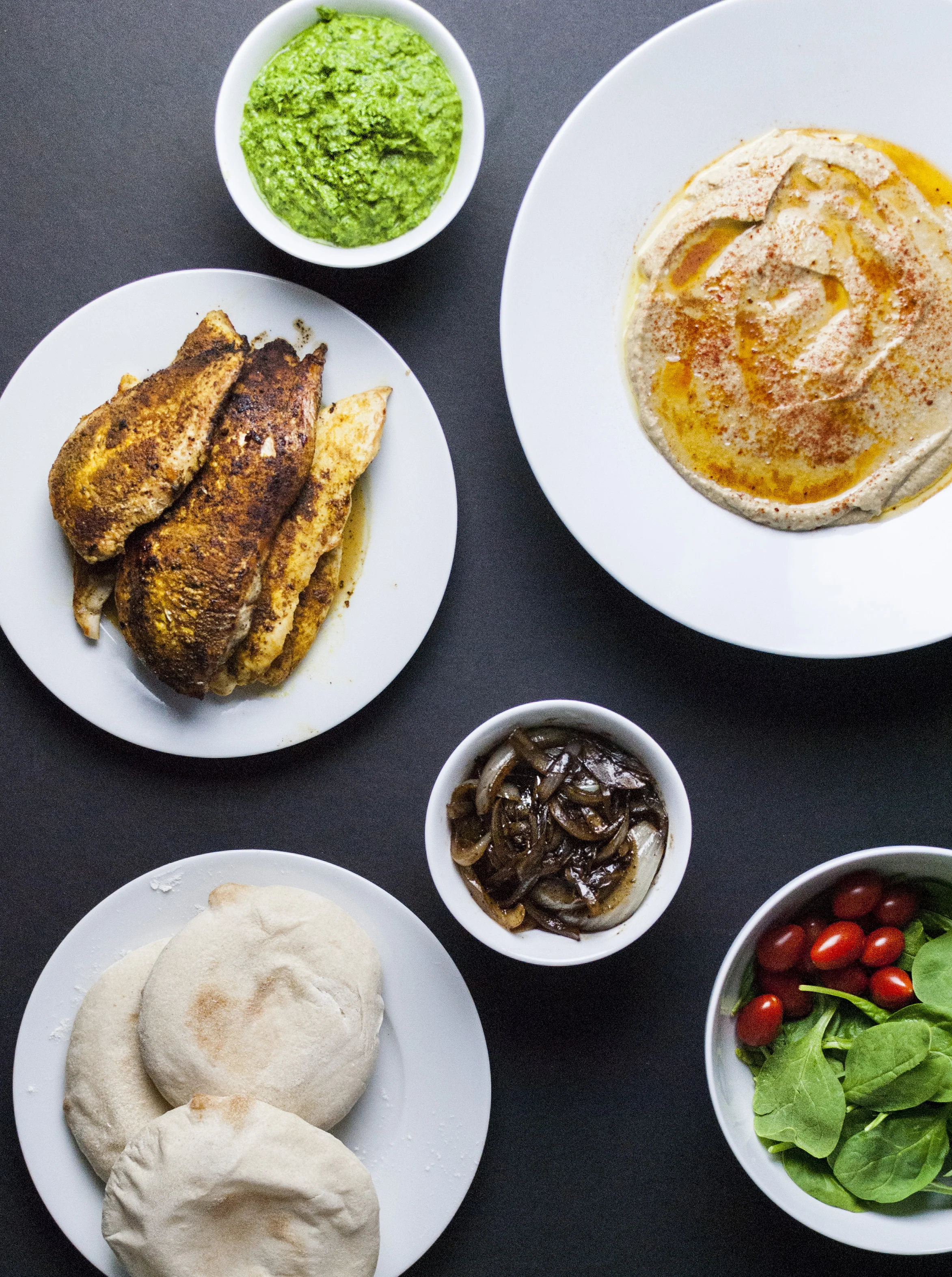
    First and foremost, this is a multi-recipe post! Nothing here is too complicated, and when you make (and eat) all these things together, the result is immensely satisfying; it’s a favorite weeknight—yes, weeknight—spread for us. This is a dinner that really exemplifies some of our favorite flavors: bold spices, fresh herbs, and obscene amounts of garlic. While we understand that this recipe might not be exactly authentic (it isn’t), we can promise that it’s completely delicious. The styles of shawarma, after all, are completely dependent on what’s around and what’s good, and we used what was in our pantry. We can also promise that this is one of the easiest and quickest smorgasbords you can make to impress a small crowd. It makes a great sit-down meal, but also could promote casual grazing at a party. We’ve tried it both ways: 10/10, would recommend.

    The zhoug was inspired from the Jerusalem cookbook, and has since found its way into many dinners of ours. Call us predictable, but we are suckers for fresh and spicy sauces that brighten things up.

    Parsley and Mint Zhoug:

    • 1 cup of fresh parsley leaves, packed, some stems are okay
    • ½ cup fresh mint leaves, packed
    • 2 cloves of garlic, crushed
    • 2 green chiles, stems removed
      • Note: You can use whatever green chiles might be available to you for this such as jalapeños or serranos. We love using Thai chiles, and for this particular recipe we us 4–5. It all depends to how spicy you want this condiment to be.
    • 1 heaping teaspoon of ground cumin
    • Juice of 1 lemon, seeds removed
    • ¼ cup olive oil
    • Salt to taste

    Combine parsley, mint, garlic, chiles, cumin, and lemon juice in a food processor and pulse the ingredients together, occasionally scraping the sides of the bowl. Once the mixture resembles a thick paste, keep the blade running and pour in the olive oil through the top slowly, creating an emulsion. Season with salt and double check the mixture for smoothness, pulsing occasionally if needed. Serve in a small serving bowl.

    Chicken Shawarma:

    • 1 pound of chicken breasts, trimmed of silver skin
    • Kosher salt
    • Shawarma spice mix:
      • 1 tablespoon ground cumin
      • 2 teaspoons curry powder
      • 1 teaspoon ground coriander
      • 1 teaspoon sumac
      • 1 teaspoon paprika
      • ½ teaspoon ground allspice
      • ¼ teaspoon ground cinnamon
      • ¼ teaspoon ground ginger
    • Oil as needed
    • ½ large sweet onion, thinly sliced into strips


    Rinse the chicken pat dry with a paper towel. Fillet meat into pieces with even thicknesses; about an inch. Cover one side of the meat liberally in salt and spices and set aside.

    Bring a pan to medium high heat with half a tablespoon of oil or so and place the chicken in the pan. As the meat cooks, salt and cover the other side with salt and spices. Cook until the chicken starts to whiten up the sides, then flip to finish cooking. Test the chicken for doneness (160-165°F) then remove from the pan to rest for 10 minutes before serving. While the chicken rests, add the onions to the pan and a little bit of water to help the drippings from the pan release. Cook onions until they become soft, translucent, and have sopped up all the drippings. Remove from the pan and serve.

    Serve with pita, hummus, baba ghanouj, and, if you can swing it, throw together a two second Greek salad.

    Serves 4.