Blog

  • Salted Dark Chocolate Mousse


    dark_chocolate_mousse_04.jpg

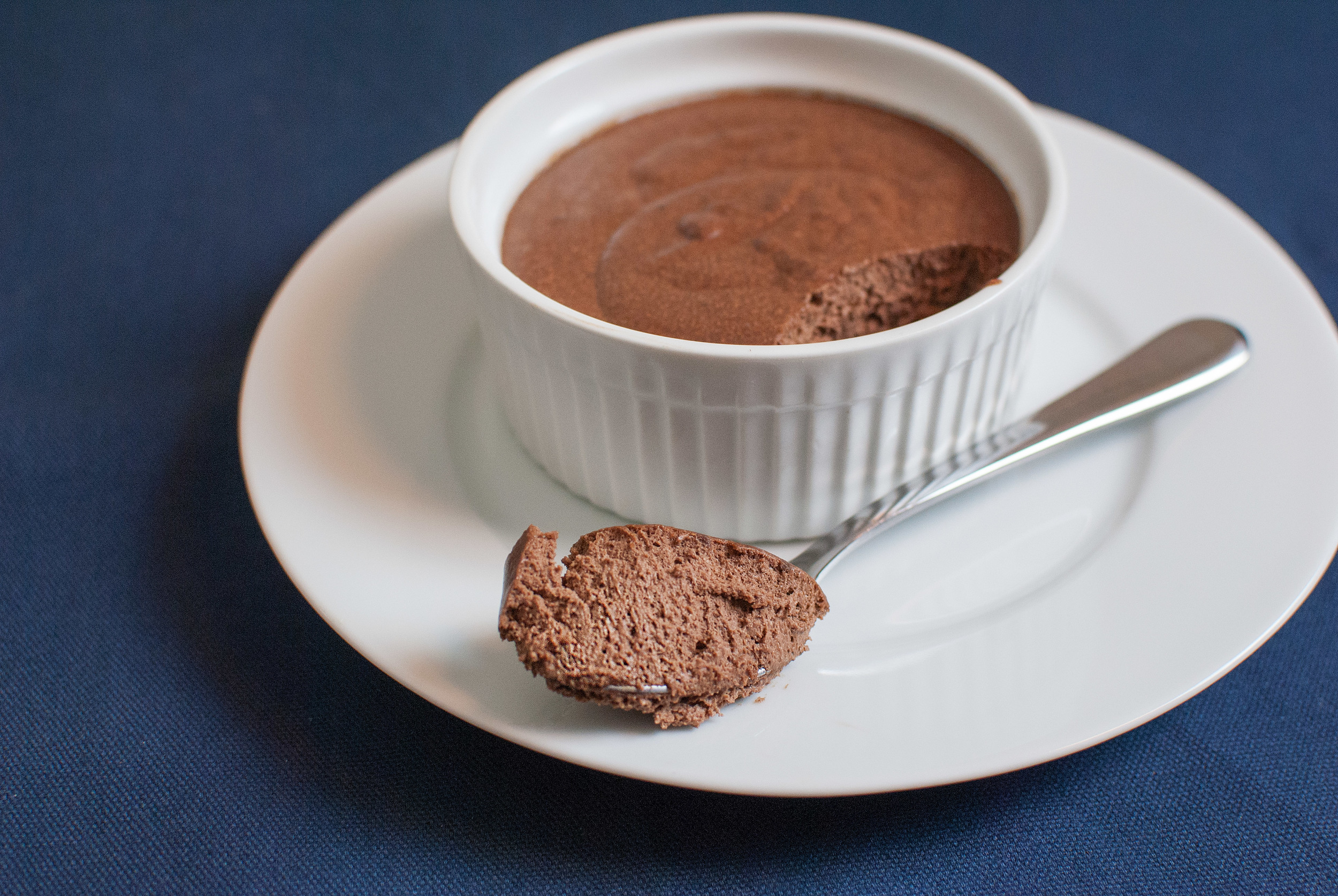
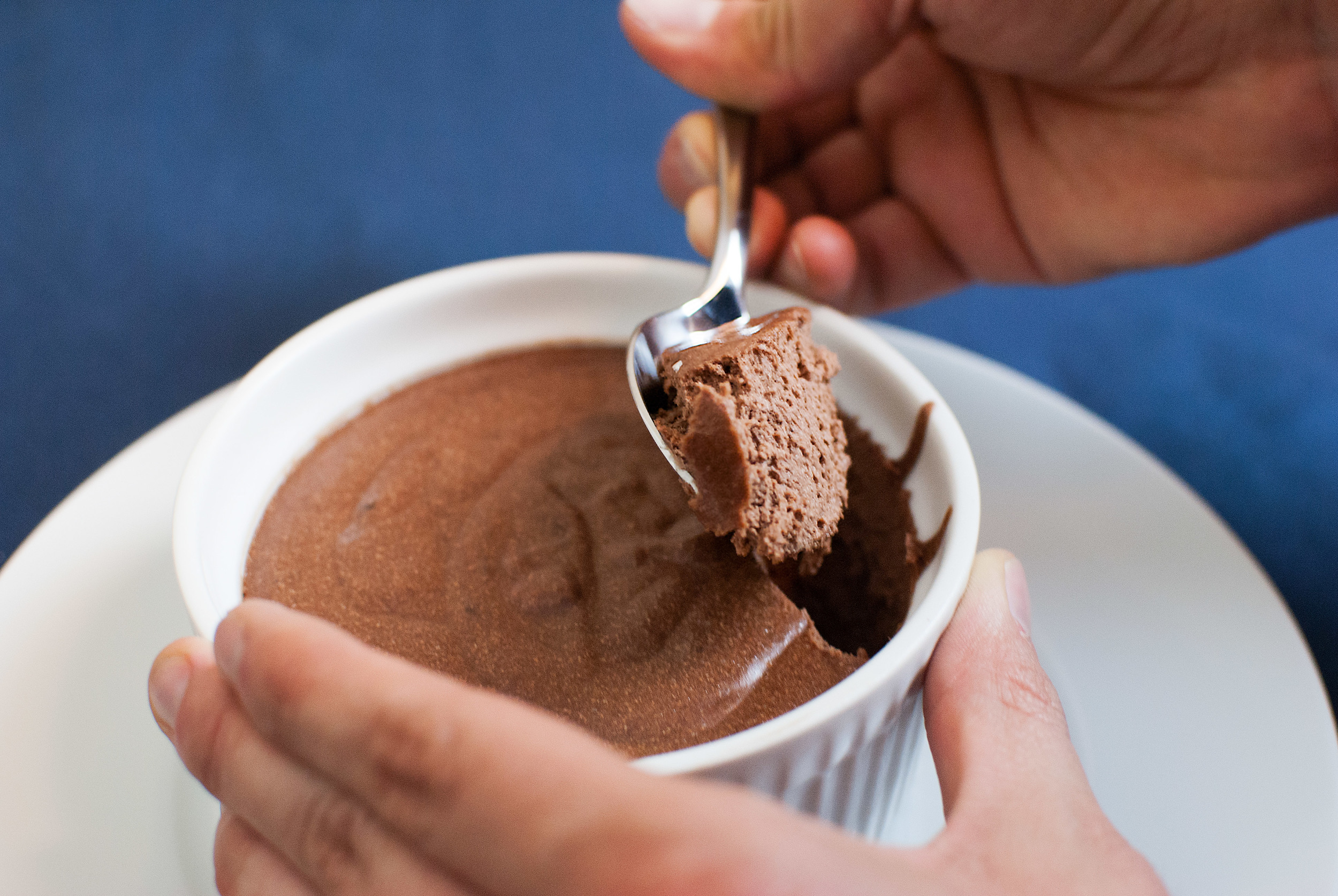
    We don’t spring for sweet things often. Like, ever. But when we do, it usually involves chocolate or peanut butter. We are excited to introduce our first dessert, which involves a healthy amount of delicious chocolate and super sexy sea salt.
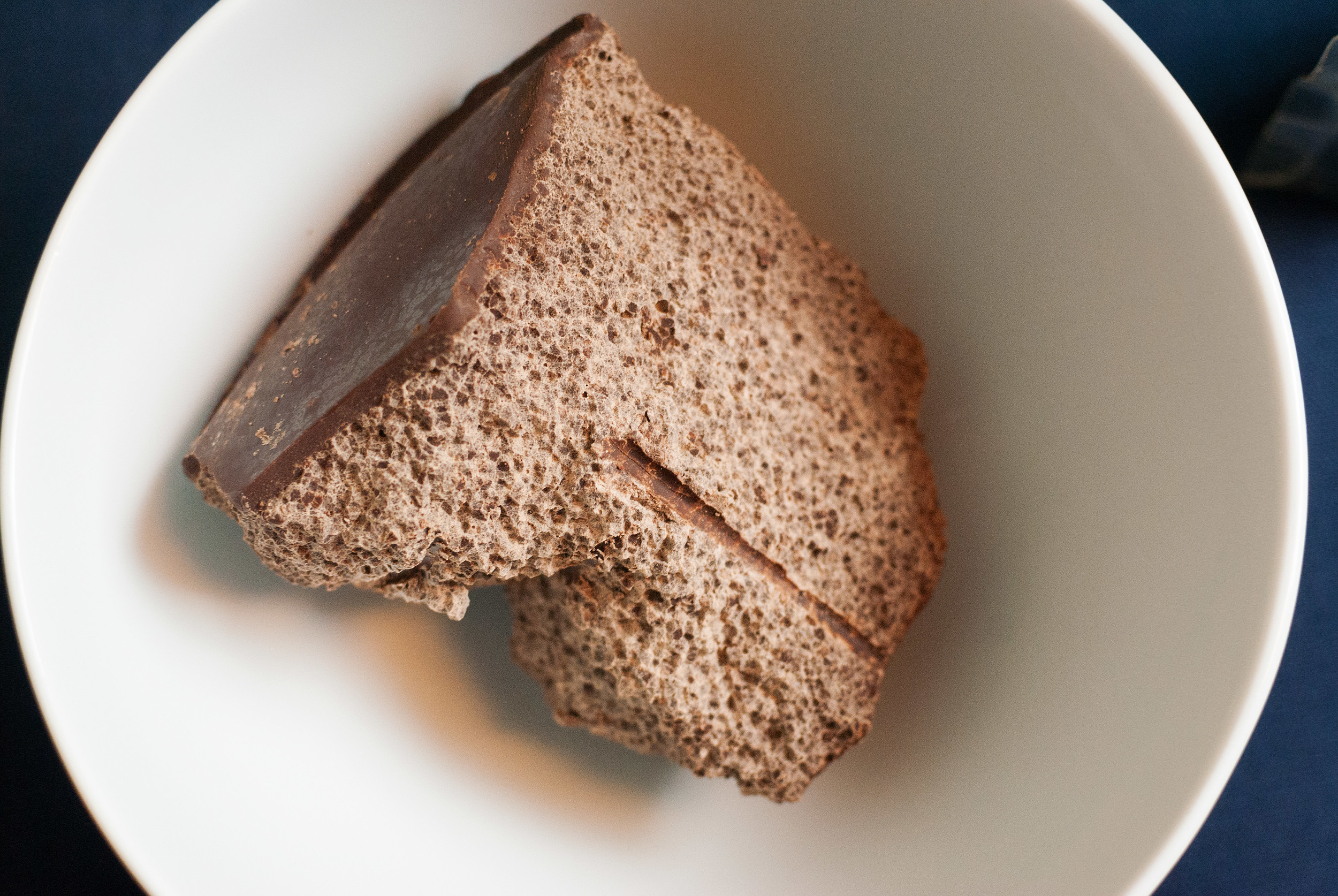
    Mousse is a basic dessert that’s easy to make at home (with or without an electric mixer), and we think it’s fair to say that it’s only as good as the ingredients you put in it. The thing we really like about our recipe is that we don’t add any sugar to it. There’s nothing for you to focus on while eating it other than the luscious texture and the wonderful chocolate you put in it. We would recommend using dark and complex chocolate for this, especially if it has some fruity notes in it. In this case we used some of the best chocolate we have ever come across roasted right here in Portland, Oregon, from chocolate maker, Woodblock Chocolate. We highly recommend that if you use Woodblock for this recipe, use the single origin Peruvian chocolate. It’s exquisite. The sea salt we use is also local (we hoard the stuff) from a wonderful company called Jacobsen.

    dark_chocolate_mousse_01

    dark_chocolate_mousse_01

    • 1¼ cup heavy whipping cream
    • 3 egg whites
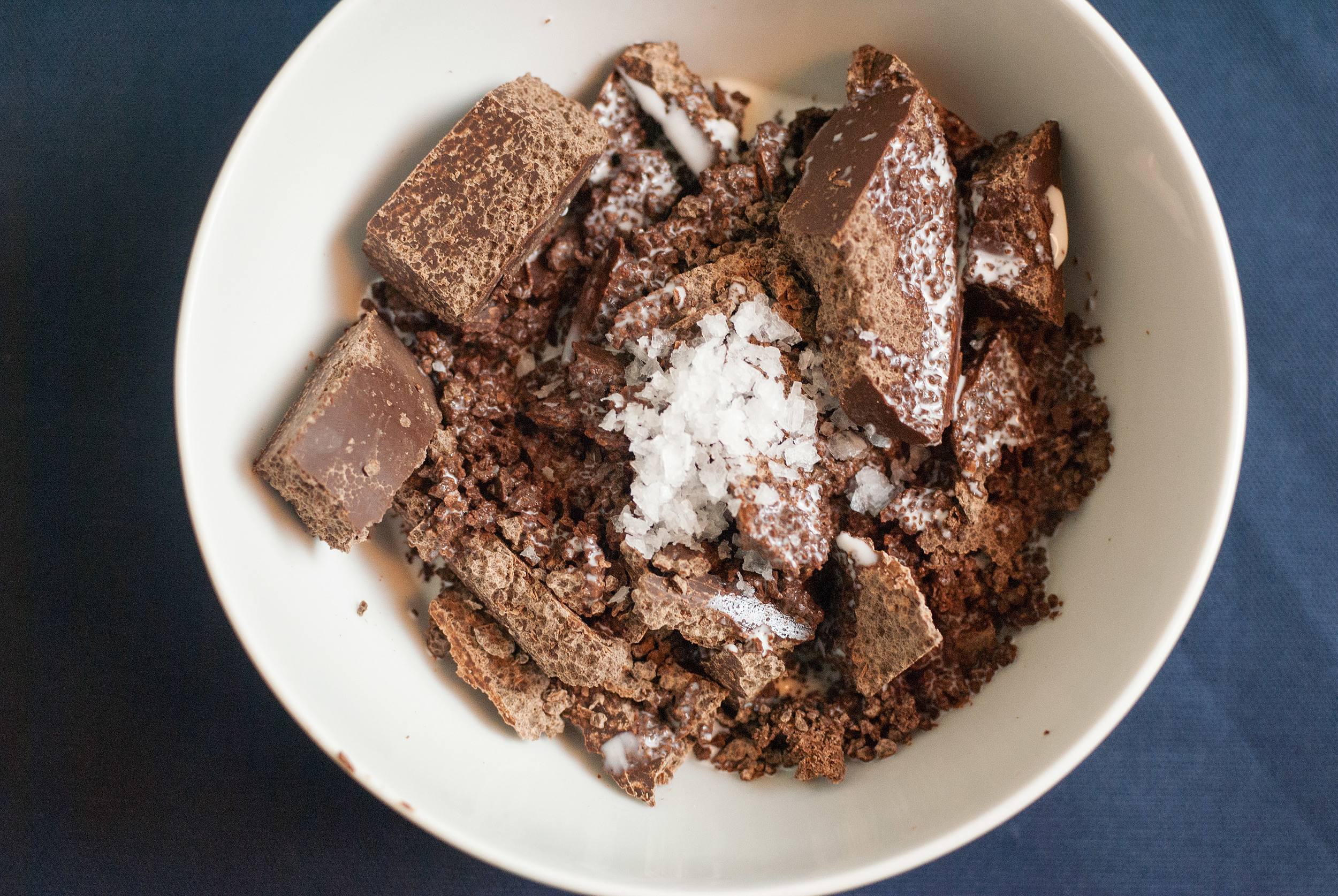
    • 8 oz. good dark chocolate, reduced to small chunks
    • ½ cup milk
    • 1 heaping tsp. good sea salt

    In a small bowl, place the chocolate, milk, and salt and microwave in short bursts until the chocolate is melted (usually two sets of 30 seconds). Mix together until well incorporated. Set aside.

    dark_chocolate_mousse_02

    dark_chocolate_mousse_02

    Place the whipping cream into a chilled bowl and whip until there is enough air to create floppy peaks with the cream. Set aside in a large bowl big enough to hold all ingredients. In another bowl (or the same bowl you used to whip the cream in after being cleaned and dried), whip the egg whites until they become very white and and have stiff peaks. Set aside.

    Slowly and gently fold in the melted chocolate mixture into the whipped cream, turning the cream and chocolate onto itself instead of mixing. The goal is to maintain the air you whipped into it. Once the chocolate is evenly mixed in, add the egg whites to the cream and chocolate and continue to fold gently until all three ingredients are completely incorporated.

    Divide the mousse evenly among four small dishes. Chill in the fridge for at least 4 hours.

    Serves 4

    dark_chocolate_mousse_03

    dark_chocolate_mousse_03

  • Larb Burgers


    larb_burgers_02.jpg

    All I can really glean from this recipe is that we come up with really good ideas when we’re drunk.
    So, one hot day recently, we were making larb and drinking a questionable amount of a tasty IPA (like you do), and then one of us—of course I can’t remember who—came up with the idea that instead of sticking to the plan and making salad, that we were actually craving burgers. Sure, it might have been the alcohol talking, but tell me, when you’re sloshed, what are you more inclined to eat: salad or a burger? Yeah. That’s what I thought you’d say. Glad we are all being honest here.

    Of course it was written in the stars that we had some leftover coconut milk in the fridge that we could transform into an amazing peanut sauce, and thus, the larb burger was born. After the incident, we made it three times in two weeks. We just couldn’t get it off our minds, and we also constructed some additions to spruce it up. What we’ve ended up with, we felt we really needed to share on the blog.

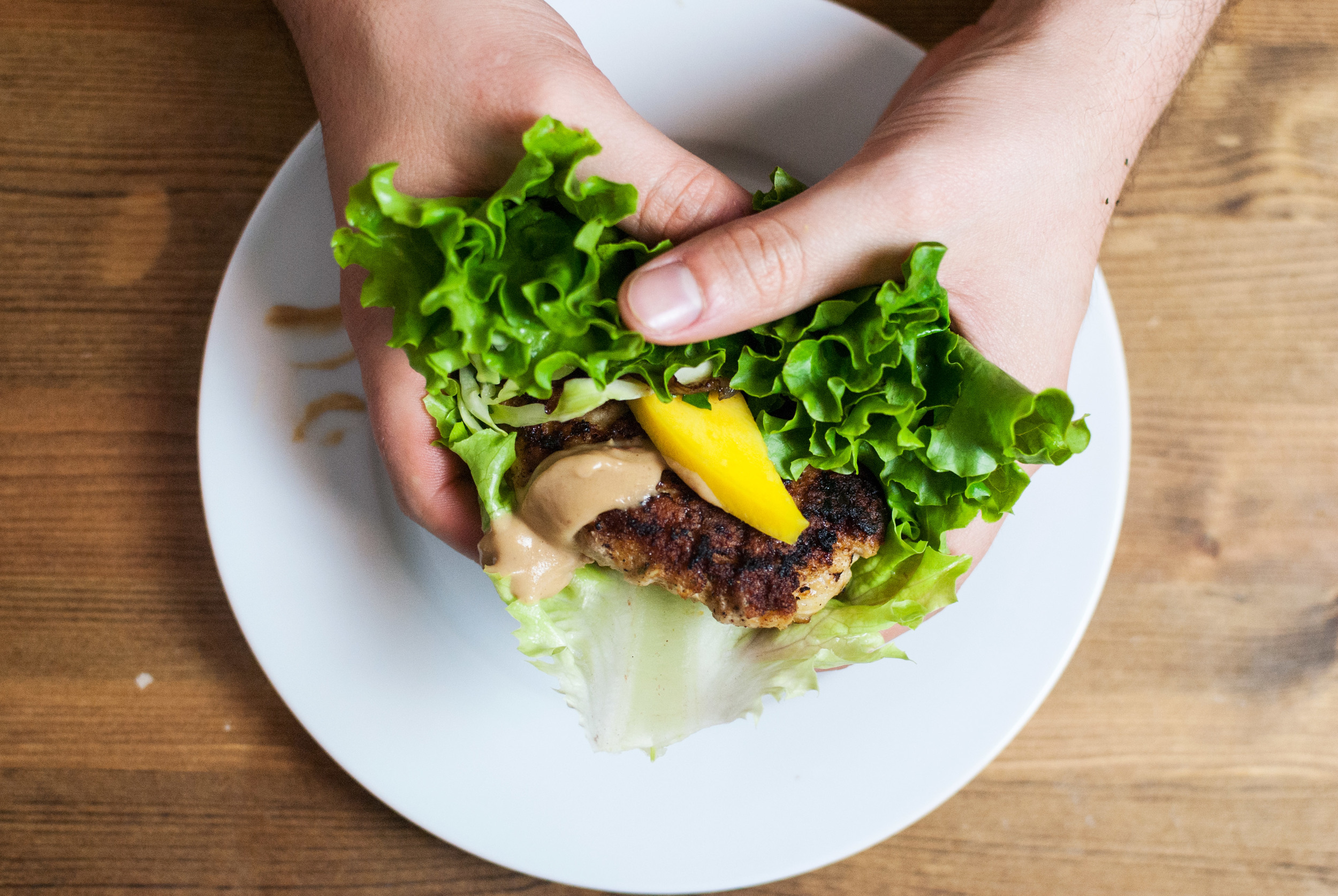
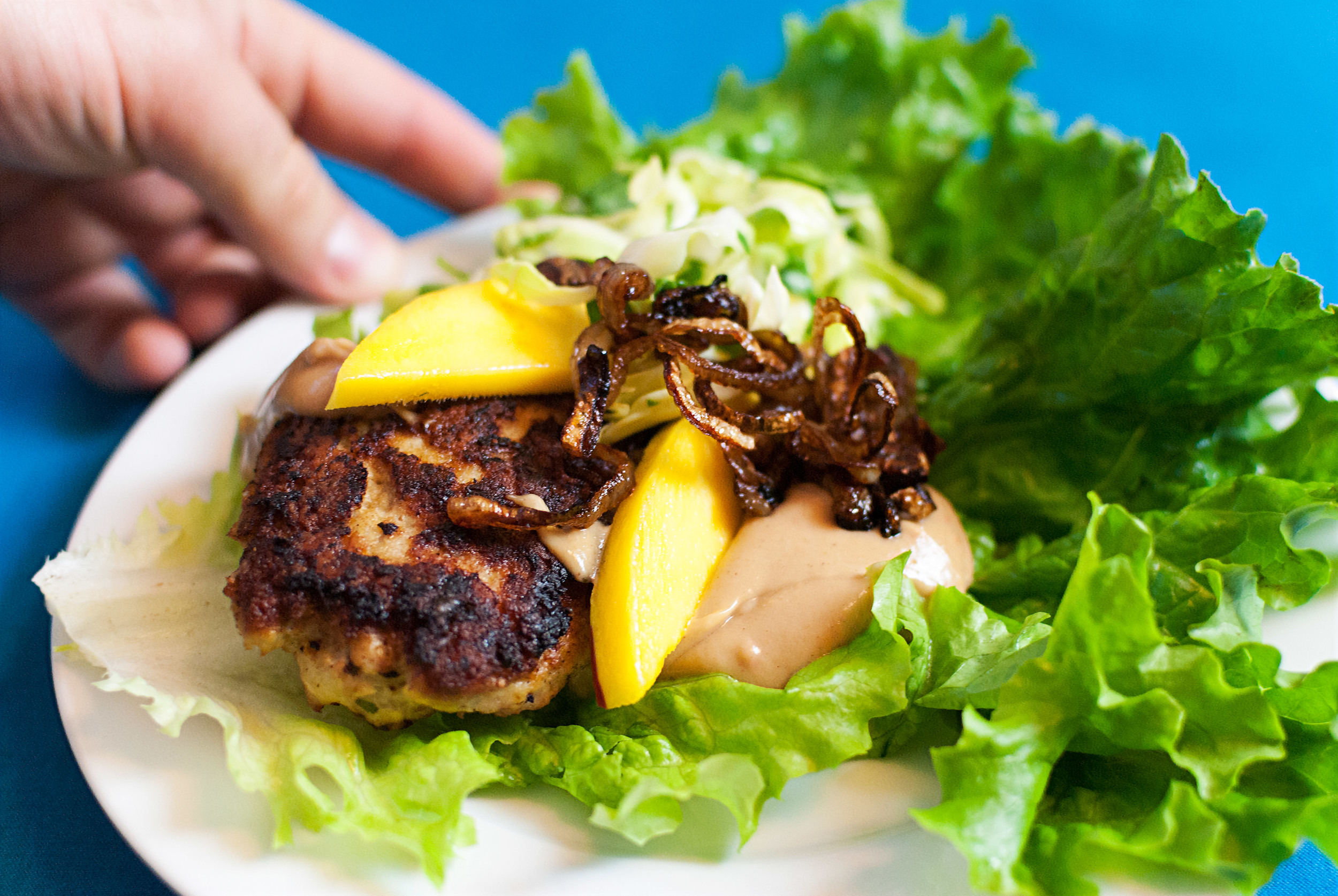
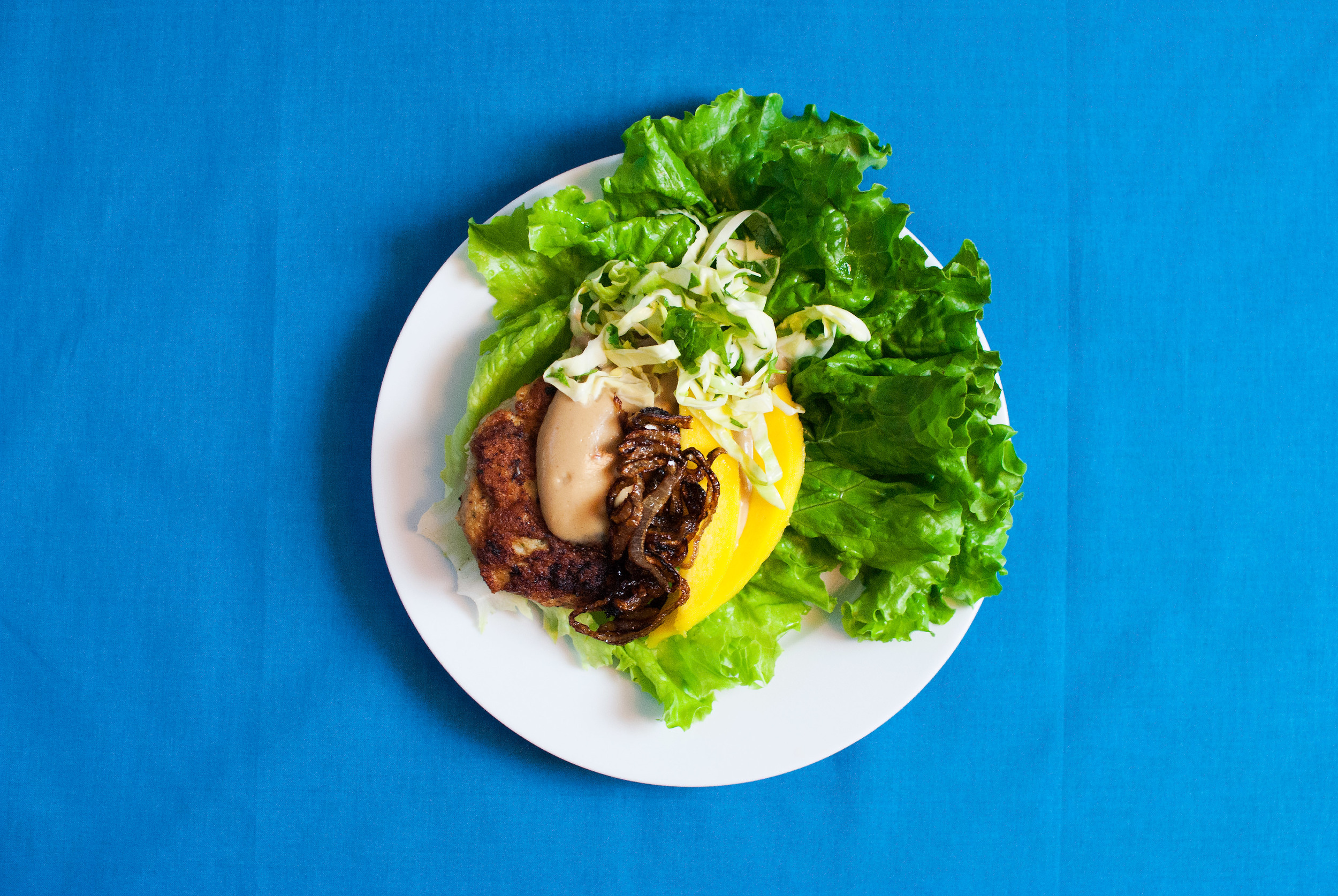
    For those of you who don’t know what larb is, it is ground chicken salad blended with Thai aromatics and chili, dressed in lime and fish sauce, then traditionally served on big leaves of lettuce. What we’ve done is form the ground chicken with aromatics into patties, then seared (or grilled) them up. We serve them on huge lettuce leaves, then smother those bitches in homemade peanut sauce. The burger is then topped with a fresh slaw dressed in lime, a juicy slice of mango, and crispy fried shallots. Wrap up burger. Put in face.

    You’re welcome.


    larb_burgers_03

    larb_burgers_03

    Larb Burgers

    • 1 lb. boneless, skinless chicken thighs
    • 1 shallot, thickly sliced
    • 3 cloves garlic, peeled
    • 6–8 kaffir lime leaves
    • 1 stalk lemongrass, roughly chopped
    • 1 tbs. fish sauce
    • 2-inch piece of ginger or galangal, peeled, roughly chopped
    • ripe mango, peeled sliced
    • 2 small shallots, thinly sliced
    • green leaf lettuce

    Peanut Sauce

    • ½ 15-oz can coconut milk.
    • ½ cup creamy peanut butter
    • 2 tsp. fish sauce
    • ½ tsp. chili paste (or Sriracha)
    • 2 tsp. palm sugar simple syrup
    • ⅓ cup water

    Slaw

    • 1 cup cabbage, shredded
    • ¼ cup cilantro, chopped
    • ¼ cup mint, chopped
    • Juice of 1 lime
    • ½ tsp. fish sauce

    In a food processor, pulse shallot, garlic, kaffir lime leaves, lemongrass, fish sauce, and ginger or galangal until minced, scraping sides as needed. Add chicken and process until chicken is ground up and the aromatics are evenly distributed. Set aside to rest.

    In a small skillet, heat coconut milk, peanut butter, fish sauce, chili paste, and palm sugar simple syrup over low heat. Stir constantly until warmed through and it starts to thicken and eventually congeal. Remove from heat. Gently stir in water until a smooth paste. Set aside.

    Heat a large skillet to medium high heat and coat with oil. Form 6 patties from the chicken mixture and cook until done (160°F), about 5–7 minutes a side. Remove burgers from heat and set aside to rest. In the same pan, add a little more oil and toss in the sliced shallots. Fry until golden and crispy. Set aside on a plate to cool and crisp up.

    In a small bowl, combine cabbage, cilantro, mint, lime juice, and fish sauce. Set aside.

    Serve burgers immediately topped with peanut sauce, mango, slaw, and shallots.


    larb_burgers_01

    larb_burgers_01

    Yields 6 burgers.

  • Morita Salsa


    There are many different kinds of salsas out there, but more often than not, for one person who is educated in “salsa literacy” there is just The One. When someone finds The One, they usually end up putting it on everything. For some people this might be Tabasco. For others, Sriracha, Tapatio, Cholula. You get the picture. We have The One for us, too. But we don’t go out and buy ours. We make it at home. And this recipe tells you how to do it.
    Finding out which salsa will be yours takes time. You need to experiment. It’s kinda like dating. You gotta spread yourself around a little bit and maybe go outside of your comfort zone from time to time. Finding your salsa will require you to be in touch with yourself and really understand what you like to eat. Do you like bold flavors, or subtle complex ones? Do you prefer a fresh flavor profile, or a smoky one? Tart or sweet? Do you like your spicy food to tickle or tackle you? Your salsa should represent what you wish every food had, so that when you use it, it does!

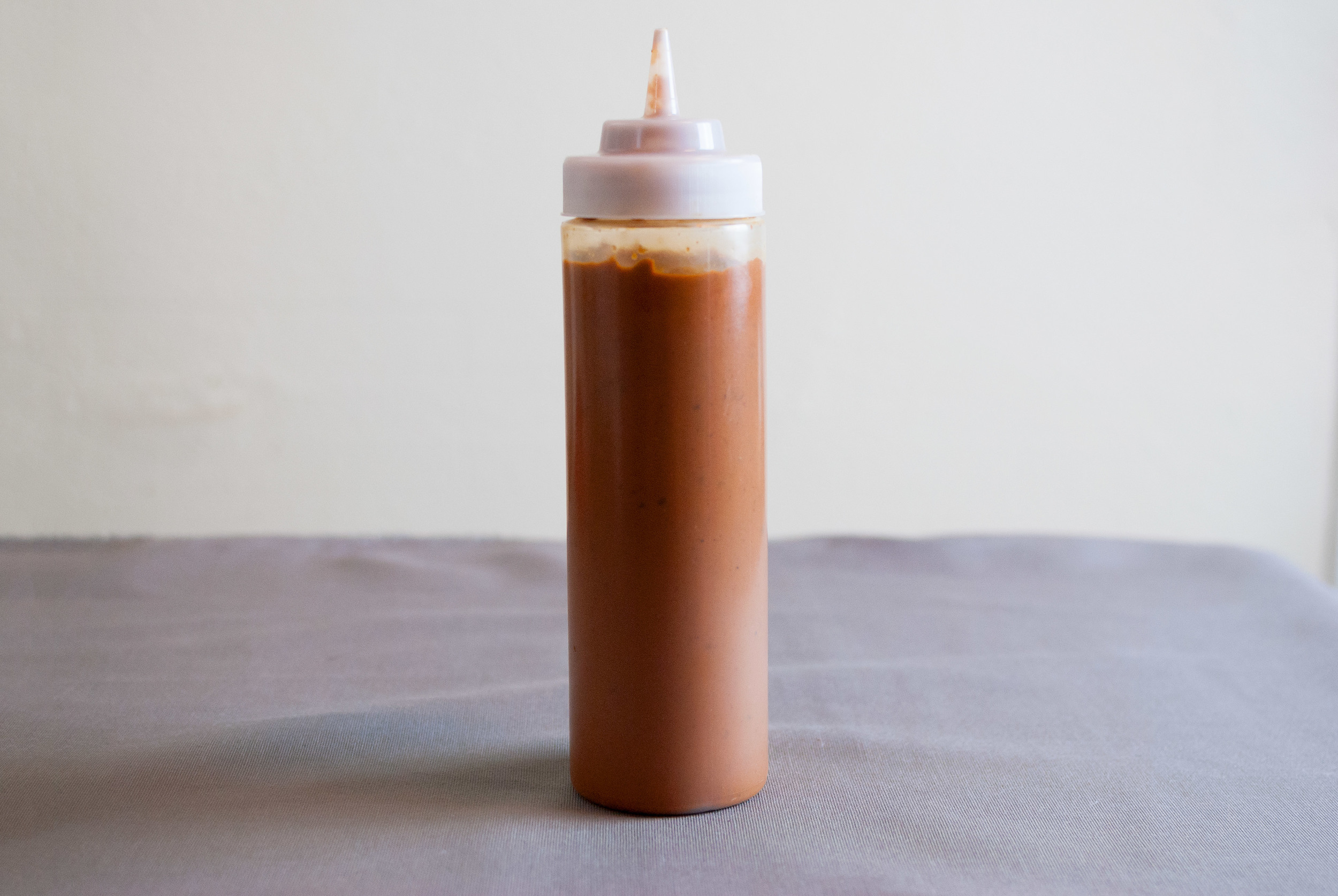
    Our salsa is made with a special little chile called a morita. Moritas are smoked jalapeños, just like chipotles are, but they aren’t smoked for as long. They still have some of that dark, smoky, sexy-ness that chipotles have, but they have also retained some sweetness from their fresher form. We like that they are balanced. We blend a lot them with charred tomatoes, onions, garlic, and spices to make a light and smoky, slightly sweet and savory sauce. You best believe it’s in our fridge at all times.

    • 5 ripe roma tomatoes, halved, divided
    • ½ large onion, halved
    • 4 large cloves of garlic, peeled
    • 6 morita chiles, de-stemmed
    • 1 tbs. ground cumin
    • ¼ cup white vinegar
    • ⅓ cup vegetable oil
    • salt to taste

    Note: Moritas aren’t exactly easy to find. You won’t find them at any standard corporate grocery store. You need to go to a Mexican market for these babies. For this recipe, use ones on the bigger side as opposed to the little uns.

    Rehydrate the moritas by placing them in a microwave safe dish with enough water to cover. Microwave for 90 seconds then set aside.


    Morita_Salsa_02

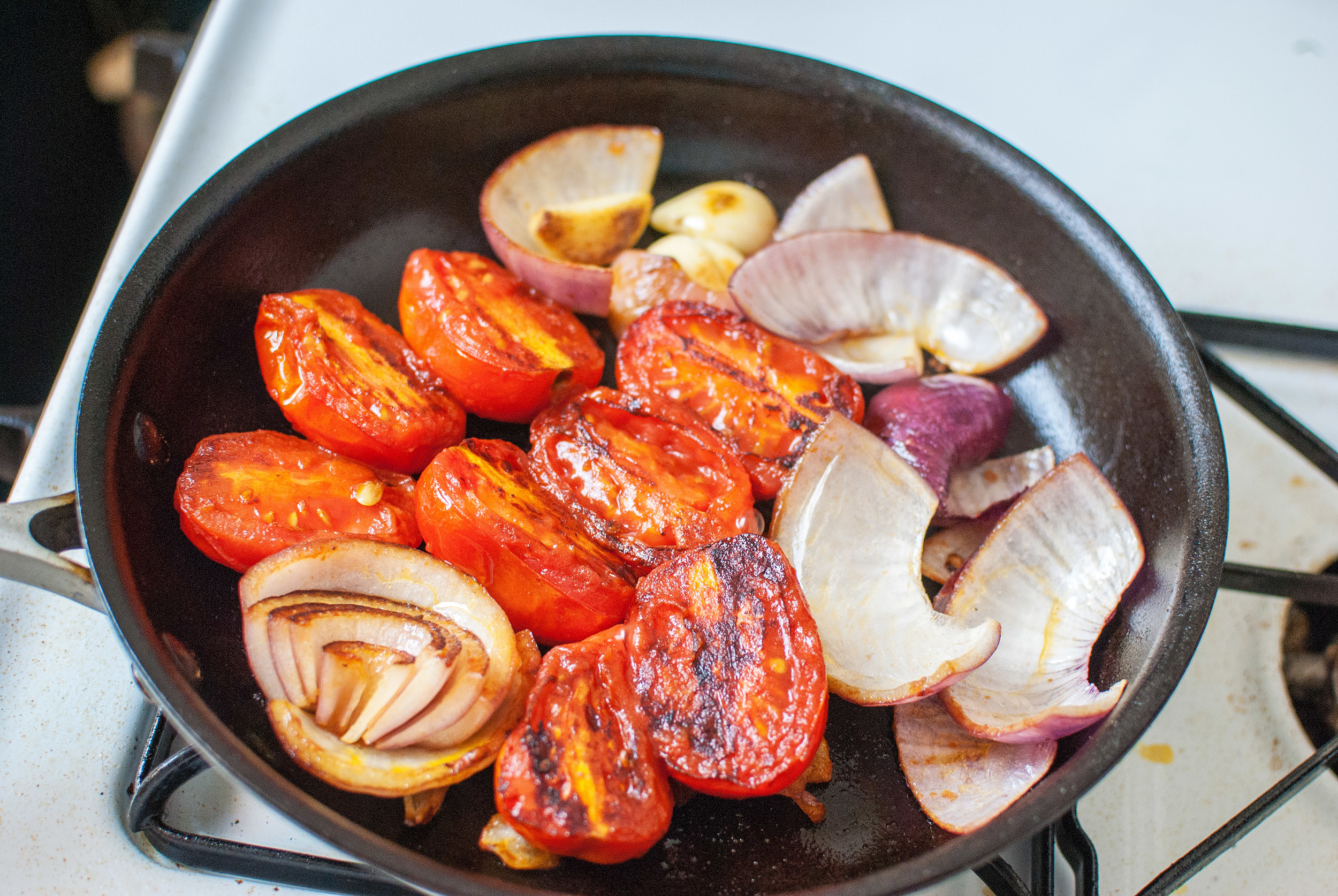
    Coat a non-stick pan with vegetable oil and bring to medium high heat. When the oil shimmers, add four halved tomatoes flat face down, onion, and garlic to the pan. Sear until slightly charred. When the tomatoes are golden, flip them over to char the skin slightly. Stir onions and garlic occasionally. When the tomato skins wrinkle, transfer everything to a food processor. Remove the moritas from the water and add them to the food processor. Add the cumin and vinegar. Blend until completely smooth. Put the mixture back in your pan and cook on medium low heat to reduce the liquid, about 20–30 minutes, stirring frequently.

    When your mixture is paste-like, place it back in the food processor and blend in the last tomato you set aside. Keep the food processor running and drizzle the oil through the top to emulsify. Add salt to taste. If the salsa is still too thick, add some water. The desired consistency should resemble heavy whipping cream. Use immediately. Refrigerate any unused salsa for around a month, perhaps longer (trust your nose).

    Yields one pint, plus a little extra.


    Morita_Salsa_03

  • Carnitas Amargas


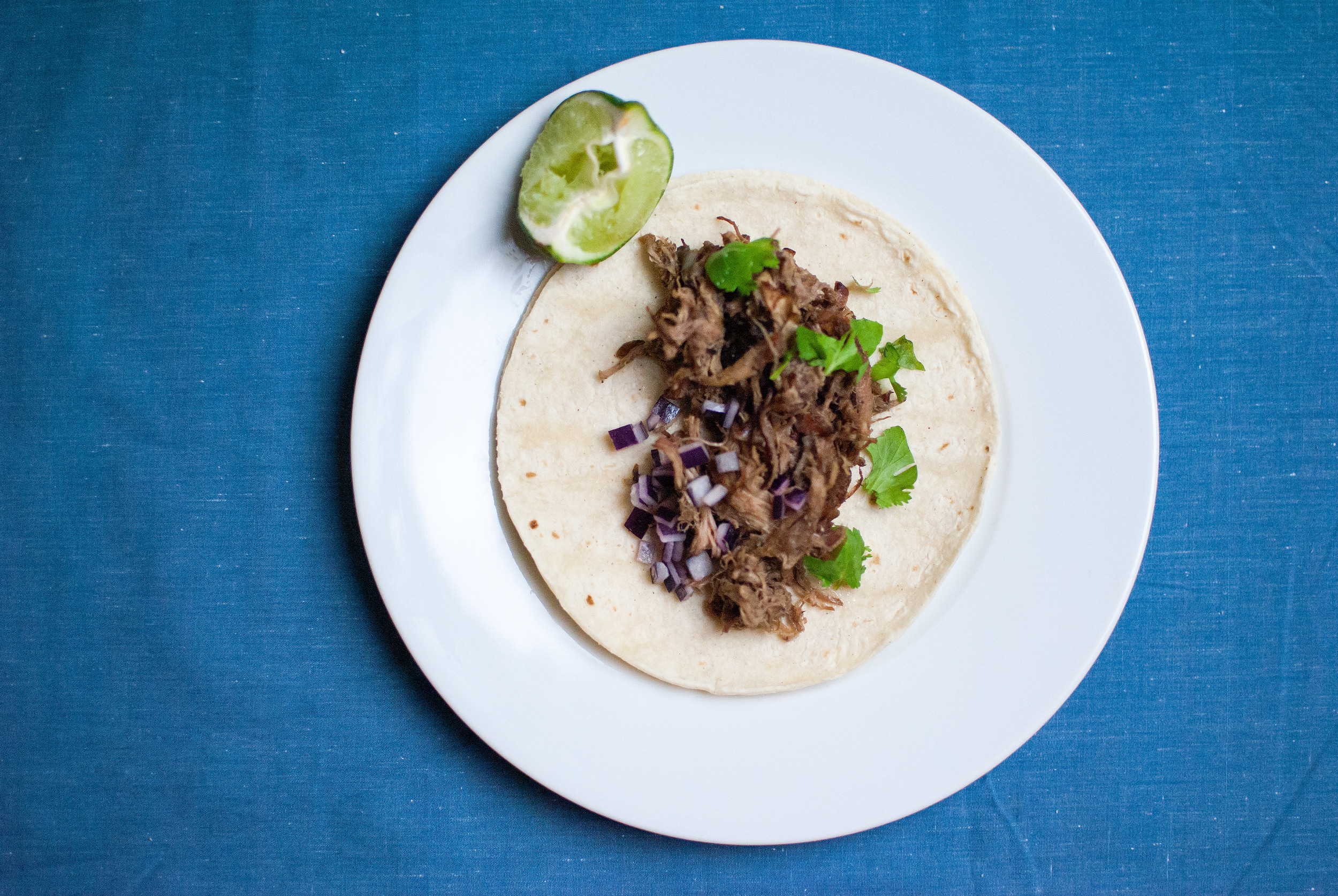
    The name of this dish translates to “bitter little meats.” Carnitas are a pretty standard protein in Mexican food, and why wouldn’t they be? It’s pork slow cooked in spices until it falls apart then is fried in its own fat. Sounds pretty great, right?
    We’ve made carnitas too many times to count. They’re easy, they keep well, and they also lend themselves to an incredible amount of quick and satisfying dinners. There are so many recipes for this, and it’s pretty hard to go wrong with carnitas, but we wanted to make something that stood out among the rest. So Nate had the great idea of making it taste more complex by enhancing a flavor profile that is often underrated but present in them already: bitterness.

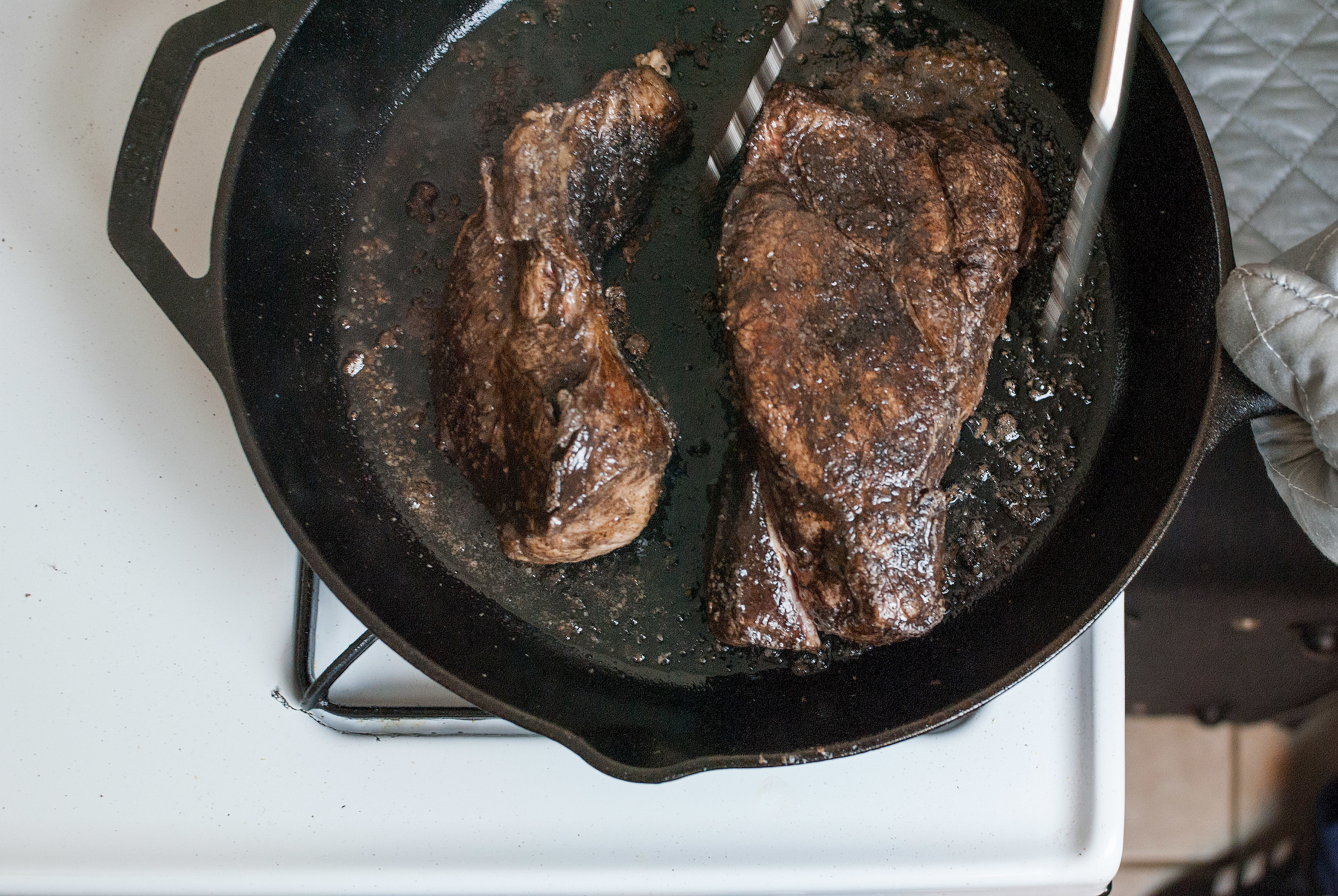
    Initially, I was dubious. Classifying anything bitter right off the bat is often a turnoff for many. However, after he made me a first batch, I was hooked, and we’ve made them the same way ever since. Cuts of pork shoulder are coated in salt and cocoa powder then seared in a pan, then cooked in their own juices with onions, garlic, some spices, and whole lime. The result is a tasting experience in two definitive stages: fatty and salty followed by a hint of bitterness, almost even floral.

    Carnitas Amargas

    • 2 lbs pork shoulder
    • 1 tsp. cocoa powder
    • 1 tsp. salt
    • 5 cloves of garlic, peeled, whole
    • ½ yellow onion, thinly sliced
    • 1 lime, halved
    • 1 tbs. Mexican oregano
    • 1 bay leaf

    Preheat oven to 350.

    In a small bowl, mix the cocoa powder and salt together, then rub mixture over the pork. In a hot pan on medium high heat, sear all sides of the pork.

    When the pork is done searing, place it in a dutch over or clay pot (something with a cover) along with the garlic, onion, lime, Mexican oregano, and bay leaf. Cover and bake for about 2.5 hours, or until the pork is tender and falling apart. Remove from the oven and discard the lime and bay leaf. Tear the pork apart with a fork until it becomes stringy, then transfer everything in the clay pot into a hot pan (ideally the pan you used at first) and cook off all the liquid while crisping up the meat a little bit. Taste test for salt, then the carnitas are ready for use.

  • Spaghetti and Meatballs


    spaghetti_and_meatballs_04.jpg

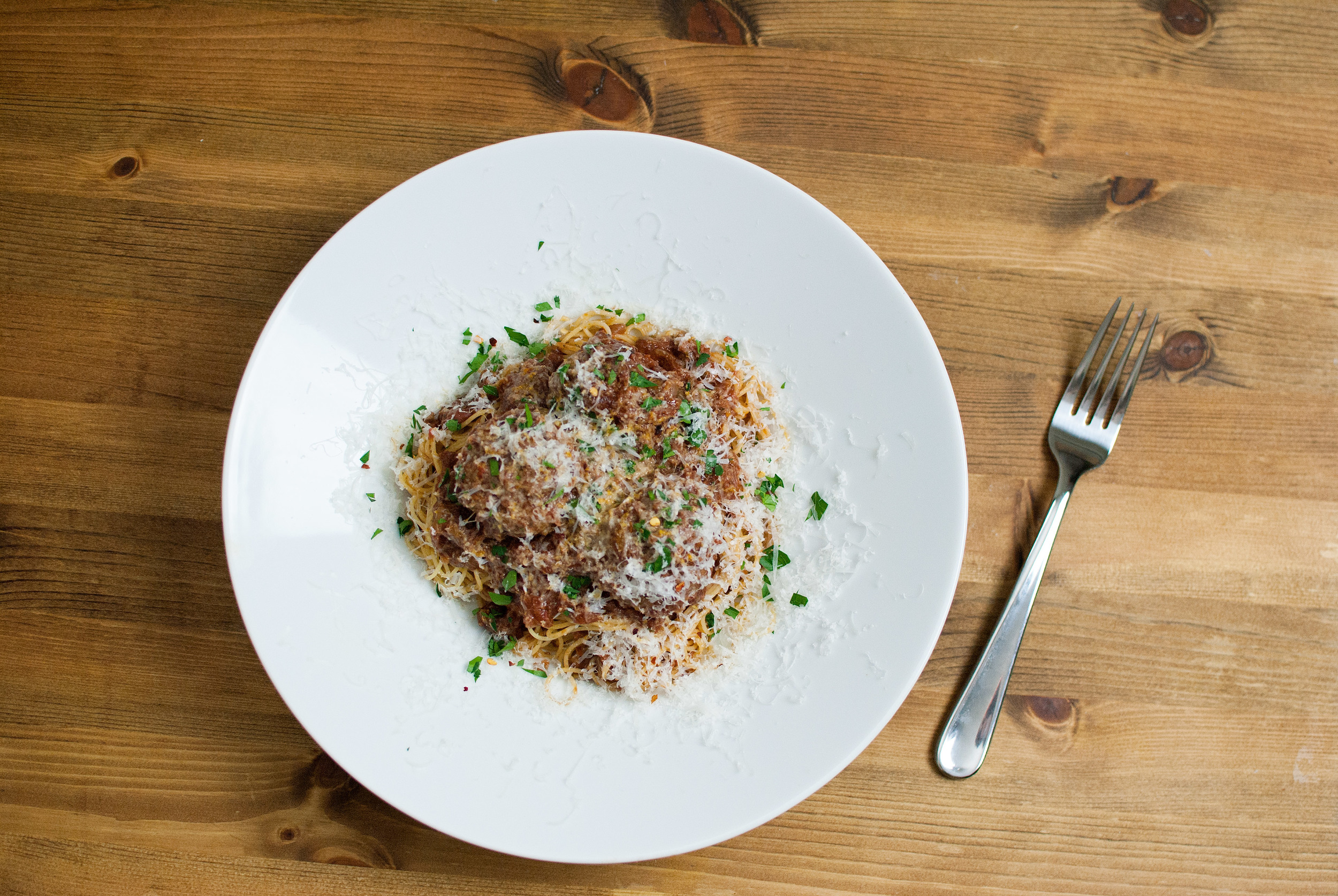
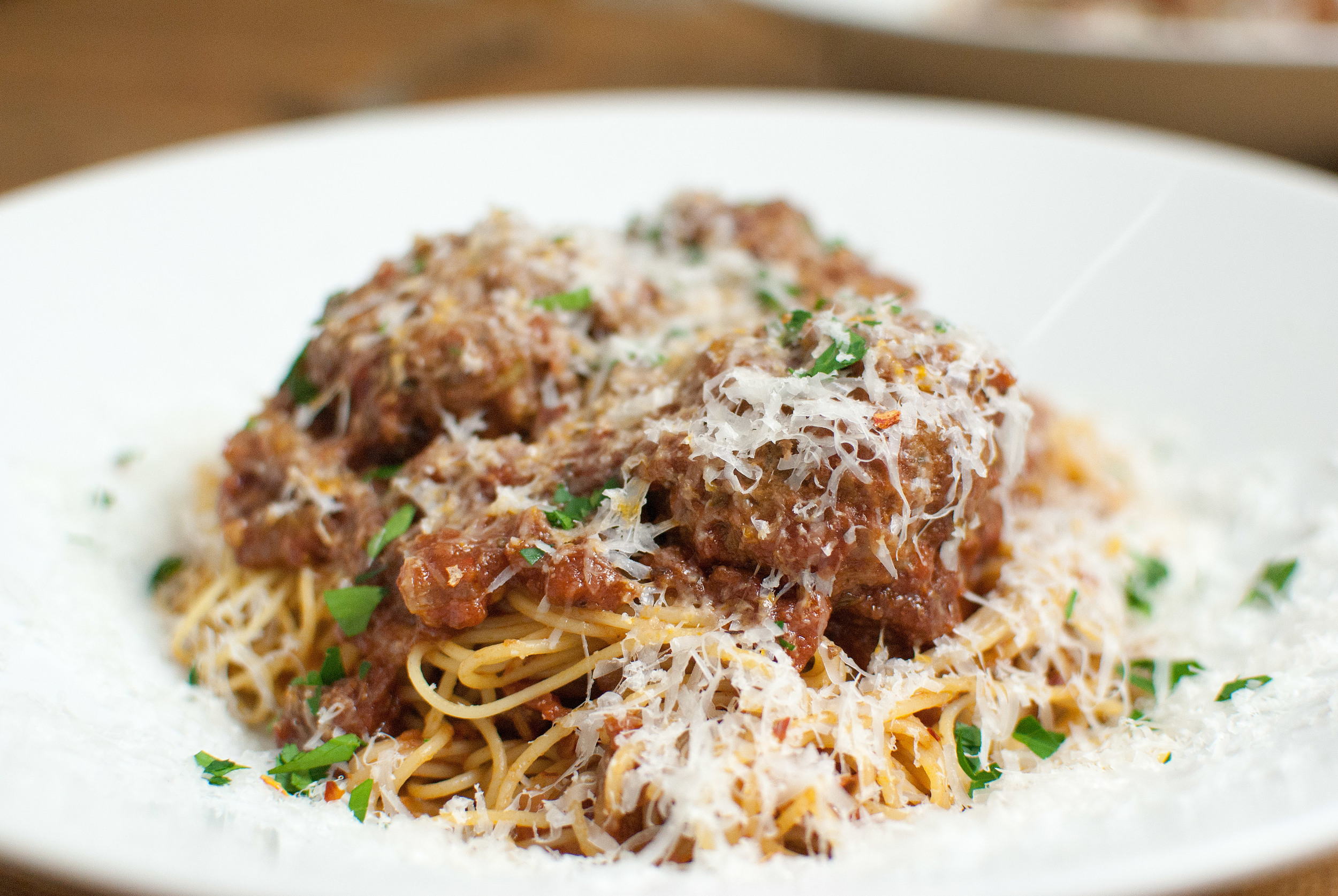
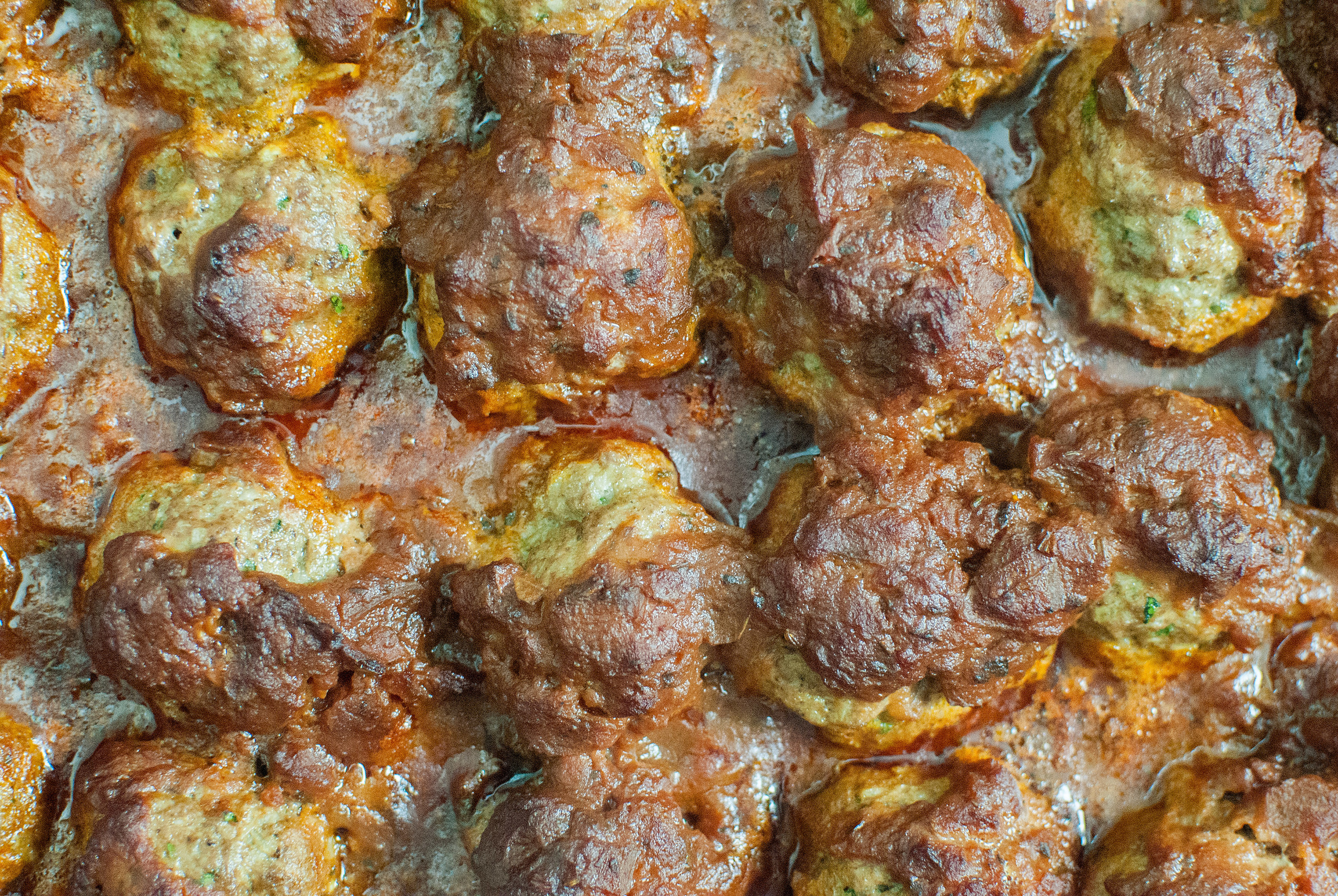
    We’ve been on a pasta kick, and what good is a that if you don’t have spaghetti and meatballs in there somewhere? If you play your cards right and have the marinara prepared ahead of time, you can make this rich and relatively quick spaghetti and meatballs easily…perhaps a bit too easily.
    Instead of using homemade noodles for this, we opted for packaged angel hair spaghetti, which we think gives the dish more diverse textures. Any pasta will do. At the end of the day, though, it’s all about the sauce and the balls.


    spaghetti_and_meatballs_01

    spaghetti_and_meatballs_01

    One trick we use is to soak the breadcrumbs in red wine. Since we use Pinot noir in our marinara, it’s a perfect match. This recipe will make a lot of meatballs, so hope is that you’ll have enough for leftovers.

    Spaghetti and Meatballs

    • ¼ cup homemade breadcrumbs
    • ¼ cup Pinot noir red wine
    • ½ lb. ground pork
    • ½ lb. ground beef (not lean)
    • ½ oz. (about ¼ cup) Italian parsley, packed
    • ½ onion, diced
    • 3 cloves garlic
    • 1 egg
    • ½ tsp. fresh ground black pepper
    • 1 tsp. salt
    • 1 quart marinara (we recommend Nate’s Pinot Noir Marinara)
    • 6 oz. dried angel hair pasta
    • parmesan, Italian parsley, red pepper flakes to finish

    Preheat oven to 350°F.

    Soak the breadcrumbs in the wine in a small bowl until the breadcrumbs have absorbed all of the wine, about five minutes. Place meats, onion, parsley, garlic, egg, salt, pepper, and soaked breadcrumbs in the bowl of a large food processor. Pulse until combined. Don’t process too much or you’ll whip the egg, which isn’t what you want here.

    Prepare a 13 x 9 baking dish with about half the marinara spread evenly. Set aside.

    Divide meat into 1.5-inch balls and place into the baking dish, leaving some room around the meatballs so they don’t stick together. Cover the meatballs with the rest of the marinara.

    Bake, uncovered, for 45 minutes, or until a meat thermometer reads 160°F.

    Put a large pot to boil.

    Remove from oven and let cool for 10 minutes. Stir the marinara to incorporate the rendered fat and roasted bits that were on top of the meatballs. While the meat cools, cook pasta al dente. Strain and toss noodles with just enough marinara to coat the noodles. Serve with more marinara and three meatballs. Garnish with parmesan cheese, chopped parsley, and red pepper flakes to taste.

    Yields about 18 meatballs.


    spaghetti_and_meatballs_03

    spaghetti_and_meatballs_03

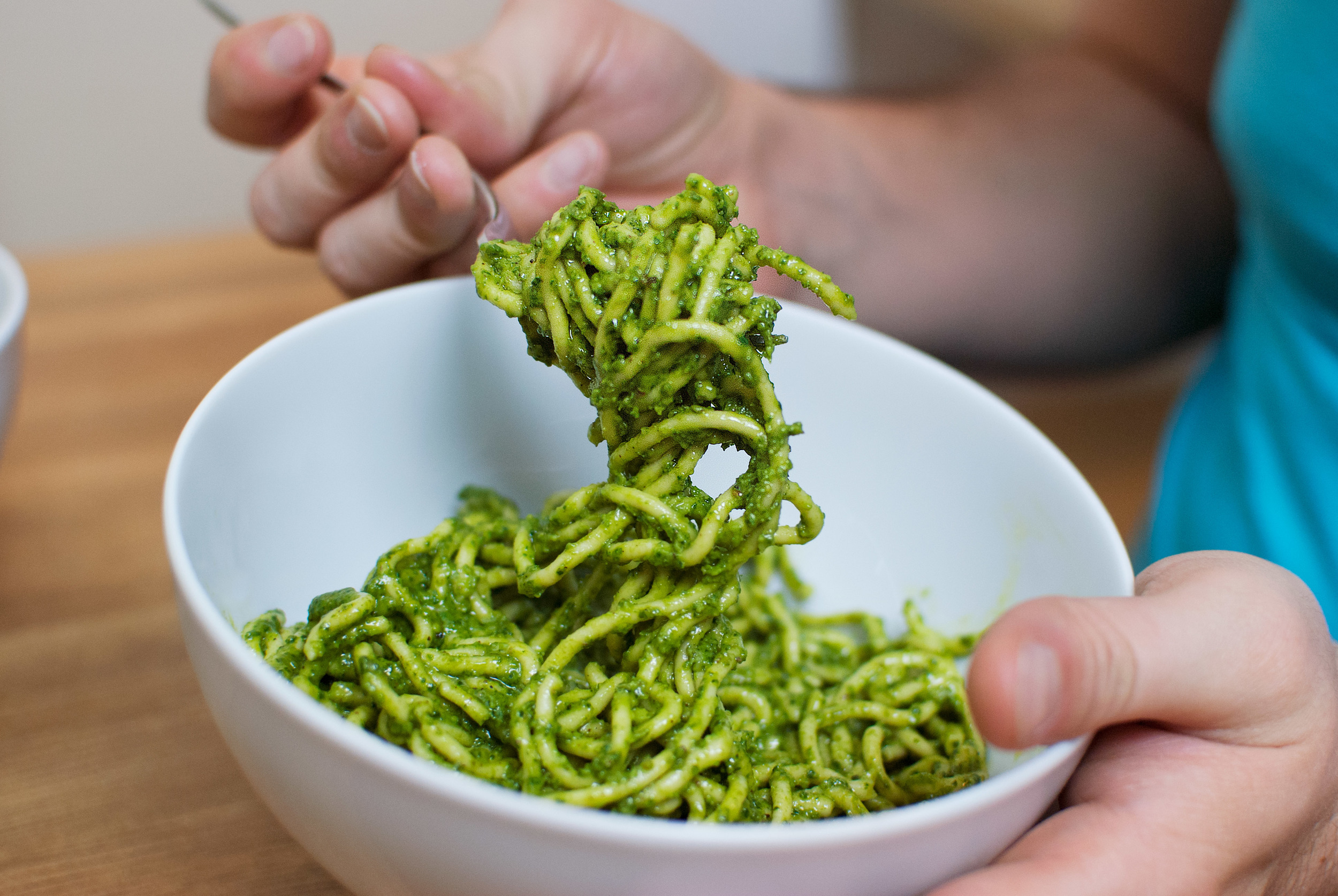
  • Chard and Walnut Pesto


    DSC00361.jpg

    I’m not gonna lie. The conception of this dish resulted from me trying to be totally cheap. Basil is usually overpriced, and lasts for, like, a freakin’ day. I get stressed when I have basil in my fridge. I’m serious. Oh, and heaven knows why pine nuts are 50 bucks a pound. Were they harvested by an endangered genus of sparrow who delicately extract them with their dainty beaks from the cones of old growth pine trees on the summit of some deserted mountaintop? Even Costco can’t give you much of a break on this one.
    But pesto is an amazing, beautiful, luscious thing, and sometimes you’ve just gotta have it. So you bite the bullet and spend the money on the ingredients, and it’s usually worth it. But it doesn’t always need to be such an expensive undertaking. As a way to avoid spending 30 dollars to make something fresh and fast, I looked to other ingredients. After experimenting with a few different greens and nuts, I concocted this. It’s a darker, more savory, and slightly bitter pesto that’s a little heartier than its basil-y sibling. Oh, and it’s way cheaper to make.

    Eat your greens, kids.

    Chard and Walnut Pesto

    • 2 cups green chard leaves, stems removed, torn, and tightly packed
    • ⅓ cup walnuts, roughly chopped and toasted
    • ¾ cup parmesan cheese, grated
    • ¾ cup olive oil
    • ¼ tsp. red pepper flakes
    • salt & pepper to taste


    chard-walnut-pesto-04
    chard-walnut-pesto-04

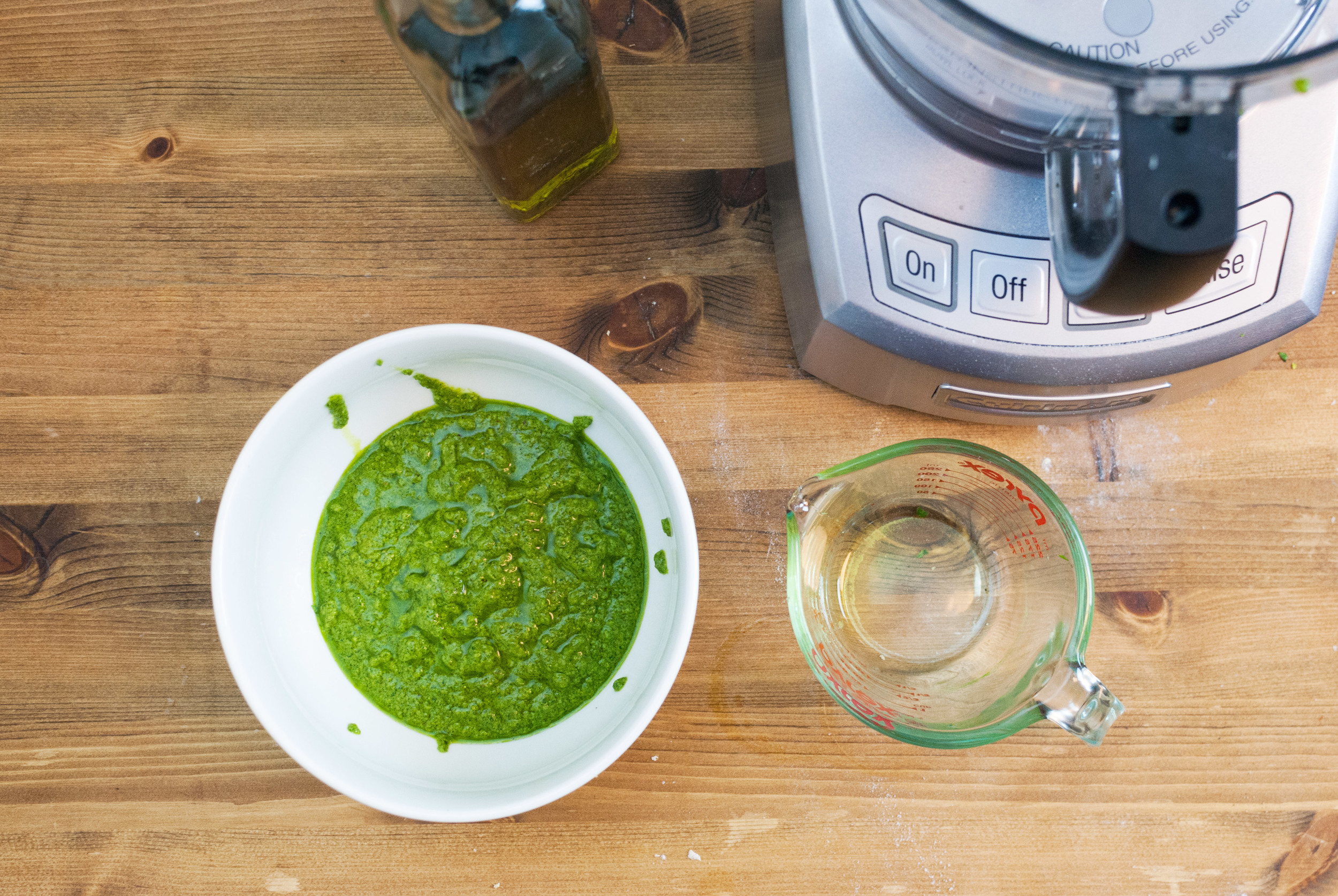
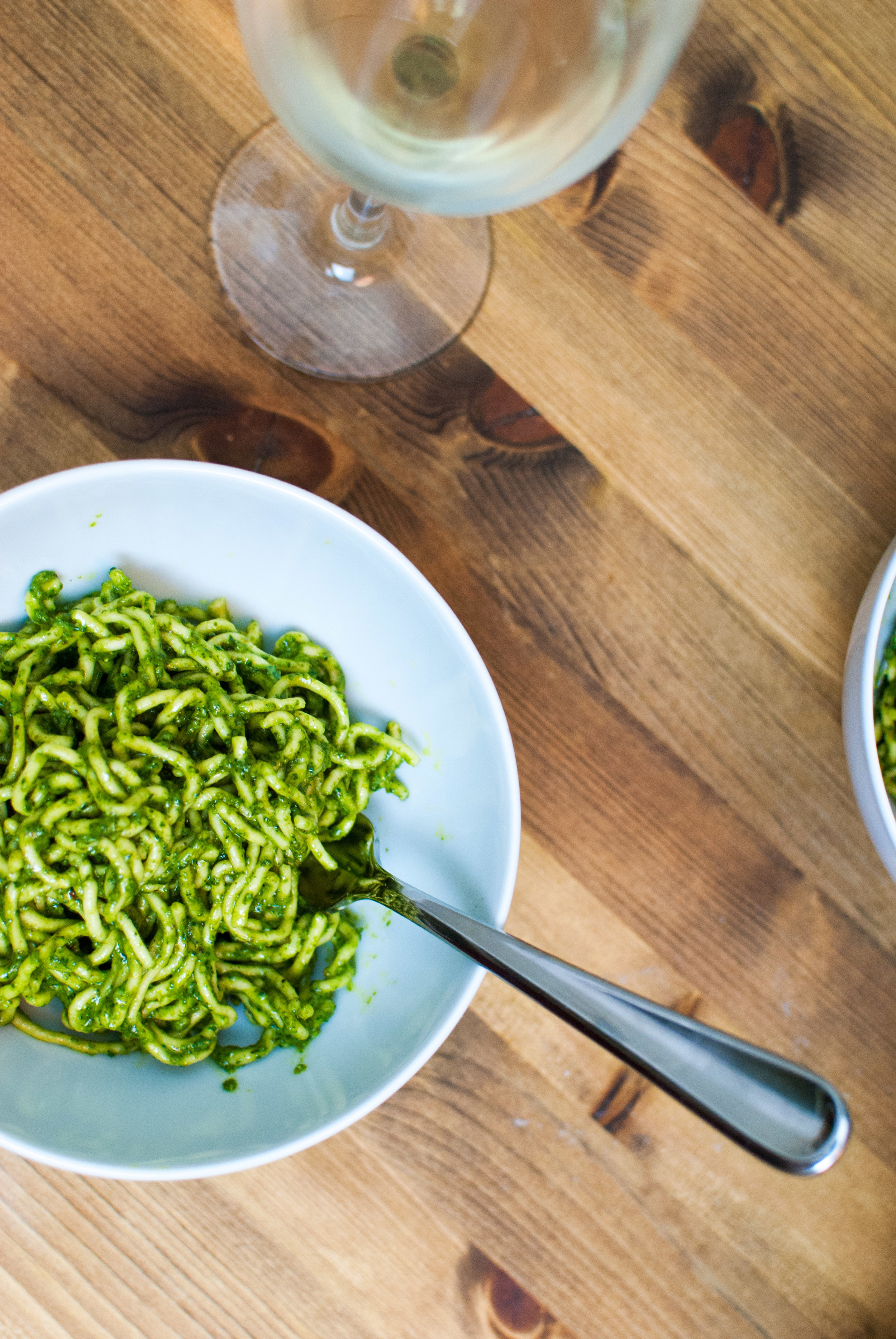
    In a food processor, pulse the walnuts, cheese, and chili flakes together until smooth. Add the chard leaves and blend. Pour the oil in through the top slowly and steady to help emulsify. Blend everything until completely smooth. Taste test for salt and pepper then adjust accordingly. Toss with pasta and serve.

    Yields enough pesto to coat an entire batch of everyday pasta, or 12 ounces of dry pasta.

    Serves 4, or 2 for two meals


    chard-walnut-pesto-01

    chard-walnut-pesto-01

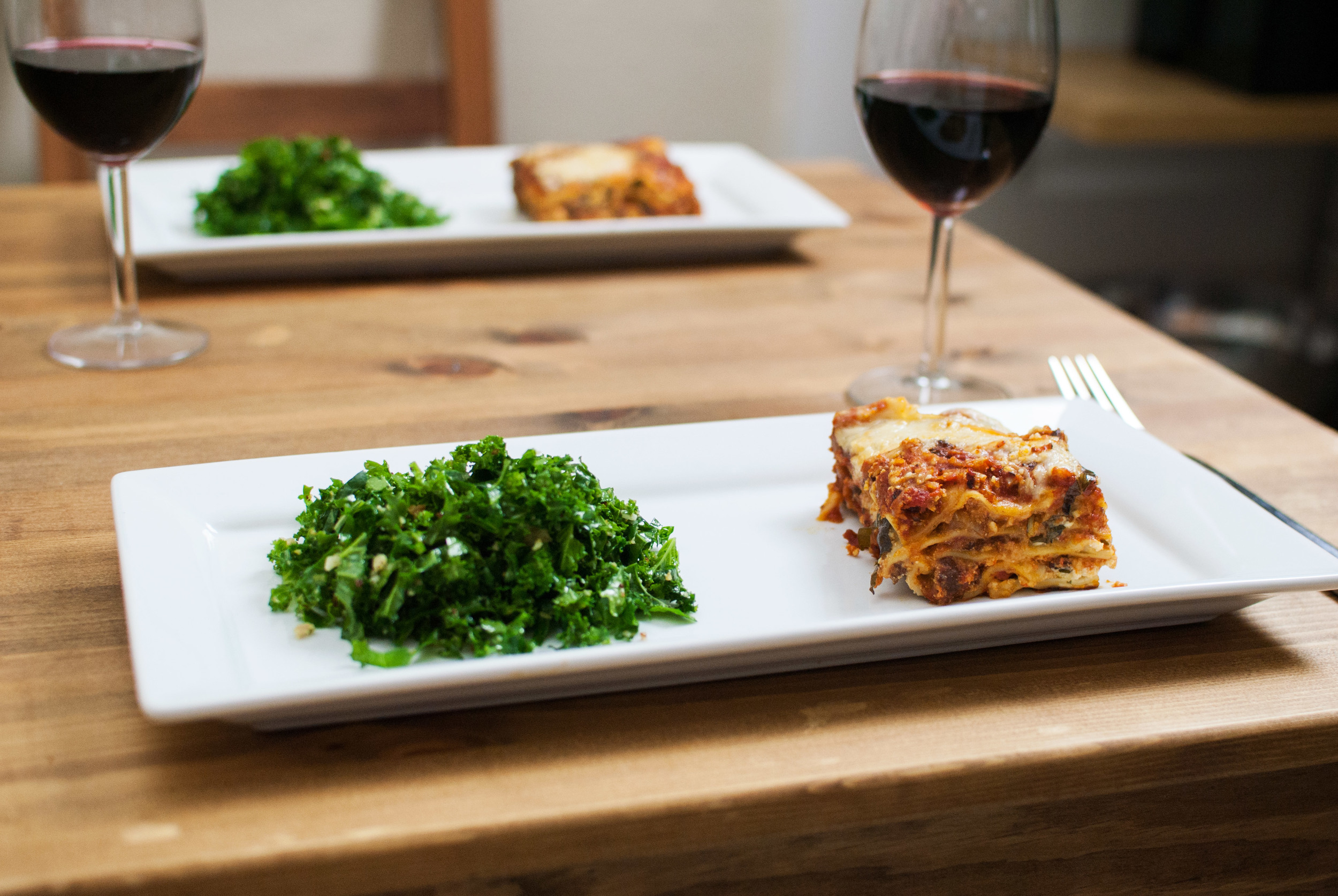
  • Lemon Basil Lasagna


    Lasagna-03.jpg

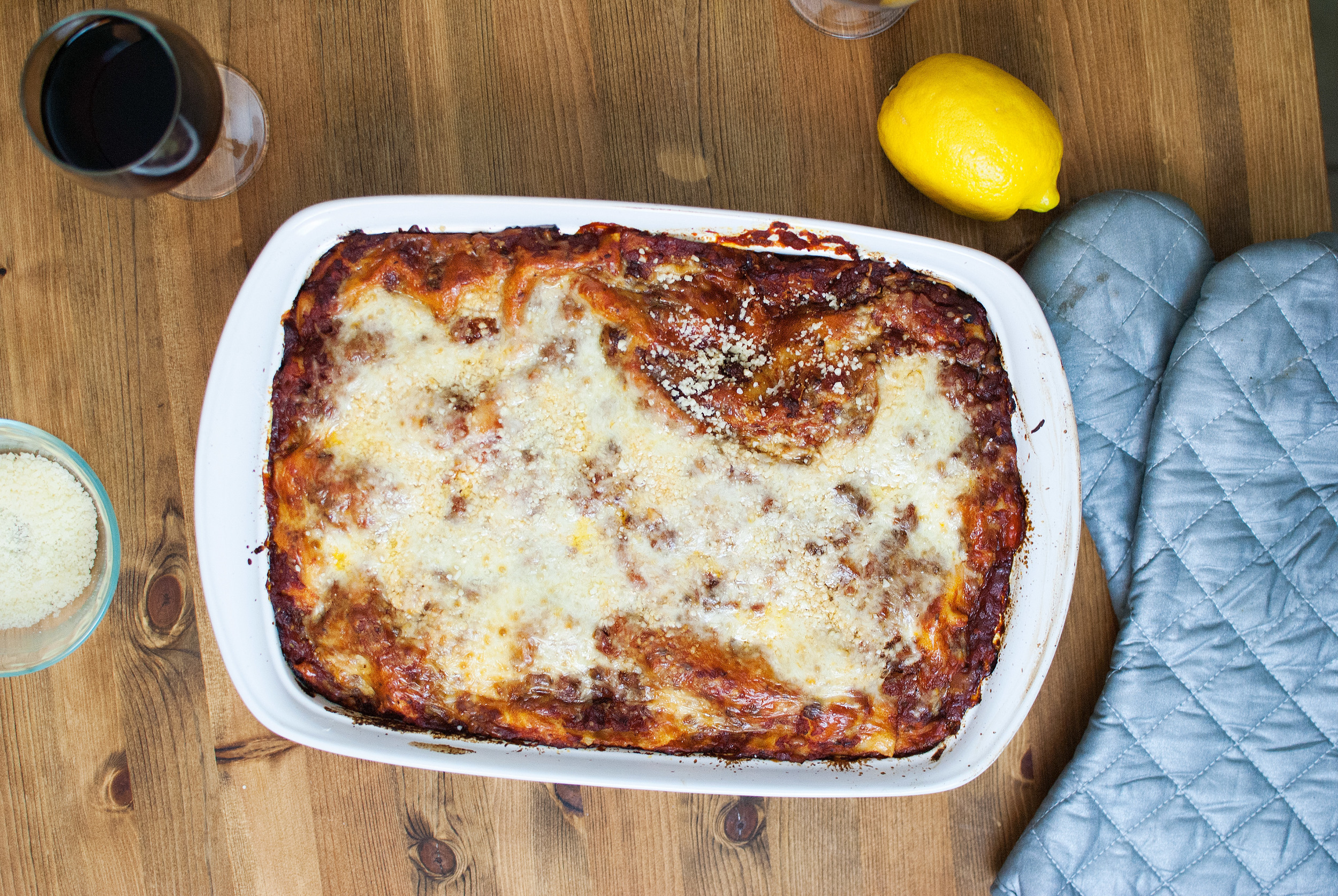
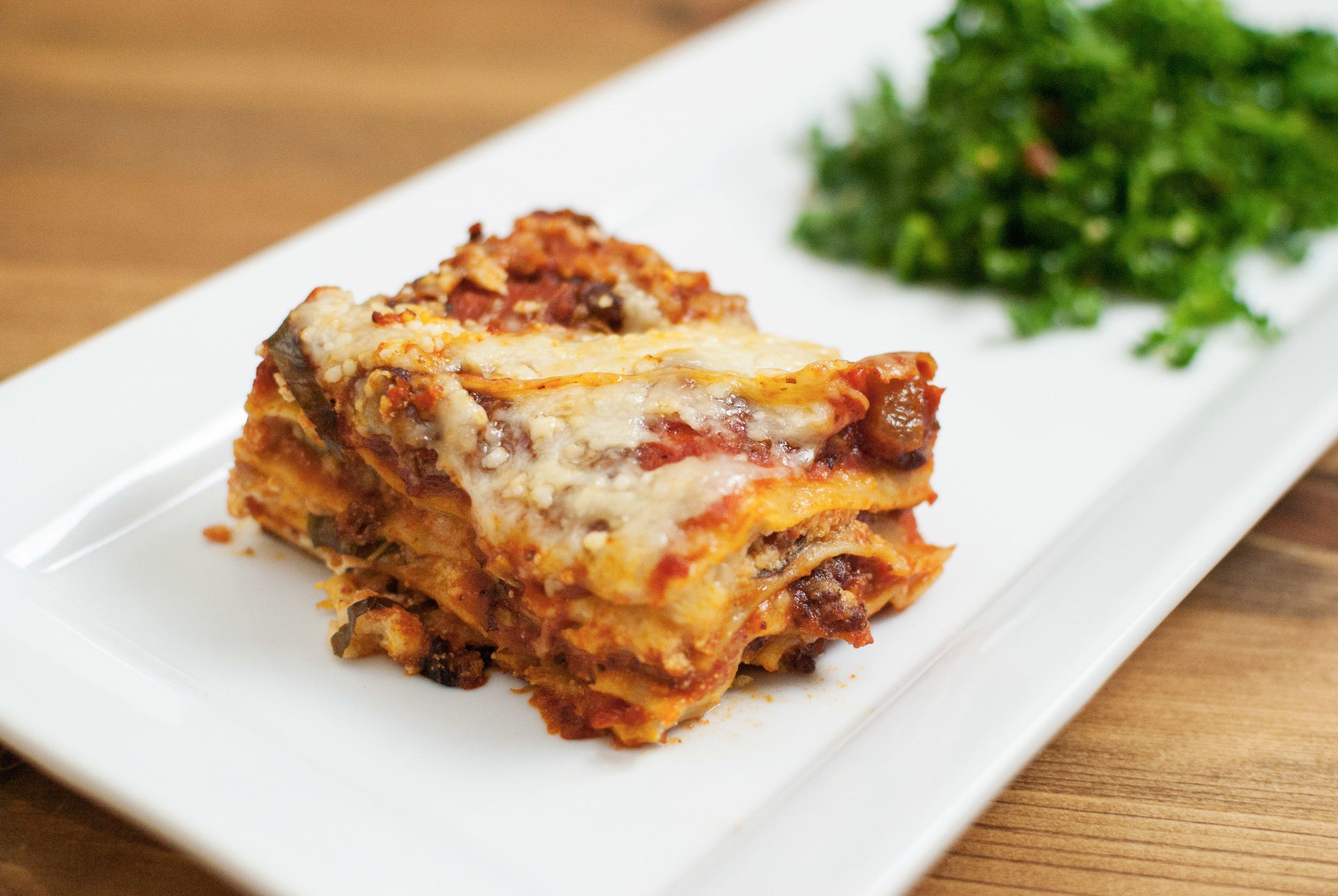
    Sometimes, we like to go all out on a meal. Lasagna is one of those meals. We know we’ve been posting some quick recipes that you can make on a typical weeknight, but this one—this one is for the weekend.
    Lasagna is a production, especially if you’re making (almost) everything from scratch. For this we used Nate’s pinot noir marinara, but instead of using oil to caramelize the onions, we opted for rendered fat from ground pork. What really makes this shine, though, is Jon’s lemon-infused ricotta mixture. It accents the tart umami of the marinara perfectly, giving the lasagna a duality: rich and floral.

    Lemon Basil Lasagna

    • 1 batch everyday pasta, rolled to 5 or 6 thickness or 1 12-oz. package of no-boil lasagna noodles.
    • 2½ c. shredded mozzarella
    • ¼ c. parmesan reggiano or pecorino romano, grated

    Sauce

    Ricotta mixture

    • 1 15-oz. container whole fat ricotta cheese
    • ½ c. grated parmesan reggiano or pecorino romano, grated
    • 1 lemon, juice and zest
    • ½ oz. basil leaves, chiffonade
    • 1 egg
    • salt & fresh ground pepper to taste

    For the sauce, follow the directions here, browning the pork sausage in the same pot for the marinara over medium high heat. Remove the meat from the pan using a strainer, leaving the rendered fat and add diced onions to the hot pan. Add a small amount of oil if needed. Add the rest of the ingredients and reduce sauce for up to 1½ hours, stirring constantly.

    While the sauce is reducing, make the pasta dough.

    Preheat oven to 350°F (180°C).

    Mix the ricotta, parmesan, basil leaves, lemon juice and zest, and egg in a medium bowl.

    Roll out pasta into lasagna noodles and coat with a light dusting of flour to keep from sticking. Take a 13″ by 9″ baking dish and coat the bottom with just enough marinara, about 1 cup. Place a layer of noodles in the pan.

    Dollop in about a third of the ricotta mixture and spread evenly over the noodles. Add about ¾ cup marinara and spread evenly. Sprinkle ¾ cup mozzarella on top and place another layer of noodles on top of the layer. Congrats! This is your first layer!

    Repeat this twice.

    For the top, spread enough marinara to cover the noodles thinly. Sprinkle remaining mozzarella and parmesan over the top. Cover with foil. Bake covered for 40 minutes. Remove foil carefully (use an oven mitt!) and bake for another 15–20 minutes, until cheese is browned and the lasagna is boiling.


    Lasagna-01

    Lasagna-01

    Remove from oven and let rest for 10–15 minutes before serving.

    Serves 8.


    Lasagna-02

    Lasagna-02

  • Nate’s Pinot Noir Marinara


    Marinara_01.jpg

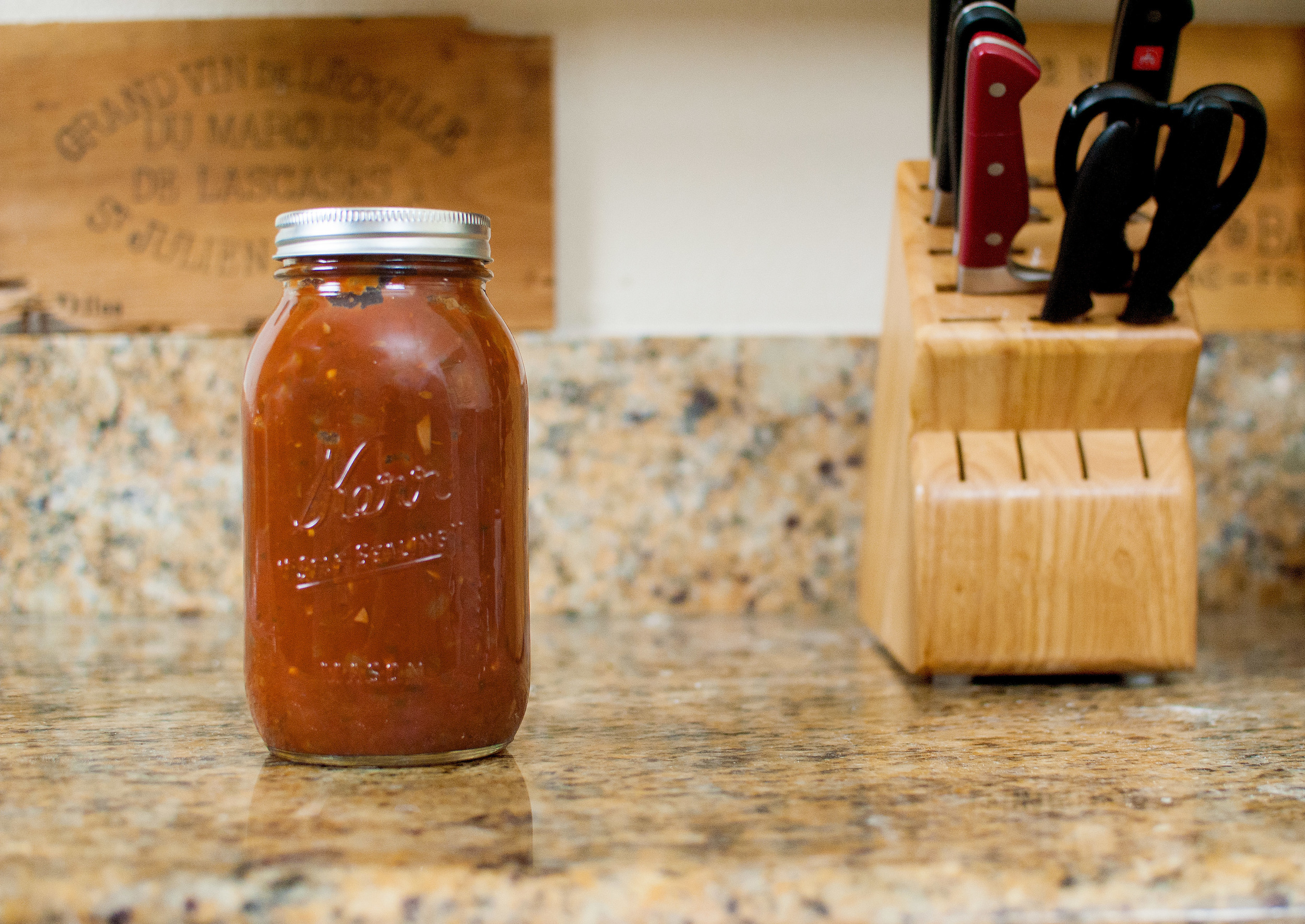
    Marinara is a mother sauce that you can use in all sorts of Italian dishes, from spaghetti to pizza to lasagna to meatball subs, even just for dipping breadsticks.
    Jon and I make marinara differently. His turns out smoky and rich. Mine is more bright and floral with a slight acidic edge. (I think it’s because of the bay leaf and I put waaay less wine in the sauce.) You can’t make marinara wrong, but sometimes the freshness is nice. You can customize the sauce for the dish as you see fit.

    Nate’s Pinot Noir Marinara

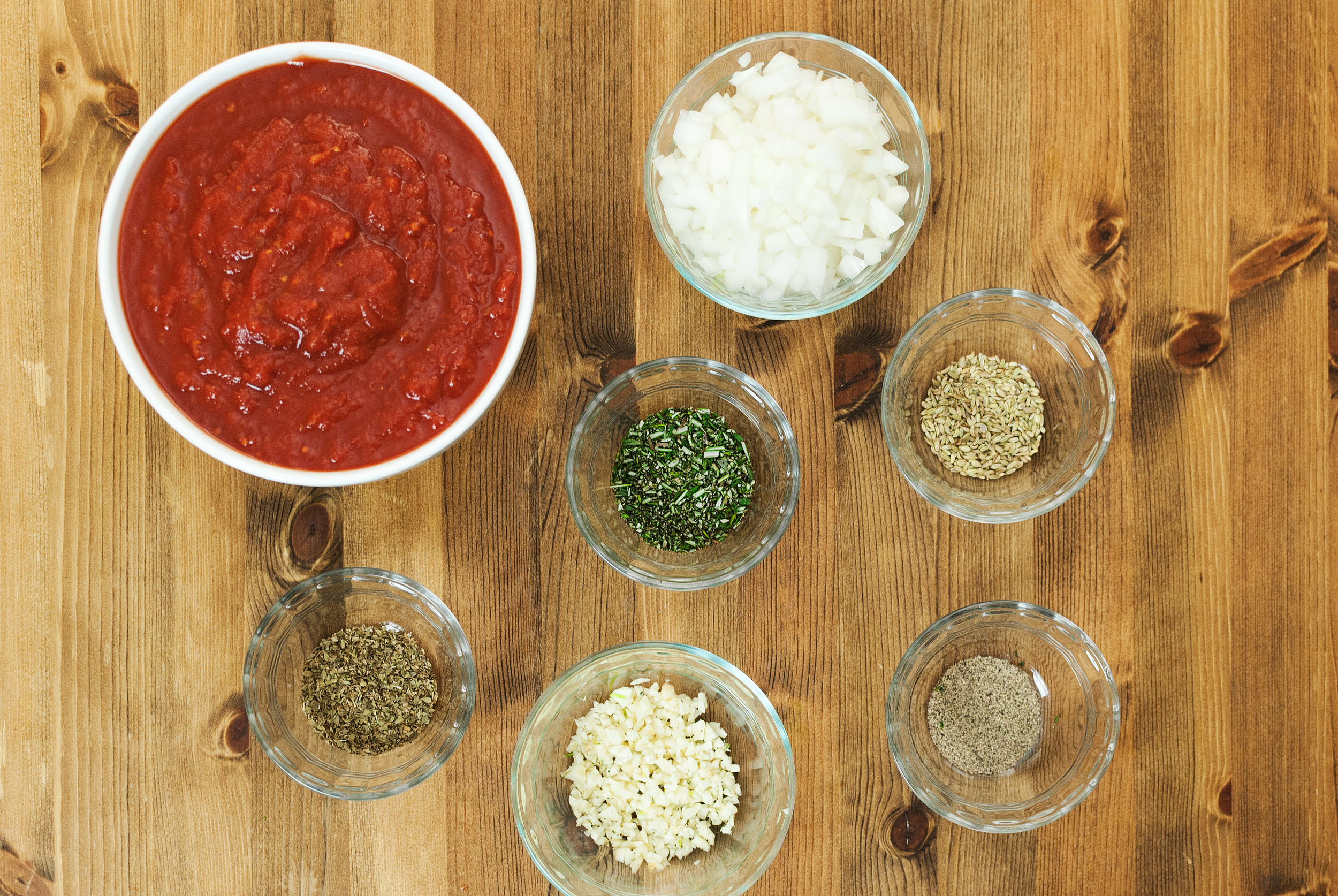
    • 2 28-ounce cans crushed tomatoes
    • 1 medium sweet onion, diced
    • 6 cloves garlic, minced
    • 2 tbs. dried Mediterranean oregano
    • 1 tbs. fennel seed
    • 1 10-inch sprig rosemary, leaves removed, minced (reserve the stick)
    • ¼ tsp. red pepper flakes
    • 1 bay leaf
    • 2 cup pinot noir red wine
    • 2 tbs. olive oil
    • salt & pepper to taste


    Marinara_02

    Marinara_02

    In a large heavy-bottomed stock pot, heat oil over medium heat. Sweat the onions (cook them until translucent), stirring constantly. Add tomatoes and stir. Add everything else, and bring to a simmer. Reduce to low heat and cook uncovered for 1 hour, stirring frequently. The sauce will reduce about halfway.

    You can refrigerate the sauce for up to 3 days or freeze for up to 3 months.

    Yields scant 3 pints.

  • Chicken Marsala with Fettuccine


    DSC0059.jpg

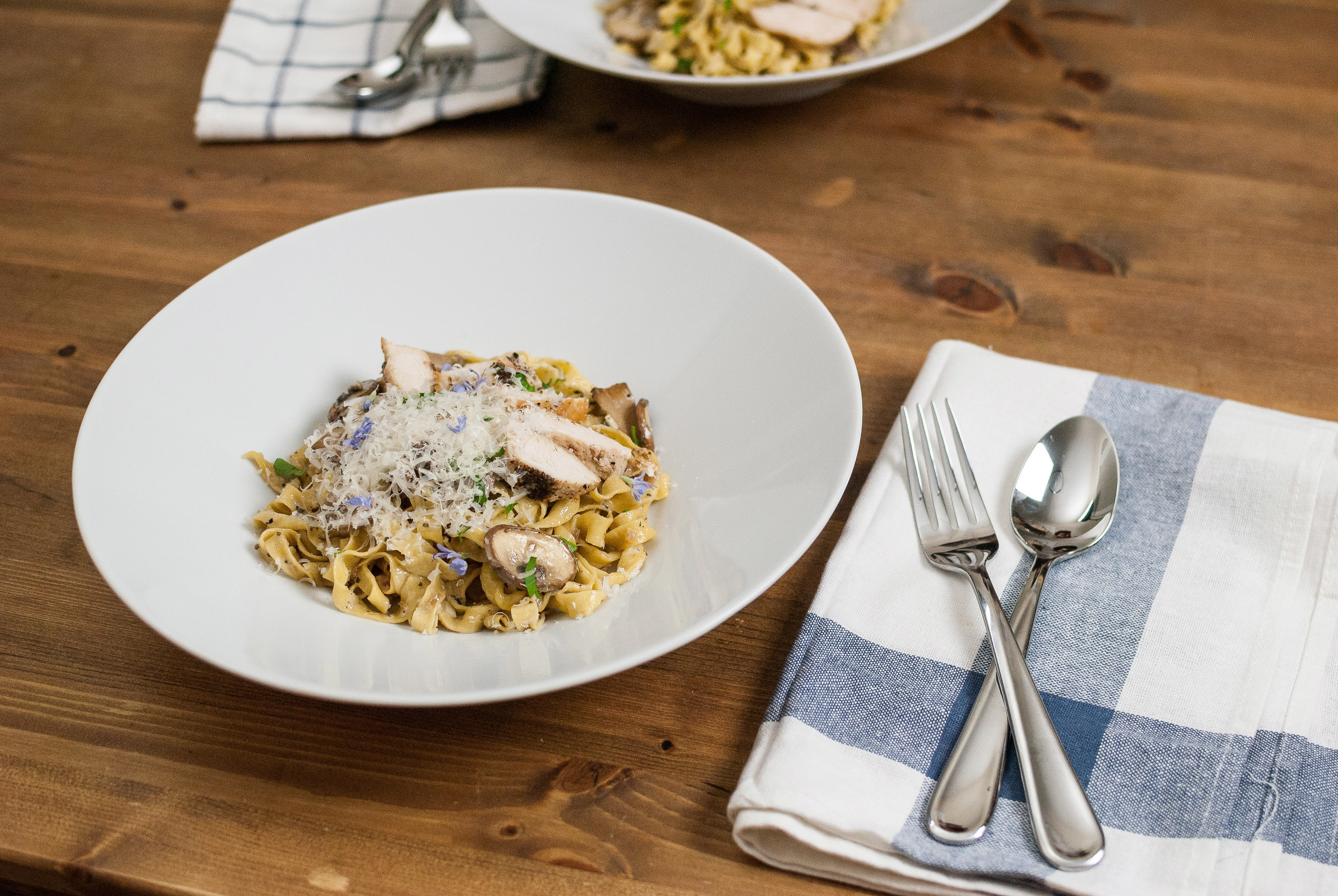
    Relatively quick and easy. Complex, rich, savory, and sweet. It’s hard to keep track of how many times we have made this recipe. It’s our standard cream sauce pasta dish, giving the boot to the run-of-the-mill fettuccine alfredo. You won’t find anything out of the ordinary with this recipe. It’s just really really good. Oh, and we added rosemary to the sauce, because who are we kidding. It’s us.
    We fucking love rosemary.

    Chicken Marsala with Fettuccine

    • 1 batch sexy pasta (½ batch everyday pasta) or 6 oz. dried fettuccine
    • ½ lb. chicken breasts (1–2 breasts)
    • 1 small shallot, minced
    • 1 8-inch sprig rosemary, leaves only, minced
    • ½ pound cremini mushrooms (roughly 6 large), sliced ¼-inch thick
    • 1 clove garlic, minced
    • ½ cup marsala wine
    • ¾ cup whipping cream
    • salt and pepper to taste
    • parmesan cheese, for garnish
    • Italian parsley, for garnish
    • red pepper flakes, for garnish
    • rosemary flowers, seasonal, for garnish


    Chicken-Marsala-2

    Chicken-Marsala-2

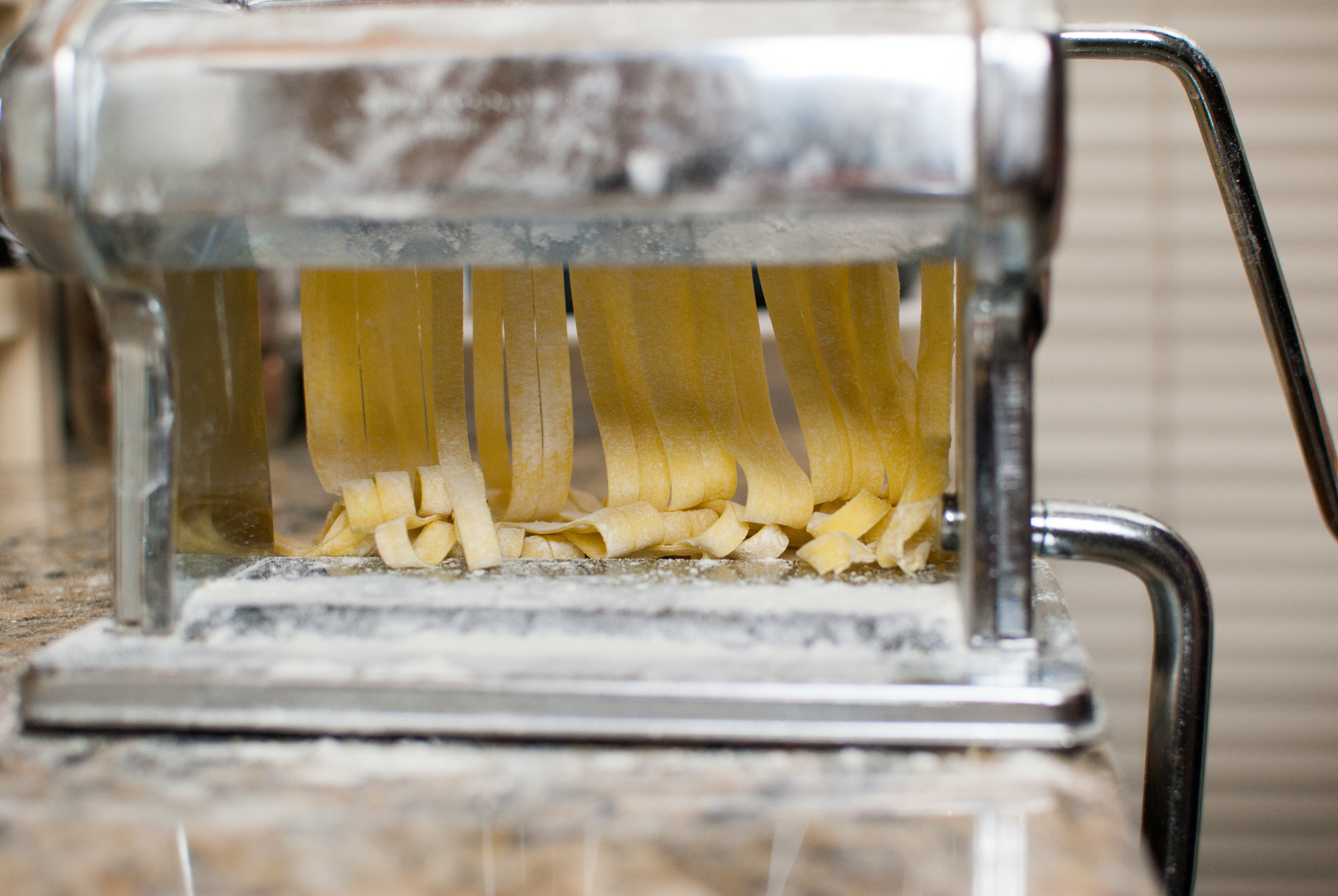
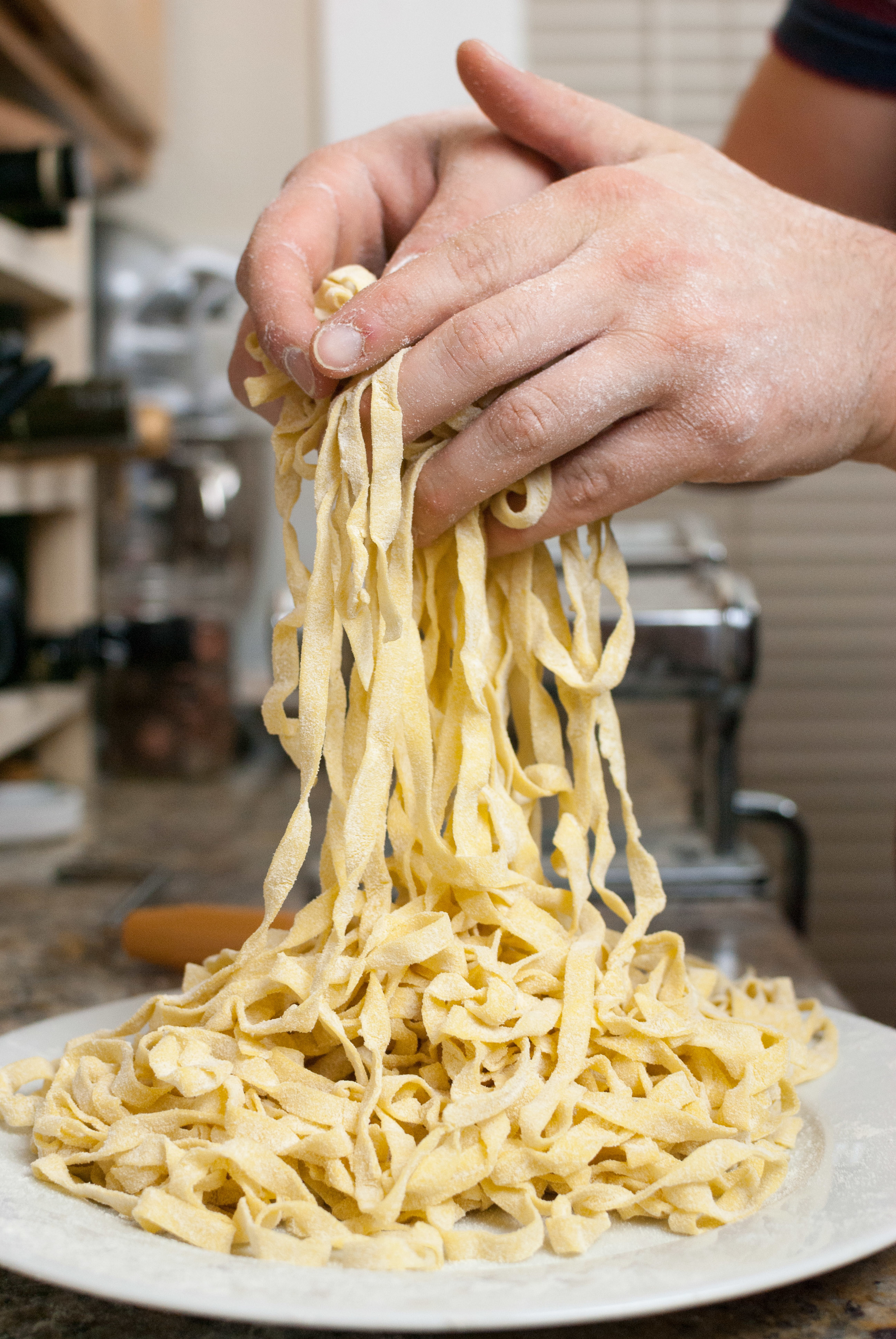
    Roll out pasta using a pasta machine to thickness setting of 5. Cut in half as the dough gets too long to handle. Run through the fettuccine attachment and toss the noodles with flour to keep it from congealing. If you don’t have a pasta machine, follow the noodle making instructions from this recipe. Set aside, but toss frequently until ready to boil to ensure the noodles don’t stick together.


    Chicken-Marsala-3

    Chicken-Marsala-3

    Carefully slice chicken breasts in half, and season the surface with salt and pepper. Coat a 12” skillet with oil and bring to medium-high heat. Pan sear chicken until it has a deep golden crust and is cooked through (160°F/71°C). Set aside.

    Bring a pot of water to boiling.

    In the same skillet as you used to cook the chicken, add a little more oil. Cook the mushrooms until softened and golden brown. (This part requires some patience. Allow mushrooms to cook without stirring until you are ready to flip them.) When mushrooms are cooked, add shallots and cook briefly until translucent. Add marsala wine to deglaze and lower the heat to medium low. Add rosemary and reduce wine until it has mostly evaporated.

    While wine is reducing, cook noodles 1½–2 minutes, or until the begin to float and the water starts foaming. Drain and set aside. Do not do this ahead of time or you will end up with an unappetizing glob of cooked noodles that not even Lumpy Space Princess would enjoy.

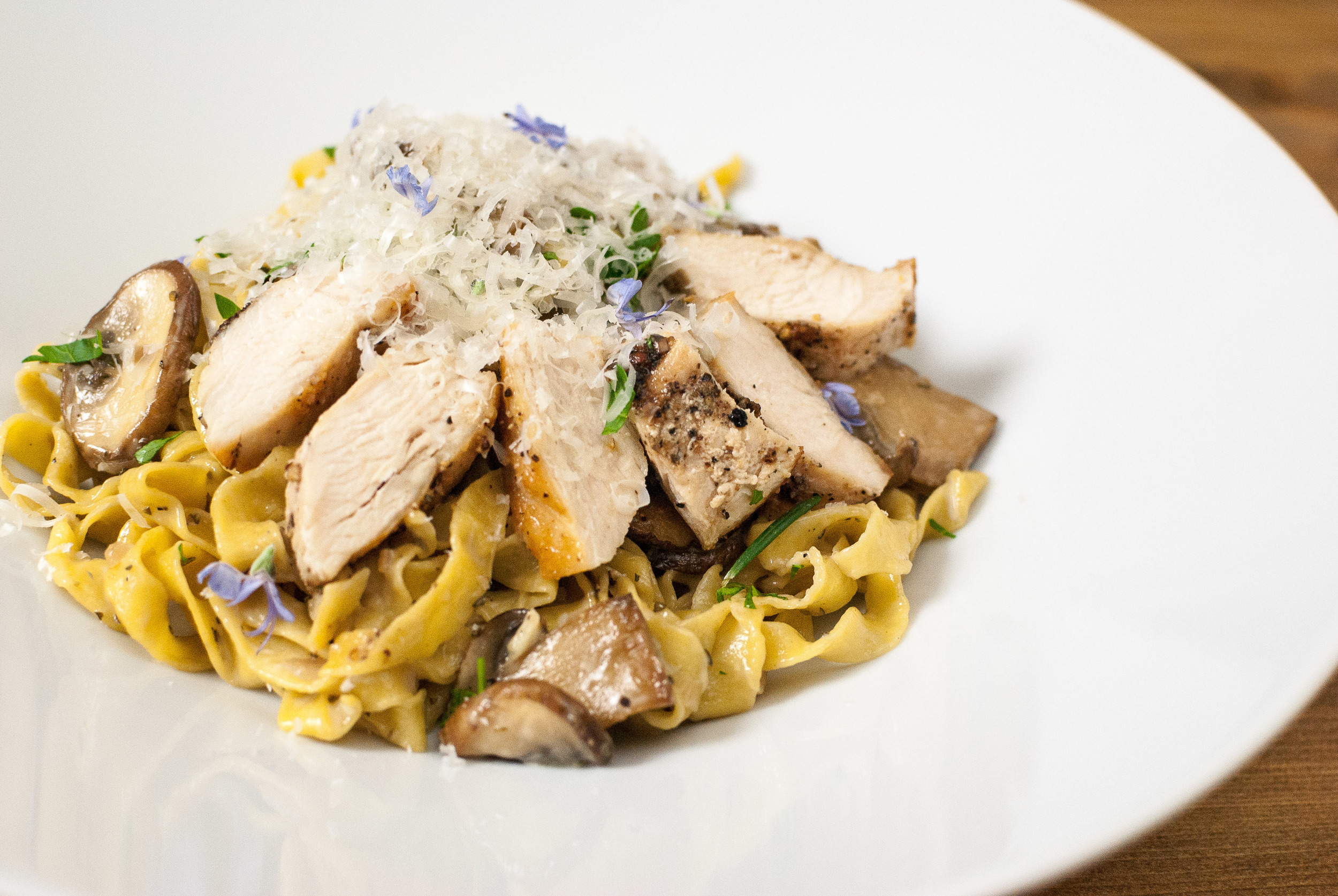
    Add cream and garlic and cook, stirring, for 1–2 minutes, until the sauce starts to thicken. Add cooked noodles and toss with the sauce. The gluten from the noodles will thicken the sauce. Serve immediately with chicken and garnish with parmesan, parsley, red pepper flakes, and rosemary flowers (if in season).


    Chicken-Marsala-4

    Chicken-Marsala-4

    Serves 2.

  • Pasta alla Carbonara

    >
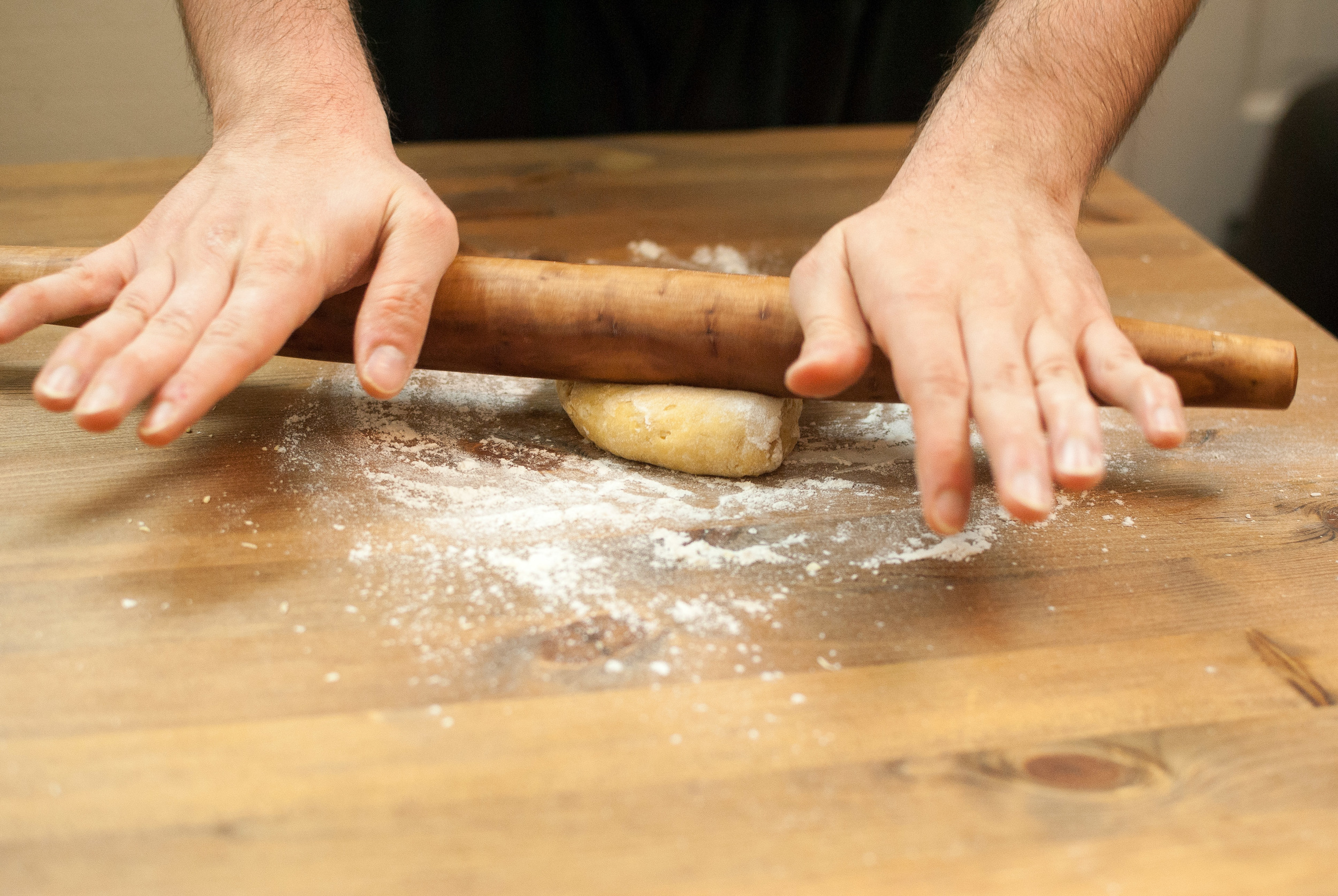
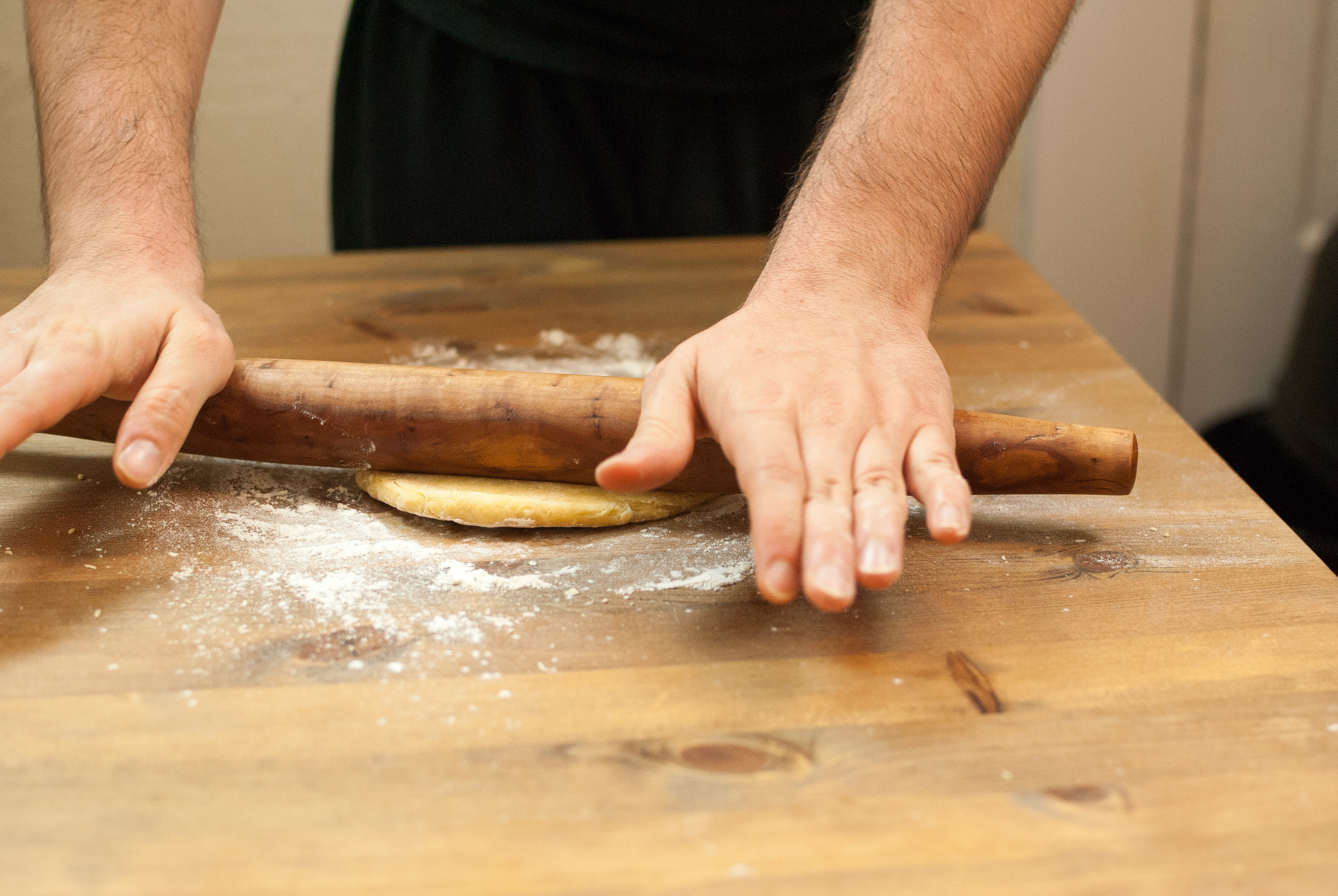
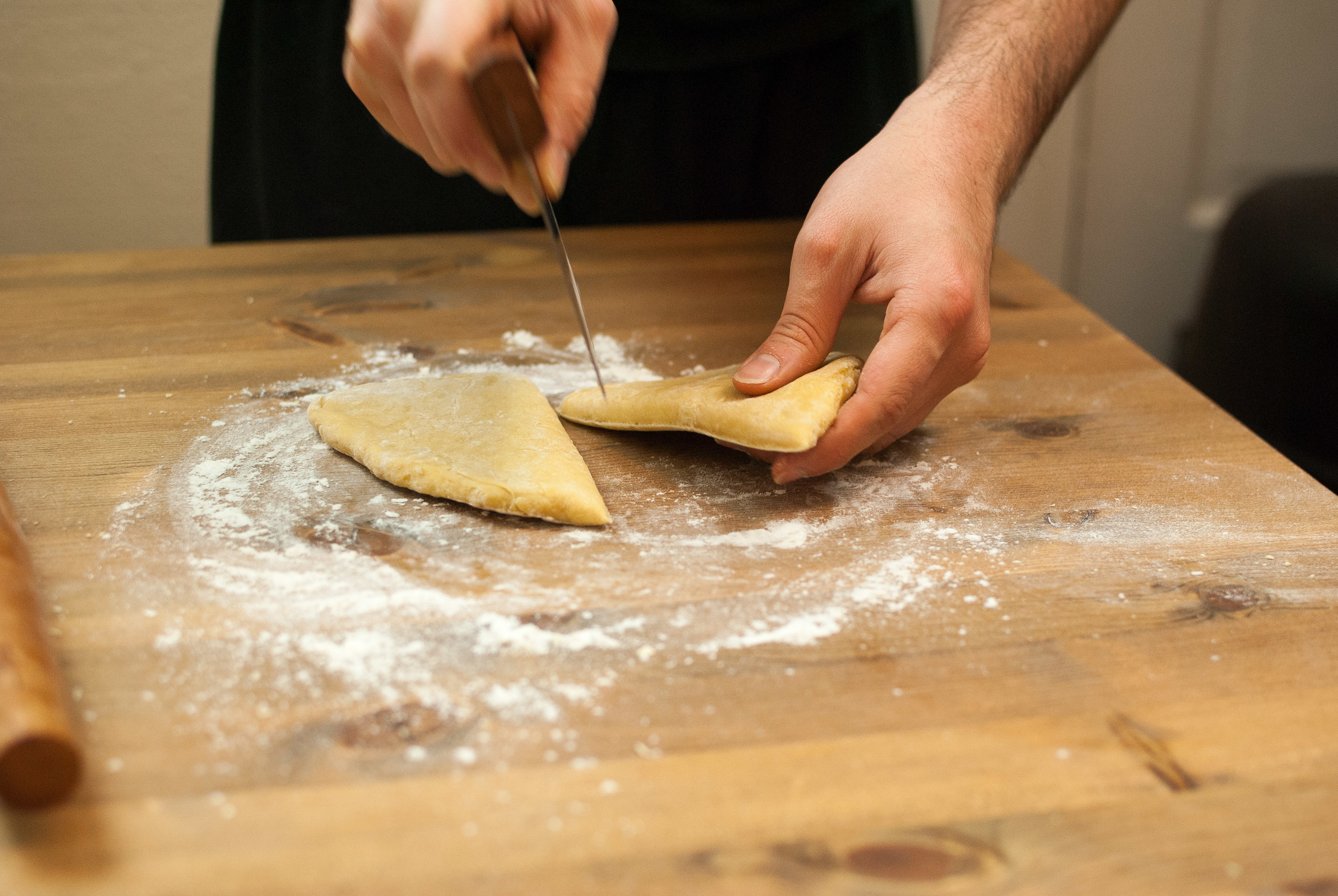
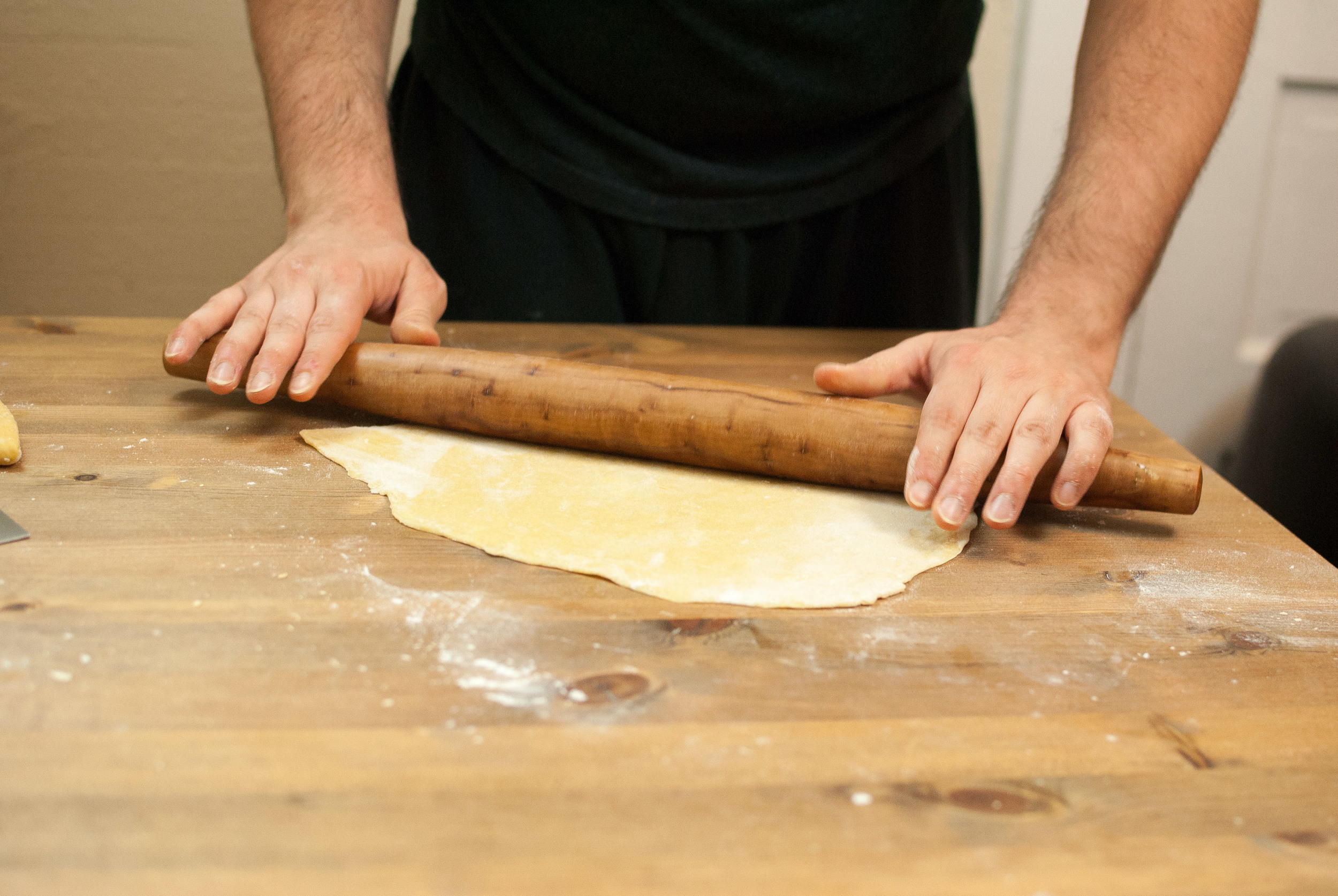
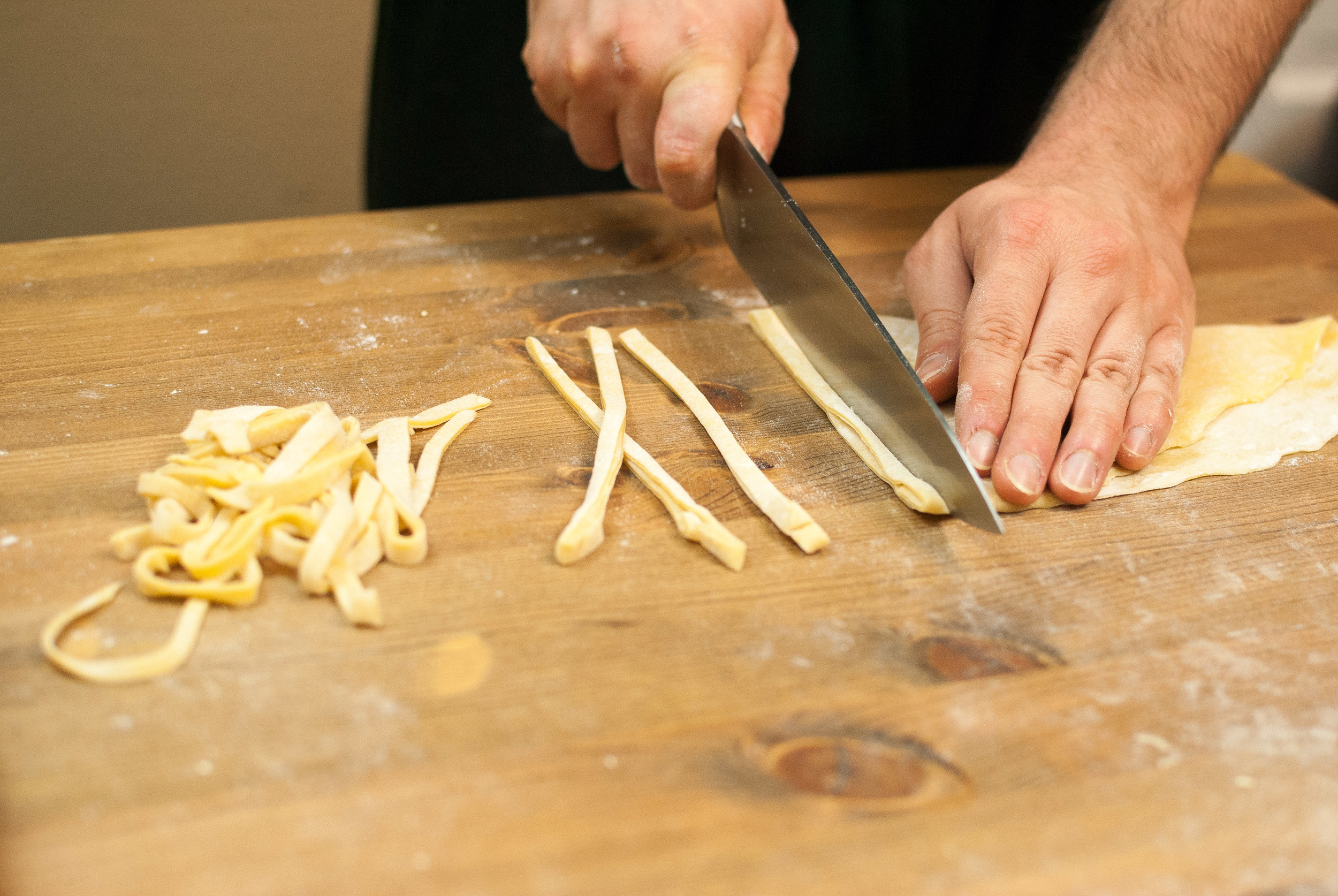
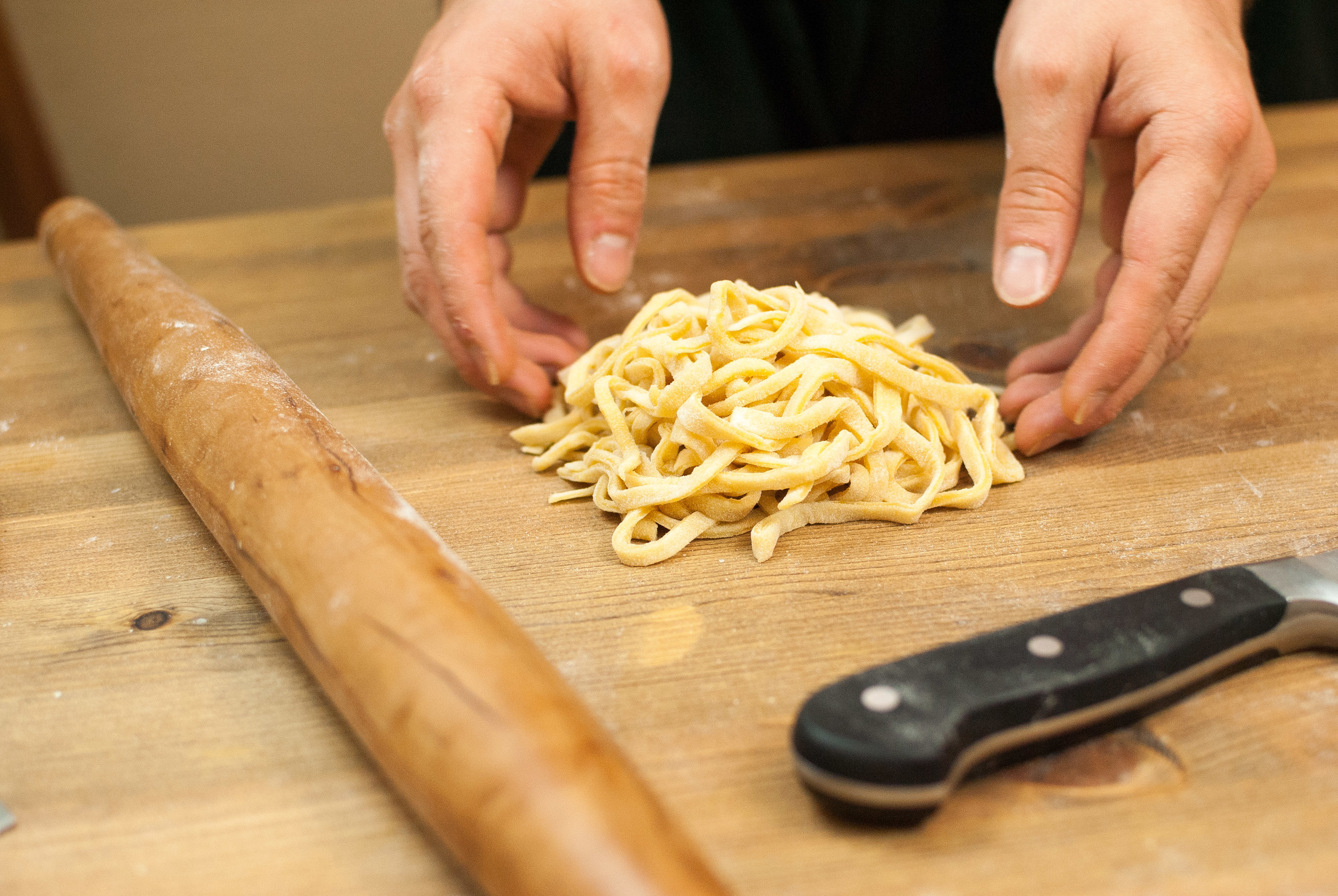
    You don’t need expensive equipment to make pasta. All you need is a rolling pin and a sharp knife, and you’re good to go.

    Pasta alla carbonara is one of the easiest in the pasta canon, complete with echoes of the all-American breakfast: bacon and eggs. It is a great dish that finds a great compromise between rich flavors and inexpensive ingredients. It’s pasta tossed with whipped eggs, cheese, crisp bacon, and its rendered fat. When you combine the hot noodles and eggs, it cooks the eggs just enough to create a creamy sauce that bonds the bacon fat and melted cheese. Essentially what you’re making is a cheesy, bacon-flavored custard.

    Want richness without meat? Replace the bacon with a cup of sliced raw mushrooms and add a smidgeon of olive oil and it’ll produce the same texture with a woodsy depth.

    Pasta alla Carbonara:

    • 1 batch of sexy pasta dough, ½ batch everyday pasta dough, or 6 oz. dry pasta

    • ½ cup bacon (or pancetta if you prefer), minced

    • 2 large eggs

    • ⅓ cup parmesan cheese, shredded

    • 2 tbs. Italian parsley, chopped

    • ½ tsp. salt

    • Fresh ground pepper

    Roll out pasta dough on a floured surface until thin enough for your liking. Cover dough with a light dusting of flour, fold dough in half, and cut into strips. Don’t worry about making them the same size!

    In a big skillet, fry the bacon until crisp and the fat is rendered; then remove from heat. Keep everything in the skillet. Set aside.

    In a small bowl, beat the eggs lightly until the yolk is mixed with the whites. Then add the cheese, parsley, salt, and pepper. Mix thoroughly. Set aside.

    Boil noodles for 1½–2 minutes (this depends on how thick you make them), until the noodles start to float. The next step must be done as fast as you can, so make sure you have your eggs ready. Strain pasta quickly in a colander and put in the skillet with the bacon and rendered fat. Immediately pour the eggs into the skillet with the noodles and stir them gently, constantly until the heat from the noodles begins to cook the eggs. Serve immediately garnished with parmesan cheese, parsley, and red pepper flakes.

    Serves 2.