Category: Vegan

  • Skordalia


    I have a fascination with recipes that utilize ingredients that seem to have lost their value: vegetable tops and bottoms, stalks and skins, bones and bits, crusts and scraps. I don’t like wasting food, so when I discover something that allows me to use these delicious rejects in a creative way, I get a little thrill out of it. And do you wanna know what’s laying around our home that’s sometimes challenging to use before it becomes hard as a rock and “useless?”

    Bread. Lots and lots of effing bread.

    My partner bakes some of the best damn bread around and posts saliva inducing photographs of it on our Instagram, but alas, we can only eat so much of it at once, and sometimes we don’t consume all of it before it goes stale. Toward the beginning of his bread kick, we actually started to give the bread away to our friends, but even that didn’t keep us out of the clear, and I was starting to hear creaky protests coming from our food processor that seemed to say, “Please, God, not one more batch of breadcrumbs. PLEASE, NO MORE.” Luckily for our food processor, and for us, I discovered a type of recipe that changed the way I cooked with bread.

    Bread sauces.

    There are several, actually. The Brits have one (it’s just called “bread sauce,” because of course it is). Romesco sauce is also technically a bread sauce, utilizing stale bread to bind all its parts together. There’s even a Peruvian stale bread and cheese sauce that’s intended to be served with potatoes. I cycled through a few of different variations of this style of disposing of Nate’s hearty loaves, but it didn’t take long for me to stumble upon what became far and away my favorite one of the bunch: skordalia. Skordalia is easy to make, versatile in its use, keeps for a long time, and it focuses on two of my all time favorite flavors: garlic and lemon.

    Side note: using a good stale French loaf would be great for this, but in our house, we like sourdough. It really latches onto the lemon flavor, which is the backbone of the sauce. Also, you don’t even need to use stale bread for this recipe, just know that you can. I mean, you’re dousing it in oil and lemon juice and water then blending it into oblivion, so don’t get too hung up on that.

    Skordalia:

    • One 1” slice of stale bread from a large, hearty loaf of bread (we like sourdough)

    • 6–8 cloves of garlic (or, like, more if you’re into that)

    • A heaping ½ cup of slivered almonds

    • ½ cup olive oil, divided

    • Juice of one whole juicy lemon

    • ¾ cup of water

    • Salt to taste

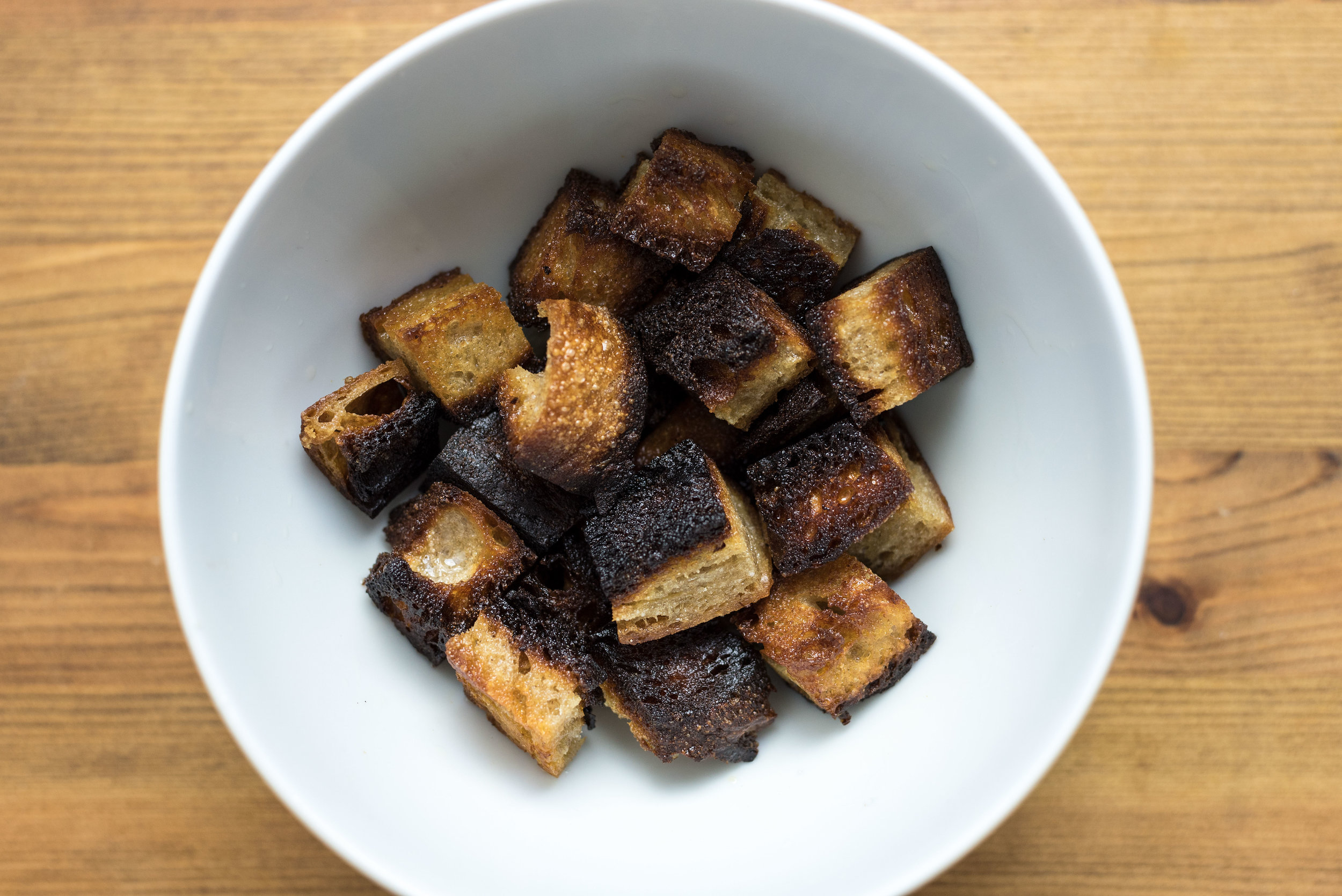
    In a skillet on medium heat, warm ¼ cup of the olive oil until it begins to shimmer. While the pan is coming up to heat, cut your stale bread into 1-inch cubes. Think of it like you’re making some big-ass croutons, because, well, you kind of are. When the oil is ready, add the bread to the pan. It should begin to fry immediately, making a satisfying “deep frying” noise (you know what I’m talking about). If it doesn’t, remove the bread and wait until it gets hotter and try again.

    Fry the bread cubes on all sides, moving them around the pan from time to time. You have a couple options here: fry the bread until it’s golden brown OR until it’s just a little more than that. This will determine the flavor character of your skordalia. Golden brown bread will be a nuttier, milder, and buttery skordalia whereas slightly charred bread will be a more sour, punchy, and smoky skordalia; they both have their place. If you’re using your skordalia as a dip, meant to be eaten more on its own, I’d opt for golden bread since it’ll be milder. If you’re using your skordalia to accompany a meal as a hearty bread sauce component, then I’d do charred bread since it’ll stick out a little bit more. The sourness of the charred flavor bonds with the lemon really nicely, and the smokiness responds really well to meat or roasted vegetables.

    skordalia_01.jpg

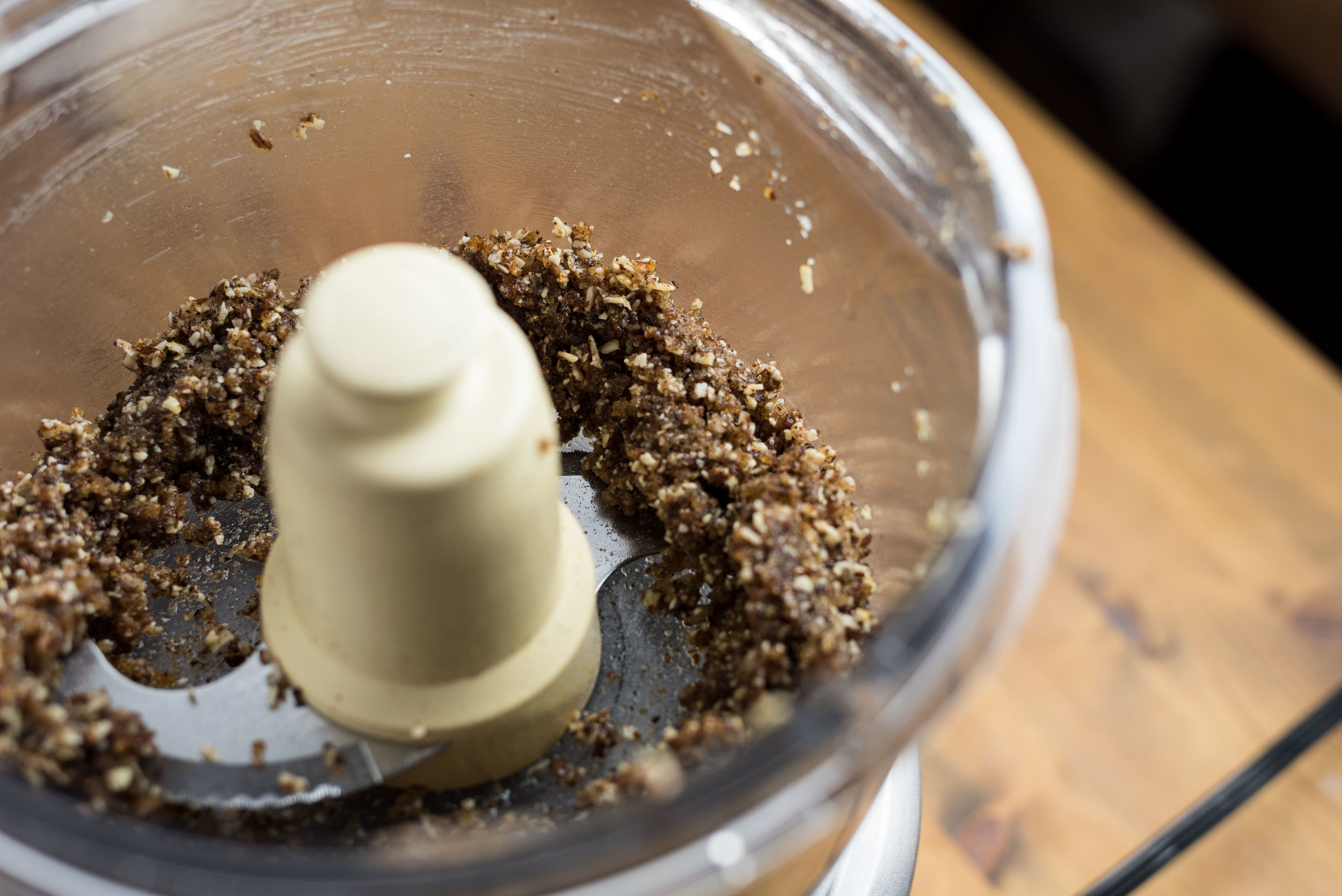
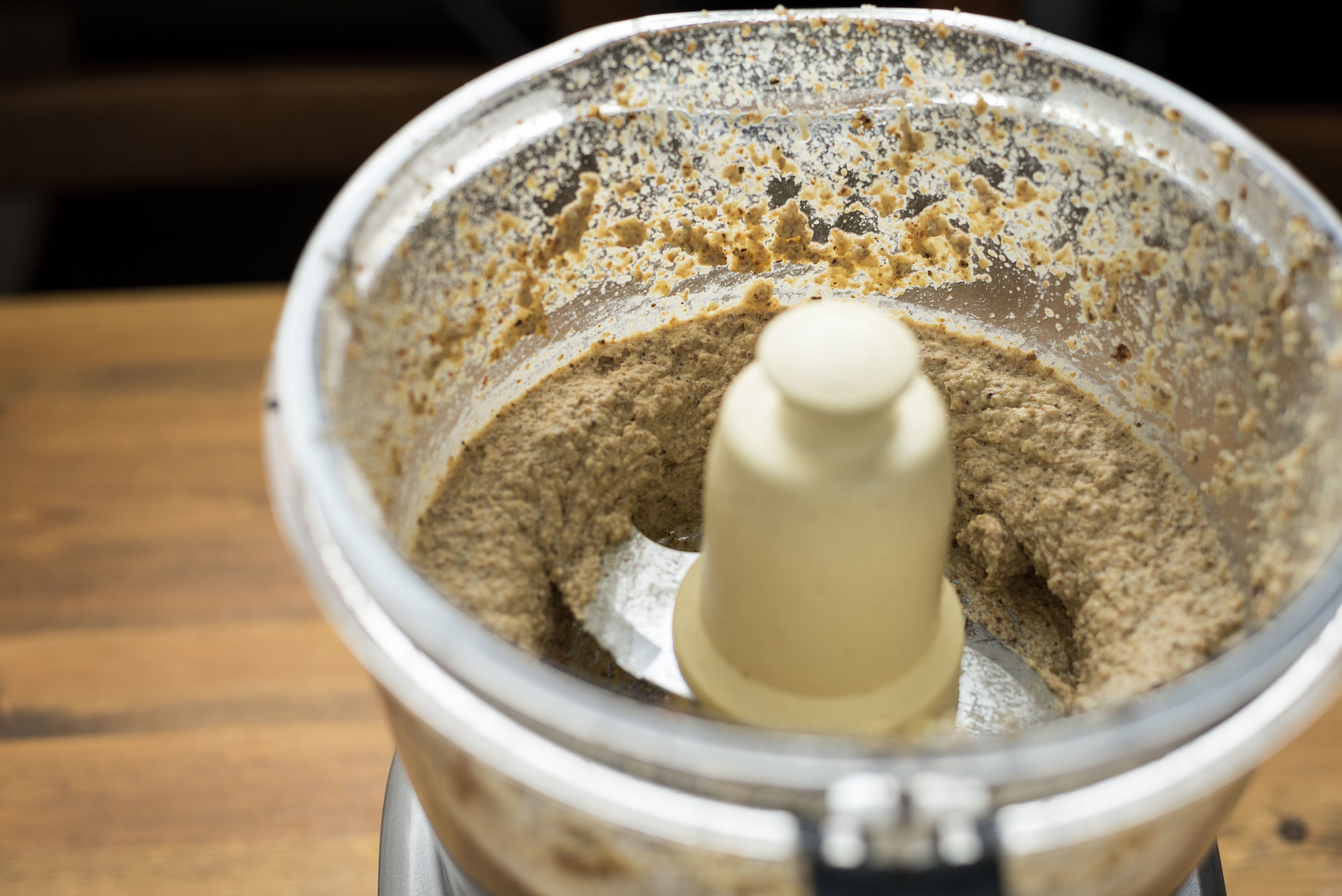
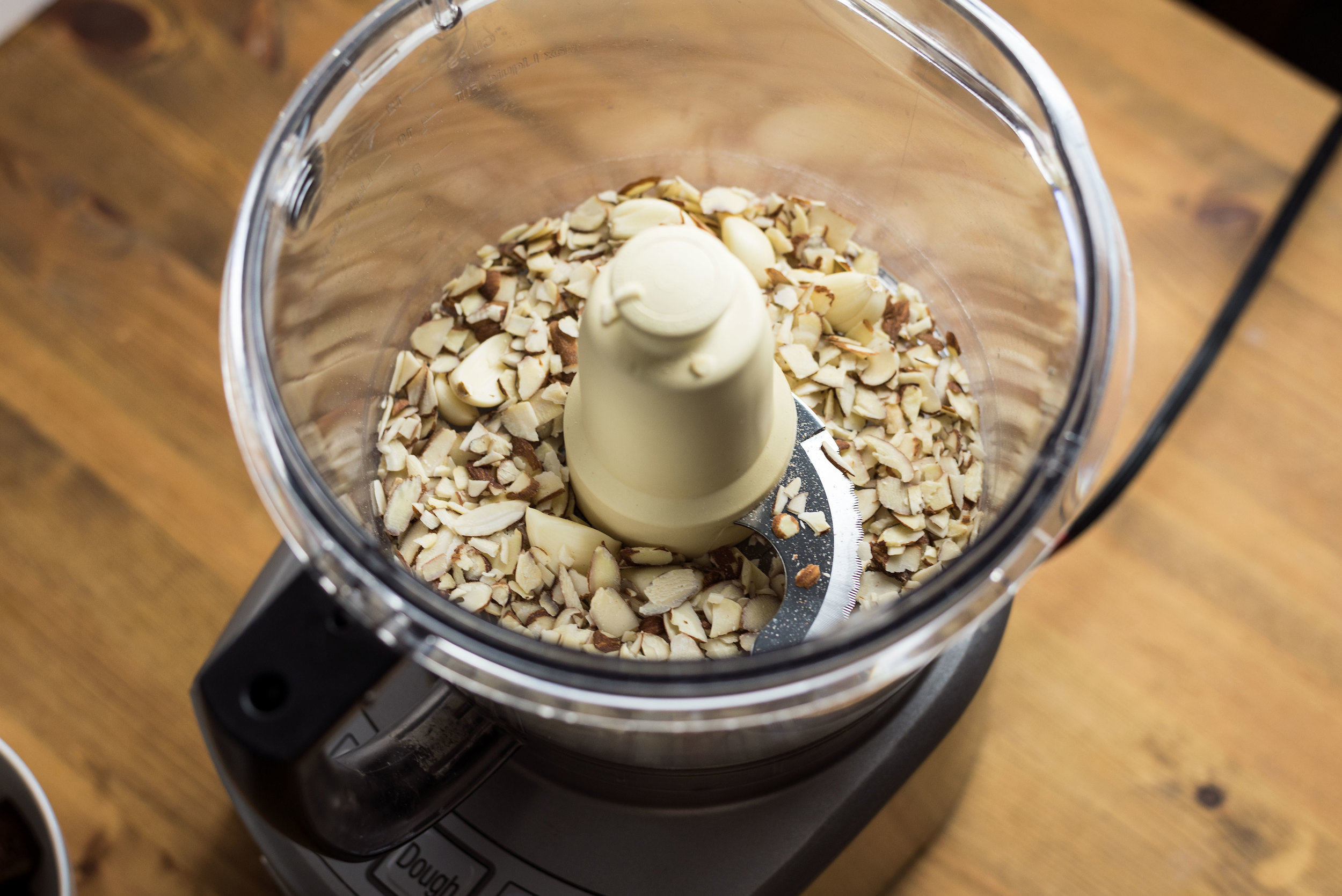
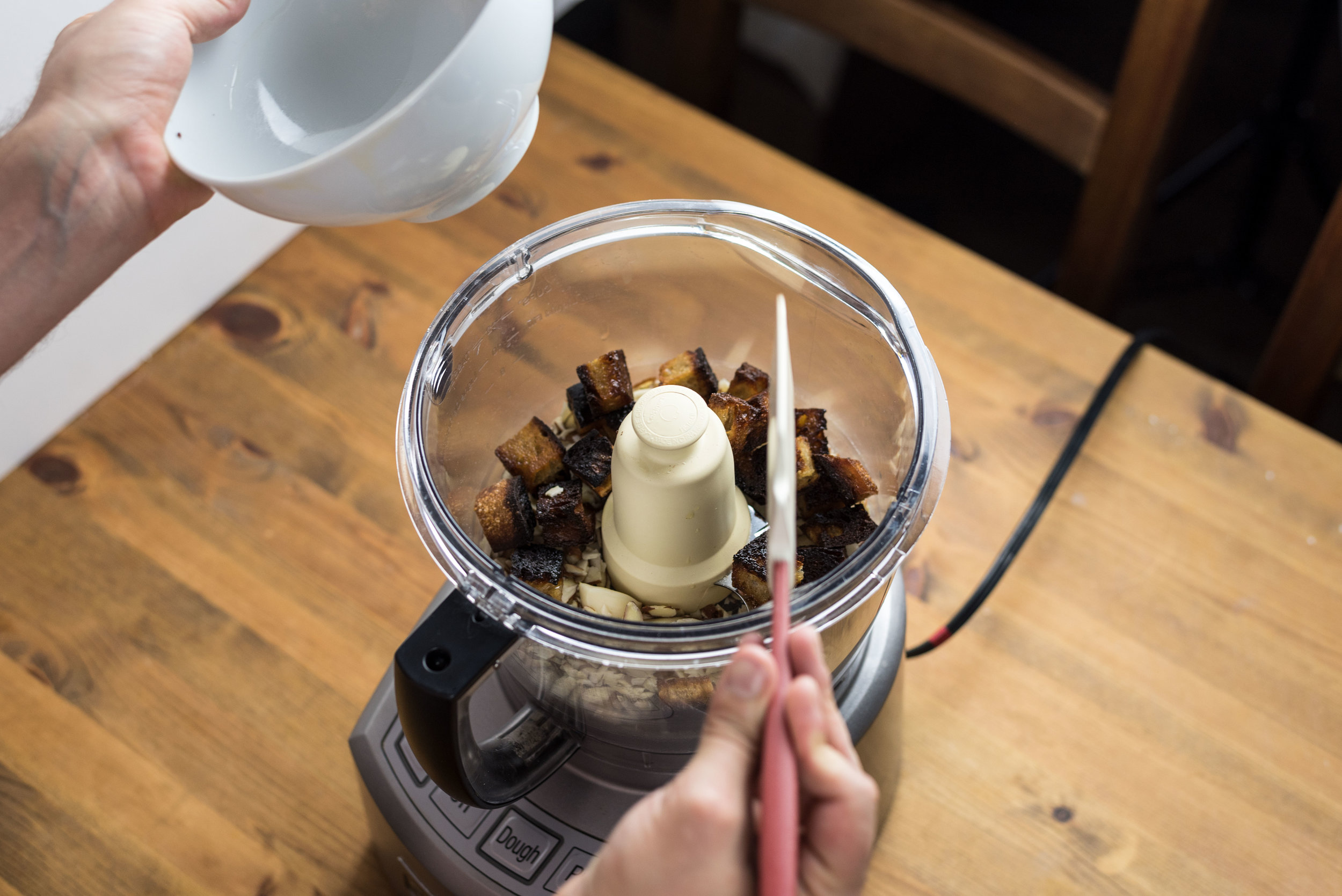
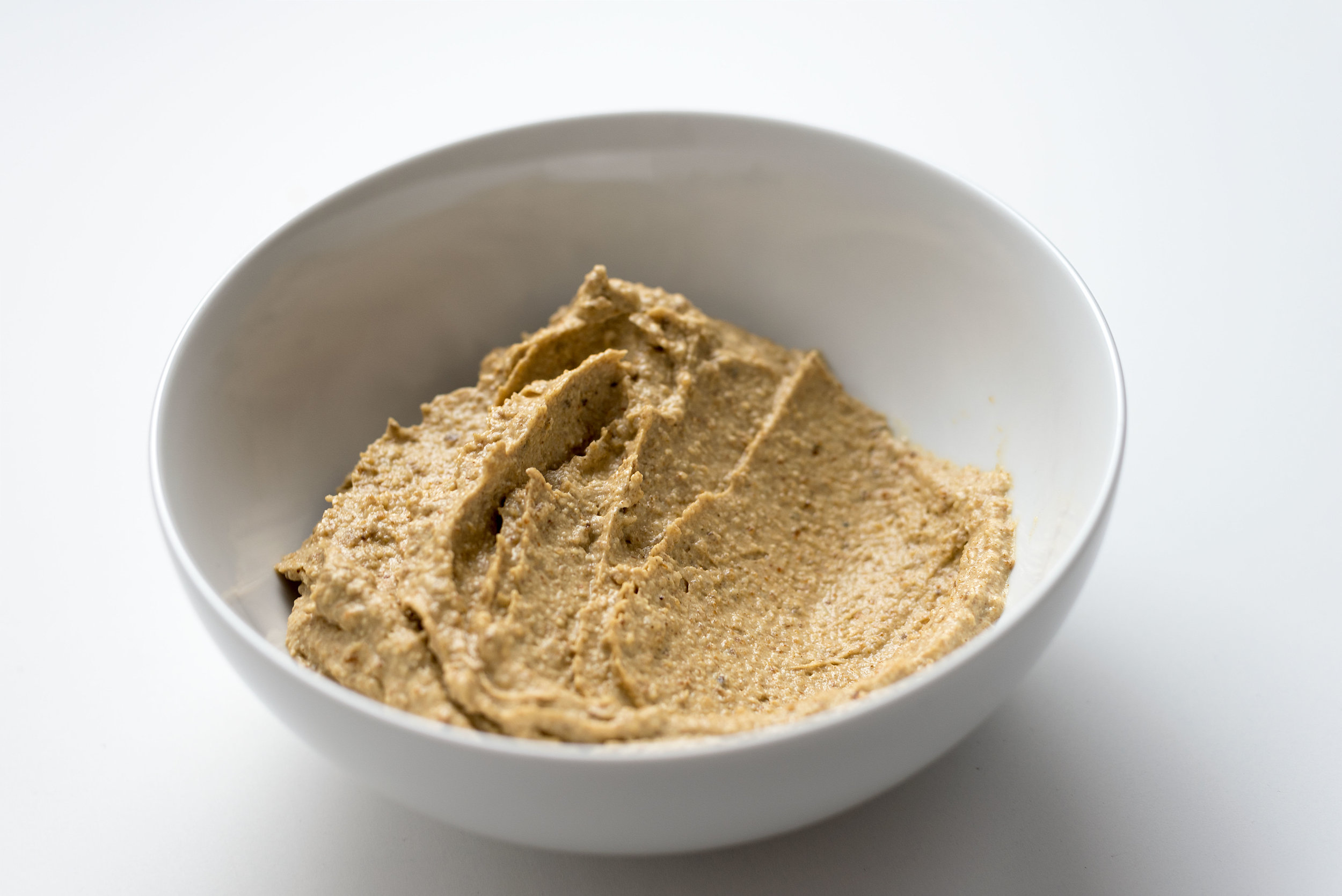
    Once your bread is fried to your desired shade of sexiness, remove it from the pan and add it to a food processor or blender along with all the remaining oil in the pan, the garlic, and slivered almonds. Pulse the ingredients to break them down, scraping the sides of the bowl frequently, then give it a good long blend to get them as fine as you can. While the ingredients are whirring away, consolidate the remaining ¼ cup of olive oil, water, and lemon juice into a vessel with a lip so you can slowly pour it out in a steady stream without making a mess. Through the opening at the top of the food processor or blender, slowly add all of the liquid, allowing your skordalia to loosen up and emulsify. You’ll probably need to let it blend on its own for a minute or two afterwards to break down the last few chunks. When finished, your skordalia should be smooth and resemble hummus. Salt your skordalia to taste and pulse to incorporate. Serve immediately or store in your fridge for up to two weeks.
    Side note: if you’re taking your skordalia out of the fridge to use for later, we’d recommend having it come up to room temperature on its own as opposed to microwaving it, since the application of heat really alters the fresh lemon juice flavor. That being said, don’t let that stop you from adding a dollop of this goodness to a lunch on-the-go that you’ll heat up at work or wherever you go later. It’ll still be delicious, just know that it’ll be a little different. The garlic flavor will come out more and the lemon will play less of a role.

    skordalia_07.jpg

    Yield: about 2 cups
  • Shaoxing Baby Bok Choy


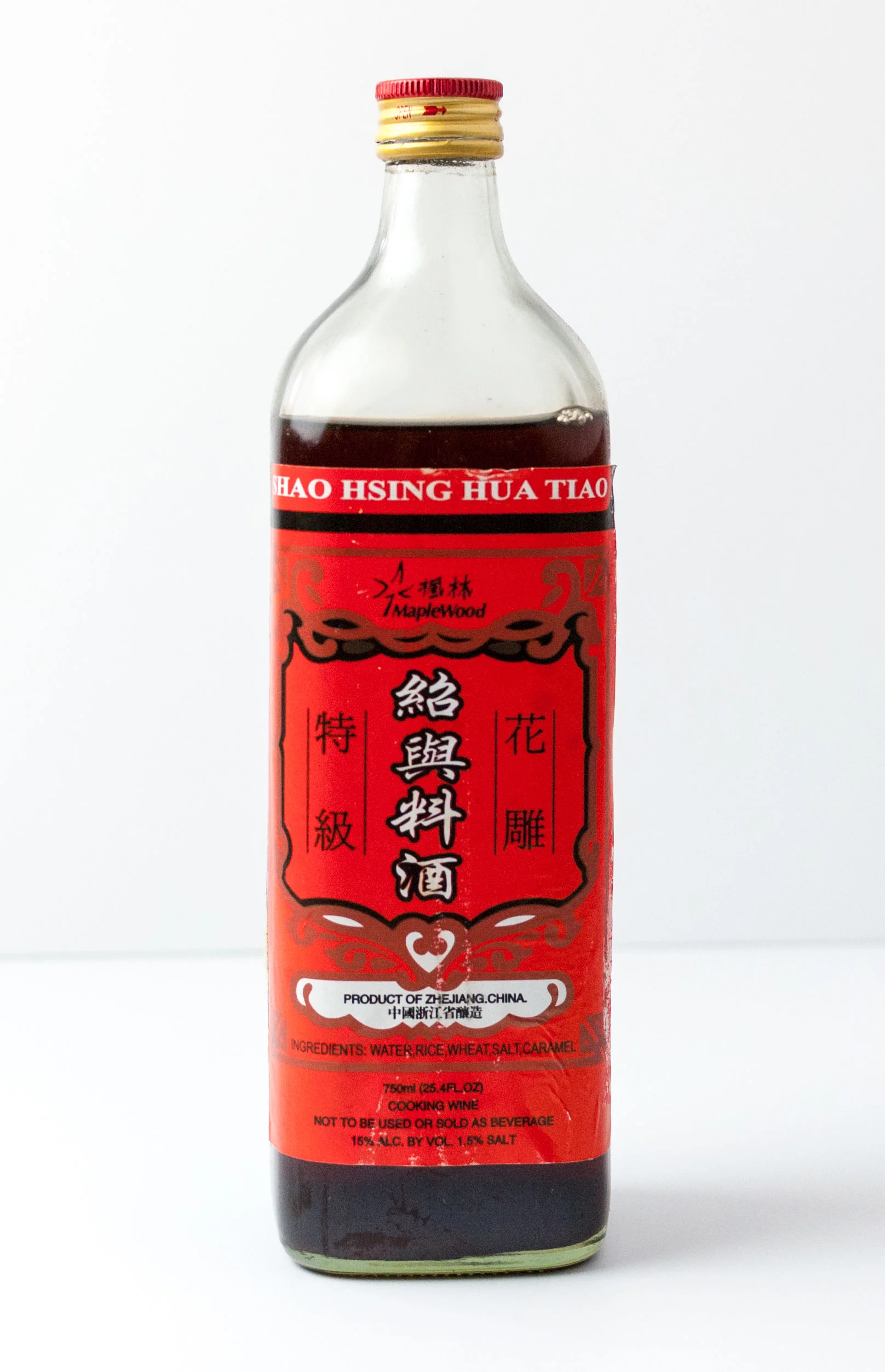
    The shaoxing wine (Chinese cooking sherry; a pantry staple for us) and soy reduction in this recipe provides just enough salt to season the vegetable as well as just a hint of sweetness, but not enough to overwhelm the delicate flavors the bok choy is already bringing to the dish. This is a delicious appetizer, side dish, or vegetable course meal suitable for 2–10 people. It’s the kind of plate that people will want to gather around and demolish the moment it comes out of the wok. Oh, and if you’re snappy, it can be ready in about seven minutes. Yeah. Seven.


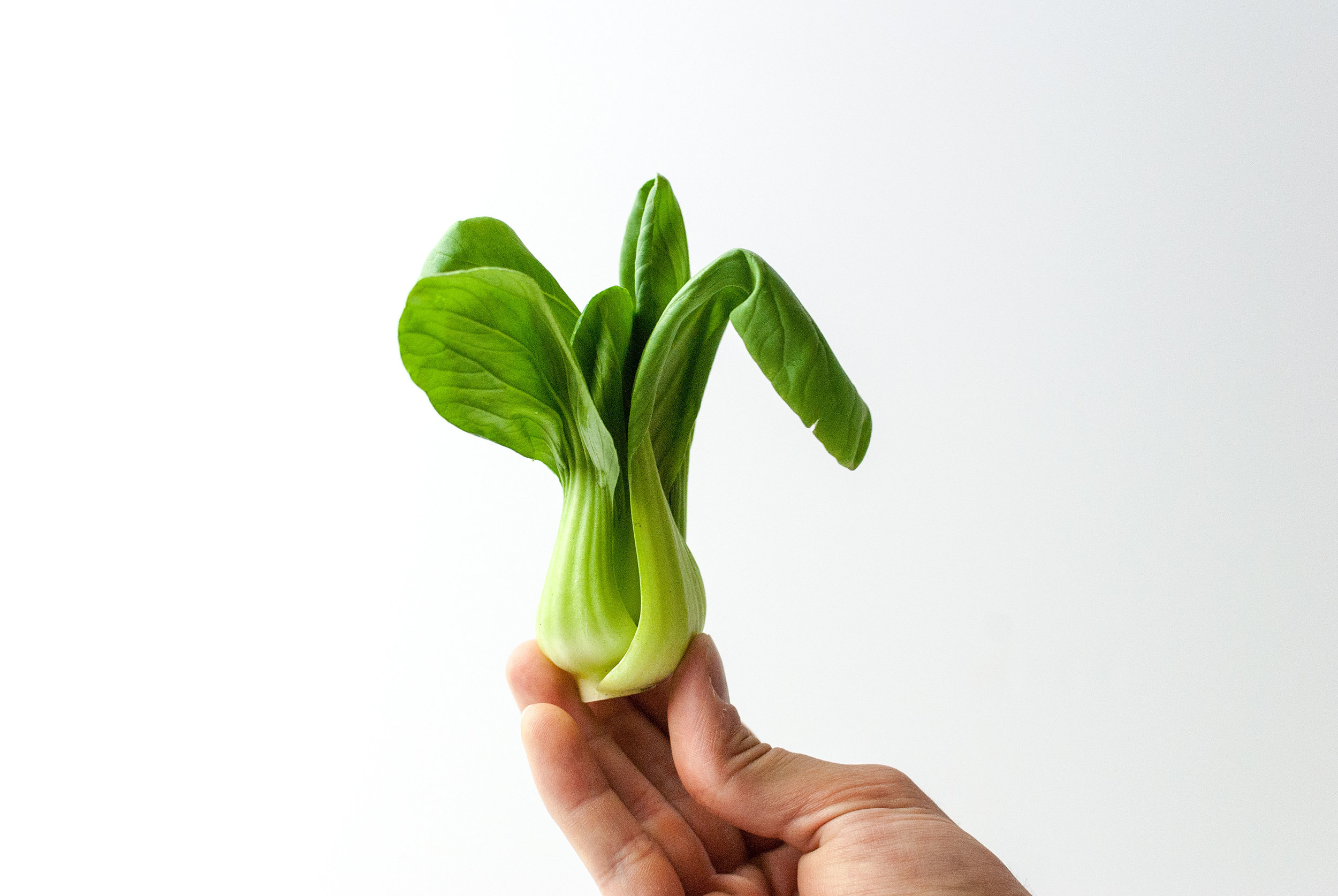
    The law with smaller vegetables is that usually their flavor is concentrated, which proves true here. Bok choy keeps a lot of water in its stalks, so when it’s cooked correctly it can be really succulent, almost like celery. Its grassy flavor is refreshing and delicious, and its leaves wilt nicely when cooked to absorb any sauce you mix with it.


    Shaoxing Baby Bok Choy:

    Serves 2

    • ½ pound cleaned baby bok choy, stems removed

    • 1 teaspoon oil with a high smoking point (we used vegetable oil)

    • 2 tablespoons shaoxing wine

    • 1 teaspoon dark soy sauce

    • 1 large green onion, chopped

    • ½ teaspoon sesame oil

    • 1 hefty pinch of sesame seeds

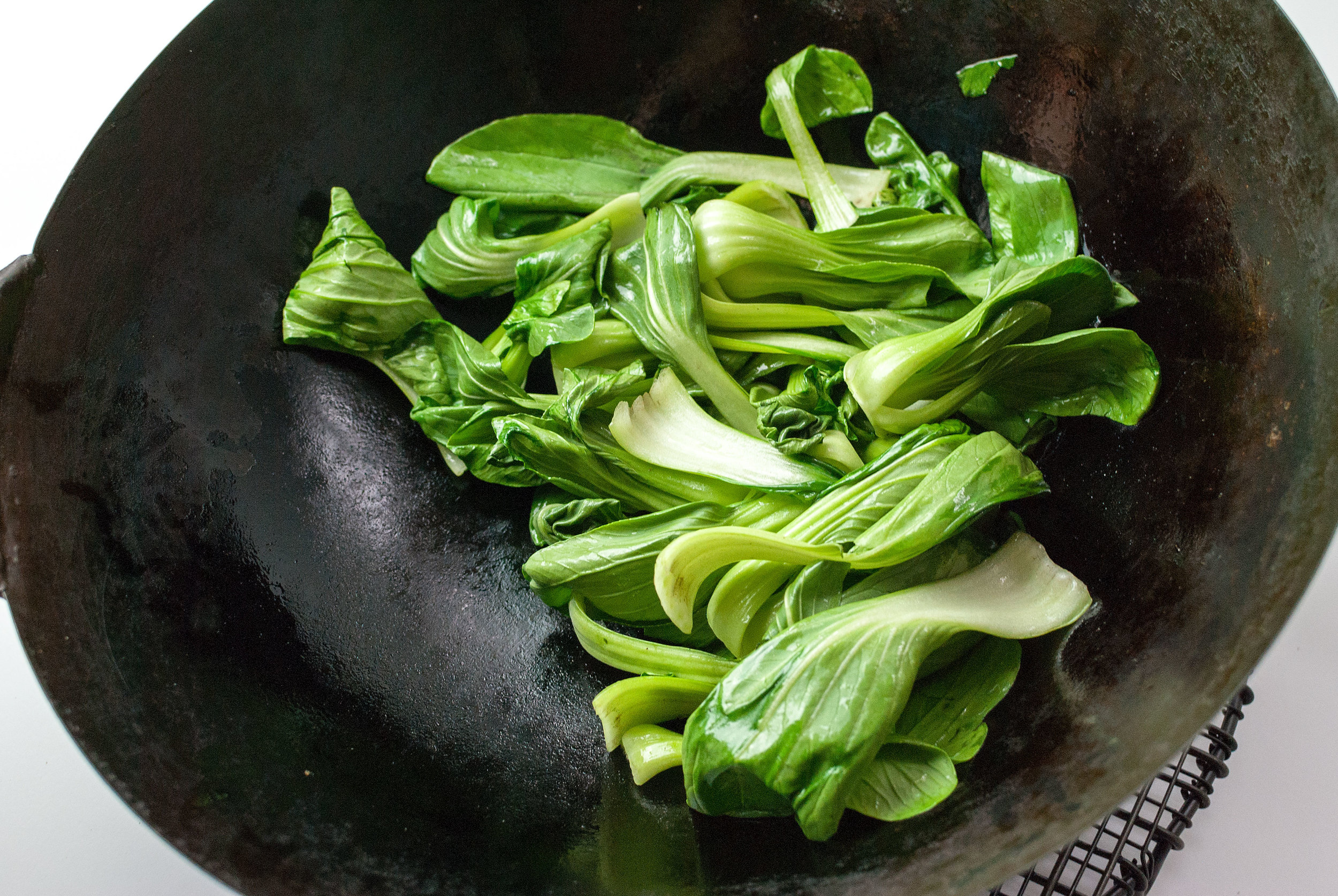
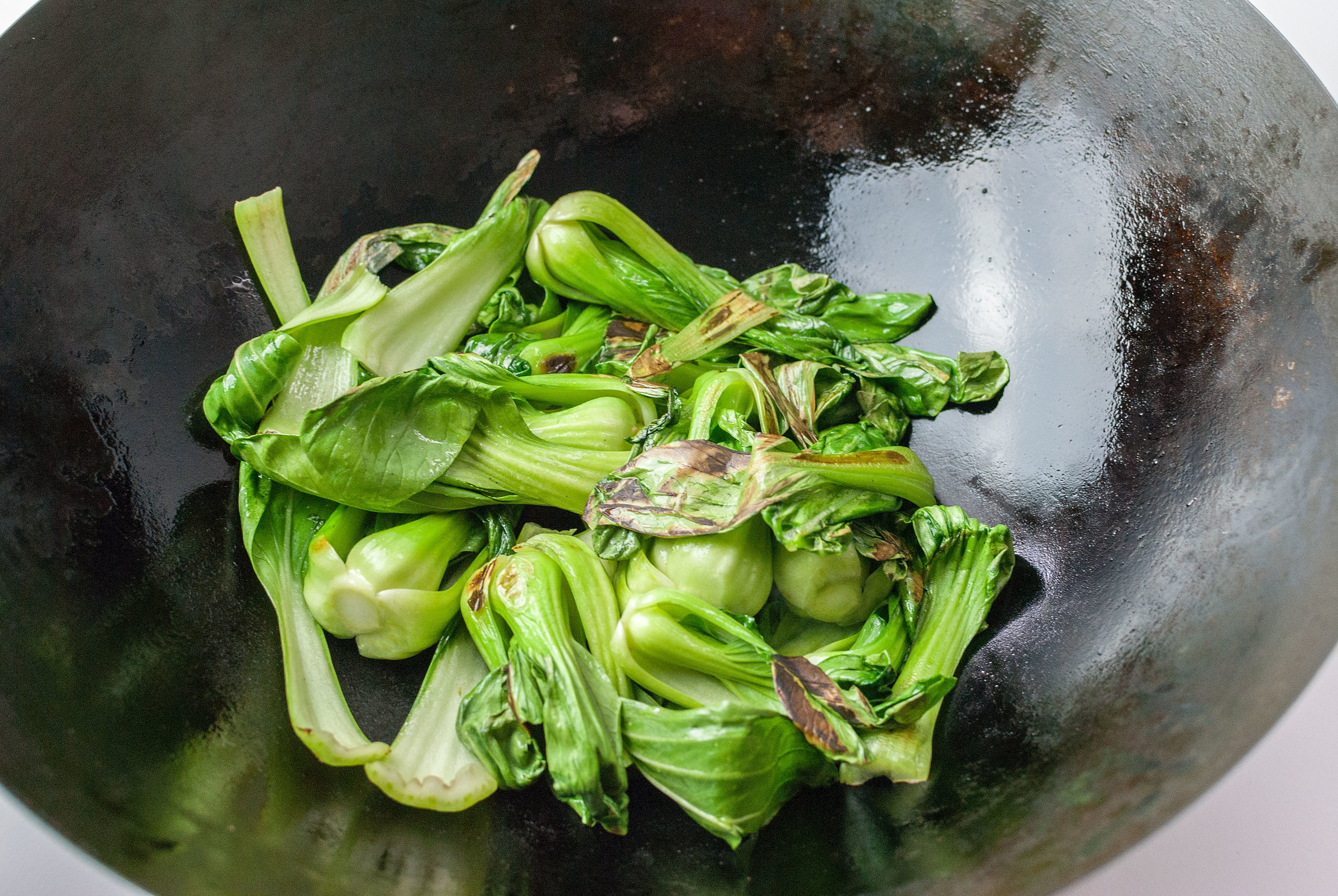
    Heat a wok on high until it just starts to smoke, then add the oil and swirl it around the pan. Add the bok choy to the hot wok and toss well, coating it in oil as well as instantly wilting the green leaves. Let the bok choy sit on high heat for about 30 seconds to achieve a little bit of singing, then flip the vegetables over like one would with an omelet (or just give it a good stir if you’re not comfortable flipping).

    Add the shaoxing wine and the soy sauce to the wok, then let the bok choy sit as the sauce reduces, about 1–2 minutes depending on your stove; you’ll want the liquid to reduce by about half. After the sauce has reduced enough and the stalks have become a much deeper green color, add the chopped green onion and give everything in the wok a quick stir; cook for another 30 seconds or so to wilt the green onion.

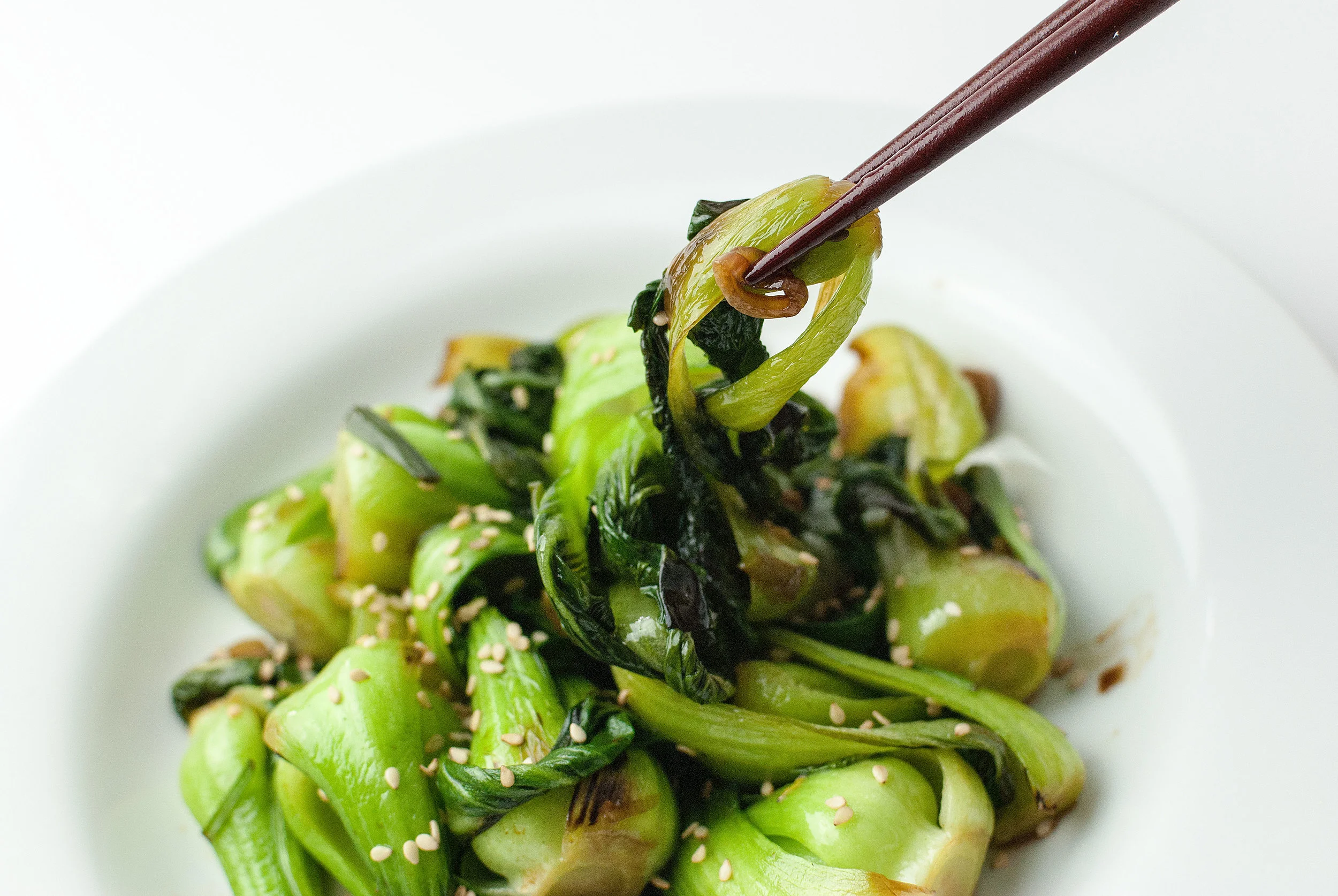
    Remove the wok from the heat and stir in the sesame oil. Transfer the the warm bok choy to a serving plate and garnish with some sesame seeds. Serve immediately.


  • Smoky Baba Ghanouj


    The baba ghanouj recipe is a little nod to the only Middle Eastern restaurant from my Oregonian hometown of Coos Bay/North Bend, simply named Cafe Mediterranean. My family is reasonably certain that when they first opened that we generated a venerable chunk of their revenue. Back in the early 2000’s, living in such a small town, we hadn’t really ever been exposed to food like that before, and it was such a welcome influence that it sent us on a mezze kick in our own kitchen that lasted for years. They had a strong menu, but for us, the star of the show was their baba ghanouj. One day, we asked for the recipe, and they graciously revealed the secret ingredient that made it so addictive: a little kiss of liquid smoke. It ties everything together so nicely, opening up a larger dialogue between the eggplant and the garlic.

    Since then, we’ve tweaked it to make it our own, for instance, roasting the eggplant longer for a deeper flavor and adding a lot more garlic. We also boost the smoky flavor by garnishing the dish with a little dusting of smoked paprika.


    Smoky Baba Ghanouj:

    • 1 large eggplant, halved
    • ¼ cup tahini
    • 4–5 cloves garlic, crushed
    • 1 teaspoon ground cumin
    • Juice of 1 lemon
    • A drop of liquid smoke
    • Salt to taste
    • Olive oil for garnish
    • Smoked paprika for garnish


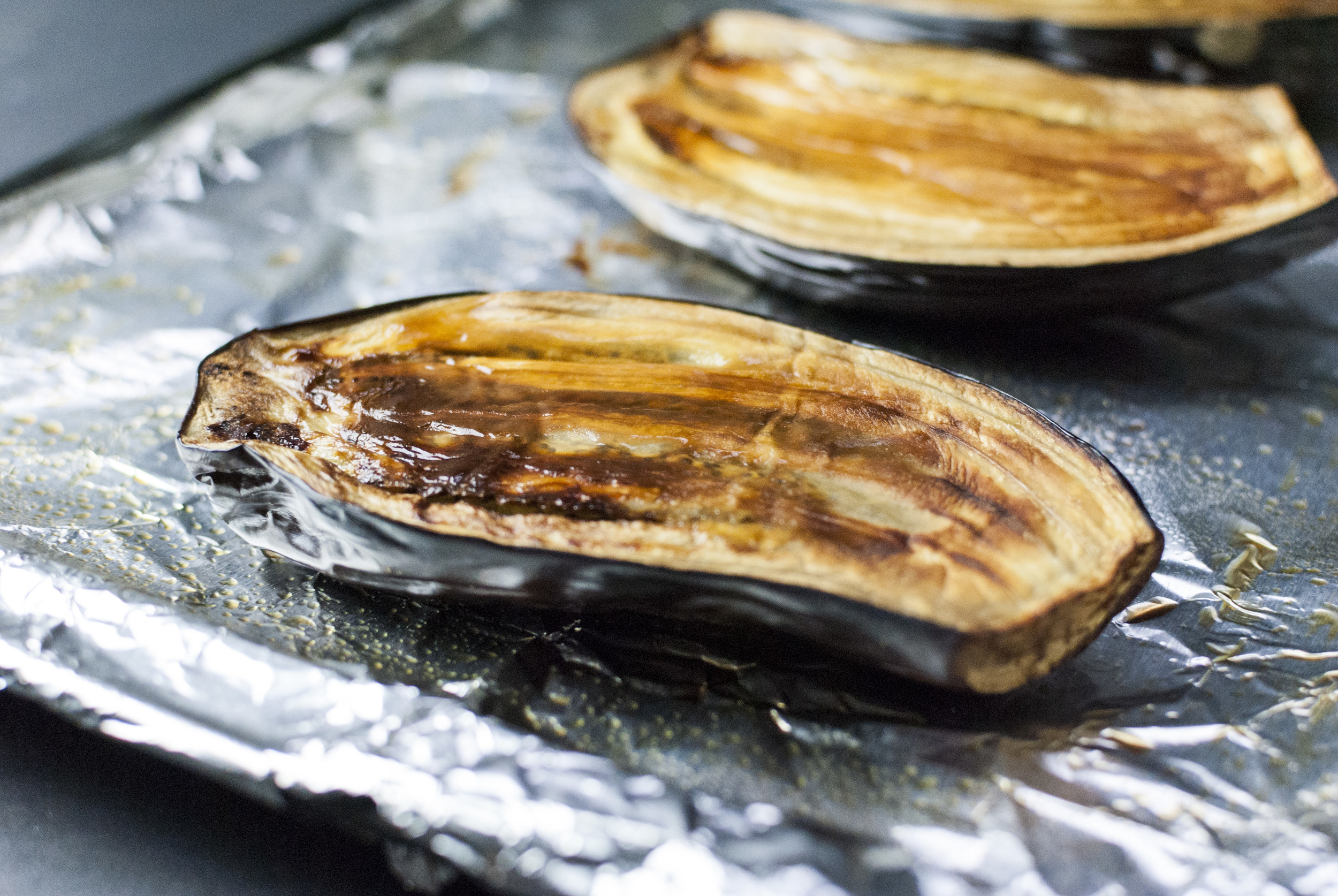
    Preheat oven to 350°F. Cover a baking sheet in aluminum foil then lightly oil the surface. Roast the eggplant on the baking sheet skin side up for about 2 hours or until the flesh of the eggplant is very tender.

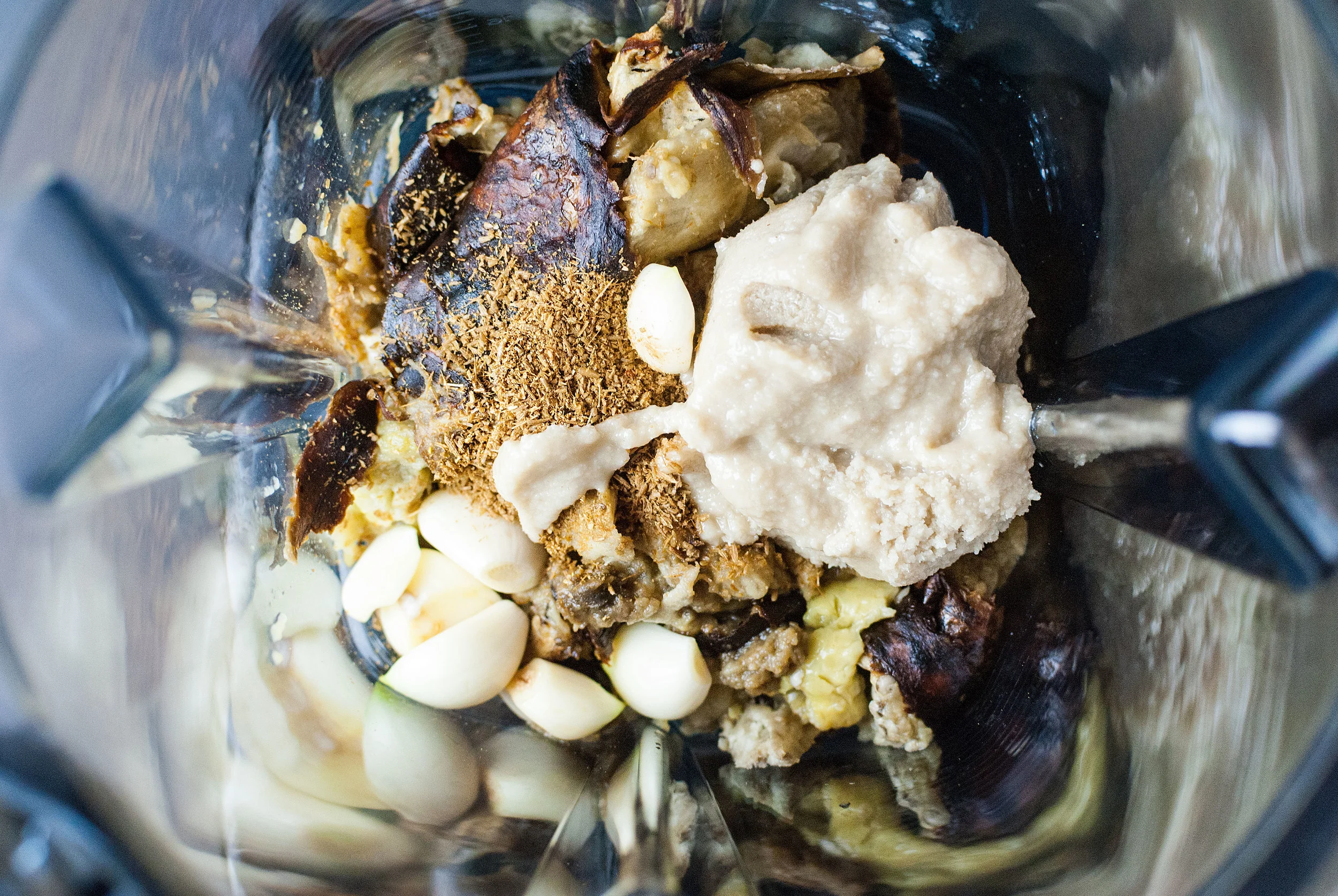
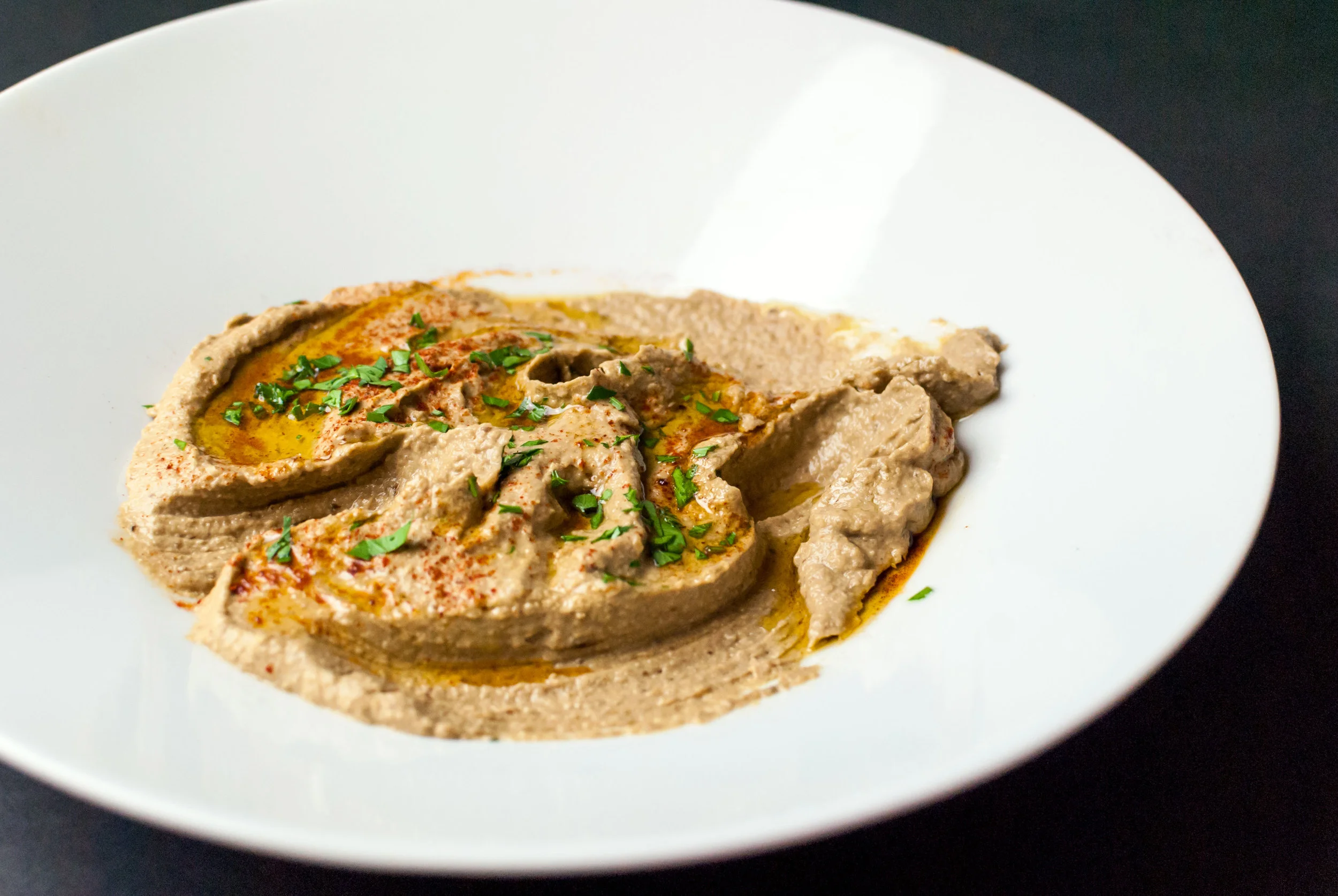
    When the eggplant is cool enough to handle with your hands, scoop the flesh out of the skins and place into a food processor with the tahini, garlic, cumin, lemon juice, and liquid smoke. Pulse at first, breaking everything up into more manageable sizes for the blades, then blend steadily until completely smooth. Taste test and add salt to your liking. When finished, place the baba ghanouj into a serving dish and drizzle with a little bit of olive oil and a light dusting of smoked paprika.


  • Leek Powder


    Leek-Powder-Pierogi-1.jpg

    As odd as this may seem, this recipe is actually quite personal for me. My mother taught me how to make this. My mother was a very strange woman. She would pick wild mushrooms and bring them into the house to examine what colors they might make if you turned them into dyes, sometimes leaving them on paper to create intricate designs with their spores. She was a master preserver, confident in her ability to can or process anything. Her library of mason jars would line the walls of my childhood home, holding the little secrets of her fearless flavor experiments and prized recipes. She could eliminate the daunting space between a stranger and a friend in a matter of seconds. I learned the majority of what I know about food from her. She taught me how to see that everything is connected, no matter how obscure the link may be at first. If you can maintain your sense of wonder in this world, you can always find a way to make something into something else; something you need, something you want. She taught me that humble things are beautiful, and if treated correctly, they can be turned into something even more beautiful; something you love.

    I miss her so much.

    Leek Powder:

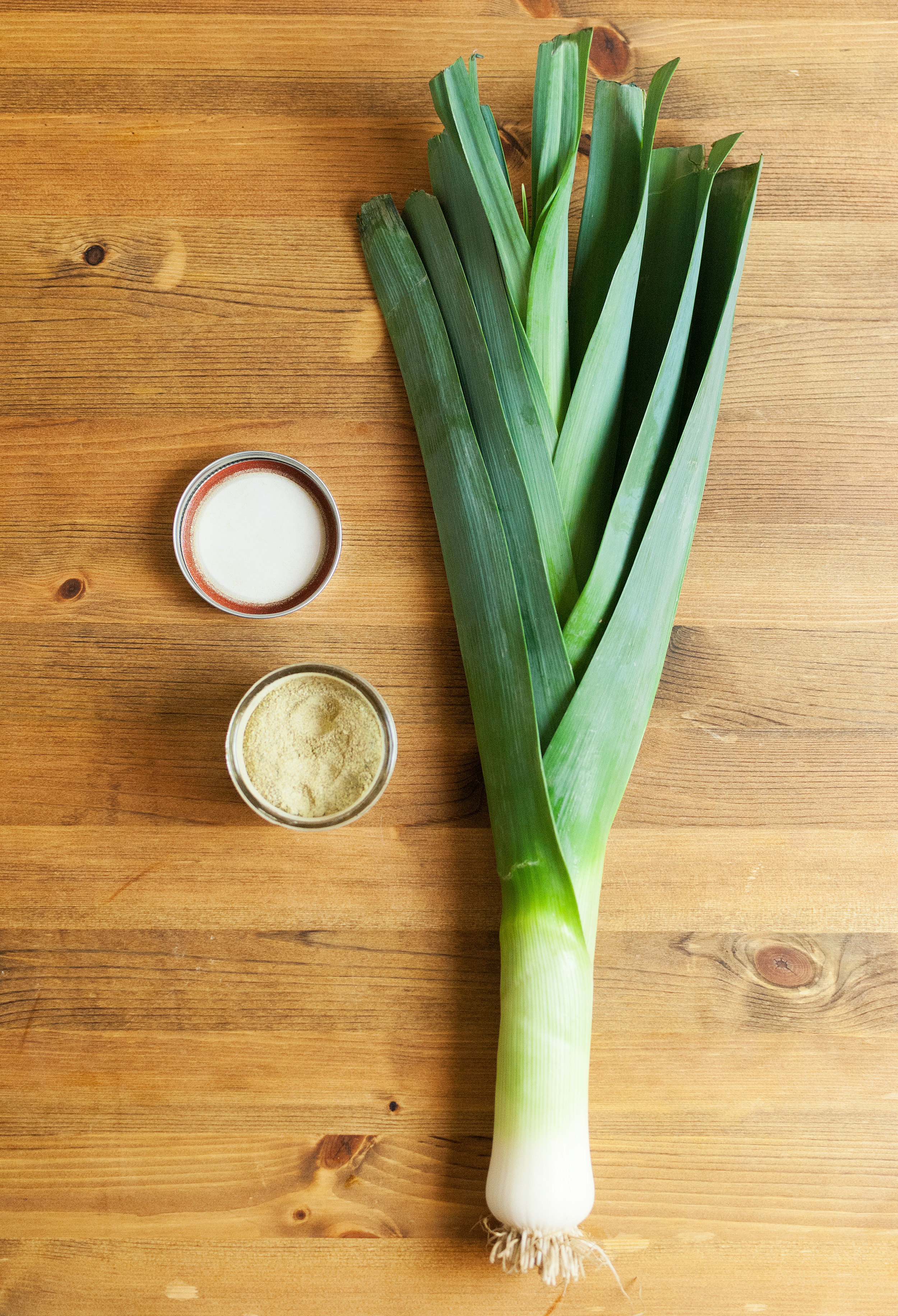
    • 2 whole leeks, roots removed, cleaned

    Preheat oven to 170.

    Cut the leeks into smaller segments (including the greens) then place them in the food processor. Blend until they resemble finely minced onions. If you don’t have a food processor, just do this by hand with a sharp knife. Be careful since the greens are fibrous and might be hard to cut.

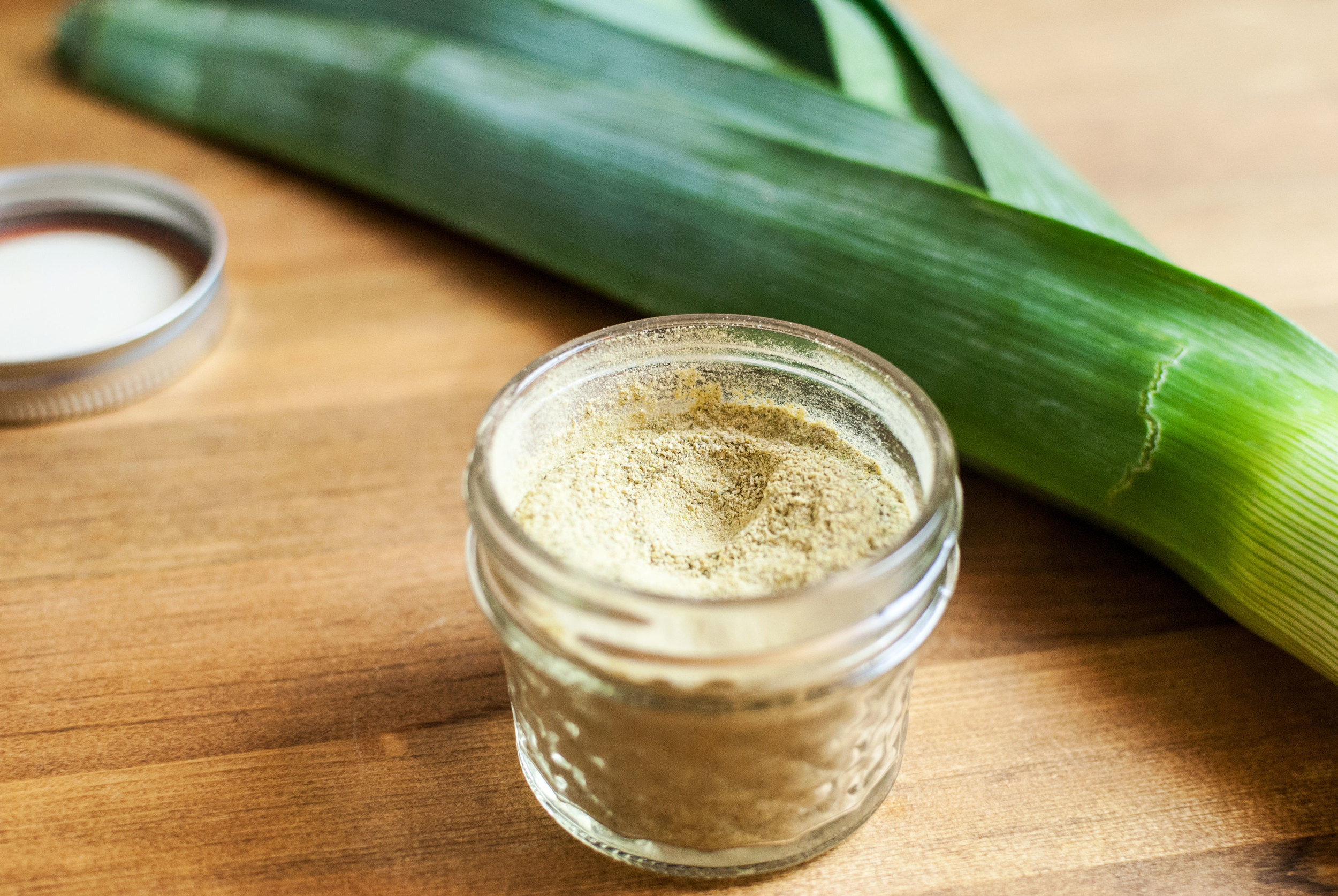
    On a baking sheet with parchment paper, spread the minced leeks as thinly and evenly as you can. Place them in the oven and allow them to “bake” for about 6 hours, or until all the moisture in them is gone. They should be light and crispy, like dead autumn leaves.

    Place the dehydrated leeks in a coffee grinder and grind until it becomes a fine powder. Store in an airtight container. Keeps for months.

    Yields about ½ cup of leek powder.

  • Strawberry Jam


    strawberry-jam_021.jpg

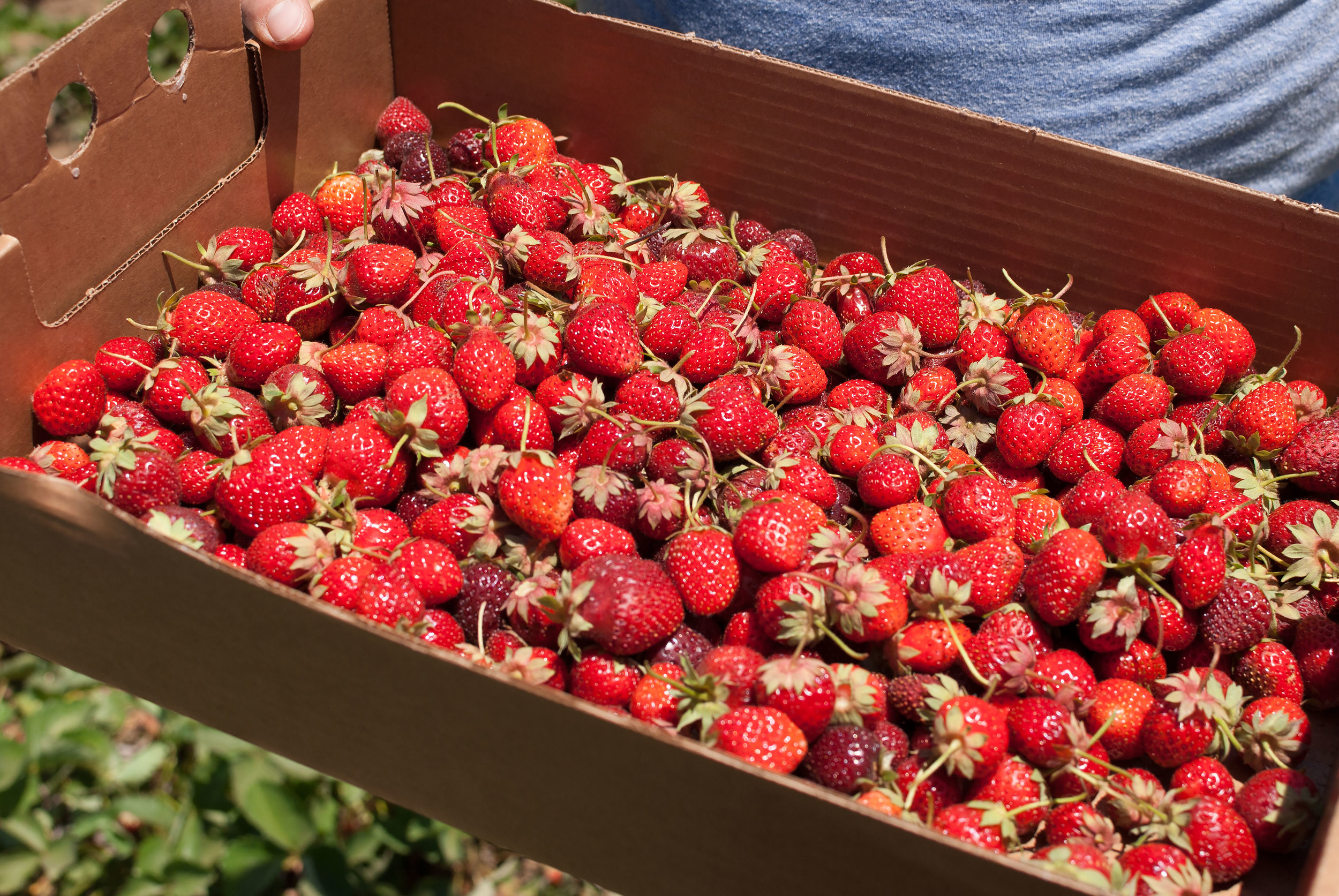
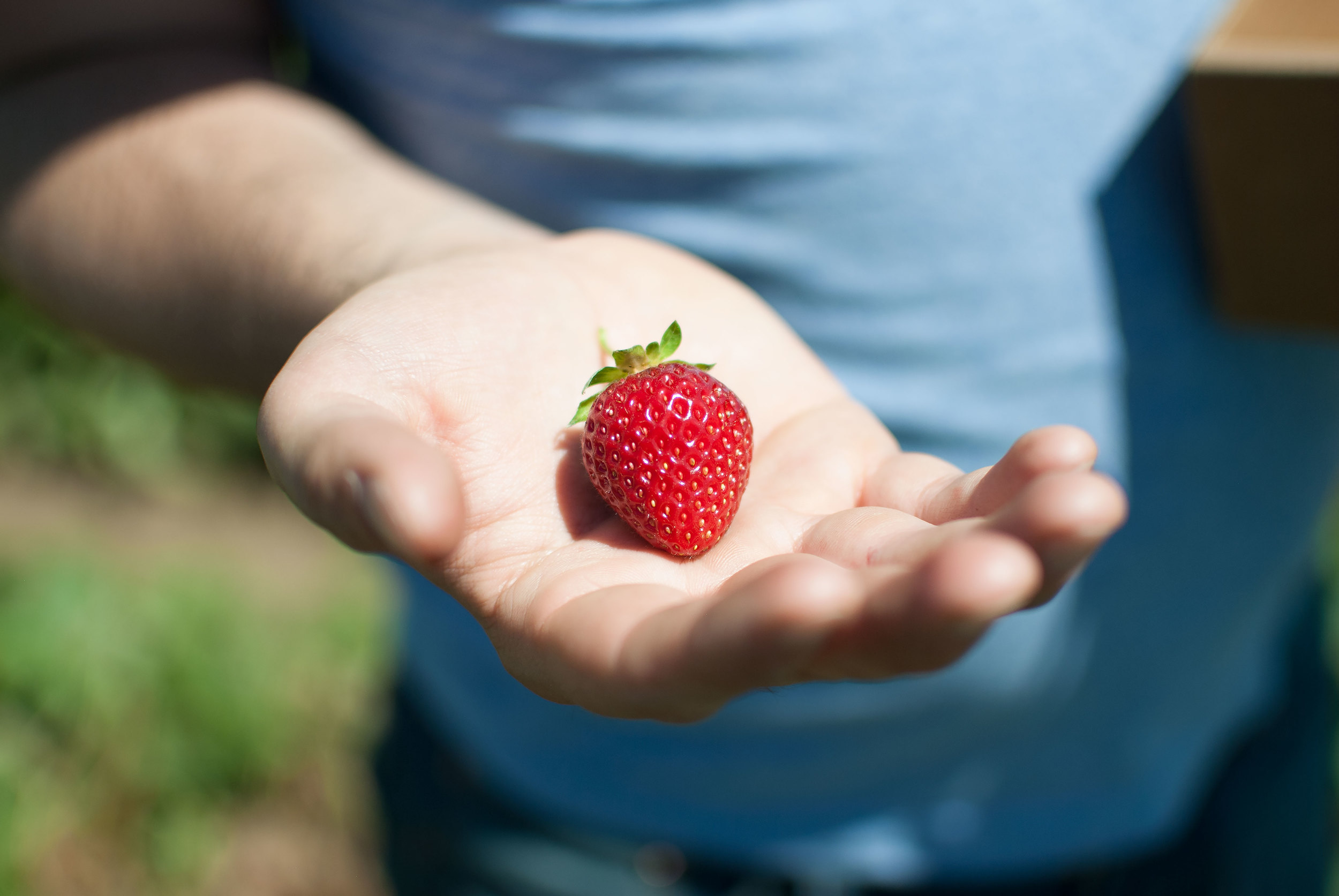
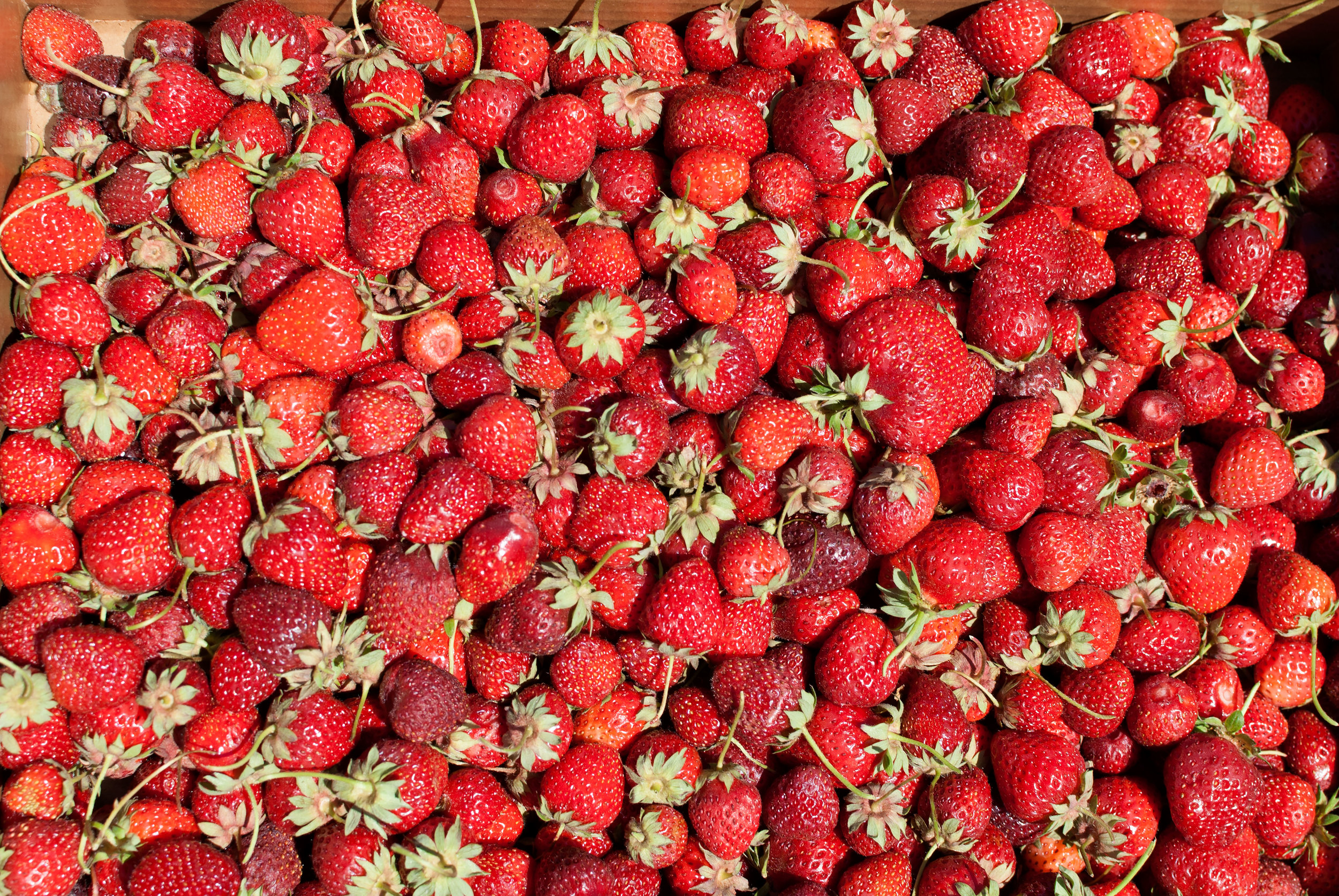
    When we bought the strawberries at the farmer’s market for our strawberry caprese salad, we had a pint and a half of strawberries left over. They were so ripe they left juice stains on the pint boxes. I said, “How about we make jam?” And Jon agreed. What else are you going to do with that many strawberries? (I will admit I was tempted to split the spoils with Jon and just sit down and eat them. Jam was a much better idea.) We looked online for a recipe, and found this one from Ina Garten. We love Ina, but there was too much sugar and lemon for us, so we went to Sauvie Island, here in Portland, and determined to get more strawberries (and raspberries!). We ended up with around 7½ pounds of strawberries bursting with sweet juice.


    strawberry-jam_03

    strawberry-jam_03


    Jon

    Jon


    Nate

    Nate

    After adapting the jam recipe for our own tastes (like we do), we ended up with our favorite strawberry jam ever. It’s sweet, but not overwhelming. It’s floral and the strawberry flavor is bright, but not cloying. It’s perfect on toast by itself, and it’s even better with a savory element, such as peanut butter or chèvre. We’ll be making this for many summers to come.


    strawberry-jam_05

    strawberry-jam_05

    Strawberry Jam

    • 7 lb (3.2 kg, about 9 pints) ripe strawberries, hulled and halved
    • 5 cups (2.2 lb/1 kg) white sugar
    • zest of 4 lemons
    • juice of 3 lemons

    Cook sugar, lemon juice and zest over low heat stirring constantly until sugar is completely melted, about 10 minutes. Add strawberries and stir until combined. Let simmer on low heat for 20–30 minutes, stirring frequently to prevent scorching. Jam is done when the juice gels when you put it on a cold surface (we used a plate in the freezer for this). Remove from heat. If strawberries are too chunky, use an immersion blender to achieve desired consistency. Use a canning funnel to put in pint jars. If not using immediately, you will need to preserve it. If canning see instructions here. If freezing, put into freezer-safe containers (most wide mouth canning jars will work for this, just leave room at the top to account for expansion), and freeze after cooling completely.

    Yields a little more than 7 pints.


    strawberry-jam_06

    strawberry-jam_06

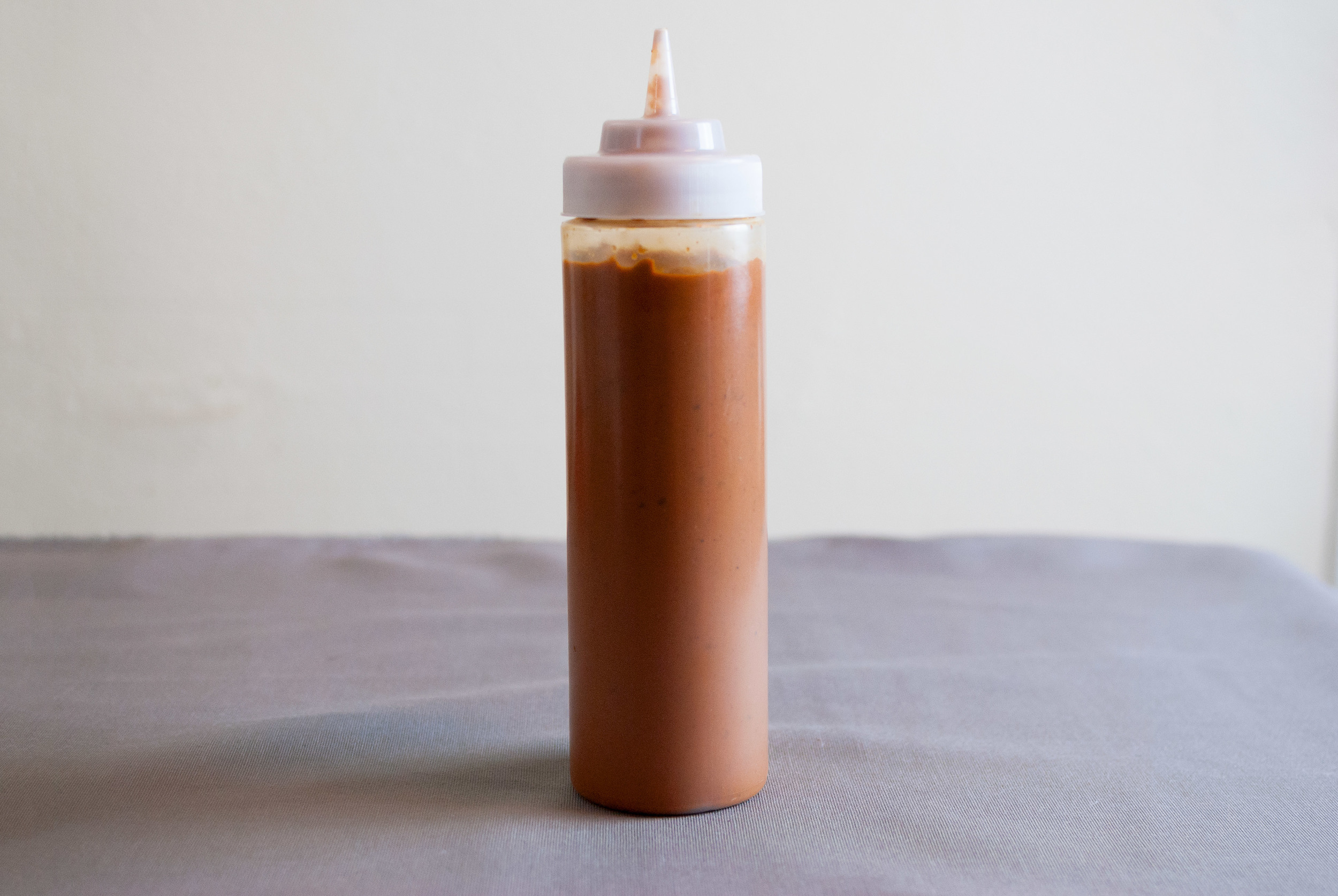
  • Morita Salsa


    There are many different kinds of salsas out there, but more often than not, for one person who is educated in “salsa literacy” there is just The One. When someone finds The One, they usually end up putting it on everything. For some people this might be Tabasco. For others, Sriracha, Tapatio, Cholula. You get the picture. We have The One for us, too. But we don’t go out and buy ours. We make it at home. And this recipe tells you how to do it.
    Finding out which salsa will be yours takes time. You need to experiment. It’s kinda like dating. You gotta spread yourself around a little bit and maybe go outside of your comfort zone from time to time. Finding your salsa will require you to be in touch with yourself and really understand what you like to eat. Do you like bold flavors, or subtle complex ones? Do you prefer a fresh flavor profile, or a smoky one? Tart or sweet? Do you like your spicy food to tickle or tackle you? Your salsa should represent what you wish every food had, so that when you use it, it does!

    Our salsa is made with a special little chile called a morita. Moritas are smoked jalapeños, just like chipotles are, but they aren’t smoked for as long. They still have some of that dark, smoky, sexy-ness that chipotles have, but they have also retained some sweetness from their fresher form. We like that they are balanced. We blend a lot them with charred tomatoes, onions, garlic, and spices to make a light and smoky, slightly sweet and savory sauce. You best believe it’s in our fridge at all times.

    • 5 ripe roma tomatoes, halved, divided
    • ½ large onion, halved
    • 4 large cloves of garlic, peeled
    • 6 morita chiles, de-stemmed
    • 1 tbs. ground cumin
    • ¼ cup white vinegar
    • ⅓ cup vegetable oil
    • salt to taste

    Note: Moritas aren’t exactly easy to find. You won’t find them at any standard corporate grocery store. You need to go to a Mexican market for these babies. For this recipe, use ones on the bigger side as opposed to the little uns.

    Rehydrate the moritas by placing them in a microwave safe dish with enough water to cover. Microwave for 90 seconds then set aside.


    Morita_Salsa_02

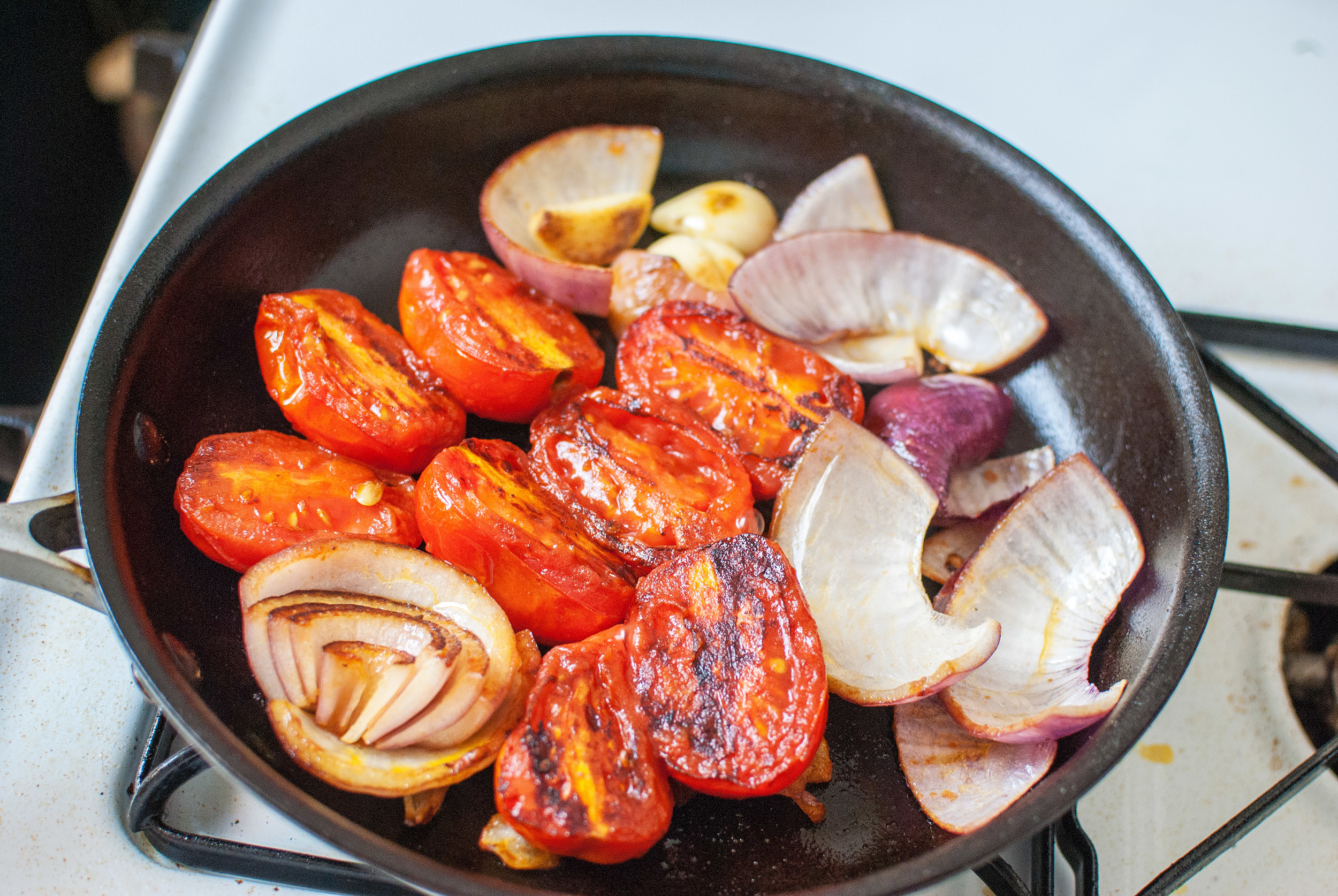
    Coat a non-stick pan with vegetable oil and bring to medium high heat. When the oil shimmers, add four halved tomatoes flat face down, onion, and garlic to the pan. Sear until slightly charred. When the tomatoes are golden, flip them over to char the skin slightly. Stir onions and garlic occasionally. When the tomato skins wrinkle, transfer everything to a food processor. Remove the moritas from the water and add them to the food processor. Add the cumin and vinegar. Blend until completely smooth. Put the mixture back in your pan and cook on medium low heat to reduce the liquid, about 20–30 minutes, stirring frequently.

    When your mixture is paste-like, place it back in the food processor and blend in the last tomato you set aside. Keep the food processor running and drizzle the oil through the top to emulsify. Add salt to taste. If the salsa is still too thick, add some water. The desired consistency should resemble heavy whipping cream. Use immediately. Refrigerate any unused salsa for around a month, perhaps longer (trust your nose).

    Yields one pint, plus a little extra.


    Morita_Salsa_03

  • Nate’s Pinot Noir Marinara


    Marinara_01.jpg

    Marinara is a mother sauce that you can use in all sorts of Italian dishes, from spaghetti to pizza to lasagna to meatball subs, even just for dipping breadsticks.
    Jon and I make marinara differently. His turns out smoky and rich. Mine is more bright and floral with a slight acidic edge. (I think it’s because of the bay leaf and I put waaay less wine in the sauce.) You can’t make marinara wrong, but sometimes the freshness is nice. You can customize the sauce for the dish as you see fit.

    Nate’s Pinot Noir Marinara

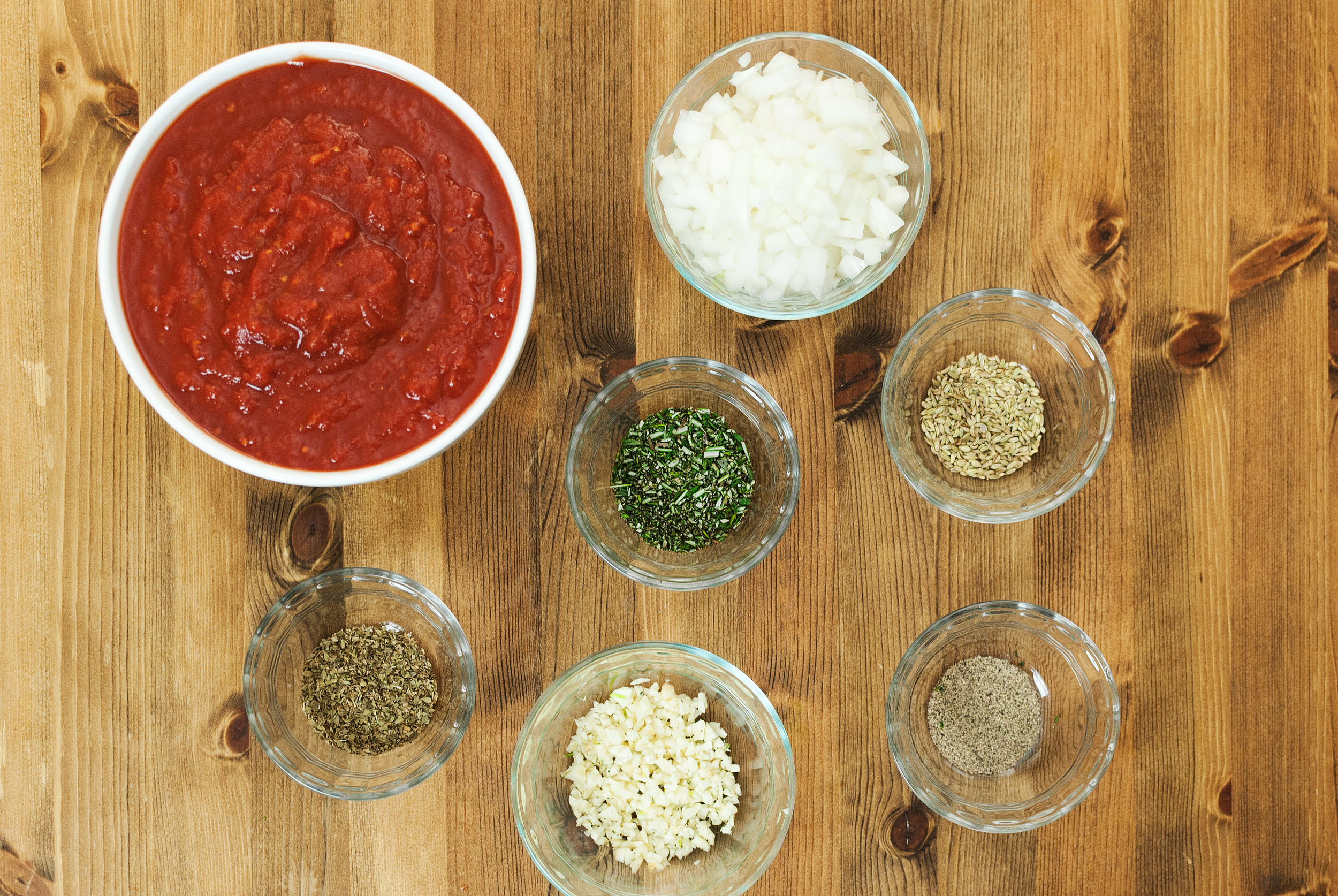
    • 2 28-ounce cans crushed tomatoes
    • 1 medium sweet onion, diced
    • 6 cloves garlic, minced
    • 2 tbs. dried Mediterranean oregano
    • 1 tbs. fennel seed
    • 1 10-inch sprig rosemary, leaves removed, minced (reserve the stick)
    • ¼ tsp. red pepper flakes
    • 1 bay leaf
    • 2 cup pinot noir red wine
    • 2 tbs. olive oil
    • salt & pepper to taste


    Marinara_02

    Marinara_02

    In a large heavy-bottomed stock pot, heat oil over medium heat. Sweat the onions (cook them until translucent), stirring constantly. Add tomatoes and stir. Add everything else, and bring to a simmer. Reduce to low heat and cook uncovered for 1 hour, stirring frequently. The sauce will reduce about halfway.

    You can refrigerate the sauce for up to 3 days or freeze for up to 3 months.

    Yields scant 3 pints.